

Finding reliable health information online has become essential for healthcare professionals, educators, and patients alike. The internet offers countless health resources, but identifying the best healthcare sites requires understanding which platforms provide accurate, evidence-based content that supports informed decision-making. Whether you're a healthcare provider seeking patient education materials, a caregiver looking for guidance, or an educational institution developing curriculum, knowing where to find trustworthy medical information is crucial for improving health outcomes and supporting patient compliance.
Criteria for Evaluating the Best Healthcare Sites
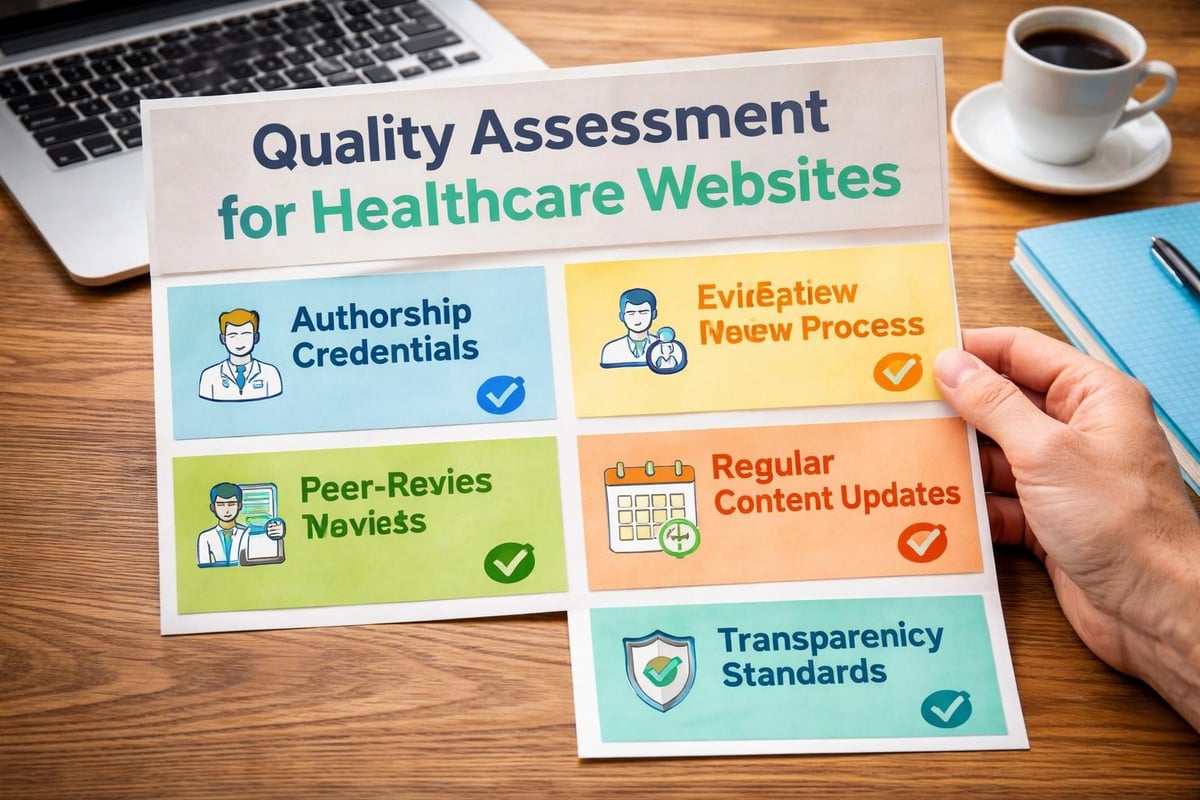
When assessing which platforms qualify as the best healthcare sites, several key factors distinguish exceptional resources from mediocre ones. Authorship and credentials stand at the forefront of evaluation criteria, as medical content should be written or reviewed by qualified healthcare professionals.
Content Accuracy and Evidence-Based Information
The hallmark of superior healthcare websites is their commitment to evidence-based content. Information should be grounded in peer-reviewed research, clinical guidelines, and current medical standards. The Mayo Clinic's official website exemplifies this approach, offering comprehensive medical information authored and reviewed by medical professionals across numerous specialties.
- Content regularly updated to reflect current research
- Citations and references to scientific studies
- Peer review by medical experts
- Transparency about funding sources and potential conflicts of interest
Sites that prioritize accuracy help healthcare educators provide patients with reliable information that complements clinical care. This is particularly important for publishers like those creating health education materials, where the credibility of source materials directly impacts the quality of patient guides and educational resources.
Accessibility and Readability
The best healthcare sites balance medical accuracy with clear, understandable language. Health literacy varies significantly among patient populations, making it essential for quality resources to present complex medical information in accessible formats.
Key accessibility features include:
- Content written at appropriate reading levels
- Visual aids, diagrams, and infographics
- Multilingual options for diverse populations
- Mobile-responsive design
- ADA compliance for users with disabilities
Healthcare professionals who recommend educational materials to patients benefit from resources that combine clinical precision with plain language explanations, ensuring patients can understand and apply health information effectively.
Government Health Resources Among the Best Healthcare Sites
Government health agencies provide some of the most authoritative and comprehensive healthcare information available online. These resources offer the advantage of being free from commercial influence while maintaining rigorous scientific standards.
National Institutes of Health
The National Institutes of Health serves as a premier source for research updates, clinical trial information, and health resources across virtually every medical condition. The NIH's extensive database includes information valuable for both healthcare professionals and patients seeking to understand complex health topics.
The platform's research repositories help educators develop evidence-based materials, while its patient-focused sections translate complex science into understandable guidance. For those creating health education content, the NIH provides reliable source material for topics ranging from chronic disease management to preventive care.
Centers for Disease Control and Prevention
The Centers for Disease Control and Prevention stands among the best healthcare sites for disease prevention, public health statistics, and clinical guidelines. Healthcare providers, pharmacies, and educational institutions rely on CDC resources for current information on infectious diseases, vaccination schedules, and health promotion strategies.
| Resource Type | Primary Use | Target Audience |
|---|---|---|
| Disease Information | Prevention and management guidance | Healthcare providers, public |
| Statistical Data | Research and program planning | Institutions, educators |
| Clinical Guidelines | Treatment protocols | Medical professionals |
| Public Health Tools | Health promotion | Community organizations |
The CDC's commitment to timely updates makes it particularly valuable during public health emergencies and for tracking emerging health trends that impact patient education needs.
Comprehensive Medical Reference Sites
Beyond government resources, several institutional healthcare sites have earned their place among the best healthcare sites through decades of clinical excellence and patient care.
Leading Academic Medical Centers
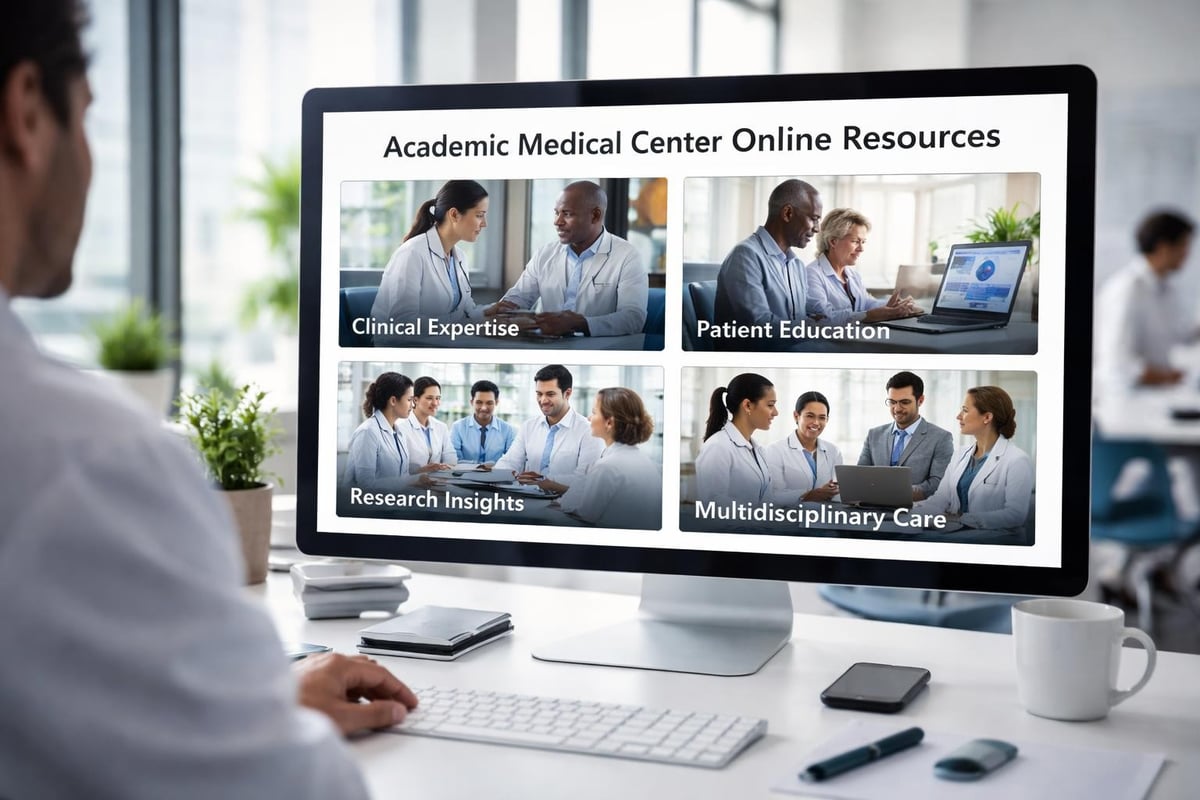
Academic medical centers bring research expertise and clinical experience to their online resources. The Cleveland Clinic's website provides expert-driven content covering specialties from cardiology to mental health, making it valuable for healthcare educators developing condition-specific materials.
These institutional sites offer several advantages for health education professionals:
- Multidisciplinary perspectives incorporating various specialties
- Patient decision aids supporting informed consent
- Treatment comparison tools explaining options clearly
- Preventive care guidelines promoting wellness
When developing patient education materials on topics like elder care or chronic disease management, referencing content from reputable academic medical centers ensures educational resources align with current clinical standards.
Consumer Health Information Platforms
While institutional sites excel at clinical depth, consumer-focused health information platforms serve as some of the best healthcare sites for accessible, practical guidance. Healthline has built its reputation on evidence-based content reviewed by medical professionals, covering topics from mental health to nutrition in formats patients find approachable.
These platforms typically feature:
- Symptom checkers and assessment tools
- Lifestyle and wellness guidance
- Treatment comparisons with pros and cons
- Personal health stories and experiences
- Interactive health calculators
For healthcare educators, these sites demonstrate effective health communication strategies that can inform how complex topics are presented in patient guides and educational materials.
Specialized Medication and Drug Information Resources
Medication safety and drug information represent critical components of patient education, making specialized pharmaceutical resources essential among the best healthcare sites.
Prescription Drug Databases
RxList offers detailed prescribing information and patient education content authored by pharmacists and physicians. This type of resource proves invaluable for healthcare professionals counseling patients about medications, as well as for developing educational materials about drug interactions and medication management.
The depth of information available on specialized drug sites supports comprehensive patient education efforts:
- Complete prescribing information
- Drug interaction checkers
- Side effect profiles
- Patient counseling points
- Generic and brand name cross-references
Healthcare providers recommending supplementary reading materials benefit from directing patients to these authoritative medication resources that complement verbal counseling.
Government Medication Information
MedlinePlus, provided by the U.S. National Library of Medicine, combines drug information with broader health topics in an accessible format. The service links medication details with related conditions, diagnostic tests, and wellness information, creating a comprehensive resource for patient education.
| Feature | Benefit | Application |
|---|---|---|
| Drug guides | Plain language medication info | Patient counseling support |
| Health encyclopedia | Condition backgrounds | Educational material development |
| Medical tests | Diagnostic understanding | Pre-procedure education |
| Healthy recipes | Lifestyle integration | Chronic disease management |
This integration makes government health information sites particularly valuable for creating holistic patient education approaches that address medications within broader health contexts.
Leveraging the Best Healthcare Sites for Patient Education
Healthcare professionals and educators can maximize the value of these top-tier resources by strategically incorporating them into patient education workflows and material development processes.
Building Patient Resource Lists
Creating curated lists of the best healthcare sites tailored to specific patient populations enhances health literacy and empowers self-management. When developing condition-specific guides-whether for allergy management or wound care-recommending complementary online resources extends learning beyond printed materials.
Effective resource lists should:
- Match patient reading levels and technological comfort
- Focus on specific conditions or concerns
- Include both general and specialized sites
- Provide guidance on evaluating information quality
- Update regularly to reflect site changes
By directing patients to verified, high-quality online resources, healthcare providers reinforce educational messages and support ongoing learning between appointments.
Validating Educational Content
For organizations developing health education materials, the best healthcare sites serve as essential validation tools. Cross-referencing content against authoritative sources ensures accuracy and identifies areas requiring updates as medical knowledge evolves.
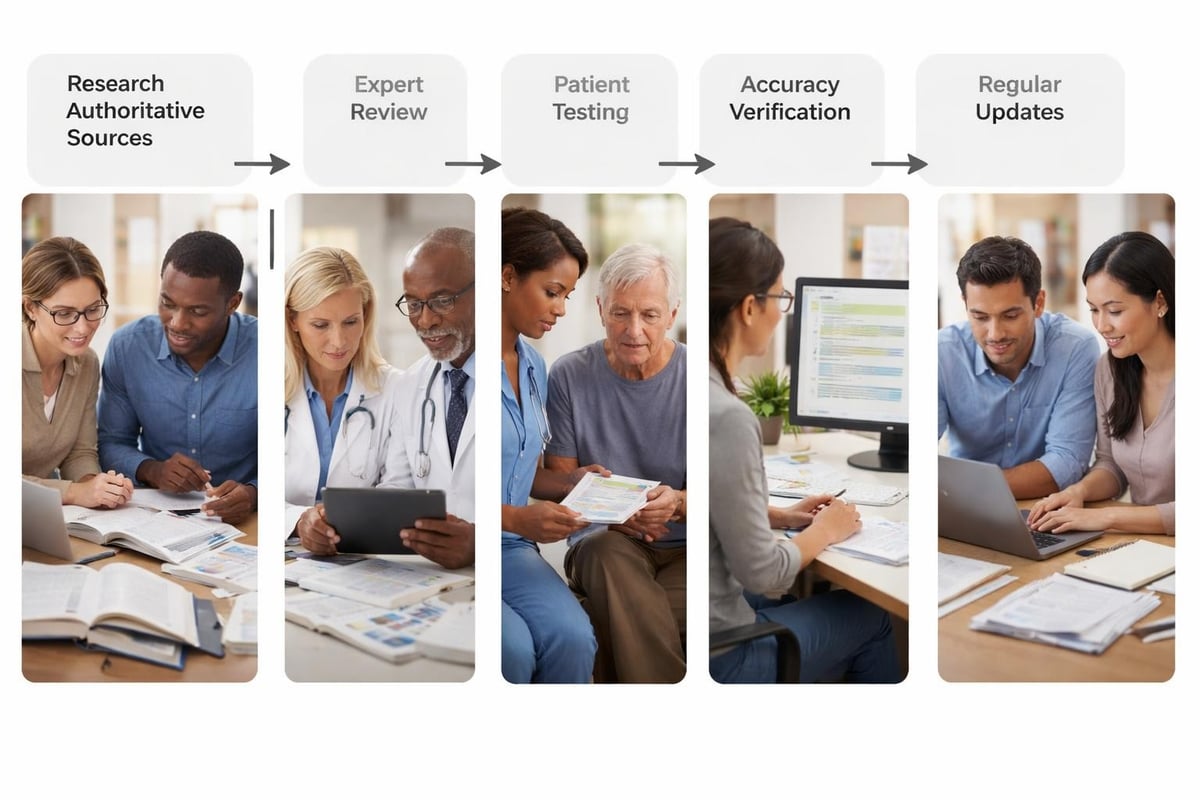
The process of validating educational content involves systematic comparison with current guidelines and recommendations. Professional reference guides benefit from regular updates based on the latest information from trusted healthcare sites, maintaining their value for clinical practice.
Integrating Online Resources with Print Materials
The best healthcare sites complement rather than replace well-designed print materials. Healthcare providers can create comprehensive education strategies that leverage both digital and physical resources to accommodate diverse learning preferences.
Blended Learning Approaches
Patients benefit from multiple information formats that reinforce key concepts through different modalities. Print guides provide portable, permanent references patients can review repeatedly, while online resources offer interactive tools, videos, and updated information.
Strategic integration includes:
- QR codes in print materials linking to relevant online resources
- Supplementary web content expanding on printed topics
- Online tools complementing written instructions
- Digital updates between print editions
- Interactive elements unavailable in static formats
This blended approach maximizes comprehension and retention while accommodating individual learning styles and preferences.
Supporting Caregiver Education
For caregivers managing complex care situations, combining resources from the best healthcare sites with focused print guides creates comprehensive support systems. Topics like preventing falls or managing incontinence often require both immediate reference materials and deeper online resources.
Caregivers juggling multiple responsibilities appreciate having reliable websites bookmarked for quick reference alongside printed materials that don't require screen time or internet access. This dual-resource approach acknowledges the realities of caregiving while providing comprehensive information support.
Quality Assessment Tools for Healthcare Websites
Healthcare professionals and educators need practical methods for evaluating whether sites truly rank among the best healthcare sites or simply appear credible at first glance.
Credential Verification
Checking author credentials and editorial oversight provides the first line of quality assessment. Look for:
- Board certification in relevant specialties
- Academic appointments at recognized institutions
- Editorial boards with diverse medical expertise
- Clear distinction between advertising and content
- Disclosure of funding sources
Sites that prominently display author qualifications and editorial processes demonstrate commitment to accountability and accuracy.
Currency and Update Frequency
Medical knowledge evolves rapidly, making content freshness essential. The best healthcare sites clearly date articles and indicate review schedules. Information on rapidly changing topics should show recent updates, while foundational content should undergo periodic review even if core facts remain stable.
| Update Indicator | What to Look For | Significance |
|---|---|---|
| Publication date | Clear original posting date | Content age transparency |
| Review date | Last expert review timestamp | Ongoing accuracy commitment |
| Modification note | Changes from previous versions | Tracking evolving guidance |
| Next review | Scheduled future updates | Maintenance commitment |
Regular content updates reflect organizational commitment to maintaining information quality and relevance.
Specialized Topics and Niche Healthcare Sites
While comprehensive sites cover broad health topics, specialized resources focusing on specific conditions or populations also earn places among the best healthcare sites for particular needs.
Disease-Specific Organizations
National disease foundations and patient advocacy groups often provide detailed information about specific conditions that general sites cover less thoroughly. These organizations combine medical expertise with patient perspective, creating resources particularly valuable for newly diagnosed individuals and their families.
For healthcare educators developing materials on specialized topics like diabetes management or Alzheimer's disease, disease-specific organizations offer current treatment information and practical management strategies that reflect both clinical guidelines and real-world patient experiences.
Professional Association Resources
Medical professional associations create resources targeting both practitioners and patients. These sites often feature clinical guidelines, patient decision aids, and educational tools developed by specialty experts. The dual audience approach makes these resources valuable for healthcare educators seeking content that bridges clinical accuracy with patient accessibility.
Future Trends in Healthcare Information Delivery
The landscape of the best healthcare sites continues evolving as technology advances and healthcare delivery models change. Understanding emerging trends helps healthcare educators anticipate how patients will access and use health information.
Personalization and AI Integration
Healthcare sites increasingly incorporate personalization features that tailor content to individual users based on conditions, medications, and preferences. While artificial intelligence shows promise for delivering customized health information, human expert oversight remains essential for ensuring accuracy and appropriateness.
Emerging features include:
- Symptom assessment tools with AI support
- Personalized content recommendations
- Interactive treatment decision aids
- Virtual health assistants for basic questions
- Integration with personal health records
These technological advances complement traditional educational materials by providing interactive, responsive information experiences while maintaining the reliability that defines the best healthcare sites.
Mobile-First Design and Accessibility
As smartphone usage dominates internet access, the best healthcare sites prioritize mobile experiences without sacrificing content depth or functionality. Responsive design ensures information remains accessible regardless of device, supporting patients who primarily use phones for health research.
Mobile optimization particularly matters for caregivers and patients managing conditions requiring frequent information reference. Quick access to reliable health information during appointments, medication administration, or symptom management makes mobile-friendly design essential rather than optional.
Building Trust Through Transparency
The proliferation of health misinformation makes transparency increasingly important in distinguishing the best healthcare sites from unreliable sources. Clear communication about content development processes, funding sources, and limitations helps users make informed decisions about information credibility.
Editorial Standards and Governance
Top-tier healthcare sites publish editorial policies explaining how content is created, reviewed, and updated. These policies should address:
- Author qualification requirements
- Peer review processes
- Conflict of interest management
- Advertising separation from content
- Correction and retraction procedures
Transparency in editorial governance builds user confidence and supports the site's role as a trusted health information source.
Privacy and Data Protection
With increasing concerns about health data privacy, the best healthcare sites implement robust protection measures and clearly communicate data handling practices. Users should easily access privacy policies explaining what information is collected, how it's used, and with whom it's shared.
Healthcare educators recommending online resources should consider privacy implications, particularly when suggesting sites requiring account creation or personal health information input. Directing patients to sites with strong privacy protections demonstrates professional responsibility while supporting patient autonomy.
Identifying and utilizing the best healthcare sites empowers healthcare professionals, educators, and patients to access reliable, evidence-based information that supports improved health outcomes and informed decision-making. Quality online resources complement comprehensive patient education programs, providing accessible information that reinforces clinical guidance and promotes health literacy. Mediscript supports these educational efforts by providing customizable, evidence-based guides and ebooks that healthcare professionals can integrate with online resources to create comprehensive patient education strategies, helping improve outcomes and compliance across diverse patient populations.