


The healthcare landscape has undergone a remarkable transformation in recent years, with online clinics emerging as a pivotal component of modern medical care delivery. These virtual healthcare platforms bridge geographical barriers, reduce wait times, and provide patients with unprecedented access to medical professionals from the comfort of their homes. As healthcare providers, pharmacies, and educational institutions adapt to this digital revolution, the integration of comprehensive patient education materials becomes increasingly critical to ensuring positive outcomes and maintaining high standards of care.
Understanding the Online Clinic Infrastructure
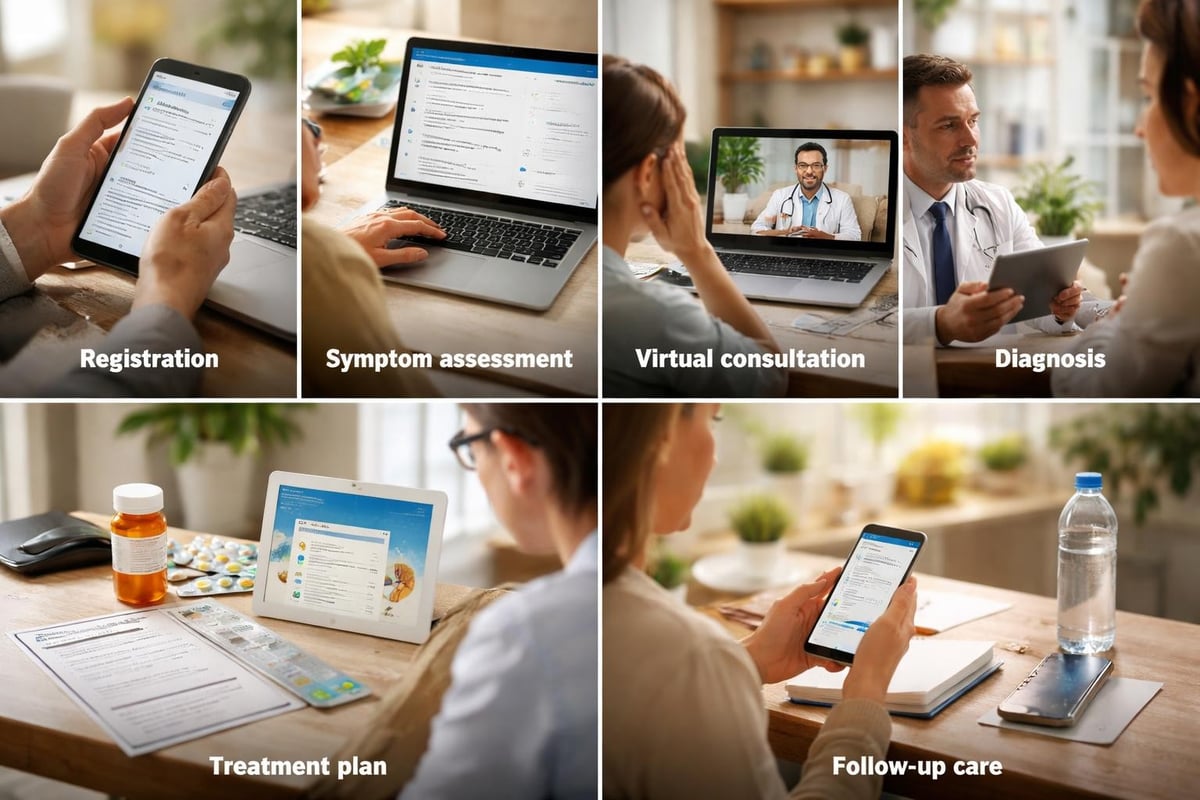
Online clinics represent a sophisticated ecosystem of digital healthcare services that extend far beyond simple video consultations. These platforms integrate multiple components including secure patient portals, electronic health record systems, prescription management tools, and educational resources that work together to deliver comprehensive care.
The foundation of successful online clinics rests on three critical pillars:
- Technology infrastructure that ensures HIPAA-compliant data transmission and secure patient information storage
- Licensed healthcare professionals who provide evidence-based medical guidance through virtual channels
- Patient education systems that support informed decision-making and treatment compliance
Core Services Provided by Online Clinics
Modern online clinics offer an expanding array of medical services that once required in-person visits. Primary care consultations, mental health therapy, dermatology assessments, and chronic disease management now occur seamlessly through digital platforms.
| Service Category | Common Treatments | Patient Education Needs |
|---|---|---|
| Primary Care | Acute illness, prescription refills, preventive care | Medication instructions, lifestyle modifications |
| Mental Health | Therapy sessions, medication management | Treatment compliance, coping strategies |
| Chronic Disease | Diabetes, hypertension monitoring | Daily management, symptom recognition |
| Dermatology | Skin condition assessment, treatment plans | Topical medication application, skincare routines |
Healthcare providers utilizing online clinics must recognize that virtual care intensifies the need for clear, accessible patient education materials. When physical examinations and in-person demonstrations aren't possible, patient education materials become the primary tool for ensuring patients understand their conditions and treatment protocols.
Patient Education in the Virtual Healthcare Environment
The shift to online clinics has fundamentally changed how healthcare professionals communicate medical information to patients. Without face-to-face interaction, providers must rely more heavily on written materials, videos, and digital resources to convey complex health concepts.
Effective patient education in online clinics requires:
- Clear, concise written materials that patients can reference after consultations
- Visual aids that demonstrate proper medication administration or treatment techniques
- Customizable resources that address individual patient circumstances
- Multi-format content delivery to accommodate different learning preferences
Healthcare providers working with online clinics report that patients who receive comprehensive educational materials demonstrate significantly higher treatment adherence rates. This correlation underscores the importance of integrating quality resources into virtual care workflows.
Bridging Communication Gaps in Virtual Consultations
Online clinics face unique challenges in ensuring patients fully comprehend their diagnoses and treatment plans. Time-limited video consultations may not provide sufficient opportunity for patients to ask questions or process complex medical information.
Healthcare professionals can address these gaps by providing supplementary health education materials that patients can review at their own pace. These resources serve as reference guides long after the virtual appointment concludes, supporting ongoing patient empowerment and self-care.
The most effective approach involves a multi-touchpoint strategy:
- Pre-consultation materials that prepare patients for their appointments
- Real-time educational resources shared during virtual visits
- Post-consultation follow-up documents that reinforce key points
- Ongoing access to condition-specific guides and reference materials
Enhancing Treatment Compliance Through Digital Resources
Treatment compliance represents one of the most significant challenges in healthcare, and online clinics must develop innovative strategies to ensure patients follow prescribed treatment protocols. Studies consistently demonstrate that patient compliance improves dramatically when individuals understand the reasoning behind their treatment plans and receive clear instructions for implementation.
Customization and Personalization Strategies
Generic patient education materials often fail to address the specific circumstances, concerns, and questions that individual patients face. Online clinics that succeed in promoting compliance invest in customizable educational resources that can be tailored to each patient's unique situation.
Key customization elements include:
- Adjustment for literacy levels and language preferences
- Modification based on existing health conditions and medications
- Personalization for lifestyle factors and daily routines
- Adaptation for age-appropriate comprehension
Pharmacies partnering with online clinics play a crucial role in this educational ecosystem. When patients receive prescriptions through virtual consultations, pharmacy teams can reinforce key messages by providing supplementary materials about drug interactions, side effects, and proper administration techniques.
Supporting Healthcare Professionals in Virtual Practice
Healthcare professionals transitioning to online clinics require robust educational resources to support their practice. These providers face the dual challenge of delivering high-quality medical care through digital platforms while ensuring patients receive adequate information to manage their health independently.
| Challenge | Solution | Supporting Resources |
|---|---|---|
| Limited physical assessment | Detailed patient questionnaires | Symptom guides, visual assessment tools |
| Reduced consultation time | Pre-visit education materials | Condition-specific primers |
| Follow-up communication | Asynchronous messaging systems | Patient instructions libraries |
| Medication management | Digital prescription systems | Drug interaction guides, dosing charts |
Many healthcare professionals report that having access to comprehensive, evidence-based educational materials significantly enhances their ability to practice effectively in virtual environments. These resources enable providers to quickly share relevant information with patients, ensuring nothing gets lost in translation during brief video consultations.
Building Educational Resource Libraries
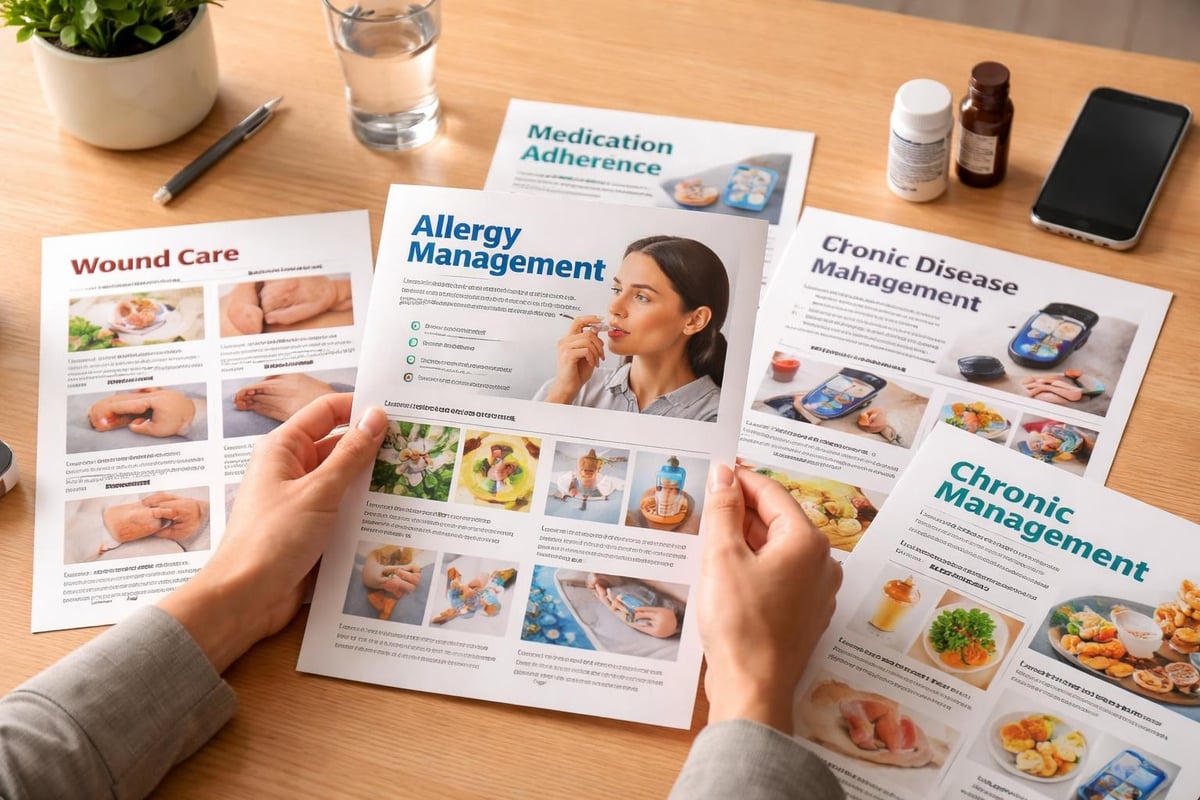
Online clinics that maintain extensive libraries of patient education materials position themselves to deliver superior care outcomes. These collections should span common conditions, medications, procedures, and wellness topics that virtual care providers encounter regularly.
Essential categories for online clinic resource libraries include:
- Acute condition guides covering common illnesses like respiratory infections, urinary tract infections, and skin conditions
- Chronic disease management materials for diabetes, hypertension, and other ongoing health concerns
- Medication information including proper administration, storage, and potential side effects
- Preventive care resources addressing nutrition, exercise, and lifestyle modifications
- Specialized topic guides for areas like allergies and asthma management
Institutional Integration and Educational Applications
Educational institutions training the next generation of healthcare providers must prepare students for the reality of online clinics as a standard care delivery model. Nursing programs, medical schools, and pharmacy curricula increasingly incorporate virtual care competencies into their training protocols.
Students benefit from exposure to the same educational materials that practicing professionals use in online clinic settings. This familiarity enables future healthcare providers to understand how patient education guides improve clinical skills and academic understanding simultaneously.
Pharmacy Integration with Online Clinics
Pharmacies serve as critical partners in the online clinic ecosystem, functioning as the physical touchpoint for patients who primarily interact with healthcare providers virtually. When online clinics prescribe medications, community pharmacists often become the front-line educators who ensure patients understand their treatment regimens.
Pharmacy support for online clinic patients includes:
- Verification of prescription accuracy and appropriateness
- Counseling on proper medication administration
- Identification of potential drug interactions
- Provision of supplementary educational materials
- Follow-up monitoring and communication with prescribing providers
Pharmacies that stock comprehensive patient education materials specifically designed for online clinic scenarios can significantly enhance treatment outcomes. These resources help bridge the gap between virtual consultations and successful home-based care implementation.

Quality Standards and Evidence-Based Education
As online clinics proliferate, maintaining quality standards for patient education becomes paramount. Healthcare providers must ensure that all materials shared with patients reflect current evidence-based guidelines and have been developed by qualified medical professionals.
Criteria for evaluating patient education materials in online clinic settings:
- Accuracy: Information aligns with current clinical practice guidelines and peer-reviewed research
- Clarity: Content uses plain language appropriate for general patient populations
- Completeness: Materials address common questions and concerns comprehensively
- Accessibility: Resources accommodate various literacy levels and learning preferences
- Updatability: Content can be revised as medical knowledge evolves
Organizations providing educational materials to online clinics should demonstrate expertise in health communication and maintain rigorous quality control processes. These standards ensure that virtual care providers can confidently share resources with patients, knowing the information supports optimal health outcomes.
Measuring Educational Impact in Virtual Care
Online clinics possess unique advantages for measuring the effectiveness of patient education initiatives. Digital platforms can track which materials patients access, how long they engage with content, and whether they return to reference guides over time.
Key metrics for evaluating educational effectiveness include:
- Patient comprehension scores on post-consultation assessments
- Treatment adherence rates for prescribed therapies
- Reduction in follow-up consultations for clarification questions
- Patient satisfaction ratings regarding educational support
- Clinical outcome improvements correlated with educational engagement
Healthcare providers utilizing these metrics can continuously refine their educational strategies, ensuring that online clinic patients receive the most effective support possible for managing their health conditions.
Future Developments in Online Clinic Education
The evolution of online clinics continues to accelerate, with emerging technologies promising even more sophisticated approaches to patient education and engagement. Artificial intelligence, augmented reality, and personalized learning algorithms will further transform how virtual care providers support patient understanding and compliance.
Forward-thinking healthcare organizations are already exploring interactive educational modules that adapt to individual patient learning styles and knowledge gaps. These advanced systems can identify when patients struggle with specific concepts and automatically provide additional resources or alternative explanations.
The integration of wearable devices and remote monitoring technology with online clinics creates new opportunities for real-time patient education. When sensors detect potential health issues, automated systems can deliver timely educational content that helps patients understand what they're experiencing and when to seek additional care.
| Technology | Educational Application | Patient Benefit |
|---|---|---|
| AI Chatbots | 24/7 question answering | Immediate access to information |
| Video Libraries | On-demand instruction | Self-paced learning |
| Interactive Quizzes | Knowledge verification | Confirmed understanding |
| Mobile Apps | Treatment tracking | Improved adherence |
Healthcare providers, pharmacies, and educational institutions must stay informed about these developments to ensure they can effectively support patients navigating increasingly sophisticated online clinic environments. The fundamental principle remains constant: quality patient education drives better health outcomes regardless of the delivery mechanism.
Online clinics represent the future of healthcare delivery, but their success depends critically on effective patient education and clear communication. As virtual care becomes standard practice, healthcare providers need reliable, comprehensive educational resources that support patient understanding and treatment compliance. Mediscript offers a wide range of customizable health education materials specifically designed to meet the needs of online clinics, healthcare professionals, pharmacies, and educational institutions, empowering patients and providers alike to achieve optimal health outcomes in virtual care environments.