


Non-compliance with medical advice results in 125,000 preventable deaths and a staggering $290 billion in healthcare costs each year, according to the HIPAA Journal. In 2025, the landscape of patient-provider relationships and digital health is rapidly evolving, making patient compliance more crucial than ever. This guide will walk you through essential definitions, common barriers, emerging trends, and proven strategies to boost patient compliance. By following actionable steps and leveraging modern tools, you can achieve better outcomes, lower costs, and higher patient satisfaction. Ready to transform your approach? Discover how to elevate patient compliance in your practice today.
Understanding Patient Compliance: Definitions, Importance, and Trends
Patient compliance is a cornerstone of modern healthcare, shaping outcomes for millions each year. As the healthcare landscape evolves, understanding what patient compliance means and how it differs from related terms is essential. This clarity helps providers choose the best strategies for engaging patients and improving results.

Defining Patient Compliance and Related Concepts
Patient compliance refers to the degree to which patients follow healthcare provider instructions, such as taking medications or following lifestyle advice. In medical literature, compliance often implies a passive role, where patients simply do as instructed. Adherence describes a more active, intentional process, while concordance emphasizes shared decision-making between provider and patient.
| Term | Description | Patient Role |
|---|---|---|
| Compliance | Following instructions as given | Passive |
| Adherence | Actively choosing to follow a regimen | Active |
| Concordance | Shared decision-making and agreement | Collaborative |
These distinctions are not merely academic—they impact outcomes and the choice of strategies. Patients who participate in decisions are more likely to sustain compliance. For further insights, see Patient Education and Empowerment.
Why Patient Compliance Matters: Impact on Outcomes
Patient compliance is closely linked to health outcomes and healthcare costs. Non-compliance accounts for 10 percent of hospitalizations among older adults and 40 percent of nursing home admissions. The financial toll is staggering, with an estimated $290 billion lost annually in the U.S. alone.
The consequences of poor patient compliance include increased readmissions, reduced treatment effectiveness, and even staff burnout. Chronic disease management is especially affected, as patients who do not follow prescribed therapies often experience preventable complications. For example, patients with diabetes or asthma may be readmitted due to missed doses or lifestyle lapses, highlighting the urgent need for effective compliance strategies.
Key Trends Influencing Compliance in 2025
Several trends are reshaping patient compliance in 2025. Digital health tools and telemedicine are now central to monitoring and supporting patients remotely. Patient-centered care is gaining ground, with shared decision-making models becoming standard practice.
However, the rise of online health misinformation presents new challenges. For instance, the COVID-19 pandemic saw misinformation costing the U.S. $300 million per day. Regulatory changes, such as HIPAA updates, are driving stricter privacy and data protection. Care teams now often include pharmacists and allied professionals, integrating expertise to support compliance from multiple angles.
The Evolving Role of Healthcare Providers
Healthcare providers are moving from a directive approach to a collaborative partnership with patients. Clear communication, empathy, and cultural competence are now essential skills for facilitating patient compliance.
Providers act as facilitators of behavior change rather than just information sources. Strategies like the SIMPLE approach and pharmacist collaborative agreements have proven effective. For example, pharmacists can adjust medications and renew prescriptions, supporting both patients and providers. The CDC and HIPAA Journal recommend these collaborative models to enhance patient compliance and outcomes.
Barriers to Patient Compliance: Identifying and Overcoming Challenges
Understanding and addressing barriers to patient compliance is essential for healthcare providers striving to improve outcomes in 2025. These challenges are multifaceted, spanning personal, systemic, and environmental factors. Identifying each barrier type allows for targeted strategies that support both patients and care teams.

Patient-Related Barriers
Patient compliance often faces challenges rooted in individual circumstances. Socioeconomic status can limit access to medications or make treatment a lower priority compared to daily needs. Health literacy is another critical factor; patients with limited understanding of medical terms or instructions may unintentionally skip doses or appointments.
Psychological barriers, such as lack of motivation, beliefs about illness, or mental health conditions, also play a significant role. For example, research shows that patient compliance rates are lower in chronic conditions like asthma and diabetes compared to HIV or multiple sclerosis. The complexity of comorbidities can further complicate adherence, especially when patients juggle multiple therapies.
Provider and System Barriers
Barriers to patient compliance are not limited to the patient alone. Communication gaps between providers and patients, including the use of medical jargon, can lead to misunderstandings and errors. Inconsistent instructions from multiple healthcare professionals may confuse patients, especially if care is fragmented.
Limited appointment time restricts opportunities for thorough education and follow-up. Cultural and language differences can further impede effective communication. For instance, unclear discharge instructions have been linked to increased readmission rates. Collaborative care models, such as those described in Integrated Healthcare Approaches, help address these system-level barriers by fostering teamwork and clear communication.
Treatment-Related Barriers
The nature of prescribed treatments directly impacts patient compliance. Complex medication regimens, long treatment durations, or frequent dosing schedules can overwhelm patients. Side effects, whether real or anticipated, may discourage continued use of therapy. Patients often weigh perceived benefits against potential risks, impacting their willingness to adhere.
Polypharmacy is a common issue among elderly patients, often resulting in confusion and unintentional non-compliance. Strategies to simplify regimens, such as combining medications or using once-daily dosing, can significantly enhance patient compliance and reduce errors.
External and Environmental Barriers
Environmental and social factors also shape patient compliance. Limited access to healthcare services due to transportation challenges or clinic proximity can result in missed appointments or delayed care. Social support from family and friends is vital for motivation and accountability.
The rise of online misinformation and peer influence can negatively impact health behaviors. Financial and health consequences of social media misinformation are significant and well documented. Community resources and support networks can help counteract these challenges, offering guidance and encouragement for sustained patient compliance.
Assessing Barriers in Practice
Overcoming barriers to patient compliance starts with individualized assessment. Providers should use validated tools and structured interviews to identify obstacles unique to each patient. Involving multidisciplinary teams, including pharmacists, nurses, and social workers, ensures a comprehensive approach.
For example, the CDC recommends appointment-based models in pharmacies to streamline medication management and improve adherence. Regular feedback loops and ongoing evaluation allow for timely adjustments to care plans. By continuously assessing barriers, providers can tailor interventions, leading to lasting improvements in patient compliance.
Proven Strategies to Improve Patient Compliance in 2025
Improving patient compliance in 2025 requires a multifaceted approach, blending communication, personalization, technology, collaboration, behavioral science, and continuous evaluation. Each strategy addresses specific barriers and empowers both patients and providers to achieve better health outcomes. By integrating these proven methods, healthcare teams can transform the compliance landscape for diverse patient populations.

Education and Communication: Building Knowledge and Trust
Clear, accessible education is the foundation of patient compliance. Providers should use plain language, avoiding medical jargon, and supplement verbal explanations with visual aids and easy-to-read handouts. Breaking down instructions into simple, actionable steps helps patients retain key information.
- Use the SIMPLE framework: Simplify instructions, Impart key knowledge.
- Offer visual guides, diagrams, and checklists.
- Practice active listening and empathy to strengthen trust.
When patients understand the "why" behind their regimens, they are more likely to follow through. Effective education builds confidence, reduces anxiety, and directly supports patient compliance.
Personalization and Shared Decision-Making
Personalizing care plans is essential for boosting patient compliance. Patients are more engaged when their preferences, beliefs, and daily routines shape the treatment approach. Shared decision-making invites patients and families to set goals together with providers.
- Tailor regimens to lifestyle needs and cultural backgrounds.
- Involve patients in every step of care planning.
- Adapt educational materials for language and literacy.
Studies show patients who help make decisions are more likely to comply with their care. Personalization also reduces resistance and helps address unique barriers to patient compliance.
Leveraging Technology and Digital Tools
Digital health solutions are transforming patient compliance in 2025. Telemedicine, mobile apps, and online resources offer real-time support, reminders, and education. Patients can track their medications, receive appointment alerts, and access self-management tools anytime.
- Telehealth enables remote check-ins and follow-up.
- Reminder apps reduce missed doses and appointments.
- Interactive guides boost engagement and learning.
For a deeper look at technology-based approaches, see Strategies to Improve Patient Medication Adherence in 2025. Embracing these tools can significantly enhance patient compliance, making it easier for patients to stay on track.
Multidisciplinary and Collaborative Care Models
Collaboration is key to sustainable patient compliance. Multidisciplinary teams—doctors, pharmacists, nurses, and caregivers—bring diverse expertise to address complex needs. Pharmacist collaborative practice agreements, for instance, allow pharmacists to adjust medications and renew prescriptions based on real-time patient feedback.
- Include allied health professionals in care planning.
- Engage families and caregivers for additional support.
- Coordinate care transitions for continuity.
By sharing responsibilities, teams reduce provider burden and reinforce patient compliance through multiple touchpoints. This coordinated approach leads to better outcomes and higher satisfaction for both patients and staff.
Behavioral and Motivational Strategies
Behavioral science offers practical tools to enhance patient compliance. Motivational interviewing helps patients explore their own reasons for change, address ambivalence, and build intrinsic motivation. Positive reinforcement, like celebrating small milestones, encourages continued engagement.
- Use diaries, checklists, or quizzes for self-monitoring.
- Organize peer support groups to share experiences.
- Track progress visually to boost motivation.
Behavioral interventions have consistently improved patient compliance rates across chronic conditions. Empowering patients to set and achieve their own goals transforms compliance from a chore into a shared journey.
Continuous Monitoring and Feedback
Sustaining patient compliance requires ongoing monitoring and timely feedback. Regular check-ins, whether in person or digital, help identify new barriers and adjust strategies promptly. Adherence tracking tools—apps, questionnaires, or pharmacy refill data—provide objective measures of progress.
- Schedule routine follow-up appointments.
- Use feedback to modify care plans as needed.
- Encourage patients to report challenges early.
Continuous evaluation ensures that patient compliance strategies remain effective and responsive to changing needs. This commitment to quality improvement supports long-term health and satisfaction.
Step-by-Step Guide: Implementing Patient Compliance Strategies in Your Practice
Boosting patient compliance in 2025 requires a structured, practical approach. By following these seven steps, providers can address barriers, personalize care, and empower patients for better outcomes. Let’s walk through each step to successfully transform patient compliance in your setting.
Step 1: Assess and Identify Compliance Barriers
Start by conducting a thorough assessment of each patient’s unique challenges. Gather information on socioeconomic status, health literacy, psychological factors, and treatment complexity. Use structured interviews and validated tools to pinpoint what stands in the way of patient compliance.
Involve your multidisciplinary team—nurses, pharmacists, and social workers—to get a full picture. Document these barriers in the patient record and revisit them regularly. For example, add a standardized assessment to your intake process to ensure nothing is missed.
For more actionable steps and methods, consider reviewing Improving Patient Care Strategies for practical guidance on overcoming compliance challenges.
Step 2: Simplify and Personalize Treatment Plans
Complex regimens can overwhelm patients and lead to poor patient compliance. Streamline medication schedules by reducing pill counts or aligning dosages with daily routines. Use clear, written instructions and visual aids to make information accessible.
Personalize treatment plans to fit the patient’s preferences, cultural background, and lifestyle. For instance, use appointment-based medication pick-up models that minimize confusion and support regular follow-ups. Simpler plans help patients stay on track and reduce errors.
Step 3: Enhance Patient Education and Engagement
Effective education is a cornerstone of patient compliance. Share information using plain language and visual materials, avoiding jargon. Confirm understanding with teach-back methods, where patients repeat instructions in their own words.
Interactive guides, checklists, and videos can boost engagement and retention. Encourage patients to ask questions and express concerns. This two-way communication builds trust and empowers patients to take an active role in their care.
Step 4: Foster Shared Decision-Making and Trust
Move beyond simply instructing patients—invite them and their families into the decision-making process. Set achievable health goals together and discuss the reasoning behind each aspect of the care plan.
Show empathy, listen actively, and respect cultural and language needs. Bilingual materials and culturally tailored care plans can make a significant difference in patient compliance. When patients feel heard and valued, their motivation to follow through increases.
Step 5: Integrate Technology and Support Tools
Leverage digital tools to support patient compliance. Use telemedicine for follow-ups, mobile apps for medication and appointment reminders, and online access to educational resources.
Provide patients with instant access to digital guides and self-management tools. Mobile alerts can reduce missed doses, while remote monitoring allows timely intervention. As telehealth continues to grow in 2025, integrating technology streamlines care and improves adherence.
Step 6: Build Multidisciplinary Support Systems
Collaboration among providers enhances patient compliance. Establish care teams that include physicians, pharmacists, nurses, and caregivers. Assign clear roles for medication management, education, and follow-up.
Encourage family involvement and connect patients with community resources. For example, pharmacist collaborative agreements enable medication adjustments without extra appointments. Team-based care reduces provider workload and supports sustained compliance.
Step 7: Monitor Progress and Adjust Interventions
Ongoing monitoring is vital for long-term patient compliance. Track adherence using digital tools, pharmacy refill data, or self-report questionnaires. Schedule regular check-ins to review outcomes and gather patient feedback.
Adapt strategies as needed—if a patient struggles with a plan, tweak it based on their input. Routine follow-ups and surveys help identify new barriers and celebrate progress. Continuous improvement ensures compliance efforts remain effective and patient-centered.
Tools and Resources for Enhancing Patient Compliance
Empowering patients and providers with the right tools can transform patient compliance from a challenge into an opportunity. In 2025, a wide array of resources is available to support adherence, engagement, and health literacy for diverse patient populations.
Evidence-Based Patient Education Materials
Clear, practical patient education materials are essential for supporting patient compliance. Visual aids, interactive guides, and checklists help patients better understand their health conditions and treatments.
- Easy-to-read language increases retention.
- Visual diagrams simplify complex instructions.
- Interactive tools encourage active participation.
By providing accessible education, clinics enhance patient self-management and foster lasting behavior change. Studies show that patients given tailored materials experience higher rates of compliance and improved outcomes.
Digital Health Platforms and Apps
Digital tools have revolutionized patient compliance by making health management more convenient and engaging. Mobile apps for medication reminders, symptom tracking, and telehealth visits are now widely adopted.
- Features like push notifications reduce missed doses.
- Symptom diaries enable real-time monitoring.
- Telemedicine platforms offer flexible follow-up.
Recent Patient Engagement Statistics 2025 highlight how digital health tools have significantly increased compliance rates by empowering patients to take control of their care from anywhere.
Professional Training and Support Programs
Providers play a pivotal role in patient compliance. Professional development programs in motivational interviewing, health literacy, and cultural competence equip healthcare teams to communicate more effectively.
- Training modules improve provider-patient dialogue.
- Workshops address barriers rooted in language or culture.
- Toolkits offer practical strategies for encouraging adherence.
When staff are empowered with best practices and ongoing support, they can better identify challenges and create customized solutions for each patient.
Community and Peer Support Resources
Social support is a powerful driver of patient compliance. Community organizations, peer-led groups, and local resources help patients overcome barriers and stay motivated.
- Support groups foster shared experiences.
- Peer educators provide practical advice.
- Referrals to financial or psychological services remove obstacles.
Research shows that patients with access to robust social networks are more likely to stick with treatment plans and achieve long-term health goals.
Empowering Patients with Mediscript Health Education Guides
Mediscript offers a comprehensive library of customizable health education guides and ebooks designed to boost patient compliance. Topics include allergy management, wound care, and drug interactions, all crafted in easy-to-understand language.
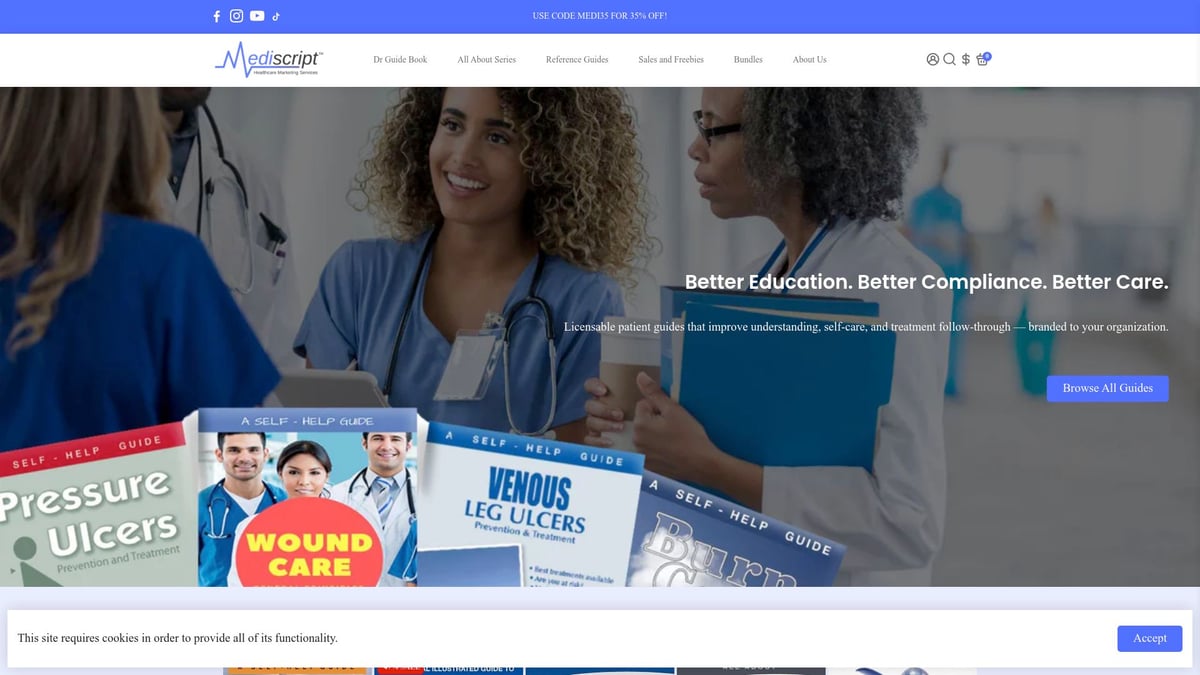
Used by clinics and pharmacies worldwide, these guides feature visual aids and interactive elements for patients, caregivers, and providers. Digital access allows seamless integration into patient education and compliance workflows, supporting better outcomes and self-care.
Measuring and Sustaining Patient Compliance Improvements
Accurately measuring and sustaining patient compliance is essential for long-term healthcare success. Providers must combine data-driven insights, quality initiatives, and ongoing feedback to maintain improvements. By focusing on practical metrics and continuous adaptation, organizations can ensure patient compliance remains high and outcomes continue to improve.
Key Metrics and Measurement Tools
To track patient compliance effectively, providers use a combination of quantitative and qualitative tools. Common metrics include medication refill rates, appointment attendance, and self-reported adherence surveys. Digital monitoring tools and pharmacy refill data provide objective insights into patient compliance patterns.
A growing number of clinics now leverage digital platforms and AI-driven messaging solutions, such as those highlighted in PAME-AI: Enhancing Patient Messaging with AI, to collect real-time patient feedback and improve communication. These technologies support accurate measurement and early intervention.
Measurement tools include:
- Electronic health record analytics
- Mobile adherence tracking apps
- Patient self-report questionnaires
- Pharmacy refill data
Consistent use of these tools ensures organizations can identify gaps and prioritize improvement.
Quality Improvement Initiatives
Sustaining high levels of patient compliance requires structured quality improvement projects. Many healthcare teams use the Plan Do Study Act (PDSA) cycle to continuously refine their strategies. These cycles help turn data insights into actionable changes, fostering a culture of accountability.
Incorporating best practices from external standards, such as the National Patient Safety Goals 2025, provides an evidence-based framework for improvement. These guidelines emphasize patient compliance as a key component of safety.
Key quality initiatives:
- Staff training in compliance strategies
- Regular review of compliance data
- Departmental compliance champions
- Sharing success stories across teams
Embedding these elements into daily routines sustains progress and motivates teams.
Patient Feedback and Experience
Listening to patients is fundamental for maintaining patient compliance improvements. Collecting satisfaction surveys and conducting interviews uncovers barriers and identifies opportunities for better engagement. Patient stories and feedback should inform all education and support efforts.
Providers increasingly use digital tools, like online surveys and secure messaging, to streamline feedback collection. These channels make it easier to act on real concerns and tailor interventions to individual needs.
Patient-centered feedback strategies:
- Short, frequent satisfaction surveys
- Focus groups with diverse patient populations
- Open-ended interviews for in-depth insights
Incorporating patient perspectives strengthens trust and drives sustained compliance.
Adapting Strategies for Long-Term Success
The landscape of patient compliance is always evolving. Staying current with new technologies, regulatory changes, and patient needs is vital for long-term results. Providers should update educational materials, training programs, and digital tools regularly.
Flexibility allows organizations to pivot quickly as challenges arise. Annual reviews of compliance strategies and benchmarks against national standards ensure interventions remain effective.
Best practices for adaptation:
- Annual updates of digital tools and educational content
- Ongoing staff training and workshops
- Monitoring regulatory updates and integrating them into workflows
This commitment to continuous improvement ensures patient compliance remains a central focus for years to come.