


In 2025, healthcare professionals face new challenges every day, making the right clinical tools essential for success. As the pace of innovation accelerates, clinicians, administrators, and educators need resources that keep them ahead. This guide examines the clinical tools shaping the future of care, from digital platforms to evidence-based references and patient education materials. Discover how integrating these solutions can improve outcomes, boost efficiency, and ensure compliance. Ready to transform your practice? Explore the latest advancements and practical strategies for adopting clinical tools that will define healthcare in 2025.
The Evolving Role of Clinical Tools in Healthcare
The healthcare landscape is experiencing a transformation, and clinical tools are at the heart of this change. In 2025, clinical teams rely on an expanded toolkit that goes far beyond traditional instruments. These tools are now digital, physical, reference-based, and educational, shaping every facet of patient care.

Defining Clinical Tools: Scope and Categories
Clinical tools in 2025 encompass a broad range of resources. These include electronic health records (EHRs), drug interaction databases, decision support applications, patient education materials, and procedural videos. Each category serves a unique purpose:
- Diagnostic tools: Apps for symptom analysis, imaging platforms, and lab result integrations.
- Treatment tools: Drug databases, dosage calculators, and therapy guidelines.
- Patient education tools: Interactive guides, instructional videos, and language-specific handouts.
- Workflow management tools: EHRs and scheduling systems.
A recent report found that over 80% of US hospitals now use digital clinical tools, highlighting their importance across the care continuum. Seamless interoperability is critical, allowing these tools to communicate within existing systems. This shift from paper-based charts to digital-first resources has improved efficiency and reduced errors.
Multidisciplinary teams, including physicians, nurses, pharmacists, and allied health professionals, benefit from integrated clinical tools. By providing real-time access to evidence and protocols, these resources enable consistent, high-quality care. Comprehensive toolkits are no longer optional—they are essential for delivering optimal patient outcomes. For more on integrating best practices, see Clinical Care Best Practices.
Why 2025 Is a Pivotal Year for Clinical Tools
Several factors make 2025 a turning point for clinical tools. Regulatory bodies have introduced new digital health mandates, requiring robust documentation and interoperability. The post-pandemic surge in telehealth and remote monitoring has accelerated adoption of digital solutions.
Artificial intelligence and machine learning are increasingly embedded in daily workflows, offering predictive analytics for diagnosis and risk assessment. Mobile apps for point-of-care decision support have become standard, ensuring clinicians have evidence-based guidance at their fingertips.
Data from a recent AMA survey shows that 65% of clinicians report increased reliance on digital clinical tools since 2020. The demand for patient-centered care and shared decision-making is also on the rise, driving the need for tools that empower both clinicians and patients.
Staying current with evidence-based resources is more challenging than ever, yet it remains crucial for safe and effective practice. Clinical tools are evolving to meet these demands, ensuring healthcare professionals can adapt quickly to new standards and technologies.
Digital Clinical Tools and Decision Support Systems
Digital clinical tools are now at the heart of modern healthcare, transforming how clinicians access information, make decisions, and deliver care. In 2025, these tools are no longer optional extras but essential assets that directly impact patient outcomes, safety, and workflow efficiency. With rapid advancements in technology, clinical tools are more integrated, accessible, and powerful than ever before, supporting healthcare professionals at every stage of patient care.

Leading Clinical Databases and Knowledge Platforms
Access to reliable, up-to-date information is the cornerstone of effective clinical tools. In 2025, platforms like UpToDate, DynaMed, ClinicalKey, and the Cochrane Library stand out for their comprehensive coverage and integration capabilities. These knowledge resources offer real-time updates, mobile access, and seamless integration with electronic health records, ensuring clinicians have the latest evidence at their fingertips.
| Platform | Key Features | User Base (2025) |
|---|---|---|
| UpToDate | Real-time updates, EHR integration, mobile app | 2+ million clinicians |
| DynaMed | Evidence summaries, guideline integration, offline access | Extensive global reach |
| ClinicalKey | Full-text resources, multimedia, specialty content | Major hospitals worldwide |
| Cochrane Library | Systematic reviews, unbiased recommendations | Academic and clinical settings |
The use of these digital clinical tools has been shown to reduce diagnostic errors by 15%. Clinicians rely on them for rapid evidence retrieval, clinical guideline adherence, and informed decision-making. Over 80% of US hospitals now utilize digital platforms, highlighting the transition from paper-based systems to digital-first solutions. Comprehensive clinical tools not only streamline workflows but also enhance collaboration across multidisciplinary teams.
Mobile Apps and Point-of-Care Tools
Mobile technology has revolutionized access to clinical tools, making vital information available anytime and anywhere. Smartphones and tablets are now indispensable in clinical settings, with apps like VisualDx, Lexidrug, and Micromedex leading the way. These applications provide offline access, patient calculators, interactive guidelines, and drug interaction checkers.
Key features of top mobile clinical tools include:
- Fast, intuitive search capabilities
- Integration with institutional protocols
- Secure, HIPAA-compliant data handling
- Customizable calculators and alerts
A recent survey from Duke University Medical Library found that 72% of clinicians regularly use mobile apps as part of their clinical tools arsenal. This surge reflects the growing demand for point-of-care solutions that boost efficiency and accuracy. Security and compliance remain top priorities, with institutions carefully vetting apps to ensure patient data protection. Mobile clinical tools bridge the gap between knowledge and practice, supporting clinicians in real time.
AI-Driven Clinical Decision Support
Artificial intelligence is rapidly reshaping the landscape of clinical tools. AI-powered systems now assist with diagnostics, risk assessments, and workflow automation. For example, AI can interpret ECGs, predict patient deterioration, and recommend personalized treatment pathways. These tools augment clinical judgment, offering insights that can improve diagnostic accuracy by up to 20%.
Despite these advances, challenges remain. Clinicians must address issues like algorithm explainability, potential bias, and rigorous validation before widespread adoption. However, the potential of AI-driven clinical tools is undeniable. Recent breakthroughs reveal that AI models can even outperform experienced physicians in certain diagnostic scenarios. For instance, Microsoft's AI Outperforms Doctors in Diagnosing Diseases underscores how AI is setting new standards for accuracy and reliability in healthcare.
AI-based clinical tools are transforming daily practice, but it is essential to maintain a balance between technological innovation and human expertise. As these tools continue to evolve, clinicians who embrace AI will be better equipped to deliver safe, effective, and efficient care.
Evidence-Based Medicine Resources and Guidelines
Access to robust evidence-based medicine resources is a cornerstone of effective clinical tools in 2025. These resources empower clinicians to make decisions grounded in the most current science, supporting the delivery of safe, high-quality patient care. As healthcare evolves, the integration of evidence-based information into daily workflows becomes even more vital.
Core Evidence-Based Databases
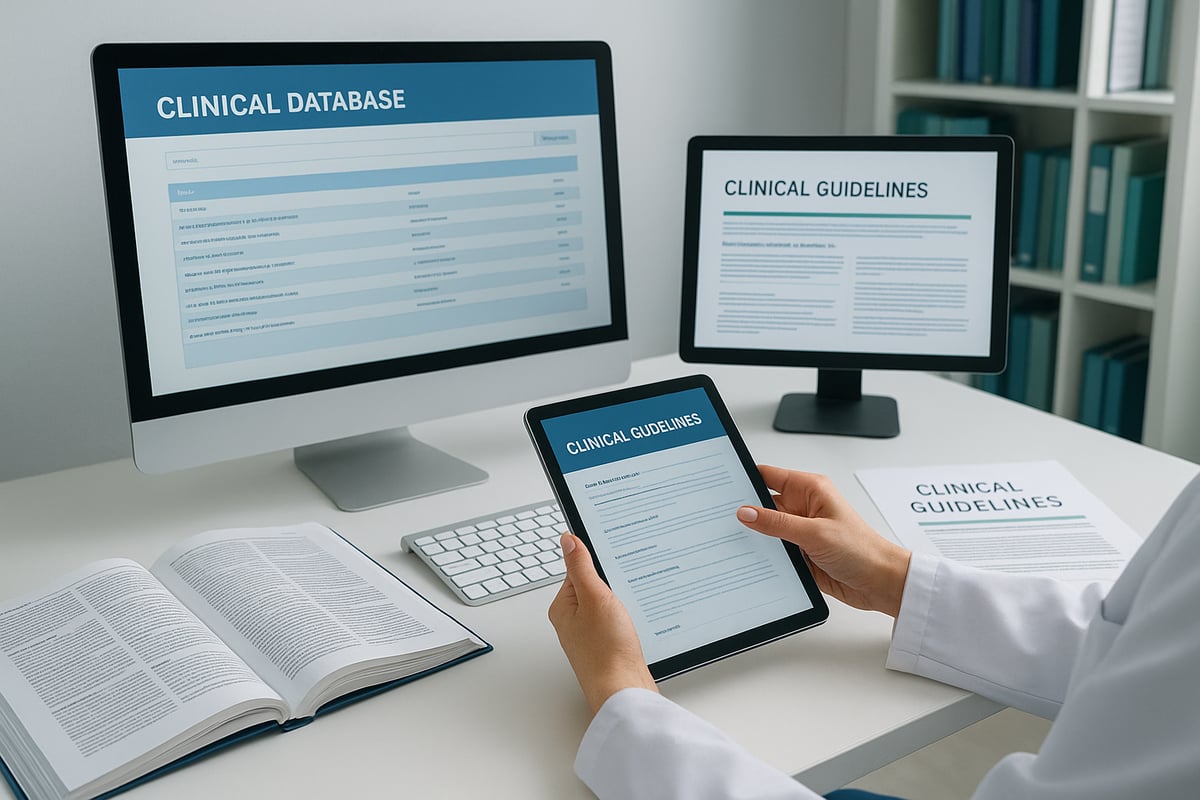
Clinicians rely on a variety of core databases as foundational clinical tools for research, guideline development, and informed practice. Key platforms include PubMed, Embase, CINAHL, Scopus, and Web of Science. These databases collectively index millions of medical articles, systematic reviews, and clinical studies, ensuring practitioners have direct access to the latest evidence.
For example, PubMed alone indexed over 35 million citations by 2025. Such comprehensive resources are crucial for literature reviews and underpinning clinical guidelines. Academic medical centers recognize this value, with 90% providing institutional access to these databases for their staff.
When selecting clinical tools, it is essential to prioritize those that offer seamless integration with these databases. This access supports real-time information retrieval, up-to-date patient care, and informed decision-making at every stage of the care continuum.
Clinical Practice Guidelines and Protocols
Standardized guidelines and protocols form the backbone of evidence-based clinical tools. Trusted sources such as ACP Journal Club, JAMAevidence, TRIP Database, and NEJM Evidence provide rigorously developed protocols that help ensure consistency, safety, and quality in patient care.
The Cochrane Library is a widely respected example, offering systematic reviews that inform unbiased, high-impact recommendations. Increasingly, these guidelines are designed with end-users in mind, providing not only clinician-facing protocols but also patient summaries and decision aids to facilitate shared decision-making.
Integrating clinical tools that incorporate up-to-date guidelines helps clinicians stay aligned with best practices. This approach reduces variation in care, enhances compliance, and supports superior patient outcomes across diverse healthcare settings.
Integrating Evidence into Daily Practice
The true strength of clinical tools lies in their ability to bring evidence to the point of care. Rapid guideline retrieval is made possible through embedded links in EHRs or clinical apps, enabling clinicians to access recommendations without workflow disruption. Tools such as critical appraisal worksheets and decision aids further support the application of research findings in real time.
Adopting advanced solutions, such as those described in the Retrieval-Augmented Framework for LLM-Based Clinical Decision Support, can help bridge the gap between complex data and actionable insights. These frameworks leverage artificial intelligence to enhance the precision and efficiency of evidence integration.
However, challenges remain. Frequent updates, conflicting recommendations, and the sheer volume of new literature require clinical tools that are intuitive, reliable, and continuously updated. By prioritizing evidence-based integration, healthcare teams can maintain high standards of care while adapting to ongoing advancements.
Patient Education and Engagement Tools
In 2025, patient education is a cornerstone of effective clinical tools, reshaping how healthcare professionals guide, inform, and empower individuals. As the drive for shared decision-making increases, the need for clear, accessible resources becomes central to clinical success. Patients today expect more than instructions; they seek understanding and partnership in their care.
The Growing Importance of Patient-Facing Resources
The rise of patient-centered care has placed education and engagement tools at the heart of modern clinical tools. These resources help bridge the gap between medical expertise and patient understanding, making complex information accessible to all.
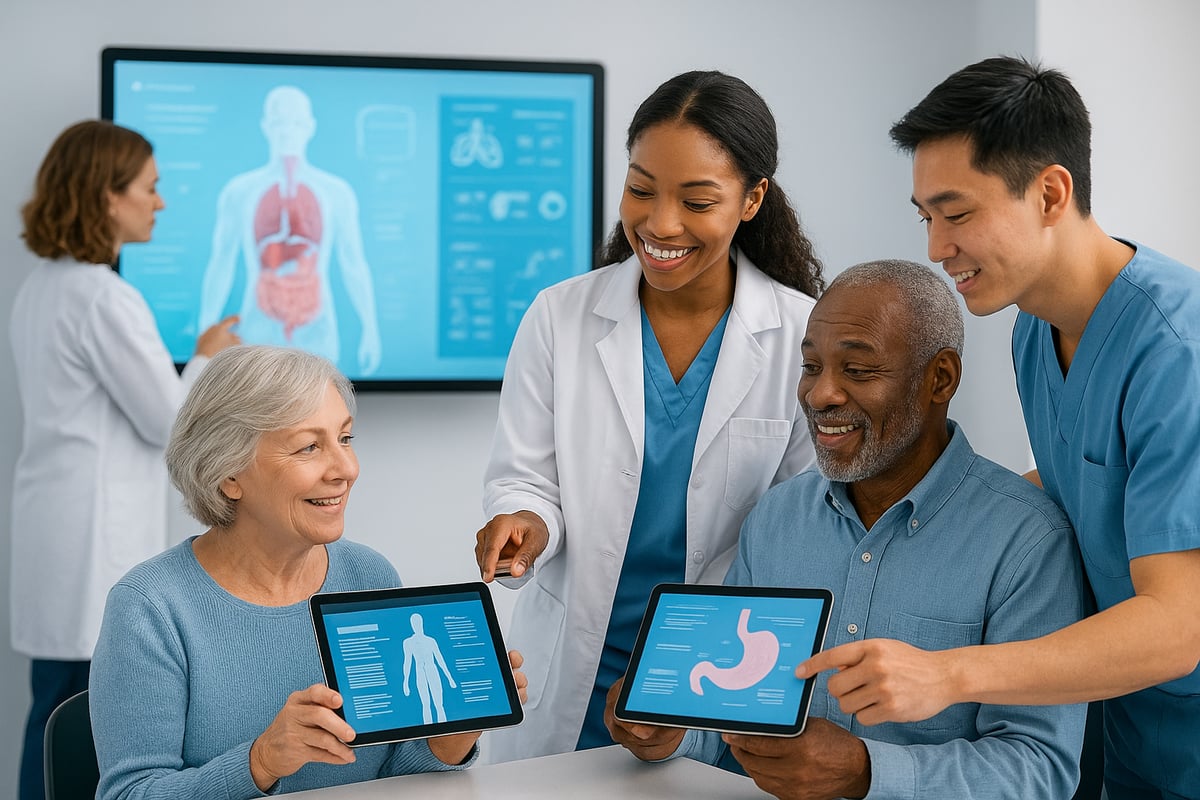
Research shows that patient education can improve treatment compliance by up to 40 percent, directly influencing outcomes and reducing hospital readmissions. Interactive guides, instructional videos, and mobile apps are now standard in many clinical environments, offering a range of learning styles and literacy levels.
For those seeking practical strategies to enhance engagement, the Health Education Material Guide offers insights into designing and selecting effective patient-facing clinical tools. Empowered patients are more likely to participate in their care, ask informed questions, and follow through with recommended plans.
Types of Patient Education Tools
Clinical tools for patient education now span digital, print, and multimedia formats, each catering to different preferences and settings.
- Digital: Ebooks, interactive mobile apps, and secure online portals (such as MedlinePlus) allow patients to access information anytime.
- Print: Brochures, posters, and take-home checklists remain vital for clinics and waiting rooms, especially for those less comfortable with technology.
- Multimedia: Animated explainers, procedural videos, and visual aids help clarify complex topics, supporting chronic disease management and preventive care.
By offering a variety of clinical tools, healthcare providers can meet diverse patient needs and learning styles, promoting better understanding and engagement.
Customization and Accessibility
Customization and accessibility are essential features of modern clinical tools. Patients come from varied cultural, linguistic, and educational backgrounds, making tailored resources critical for effective communication.
Institutions increasingly invest in branding, interactive checklists, and quizzes to personalize the patient experience. Digital resources can be adapted for language and cultural relevance, while accessibility features, such as larger text sizes and screen reader compatibility, support those with disabilities or limited digital literacy.
According to Pew Research, 55 percent of patients now prefer digital resources over paper, a trend that highlights the shifting expectations for clinical tools. Ensuring materials are both customizable and accessible ensures no patient is left behind, supporting equitable care for all.
Integrating Clinical Tools into Healthcare Workflows
Integrating clinical tools into healthcare workflows is pivotal for modern care delivery. With the rapid evolution of technology, seamless adoption of these resources ensures clinicians can provide accurate, timely, and patient-centered care. Successful integration not only streamlines processes but also supports better outcomes for both patients and providers.
Strategies for Seamless Integration
To maximize the benefits of clinical tools, organizations need clear strategies for merging them into daily routines. Linking drug interaction checkers directly within prescribing modules or embedding evidence-based guidelines into EHRs are effective ways to reduce extra steps for clinicians.
Best practices include:
- Choosing tools with robust interoperability features.
- Prioritizing integration with existing EHRs and mobile platforms.
- Involving end users in workflow design to ensure practicality.
Ongoing staff training and technical support are essential for adoption. According to recent data, effective integration of clinical tools can reduce workflow interruptions by 30%. This improvement directly impacts patient safety and provider satisfaction. For more on aligning tools with improved care, see Improving Patient Care Strategies.
Overcoming Common Barriers
Despite the promise of clinical tools, organizations often face technical and human challenges. Technical obstacles include interoperability issues, legacy systems, and data silos that hinder smooth data flow. Human factors, such as resistance to change or insufficient training, can also slow adoption.
Addressing alert fatigue is critical, especially when integrating decision support systems. Strategies to overcome these barriers include:
- Phased rollouts with pilot testing.
- Continuous user feedback loops.
- Comprehensive training tailored to clinical roles.
Insights from recent studies, such as Problems and Barriers in AI-Based Clinical Decision Support Systems, highlight the importance of validation and user-centered design. Change management efforts and transparent communication are vital to building trust in new clinical tools.
Measuring Impact and ROI
Demonstrating the value of clinical tools is crucial for sustained investment. Key performance indicators (KPIs) include reductions in medication errors, improved patient outcomes, and time savings for staff. For example, a hospital that integrated medication safety checks into its workflow saw a 25% drop in error rates.
Hospitals investing in integration typically achieve an average ROI of 150% within two years. Regular data analysis helps organizations identify gaps and refine tool usage. Continuous evaluation ensures clinical tools remain effective and relevant as workflows evolve.
To summarize impact, consider this table:
| KPI | Pre-Integration | Post-Integration |
|---|---|---|
| Medication Error Rate (%) | 5.0 | 3.75 |
| Workflow Interruptions | High | Reduced by 30% |
| ROI (%) | N/A | 150% (2 years) |
Ensuring Security and Compliance
Security and compliance are non-negotiable when integrating clinical tools. Healthcare organizations must adhere to HIPAA, GDPR, and other regional regulations. Regular audits, robust encryption, and secure access controls are mandatory to protect patient data.
Institutions should also use secure messaging apps and encrypted communication platforms for clinical collaboration. Training staff on privacy protocols and conducting periodic security assessments further strengthens compliance. Ultimately, a strong security framework fosters trust in clinical tools and safeguards sensitive information.
The Future of Clinical Tools: Trends and Innovations for 2025 and Beyond
The landscape of clinical tools is undergoing rapid transformation as 2025 approaches. Healthcare organizations are embracing new technologies that promise to reshape diagnostics, patient management, and care delivery. These innovations are not only enhancing clinical workflows but also setting new standards for patient care.
Emerging Technologies in Clinical Practice
In 2025, artificial intelligence and machine learning are at the forefront of clinical tools, driving breakthroughs in personalized medicine and predictive analytics. AI-powered solutions are enabling earlier disease detection and more precise risk assessments. Virtual and augmented reality are now widely used for training clinicians and enhancing remote consultations.
Wearable devices and remote monitoring have become integral components of care. These tools collect real-time data, which is seamlessly integrated with clinical decision systems. Regulatory bodies are also adopting advanced technologies; for example, the FDA recently launched an AI tool to expedite scientific reviews, signaling a shift toward digital-first evaluation standards.
Data Interoperability and Open Access
Data interoperability is a cornerstone for the future of clinical tools. Open standards and robust APIs are being adopted to facilitate seamless data exchange across healthcare systems. Initiatives like FHIR (Fast Healthcare Interoperability Resources) are making it easier to connect disparate platforms and enable real-time sharing of patient information.
This push for interoperability not only improves care coordination but also supports research and innovation. By allowing clinical tools to communicate efficiently, providers can reduce duplication, streamline workflows, and ensure that critical insights are always accessible at the point of care.
| Standard/Technology | Purpose | Impact on Clinical Tools |
|---|---|---|
| FHIR | Data exchange | Enhances interoperability |
| APIs | Integration | Enables real-time access |
| Open Access | Research | Supports evidence-based care |
The Expanding Role of Patient-Generated Data
Patient-generated data is shaping the next generation of clinical tools. Devices such as smartwatches, glucose monitors, and home blood pressure cuffs now feed data directly into electronic health records. This integration enables clinicians to develop more personalized care plans and monitor patients remotely.
With the rise of remote monitoring, patients are now active contributors to their health data. Clinical tools are evolving to interpret and act on this influx of information, supporting proactive interventions and reducing hospital readmissions. The trend reflects a broader movement toward patient-centered care and continuous health management.
Preparing for Continuous Change
The rapid evolution of clinical tools requires ongoing education and adaptability from healthcare professionals. Institutions are investing heavily in digital literacy programs and supporting staff as they adopt new technologies. In fact, 80% of healthcare organizations plan to increase their investment in digital tools by 2026.
Flexibility is crucial as innovations continue to emerge. Organizations that prioritize continuous learning and upskilling are better positioned to leverage the full potential of clinical tools. By fostering a culture of adaptability, healthcare teams can ensure they remain at the forefront of patient care and technology integration.