


The future of healthcare is rapidly changing, and knowing how to take care patient effectively is more important than ever. Whether you are at home or in a clinical setting, new standards and challenges demand up-to-date knowledge.
This essential guide provides practical tips for caregivers and healthcare professionals to promote patient safety, recovery, and well-being in 2025. Inside, you will find the latest principles, step-by-step routines, communication strategies, and technology solutions.
Ready to elevate your caregiving skills? Explore expert insights and start making a difference in patient care today.
Understanding the Foundations of Patient Care
The way we take care patient has transformed rapidly as we enter 2025. Care is now provided by a mix of family members, healthcare professionals, and dedicated volunteers. With more patients preferring home recovery—70 percent according to WHO—there is a notable shift toward home-based care and remote monitoring.
Caregivers today face new challenges. Training and ongoing support are essential for those who take care patient, whether in the home or clinic. Virtual caregiver support groups are rising, offering real-time advice and community. Studies show that well-trained caregivers significantly improve outcomes, making education and collaboration vital. For more on best practices and innovations, see Improving patient care strategies.
The Evolving Role of Caregivers in 2025
In 2025, those who take care patient include not just medical staff, but also family and community volunteers. The trend toward home-based care is stronger than ever, with remote technology making it possible to monitor patients outside the hospital. Caregiver training is crucial—virtual support groups now connect caregivers globally, providing knowledge and emotional backup.
Seventy percent of patients prefer to recover at home after the pandemic, showing a major cultural shift. Ultimately, when caregivers are well-trained and supported, patient outcomes improve dramatically.
Core Principles of Compassionate Patient Care
Empathy and dignity remain at the heart of how we take care patient. Every patient deserves respect for their autonomy and personal choices. Active listening and clear communication are key, enabling caregivers to build trust and respond to needs effectively.
Personalized care plans should reflect the patient’s unique preferences and life story. Compassion in care not only reduces anxiety but also speeds up recovery. When you take care patient with understanding and respect, healing happens faster and more comfortably.
Legal and Ethical Responsibilities
Those who take care patient must understand legal and ethical duties. Obtaining informed consent, respecting patient rights, and protecting confidentiality are all non-negotiable. Caregivers must also consider cultural and religious backgrounds, especially when handling sensitive topics like end-of-life care.
A well-known fact: 90 percent of healthcare errors stem from poor communication, according to the CDC. Clear, honest communication is essential to ethical care. Always approach each patient with awareness of their rights and preferences.
Building a Patient-Centered Care Environment
Creating a safe and healing space is a core part of how we take care patient. The environment should be accessible and adjusted for mobility, sensory, or cognitive needs. Simple modifications, such as installing grab bars or rearranging furniture, can prevent falls and make daily routines smoother.
Family and social support are equally important. Home modifications for fall prevention and social engagement help patients recover faster. The right environment directly impacts both comfort and healing, empowering caregivers to take care patient with confidence.
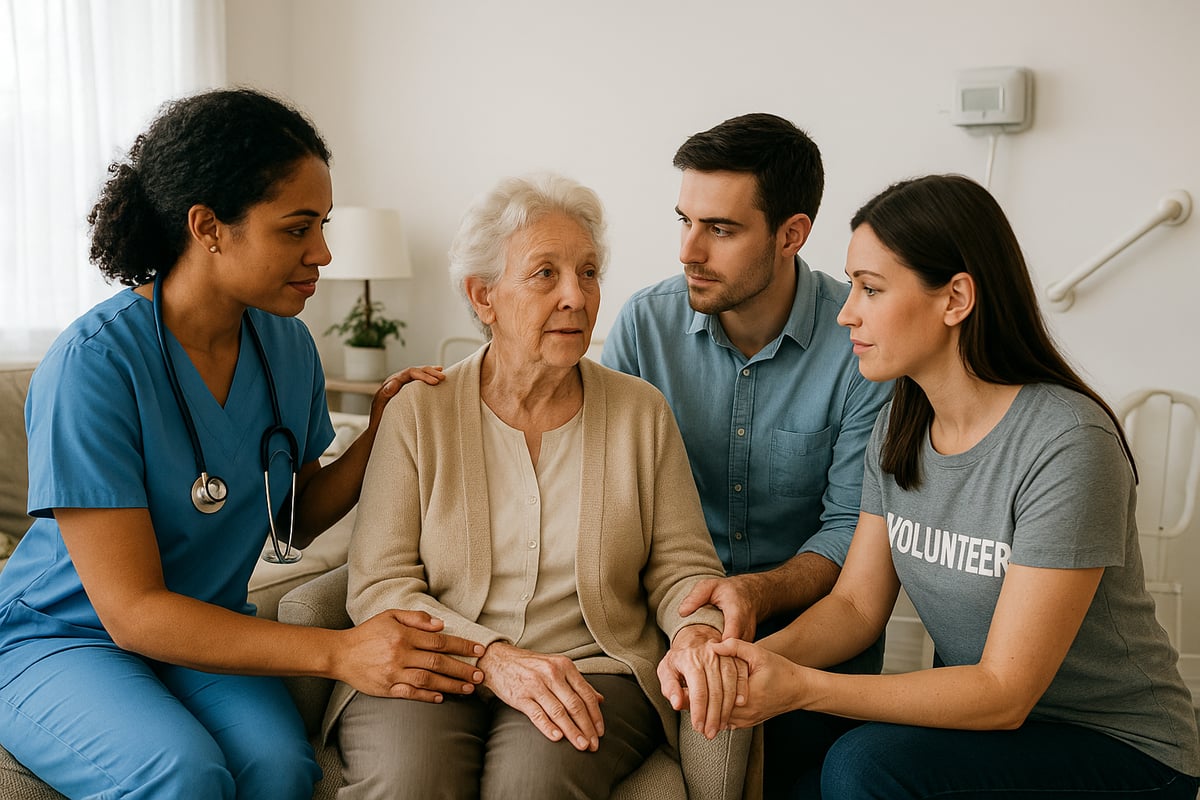
Step-by-Step Patient Care Routine: Daily Best Practices for 2025
Caring for someone in 2025 requires a blend of compassion, precision, and adaptability. Whether you are a family member or a professional, knowing how to take care patient every day is essential for safety, comfort, and recovery. This daily routine breaks down best practices into manageable steps for optimal results.
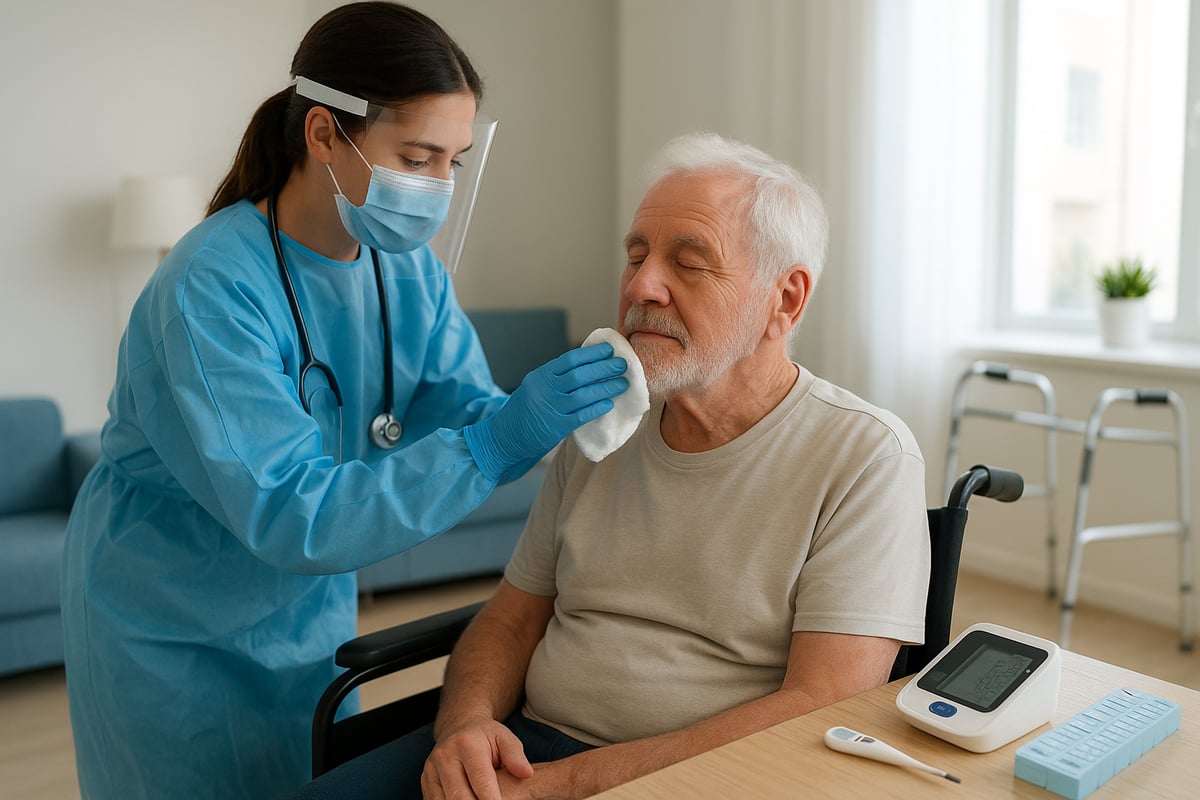
Hygiene and Personal Care
Maintaining excellent hygiene is a cornerstone of how to take care patient effectively. Daily routines should include bathing, oral care, and grooming, tailored to the individual’s needs and mobility.
Essential steps:
- Wash hands before and after contact, using soap or sanitizer.
- Assist with bathing, using gentle cleansers and warm water.
- Provide oral care twice daily, including brushing and mouthwash.
- Groom hair and nails regularly.
- Use disposable gloves and PPE when necessary.
Proper hygiene can reduce infection risk by 50% (CDC). For more in-depth routines and tips, explore Patient instructions and guidance. Consistency in these steps helps patients feel dignified and comfortable throughout the day.
Nutrition and Hydration Management
A balanced diet and adequate hydration are vital when you take care patient at home or in a clinic. Assess dietary restrictions, allergies, and preferences before preparing meals.
- Plan meals that align with medical requirements, such as low-sugar options for diabetics.
- Monitor fluid intake, aiming for at least eight cups of water daily unless restricted.
- Watch for signs of dehydration, like dry mouth or confusion.
- Offer small, frequent meals if the patient has a poor appetite.
Nutrition directly affects the speed and quality of recovery. Use simple trackers to log intake and adjust plans as needed.
Medication Administration and Safety
Medication errors are common, so it’s critical to take care patient with a clear, organized process. Create a daily schedule and use reminders.
Best practices:
| Step | Tool/Tip |
|---|---|
| Organize medications | Pill organizer, color coding |
| Set reminders | Alarm, app, or written chart |
| Double-check doses | Cross-reference with list |
| Watch for allergies | Keep updated allergy record |
| Store safely | Lockbox, away from children |
One in three seniors makes a medication error annually (FDA), so vigilance is key.
Mobility Assistance and Physical Activity
Supporting movement is crucial as you take care patient, especially for those with limited mobility. Safe handling prevents injuries for both patient and caregiver.
- Use proper lifting techniques or assistive devices like walkers and rails.
- Encourage prescribed physical activity, even if just gentle stretching.
- Rearrange furniture to allow safe, clear pathways.
- Watch for dizziness or fatigue during movement.
Regular activity helps maintain muscle strength and boosts morale, contributing to overall well-being.
Monitoring Vital Signs and Symptoms
Daily monitoring allows you to take care patient proactively, catching issues early. Use user-friendly devices for temperature, pulse, blood pressure, and oxygen saturation.
- Record readings at the same times each day.
- Share logs with healthcare providers, especially if using remote monitoring.
- Look for changes like fever, difficulty breathing, or swelling.
- Keep a symptom diary for patterns or trends.
Remote monitoring can reduce hospital readmissions by 30% (JAMA, 2024).
Emotional and Mental Health Support
Physical health is only part of the equation when you take care patient. Emotional and mental well-being are equally important.
- Engage in conversation or favorite activities to reduce loneliness.
- Watch for signs of depression, anxiety, or confusion.
- Arrange virtual visits with friends or support groups.
- Encourage hobbies, music, or games to stimulate the mind.
Addressing mental health needs can improve recovery and overall quality of life.
Infection Control and Safety Protocols
Effective infection control is vital as you take care patient, particularly with contagious illnesses. Isolate sick individuals, clean surfaces daily, and use PPE appropriately.
- Disinfect shared spaces with a chlorine solution (1:99 ratio).
- Dispose of medical waste and single-use PPE in dedicated bins.
- Limit visitors and maintain ventilation in rooms.
- Teach everyone handwashing and cough etiquette.
Surface disinfection alone can reduce transmission by 40% (WHO, 2022), making these steps indispensable for safe care.
Communication and Collaboration with Healthcare Teams
Effective communication and teamwork are foundational when you take care patient in 2025. As care grows more complex, clear information exchange and collaboration with healthcare teams become essential for safe, coordinated care. According to Envisioning Patient Safety in 2025, evolving standards call for transparent, patient-centered communication at every step.
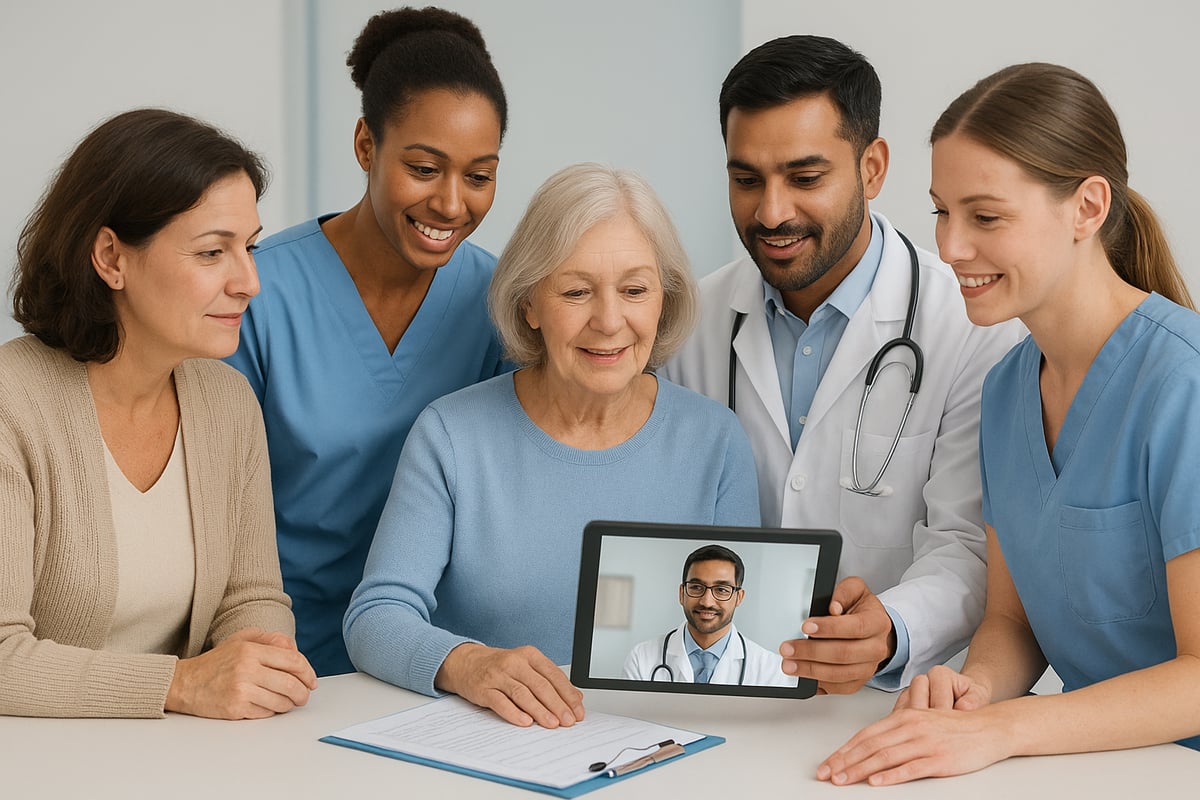
Establishing Effective Communication Channels
To successfully take care patient, caregivers must set up regular communication with doctors, nurses, and specialists. Weekly virtual check-ins and secure messaging platforms streamline updates and allow quick responses to changes in the patient’s condition. Including family in these updates not only builds trust but also empowers everyone involved.
When everyone is informed, misunderstandings and errors are less likely. Transparency in communication is the key to preventing mistakes and ensuring each patient receives the best possible care. Consider scheduling video calls for care reviews and using group chats for ongoing questions or updates.
Documenting and Sharing Patient Information
Accurate documentation is vital whenever you take care patient, especially in home or outpatient settings. Maintain detailed care logs, medication records, and symptom updates using digital health records or mobile apps. These tools help caregivers share crucial information promptly with healthcare professionals.
For example, use symptom tracking apps that alert the care team to new issues in real time. This proactive approach reduces the risk of information loss by up to 60 percent, helping maintain continuity of care. Consistency in record-keeping also reassures families and providers alike.
Navigating Emergencies and When to Seek Help
Part of learning how to take care patient includes being prepared for emergencies. Recognize warning signs like sudden breathing problems, chest pain, or confusion. Keep an updated emergency contact list and a clear action plan posted in the home.
Assign roles for each family member or caregiver in case of urgent situations. Hospital transfer preparations—such as packed bags and accessible medical records—can save precious time. Clear signage for emergency procedures fosters confidence and ensures everyone knows what to do if a crisis arises.
Building a Collaborative Care Network
A multidisciplinary approach is crucial when you take care patient with complex needs. Build a network that includes pharmacists, physical therapists, social workers, and nutritionists. Each professional brings unique expertise that enhances patient outcomes.
Here’s a quick overview of key roles:
| Professional | Contribution |
|---|---|
| Pharmacist | Medication management |
| Therapist | Physical/mental rehab |
| Social Worker | Support services, advocacy |
| Nutritionist | Specialized meal planning |
Leverage community resources and support groups to round out your care network. Multidisciplinary collaboration increases patient and caregiver satisfaction, and leads to better recovery results.
Integrating Technology and Smart Tools in Patient Care
Modern technology is transforming how we take care patient needs in 2025. Smart tools, digital platforms, and connected devices offer practical solutions for both home and clinical care. By embracing these innovations, caregivers can improve patient safety, comfort, and outcomes.
Telehealth and Remote Monitoring Solutions
Telehealth has redefined how we take care patient needs, making remote consultations and health monitoring accessible from virtually anywhere. Setting up video visits and using wearable devices, such as smartwatches that track heart rate and oxygen, allow for real-time updates to healthcare teams.
According to the National Healthcare at Home 2025 Study, remote monitoring has led to a significant increase in care quality and patient satisfaction. Caregivers can now share daily logs and vital signs instantly, helping detect issues early.
For anyone looking to take care patient responsibilities seriously, telehealth bridges gaps between home and professional care, ensuring timely support and expert input.
Mobile Apps and Medication Management Tools
Digital apps have become essential for those who take care patient medication routines. These tools send reminders for pills and appointments, reducing the risk of missed doses or scheduling errors.
Popular features include:
- Customizable medication alarms
- Health diary entries for symptom tracking
- Alerts for caregivers if a dose is skipped
With these apps, you can take care patient needs more efficiently, automate daily tasks, and minimize stress. Built-in trackers and reporting features also enable better communication with healthcare teams, supporting continuity of care.
Home Medical Devices for 2025
User-friendly medical devices are now central to how we take care patient health at home. Devices such as Bluetooth-enabled blood pressure monitors, glucometers, and pulse oximeters sync seamlessly with smartphones or doctor dashboards.
A quick comparison:
| Device | Key Feature | Benefit |
|---|---|---|
| BP Monitor | Bluetooth sync | Accurate, instant sharing |
| Glucometer | App integration | Easy tracking for diabetes |
| Pulse Oximeter | Real-time alerts | Early warning for low oxygen |
These advancements help caregivers take care patient needs proactively, ensuring accurate monitoring and timely intervention.
Ensuring Data Privacy and Security
As you take care patient information through digital platforms, protecting privacy is paramount. Choose HIPAA-compliant apps and encrypted messaging for all communications.
Practical steps include:
- Using secure portals for sharing lab results
- Setting strong passwords on all devices
- Regularly updating software to prevent breaches
Maintaining data security not only builds trust but also ensures compliance with regulations. For anyone who takes their role to take care patient seriously, safeguarding sensitive information must remain a top priority.
Creating a Safe and Healing Home Environment
A safe and healing home is essential when you take care patient in 2025. The right environment not only prevents complications but also supports faster recovery and emotional well-being. Let us explore the most important steps to transform any living space into a sanctuary for healing.
Infection Prevention and Control at Home
Preventing infection is a core responsibility when you take care patient at home. Isolate sick individuals in well-ventilated rooms and limit unnecessary visitors. Assign just one healthy caregiver per patient to reduce exposure.
Daily disinfection routines are vital. Clean surfaces with a bleach solution (1:99 ratio), focusing on high-touch areas like doorknobs and bed rails. Practice strict hand hygiene before and after contact, and always use gloves and masks when needed.
For detailed strategies and practical checklists, explore the Infection control in patient care guide. Proper home isolation and infection control can reduce secondary infections by 70 percent, making every effort count.
Adapting the Home for Accessibility and Comfort
A healing environment means adapting spaces to take care patient safely and comfortably. Install grab bars in bathrooms, use ramps for wheelchairs, and add non-slip mats to prevent falls. Rearranging furniture can minimize movement and reduce accident risk.
Adjust lighting to improve visibility, especially for those with mobility or vision challenges. Keep essential items within easy reach and ensure pathways are clear of obstacles. Even small changes, such as lowering shelves or adding seat risers, can make a significant difference.
Family involvement is key, so encourage loved ones to participate in modifications. These adjustments help patients feel secure and valued throughout their recovery.
Safe Handling of Medical Waste and Laundry
Proper waste management is crucial when you take care patient at home. Always wear gloves and protective clothing when handling contaminated items. Separate medical waste, such as used bandages or sharps, into designated bins with secure lids.
Wash linens and clothing at 60 to 90 degrees Celsius, and avoid shaking dirty laundry to prevent the spread of germs. Dispose of single-use PPE immediately after use, following local health guidelines.
Clearly label waste bins and store them away from living areas. These steps safeguard both patient and caregiver, reducing the risk of accidental exposure or infection.
Healthy Air and Ventilation Practices
Good air quality supports healing when you take care patient in any setting. Open windows daily to promote airflow, and use air purifiers or filters if needed. Monitor room temperature and humidity to ensure comfort, especially for those with respiratory conditions.
Ventilated rooms are especially important for patients with contagious illnesses. Place beds near windows when possible, and avoid overcrowding spaces. Regularly check and maintain ventilation systems to ensure optimal performance.
Research shows that proper ventilation can reduce the spread of airborne pathogens by 30 percent, making it a simple but powerful tool for patient safety.
Supporting Caregivers: Resources, Self-Care, and Training
Caregivers are the backbone of patient well-being, yet their own support is vital to consistently take care patient in 2025. Access to high-quality resources, training, and community connections strengthens both confidence and competence. This section provides practical tools and guidance for those who take care patient, helping ensure sustainable, effective care.
Accessing Training and Educational Materials
Continuous learning is essential for anyone who wants to take care patient safely and effectively. Today, caregivers have access to a range of online courses, certification programs, and hands-on workshops. Resources like the Elder care essentials collection provide up-to-date, practical guides tailored to elder care and chronic conditions. Interactive virtual simulations also prepare caregivers for emergency scenarios, making it easier to respond with confidence. By investing in training, caregivers gain the skills and assurance needed to take care patient at home or in clinical settings.
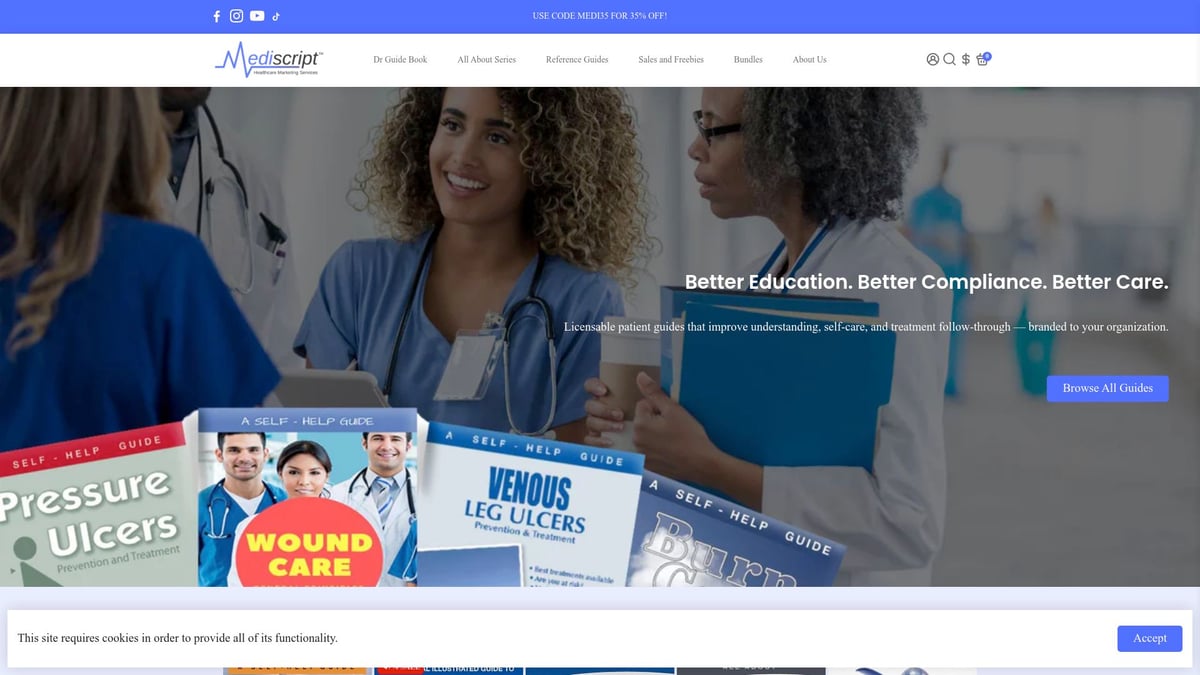
Empowering Caregivers with Mediscript Health Education Guides
Mediscript offers a wide variety of easy-to-understand, customizable guides to help caregivers take care patient with precision. These guides cover critical topics such as wound care, medication safety, and managing chronic illnesses. Each guide is available instantly as a PDF and written in plain language, ensuring accessibility for all literacy levels. Practical tools, including checklists and trackers, support daily routines and compliance. For example, the "All About Confusion" guide helps caregivers identify and address cognitive changes, making it easier to take care patient safely.
Preventing Caregiver Burnout and Stress
The responsibility to take care patient can be rewarding, yet it often leads to burnout without proactive self-care strategies. Recognizing early signs of fatigue, such as irritability or lack of motivation, is crucial. Caregivers should schedule regular breaks, use respite care services, and maintain healthy boundaries. Building in time for hobbies or connecting with peers can restore energy and perspective. When caregivers prioritize their own well-being, they are better equipped to take care patient consistently and compassionately.
Connecting with Support Networks and Community Resources
No one should take care patient in isolation. Support networks, such as local caregiver groups and online forums, offer emotional backing and practical advice. Accessing financial assistance, respite services, and national helplines can ease daily pressures. Virtual meetups foster connection, reduce stress, and provide a sense of belonging. According to the Family Caregiver Alliance, joining support groups improves caregiver well-being by 50 percent, reinforcing that community is key when you take care patient.