


Clear patient instructions are set to play a pivotal role in shaping health outcomes as we move into 2025. With healthcare growing ever more complex, patients face new challenges in understanding their care and making informed decisions. This article delivers seven essential patient instructions designed to empower individuals, boost adherence, and drive better health results. Expect practical tips, evidence-based strategies, and the latest approaches for engaging with your healthcare team. Ready to take control of your well-being? Let’s explore how effective patient instructions can transform your health journey.
The Importance of Effective Patient Instructions in 2025
Clear patient instructions have never been more vital than in 2025. As healthcare evolves, the ability for patients to understand and follow guidance directly shapes health outcomes. With the rapid growth of digital tools and new care models, ensuring every patient receives, comprehends, and acts on patient instructions is essential for safe and effective care.

The Evolving Healthcare Landscape
Healthcare in 2025 is markedly different from the past. New technologies, such as telemedicine and digital health platforms, have transformed the way care is delivered. Patient-centered models now place more responsibility on individuals to manage their own health, especially those living with chronic conditions.
With greater access to information comes the challenge of information overload. Patients are bombarded with advice from various sources, making it harder to distinguish reliable patient instructions from misinformation. This digital saturation means that understanding accurate, actionable guidance is more important than ever for achieving positive health outcomes.
As the landscape shifts, patients must navigate complex systems, new medications, and evolving treatment plans. The right patient instructions help patients take charge of their health and make informed decisions at every step.
Consequences of Poor Patient Instruction
The impact of unclear or incomplete patient instructions can be severe. In the United States, non-adherence to medical guidance is linked to up to 275,000 preventable deaths each year and nearly half a trillion dollars in avoidable healthcare costs.
| Consequence | Example | Impact |
|---|---|---|
| Missed Medications | Skipping doses | Increased hospitalizations |
| Improper Wound Care | Misunderstanding instructions | Infections, delayed healing |
| Unnecessary Hospitalizations | Not following discharge plans | Higher costs, emotional distress |
When patient instructions are confusing, patients risk making critical mistakes. These errors can result in complications, longer recovery times, or additional medical visits. Families may also face emotional stress and financial strain due to preventable setbacks.
Healthcare providers and systems bear significant burdens as well. Unclear communication leads to wasted resources and missed opportunities for early intervention. Strong patient instructions, delivered with clarity, help break this costly cycle.
The Science Behind Patient Comprehension
Research shows that patients forget up to 70% of medical information within 24 hours of receiving it. This “forgetting curve” makes it clear why repetition and multiple forms of patient instructions are necessary.
Providing written materials, visual aids, and interactive education sessions can dramatically improve memory retention. Effective strategies include summarizing key points, using easy-to-understand language, and involving patients in active learning.
Evidence-based approaches, such as the teach-back method and regular follow-up, support long-term understanding. For more on developing effective patient education, see these Patient education strategies. By reinforcing patient instructions through various channels, healthcare teams empower patients to remember, apply, and benefit from their care plans.
7 Essential Patient Instructions for Better Health in 2025
Clear, actionable patient instructions are the backbone of effective self-care and improved health outcomes. As healthcare evolves, patients need guidance that is not only easy to understand but also practical to implement in daily life.
Below are seven essential patient instructions designed for 2025, blending the latest research with real-world strategies. Each instruction empowers patients and caregivers to take charge of their health journey with confidence.

1. Write Down and Review All Medical Instructions
One of the simplest yet most effective patient instructions is to always request and review written summaries after every healthcare appointment. When patients receive verbal information, studies show that about 50% is forgotten within an hour, and nearly 70% vanishes by the next day. This makes written materials essential for accurate recall.
Patients should ask their providers for clear, detailed instruction sheets covering medications, dietary changes, wound care, and follow-up steps. These documents serve as a reliable reference at home, reducing confusion and errors. Using tools like note-taking apps, patient portals, or even dedicated notebooks can help keep all patient instructions organized and accessible.
For example, after a new medication is prescribed, the instruction sheet should include the drug's name, dosage, timing, possible side effects, and what to do if a dose is missed. For dietary changes, it should detail what foods to eat or avoid and sample meal plans. Involving a trusted family member or friend in reviewing these patient instructions can further boost understanding and adherence.
Tips for Reviewing Patient Instructions:
- Read instructions aloud with a caregiver or family member.
- Highlight or underline key points.
- Store all written materials together for easy access.
- Use digital photos to save paper instructions on your phone.
These small steps make it easier to follow patient instructions accurately, prevent mistakes, and ensure better health outcomes.
2. Confirm Understanding Through “Teach-Back” Methods
Even the clearest patient instructions can be misunderstood if not actively reinforced. The teach-back method is a proven strategy where patients repeat instructions in their own words, confirming comprehension and allowing providers to spot gaps.
Research shows that using teach-back can significantly improve adherence and reduce errors. For instance, after receiving patient instructions about a new inhaler, a patient might say, "Let me see if I have this right. I take two puffs every morning after breakfast and rinse my mouth after." This approach gives both the patient and provider confidence that the directions are understood.
How to Practice Teach-Back:
- Patients can use phrases like, "Just to make sure I understand, I need to..."
- Providers should encourage questions and clarify any medical jargon.
- If anything is unclear, ask for simpler explanations or examples.
A typical scenario: After giving patient instructions for wound care, the nurse asks, "Can you show me how you will clean and dress your wound at home?" The patient demonstrates, and the nurse provides feedback or corrections as needed.
For more details on the effectiveness of this approach, see the Teach-back method effectiveness.
Repetition through teach-back embeds patient instructions in memory, making it less likely they will be forgotten or misapplied. It also builds patient confidence, leading to better engagement and long-term health benefits.
3. Prioritize Medication Adherence and Management
Taking medications as prescribed is one of the most critical patient instructions for managing chronic conditions and preventing complications. However, research indicates that up to 50% of prescriptions are not taken correctly, which can lead to serious health risks and increased hospitalizations. According to recent medication nonadherence statistics, nonadherence is a widespread issue affecting millions annually.
Patients should set up systems to ensure they never miss a dose. This could include setting phone reminders, using pill organizers, or leveraging pharmacy mobile apps that send alerts. Regularly reviewing all medications with a healthcare provider is another vital patient instruction. This helps identify drug interactions, unnecessary medications, or opportunities for simplifying the regimen.
Consequences of Missed Doses:
- Uncontrolled blood pressure or blood sugar
- Increased risk of stroke or heart attack
- Hospital readmissions
If a dose is missed, patients should follow the specific patient instructions provided, which may vary depending on the medication. When in doubt, contact a pharmacist or provider before doubling up or skipping further doses.
Medication Management Tips:
- Keep a medication log or use a digital tracking tool.
- Store medications in a visible, consistent location.
- Set up automatic refills where possible.
Following these patient instructions ensures that medications are taken safely and effectively, supporting long-term health and reducing avoidable complications.
4. Monitor Symptoms and Track Progress Regularly
Regular monitoring of symptoms and health metrics is a cornerstone of effective patient instructions, especially for those managing chronic diseases. Keeping a health diary, using a smartphone app, or maintaining a simple paper log can make a significant difference.
Tracking vital signs like blood pressure, blood sugar, or weight helps catch issues early and provides valuable insights during doctor visits. Patients should also record side effects, changes in symptoms, and any new concerns. These patient instructions empower individuals to spot patterns and act quickly if problems arise.
Example Tracking Tools:
- Blood pressure logs with daily readings
- Glucose monitoring charts for diabetes management
- Pain scales to document discomfort over time
Sharing these records with healthcare teams enables more personalized and timely care. For instance, a patient who tracks blood sugar levels can adjust their diet or medication under a provider's guidance, leading to better control and fewer complications.
Tips for Effective Tracking:
- Set a daily or weekly reminder to update your log.
- Use color coding or symbols to highlight trends.
- Bring your records to every appointment.
By following these patient instructions, individuals take an active role in their health, enhance communication with providers, and achieve better outcomes.
5. Maintain Open Communication with Healthcare Providers
Open, ongoing communication is a vital part of patient instructions for effective care. Patients should feel empowered to share updates about symptoms, side effects, or any challenges they face in following their care plan.
Preparing a list of questions before each appointment ensures that concerns are addressed. Patients should also report barriers, such as high medication costs, confusing instructions, or unpleasant side effects, as soon as they arise. Modern technology, including telehealth and secure messaging platforms, makes it easier than ever to stay in touch with healthcare teams.
Examples of Communication in Action:
- A patient experiencing side effects promptly messages their provider and receives an alternative medication.
- During a virtual visit, a patient shares their symptom log, leading to a timely medication adjustment.
Patient instructions often emphasize the importance of honesty and clarity. Providers appreciate when patients voice their concerns, as it allows for quicker solutions and prevents complications.
Communication Tips:
- Use a patient portal for non-urgent questions.
- Request clarification if any part of the care plan is unclear.
- Schedule follow-up calls or virtual visits to stay connected.
Strong communication helps ensure patient instructions are followed correctly and supports a collaborative approach to health.
6. Follow Lifestyle Recommendations Consistently
Adopting and maintaining healthy lifestyle habits is a core component of patient instructions for preventing and managing disease. Diet, exercise, sleep, and stress management all have a direct impact on health outcomes.
Patients should set realistic, measurable goals, such as walking for 30 minutes most days or eating five servings of vegetables daily. Tracking progress, celebrating small wins, and seeking support from family or friends can make lifestyle changes more sustainable.
Evidence-Based Benefits:
- Consistent physical activity reduces the risk of heart disease and diabetes.
- A balanced diet supports immune function and recovery.
- Quality sleep and stress reduction improve mental health and resilience.
Patient instructions may include specific meal plans, exercise routines, or relaxation techniques. Overcoming obstacles, like busy schedules or lack of motivation, often requires planning and flexibility. Breaking goals into manageable steps and using reminders can help.
Lifestyle Change Strategies:
- Prepare meals in advance to stick to dietary goals.
- Join a walking group or exercise class for accountability.
- Practice mindfulness or use relaxation apps to manage stress.
By following these patient instructions, individuals can significantly reduce their risk of chronic illness and improve their overall quality of life.
7. Stay Informed and Proactive About Your Health
The final key patient instruction is to remain informed and proactive. Patients should seek out reputable health information, stay current on recommended screenings and vaccinations, and participate in support groups or education programs.
Avoiding misinformation is critical. Trusted sources include official health websites, patient education materials from providers, and recognized organizations. Patients are encouraged to ask questions and verify any new advice before making changes.
Proactive Health Actions:
- Schedule annual checkups and routine screenings, such as mammograms or colonoscopies.
- Keep up to date with vaccinations like the flu shot and COVID-19 boosters.
- Join community support groups for chronic disease management or recovery.
Patient instructions in 2025 increasingly emphasize lifelong learning and engagement in care decisions. By taking these steps, patients become active partners in their health, prepared to adapt as new information and technologies emerge.
Overcoming Common Barriers to Patient Adherence
Empowering patients with clear patient instructions is only part of the equation. Real-world obstacles often stand in the way of following even the best guidance. By understanding these barriers and leveraging modern solutions, patients and providers can work together to improve health outcomes and ensure instructions translate into action.

Identifying and Addressing Barriers
Patients face a range of challenges when trying to follow patient instructions. Common obstacles include the high cost of medications, limited health literacy, language differences, cultural beliefs, forgetfulness, and side effects. Each of these can undermine the best intentions, leading to missed doses, skipped appointments, or incomplete care routines.
To address these barriers, providers can offer financial assistance resources, simplify language in written materials, and ensure cultural sensitivity in communication. Using reminders, whether through smartphone alarms or traditional calendars, helps patients manage complex regimens. Support from family or community health workers can fill gaps in understanding or motivation.
Successful interventions are often tailored to the individual's needs. For example, some clinics provide multilingual instruction sheets, while others connect patients to peer support groups. Research highlighted by Patient compliance insights shows that when patient instructions are clear, culturally appropriate, and delivered with empathy, adherence rates improve significantly.
Consistent review of patient instructions during follow-ups can uncover ongoing challenges. Encouraging patients to voice concerns about cost, confusion, or side effects leads to practical solutions and builds trust.
The Role of Technology in Enhancing Adherence
Modern technology is transforming how patient instructions are delivered and followed. Mobile health apps, telemedicine platforms, and remote monitoring devices offer new ways to support adherence. These tools send medication reminders, provide educational content, and allow patients to track symptoms and progress at home.
Digital solutions are especially valuable for patients managing chronic conditions or juggling multiple medications. A recent study on "Telemedicine's impact on patient adherence" found that virtual visits and remote check-ins increase the likelihood that patients will follow their care plans. Telehealth also makes it easier to report side effects or ask questions between appointments.
Case studies demonstrate that integrating technology with patient instructions leads to fewer missed doses, earlier detection of health issues, and better communication with care teams. For patients with busy schedules or mobility challenges, these digital tools make adherence more achievable.
Ultimately, combining personalized patient instructions with accessible technology ensures that barriers are addressed and patients are equipped to take charge of their health.
The Future of Patient Instructions: Trends and Innovations
Patient instructions are entering a new era shaped by rapid advances in technology and a growing emphasis on personalized care. As healthcare transforms, clear communication and tailored guidance will become the foundation for achieving better outcomes.
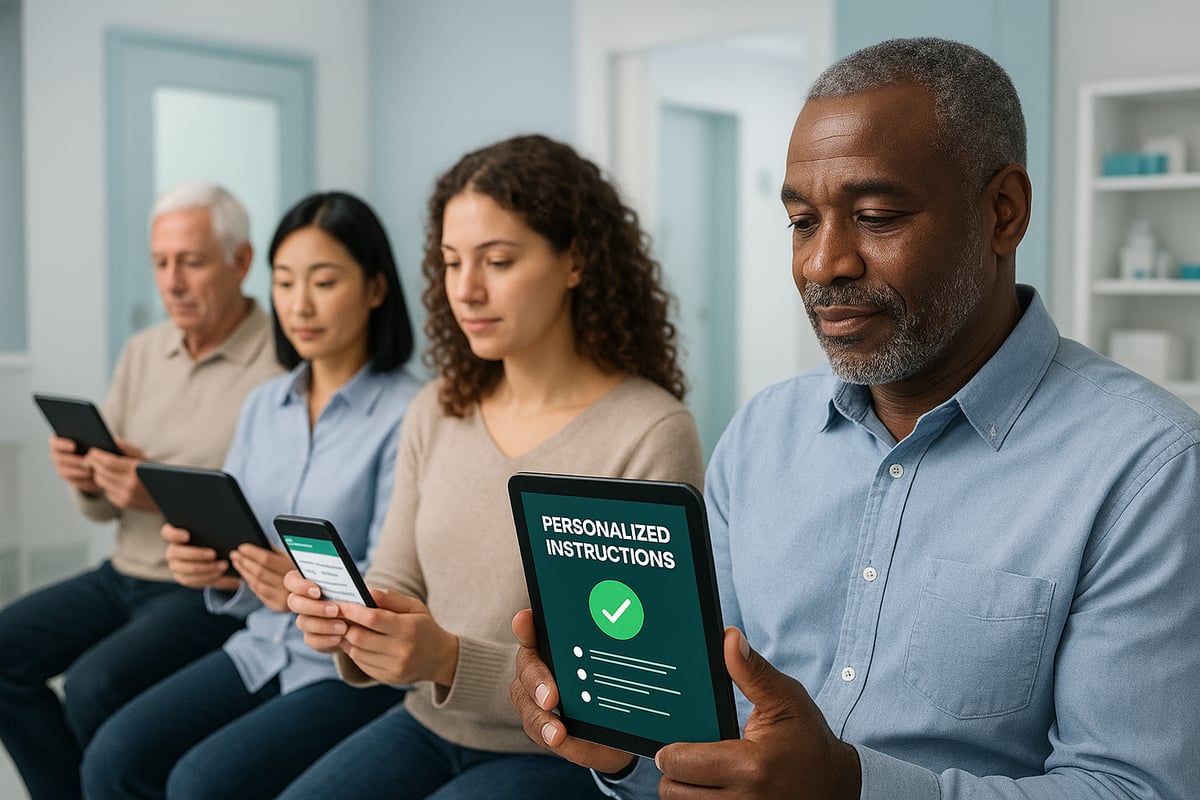
Personalized and Digital Patient Education
The future of patient instructions is all about customization and accessibility. AI-powered health coaching is now able to deliver reminders, answer questions, and adapt guidance based on each patient's unique health profile. Interactive patient portals and virtual assistants make it easier for individuals to review their care plans, track medications, and receive timely updates.
Healthcare providers are leveraging data to create patient instructions that match a person's learning style, language preferences, and medical history. This approach ensures that every patient receives information in the most effective format, whether through videos, infographics, or step-by-step digital checklists. For more on how these innovations are improving care, see Improving patient care outcomes.
Empowering Patients for Lifelong Health
Empowerment is at the heart of next-generation patient instructions. Patients are becoming active partners in their health journeys, supported by ongoing education and digital resources. Reliable home health education tools, community support, and regular feedback from providers help individuals make informed decisions every day.
Staying informed and proactive is now easier, thanks to trusted online resources and virtual health communities. By embracing continuous learning, patients can adapt to new recommendations, stay on top of preventive care, and confidently manage chronic conditions. Practical guidance for at-home care is available through resources like Home health education tips.
The future of patient instructions is bright, with ongoing innovation making health information more engaging and actionable. As patients and providers work together, clear instructions will continue to drive better health outcomes for everyone.