


Wound care is evolving rapidly, making it essential to stay ahead of the latest best practices. As we move into 2025, understanding the most current strategies for wound health can mean the difference between slow recovery and optimal healing. This guide empowers patients, caregivers, and healthcare professionals with evidence-based tools and knowledge. Inside, you will discover the latest wound types, innovative treatments, prevention tips, self-care methods, and clear guidelines on when to seek expert help. Ready to improve outcomes and take charge of wound health? Dive in and equip yourself with expert-backed guidance for the year ahead.
Understanding Wound Types and Healing Processes
Wound health is a dynamic field, and understanding different wound types is the cornerstone of effective care. The right approach begins with recognizing how each wound presents, how it heals, and what risks might arise. Whether you are a patient, caregiver, or healthcare professional, building a solid foundation in wound health ensures better outcomes and faster recovery.
Classification of Wounds
Wounds are typically classified as either acute or chronic. Acute wounds, such as abrasions, lacerations, and surgical incisions, heal predictably within a set timeframe. Chronic wounds, including diabetic foot ulcers, pressure sores, and venous leg ulcers, persist for longer periods and often resist standard treatments.
Here is a quick comparison:
| Wound Type | Description | Common Examples |
|---|---|---|
| Acute | Rapid onset, short healing | Surgical cuts, burns |
| Chronic | Slow, stalled healing | Pressure sores, diabetic ulcers |
Chronic wounds affect up to 2% of the population, presenting a significant challenge for wound health worldwide. For instance, pressure sores are common in immobile patients and can be prevented or managed with proper positioning and care. For more in-depth guidance, see our resource on pressure ulcer prevention and care.
Identifying the wound type is the first step toward optimal wound health.
Phases of Wound Healing
The wound healing process unfolds in four distinct phases: hemostasis, inflammation, proliferation, and maturation. Each phase plays a unique role in restoring tissue integrity.
- Hemostasis: Immediately after injury, blood vessels constrict and clotting begins to stop bleeding.
- Inflammation: White blood cells clear debris and fight infection, typically lasting a few days.
- Proliferation: New tissue and blood vessels form, helping to close the wound.
- Maturation: Collagen is remodeled and the wound gains strength, sometimes taking months.
Key factors influencing these stages include age, nutrition, and underlying health conditions. Ensuring optimal wound health requires careful attention to these variables throughout the healing journey.
Complications in Wound Healing
Despite best practices, complications can arise during the healing process. Infection is a major concern, with resistant bacteria such as MRSA and VRE becoming more prevalent. Delayed healing may be signaled by persistent redness, odor, or stagnant wound size.
Consider chronic venous ulcers, which often recur and can prove difficult to manage. Recurrence rates highlight the need for vigilant wound health monitoring and tailored interventions.
Common complications include:
- Infection and increased drainage
- Necrosis or tissue breakdown
- Delayed closure and chronicity
Recognizing these issues early is critical for maintaining wound health and improving patient quality of life.
Importance of Accurate Assessment
Accurate assessment is vital to support wound health and guide treatment choices. Clinicians use standardized tools and scoring systems to evaluate wound size, depth, and tissue type. In 2025, digital wound measurement technologies have become routine, enabling precise tracking and objective documentation.
Artificial intelligence is now being integrated into wound diagnostics, allowing earlier detection of complications and more personalized care plans. Leveraging these advances ensures that wound health is managed proactively, reducing risks and supporting optimal healing.
Latest Advances in Wound Care Treatments
Staying updated with the latest advances is crucial for achieving optimal wound health. In 2025, the landscape of wound care is more dynamic than ever, with groundbreaking products and digital tools reshaping best practices. These developments offer new hope for faster healing, fewer complications, and better patient comfort.
Innovative Dressings and Materials
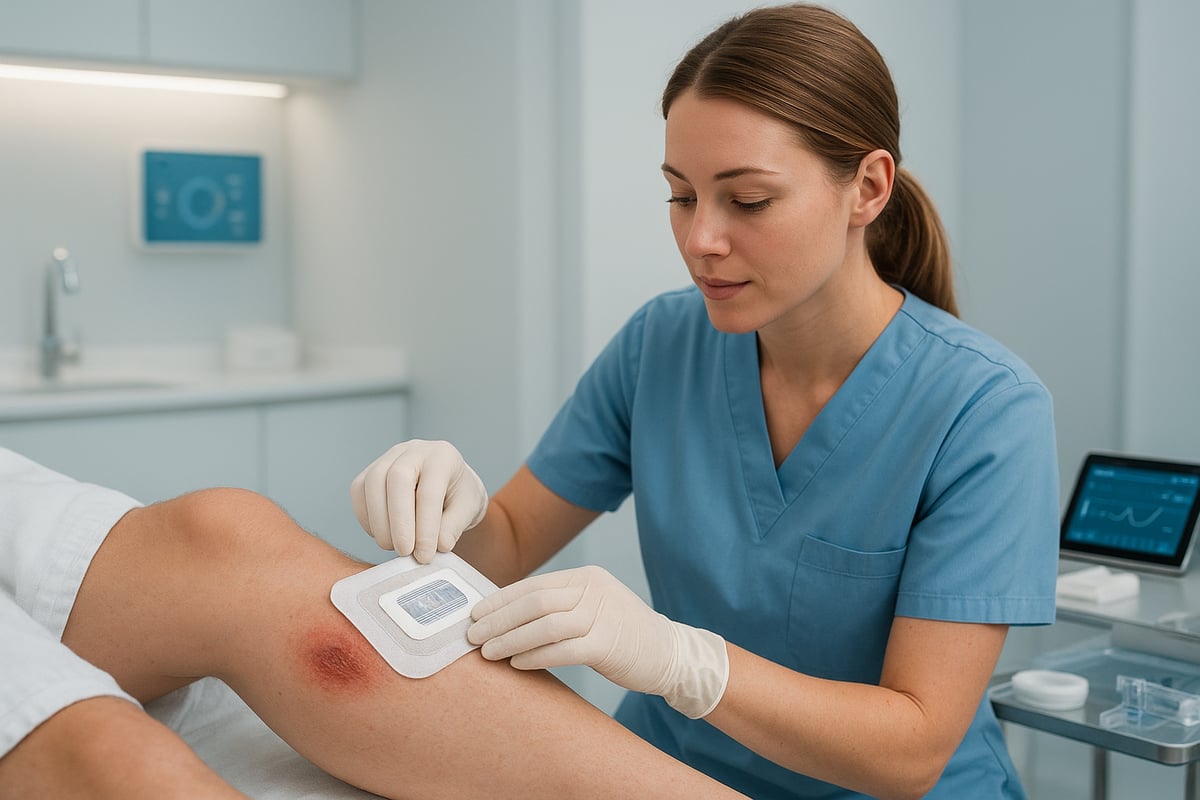
The right dressing can make a dramatic difference in wound health outcomes. Traditional choices like hydrocolloids, alginates, and foam dressings remain important, but 2025 brings a new generation of options.
Comparing Modern Dressings:
| Dressing Type | Key Benefit | Best Use Case |
|---|---|---|
| Hydrocolloids | Maintain moist healing | Superficial wounds |
| Alginates | High absorbency | Heavily exuding wounds |
| Foam Dressings | Cushion and protect | Pressure ulcers |
| Bioactive Dressings | Stimulate healing | Chronic, slow wounds |
| Smart Dressings | Monitor wound status | Infection-prone wounds |
Bioactive dressings now incorporate growth factors, silver, or honey to enhance wound health and fight infection. Smart dressings, equipped with sensors, can track moisture or detect early signs of infection. For a deeper look at these technologies, see Emerging Technologies in Wound Care.
These innovations empower clinicians and patients to make evidence-based choices, which is essential for improved wound health in both acute and chronic cases.
Technological Breakthroughs
The technology driving wound health is rapidly evolving. Negative Pressure Wound Therapy (NPWT) devices are now more portable, enabling effective treatment at home. NPWT uses localized suction to remove excess fluid, reduce swelling, and stimulate tissue growth.
Bioengineered skin substitutes and grafts have become more accessible, providing coverage for wounds that struggle to heal naturally. 3D printing is also entering clinical practice, producing custom scaffolds that match the wound’s shape and promote tissue regeneration.
These advances mean that wound health goals are now more attainable, even for hard-to-treat wounds. With digital tracking and personalized therapies, patients can expect more predictable outcomes.
Antimicrobial Strategies
Preventing infection is central to wound health. In 2025, topical antimicrobials such as iodine, silver, and polyhexamethylene biguanide (PHMB) are widely used to control bacteria without promoting resistance.
Antibiotic stewardship is now a standard part of wound care, guiding clinicians to use antibiotics only when truly necessary. Emerging therapies, including bacteriophage treatments, are being explored to target resistant organisms.
This targeted approach helps preserve the effectiveness of existing antibiotics and supports long-term wound health by reducing the risk of chronic infection.
Pain Management and Patient Comfort
Managing pain is a top priority for wound health. Non-opioid analgesics and local anesthetics are increasingly favored, minimizing side effects and dependency. Innovations in dressing materials now allow for pain-free dressing changes, reducing anxiety and discomfort for patients.
A patient-centered approach also addresses emotional well-being, as anxiety can negatively impact wound health. Education, gentle care techniques, and open communication are key to supporting healing and quality of life.
Evidence-Based Outcomes
The effectiveness of these new treatments is supported by robust clinical trials. Recent studies show improved healing rates for diabetic foot ulcers when using bioengineered dressings. Cost-effectiveness analyses have demonstrated that investing in advanced wound health technologies can reduce overall healthcare expenses.
Guidelines from the Wound Healing Society and international organizations endorse these strategies, ensuring that clinical practice is aligned with the best available evidence. As wound health science continues to progress, staying informed is essential for patients and professionals alike.
Step-by-Step Wound Care Protocols for 2025
Achieving optimal wound health in 2025 requires following clear, evidence-based protocols. Proper care not only accelerates healing but also prevents complications. This section details each step of modern wound care, from initial assessment through patient empowerment, ensuring the best outcomes for every wound type.
Initial Assessment and Cleaning
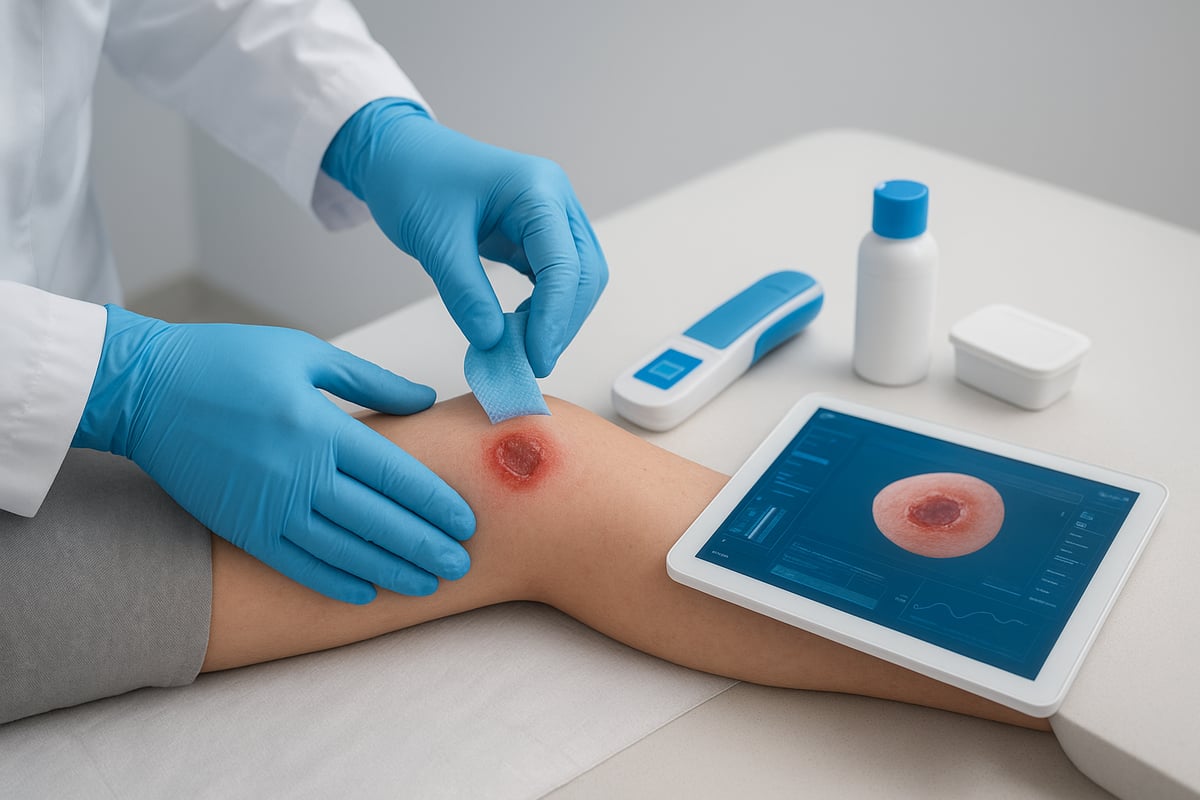
The foundation of wound health is a meticulous initial assessment. Start by practicing strict hand hygiene, using soap and water or an alcohol-based sanitizer. Don gloves to reduce infection risk. Visually inspect the wound, noting its size, depth, color, and the presence of exudate or odor. Gently palpate around the area to assess tenderness or swelling.
Select a cleaning solution based on wound characteristics. Sterile saline is generally preferred for most wounds, but antiseptics like chlorhexidine may be indicated for contaminated injuries. Avoid harsh chemicals that can delay healing. Use gentle irrigation to remove debris, always working from the cleanest area outward.
Document all findings, as early and accurate assessment directly impacts wound health outcomes. Repeat this process with every dressing change for ongoing evaluation.
Debridement Techniques
Effective wound health management often depends on removing nonviable tissue. Debridement methods include autolytic (using moisture-retentive dressings), enzymatic (topical agents), mechanical (gauze or irrigation), and surgical (sharp excision). Each technique has specific indications and contraindications.
For example, autolytic debridement is ideal for patients with minimal infection risk and the ability to tolerate longer healing times. Surgical debridement is reserved for wounds with extensive necrosis or infection. New minimally invasive instruments in 2025 allow for precise tissue removal with less discomfort.
Selecting the right debridement method is crucial for wound health, especially in complex cases like pressure ulcers. Consult with a wound care specialist when in doubt, and always monitor for pain or bleeding during the procedure.
Dressing Selection and Application
Matching the dressing to the wound’s needs is essential for sustained wound health. Consider factors such as moisture balance, infection risk, and exudate level. Use the table below to guide your selection:
| Wound Type | Recommended Dressing | Purpose |
|---|---|---|
| Dry/necrotic | Hydrogel | Adds moisture |
| Moderate exudate | Foam or alginate | Absorbs fluid |
| Infected | Silver-impregnated, honey | Antimicrobial effect |
| Granulating | Hydrocolloid, foam | Maintains moist environment |
Apply dressings with clean gloves, ensuring even coverage and gentle pressure. Change dressings as recommended, typically every 1–3 days or sooner if saturated. Adhering to evidence-based dressing protocols supports wound health and reduces complications.
Monitoring and Documentation
Ongoing monitoring is vital for wound health. Leverage digital wound tracking apps that allow for real-time measurement and secure photo documentation. Use consistent lighting and angles for each photo to ensure accurate comparisons.
Record changes in wound size, depth, exudate, and surrounding skin at every visit. Watch for warning signs such as increased redness, swelling, foul odor, or delayed healing. Early detection of these changes enables prompt intervention, preserving wound health and preventing escalation.
Share updates with the multidisciplinary care team. Consistent documentation supports continuity of care and meets regulatory standards in 2025.
Patient Education and Self-Care
Empowering patients is a cornerstone of wound health. Teach proper hand hygiene, dressing changes, and signs of infection to watch for. Address barriers such as low health literacy or limited mobility with clear instructions and visual aids.
Offer checklists, reminder cards, and telehealth support for ongoing guidance. For comprehensive strategies, refer patients and caregivers to resources like Home health wound care tips for additional support.
Encourage questions and create an open dialogue. When patients understand their role in wound health, outcomes improve and the risk of complications decreases.
Prevention and Reducing Risk of Wound Complications
Proactive prevention is the cornerstone of optimal wound health. By adopting daily habits and evidence-based strategies, patients and caregivers can minimize complications and support faster healing. The following approaches focus on maintaining skin integrity, proper nutrition, infection control, and early intervention to protect wound health in every setting.
Skin Integrity and Pressure Injury Prevention
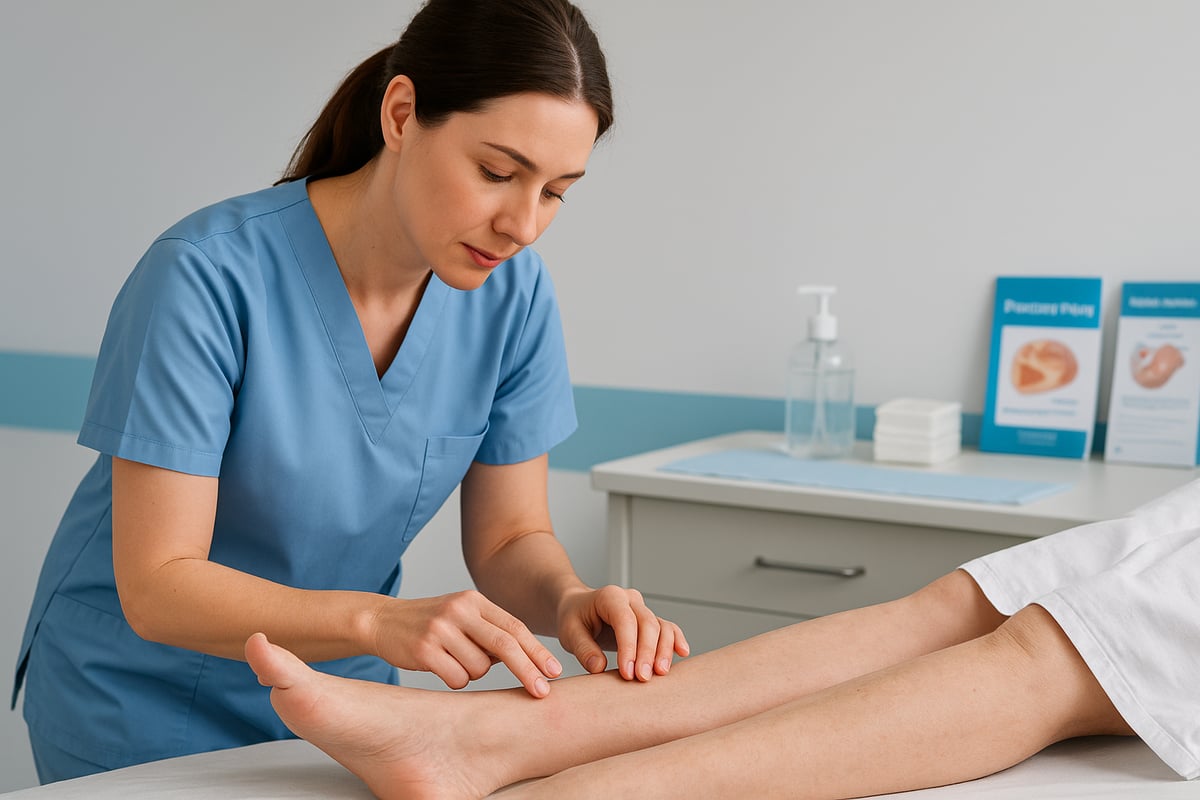
Maintaining skin integrity is essential for wound health, especially in individuals with limited mobility or chronic conditions. Daily skin checks help detect redness, blisters, or early pressure sores before they progress.
Use of pressure-relieving devices, such as specialized mattresses and cushions, can redistribute weight and reduce the risk of pressure injuries. Hospitals and long-term care facilities increasingly adopt these tools to lower rates of hospital-acquired wounds.
Key strategies include:
- Repositioning patients every two hours
- Keeping skin clean and dry
- Applying barrier creams to protect at-risk areas
These simple steps form the first line of defense in maintaining wound health.
Nutrition and Lifestyle Factors
Nutrition plays a critical role in wound health. Adequate protein, vitamins (especially A and C), and hydration are necessary for tissue repair. Malnutrition has been shown to double healing time, making dietary assessment a core component of care.
Lifestyle factors also impact wound health. Smoking restricts blood flow and delays healing, while uncontrolled blood sugar increases infection risk. Encourage patients to quit smoking and monitor glucose levels closely.
For a deeper understanding of local and systemic influences on healing, review this Mathematical Model of Wound Healing, which highlights the complex interplay between nutrition, immune response, and recovery.
Infection Prevention Strategies
Infection prevention is a vital pillar of wound health. Rigorous hand hygiene for both caregivers and patients reduces bacterial transmission. Alcohol-based hand sanitizers and handwashing with soap remain best practices.
Vaccinations, such as influenza and tetanus, support overall health and reduce secondary complications. Safe disposal of dressings and routine cleaning of the environment further limit infection risks.
A simple protocol includes:
- Washing hands before and after care
- Using clean gloves and sterile supplies
- Disinfecting wound care surfaces regularly
By following these measures, the risk of complications drops significantly, supporting better wound health outcomes.
Early Intervention and Multidisciplinary Care
Timely intervention is critical for preserving wound health and preventing escalation. Early referral to wound care specialists ensures complex wounds receive expert assessment and advanced therapies.
A multidisciplinary team—nurses, dietitians, podiatrists, and physicians—brings comprehensive insight to wound management. Telemedicine platforms allow frequent monitoring and remote consultations, making specialized care more accessible.
Encouraging open communication and prompt action fosters better healing and reduces the likelihood of chronic complications, safeguarding long-term wound health.
When to Seek Professional Help: Red Flags and Resources
Recognizing when to seek professional help is vital for maintaining optimal wound health. Early intervention can prevent complications and support faster recovery. Knowing the signs and resources available empowers patients, caregivers, and healthcare professionals to act promptly and effectively.
Recognizing Warning Signs
Timely recognition of warning signs is crucial for wound health. Some symptoms require immediate attention from a healthcare provider. Look for:
- Increased pain, redness, or swelling around the wound
- Pus or foul-smelling drainage
- Warmth at the wound site
- Fever, chills, or feeling generally unwell
If you notice rapid changes, such as spreading redness or tissue turning black, these may signal serious issues like cellulitis or necrotizing fasciitis. Early detection and response can make a significant difference in wound health outcomes.
Navigating the Healthcare System
Determining where to seek care depends on the severity of your symptoms. For minor issues, a primary care provider may suffice. However, complex or non-healing wounds often require specialized attention at a wound clinic or emergency department. During your visit, expect a thorough wound health assessment, including measurements, photographs, and sometimes laboratory tests.
Insurance plans increasingly cover advanced wound therapies. For further guidance on wound care expertise, see Understanding wound specialists. Accessing the right level of care at the right time is essential for maintaining wound health.
Support Resources for Patients and Caregivers
Accessing support resources can greatly improve wound health management. National and local organizations provide education, advocacy, and peer support. Examples include:
- Wound care associations and helplines
- Online patient education platforms
- Peer support groups for patients and caregivers
These resources help you stay informed, connect with others facing similar challenges, and learn effective self-care strategies. Proactive engagement with support networks strengthens wound health and boosts confidence in managing daily care.
Future Directions in Wound Health
Wound health continues to advance through ongoing research and innovative technologies. Digital tools, such as wound tracking apps and telemedicine, offer new ways to monitor healing and receive expert advice. Artificial intelligence is poised to revolutionize wound assessment and personalized care, as detailed in the "AI in Wound Care Market Analysis".
Staying informed about these advancements empowers you to make the best decisions for your wound health now and in the future.