


Chronic and acute wounds are becoming more complex and prevalent across the globe in 2025, affecting millions of lives and presenting new challenges for healthcare systems. As the landscape changes, wound specialists play a critical role in delivering up-to-date, evidence-based care that adapts to these evolving needs.
This comprehensive guide is designed to equip wound specialists with actionable insights, the latest technologies, and proven best practices for effective wound management. Whether you are a healthcare professional, caregiver, or patient, you will gain expert perspectives to support better healing outcomes.
Explore the newest trends, step-by-step assessment protocols, treatment innovations, multidisciplinary teamwork, and patient education strategies—empowering you for optimal recovery in the year ahead.
The Evolving Role of Wound Specialists in 2025
The landscape of wound care is rapidly transforming as the world’s population ages and chronic diseases become more common. In 2025, wound specialists are at the forefront of this shift, playing a vital role in preventing complications and improving quality of life for millions. Their expertise is increasingly sought after in acute hospitals, long-term care facilities, and community health settings.
Wound specialists are no longer limited to clinical wound management alone. Their responsibilities now encompass patient education, prevention strategies, and active participation in interdisciplinary teams. These professionals facilitate communication among physicians, nurses, therapists, and families. By guiding evidence-based care, they help reduce healing times and prevent recurrent wounds.
To meet growing demands, advanced certifications and ongoing education have become the norm for wound specialists. Training now covers not only traditional wound healing principles but also modern topics such as biofilm management, antimicrobial stewardship, and emerging therapies. Many pursue board certifications to demonstrate expertise and stay current with best practices. Foundational knowledge, like that outlined in Wound care general principles, remains crucial as new therapies and technologies are integrated into practice.
Technology is reshaping how wound specialists assess and monitor wounds. Telemedicine platforms allow for remote visual assessments, enabling timely intervention even when patients are at home or in rural areas. Digital imaging and measurement tools reduce errors and standardize documentation. Artificial intelligence and machine learning are now supporting clinical decision-making by analyzing wound images, predicting healing trajectories, and identifying patients at higher risk for complications.
These innovations are essential, as chronic wounds now affect more than 2% of the global population. The wound care market is projected to reach $25 billion by 2025, reflecting the increasing complexity and cost of care. However, wound specialists face significant challenges, including limited resources, rising antibiotic resistance, and the need to manage patients with multiple comorbidities. Staying informed about research, new products, and regulatory changes is a constant requirement.
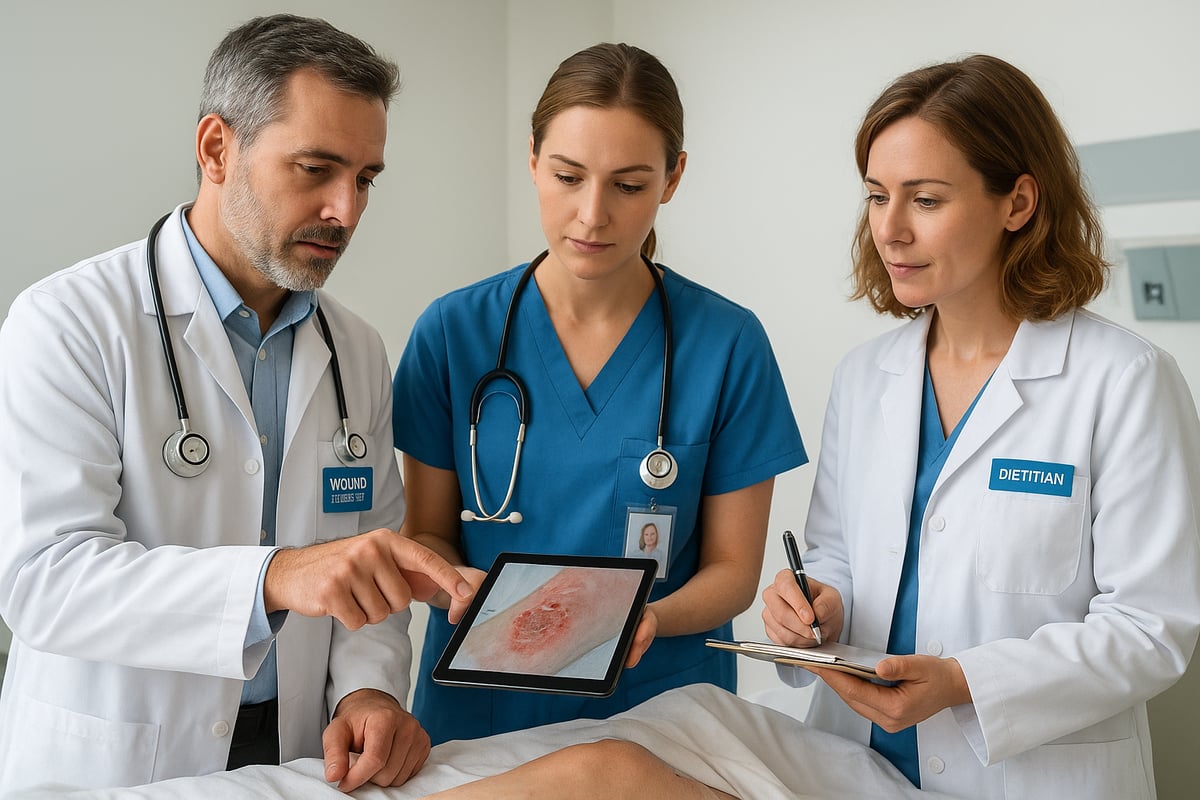
A compelling example comes from a long-term care facility that established a multidisciplinary wound care team. The team included a wound specialist, nurse, dietitian, and physical therapist. By conducting weekly rounds, standardizing assessment protocols, and implementing individualized care plans, they reduced wound-related complications by 22%. This collaborative approach highlights the power of teamwork and the essential role of wound specialists in improving patient outcomes.
Wound specialists in 2025 must combine clinical expertise, advanced technology, and collaborative skills to address the growing burden of acute and chronic wounds. Their evolving role demands adaptability, lifelong learning, and a patient-centered mindset.
Comprehensive Wound Assessment: Step-by-Step Protocols
Accurate wound assessment is the foundation of effective care for wound specialists. A standardized, stepwise approach ensures no detail is overlooked, guiding clinical decisions and improving patient outcomes. Each step, from history taking to documentation, is essential for tailoring interventions and tracking progress.
Importance of Accurate Wound Assessment
For wound specialists, early and precise wound assessment sets the stage for optimal healing. A thorough evaluation helps identify wound type, stage, and potential complications. Accurate assessment leads to faster interventions and reduces the risk of delayed healing.
Studies have shown that incomplete assessment can increase healing time by up to 30 percent, especially if infections are missed. By focusing on detailed evaluation, wound specialists can improve healing rates and prevent avoidable setbacks.
Ultimately, the success of wound specialists hinges on their commitment to high-quality assessment. This diligence benefits both patients and the broader healthcare team.
Step 1: Patient History and Risk Factor Evaluation
The first step for wound specialists is gathering a comprehensive patient history. Understanding medical, surgical, and lifestyle backgrounds reveals factors that may hinder wound healing. Chronic diseases like diabetes and vascular conditions are significant contributors.
Wound specialists should utilize standardized risk assessment tools for consistent evaluation. Key risk factors include immobility, malnutrition, smoking, and poor glycemic control.
- Medical history review
- Identification of comorbidities
- Use of risk assessment scales
By systematically evaluating these elements, wound specialists can predict healing challenges and develop personalized care plans.
Step 2: Wound Inspection and Measurement
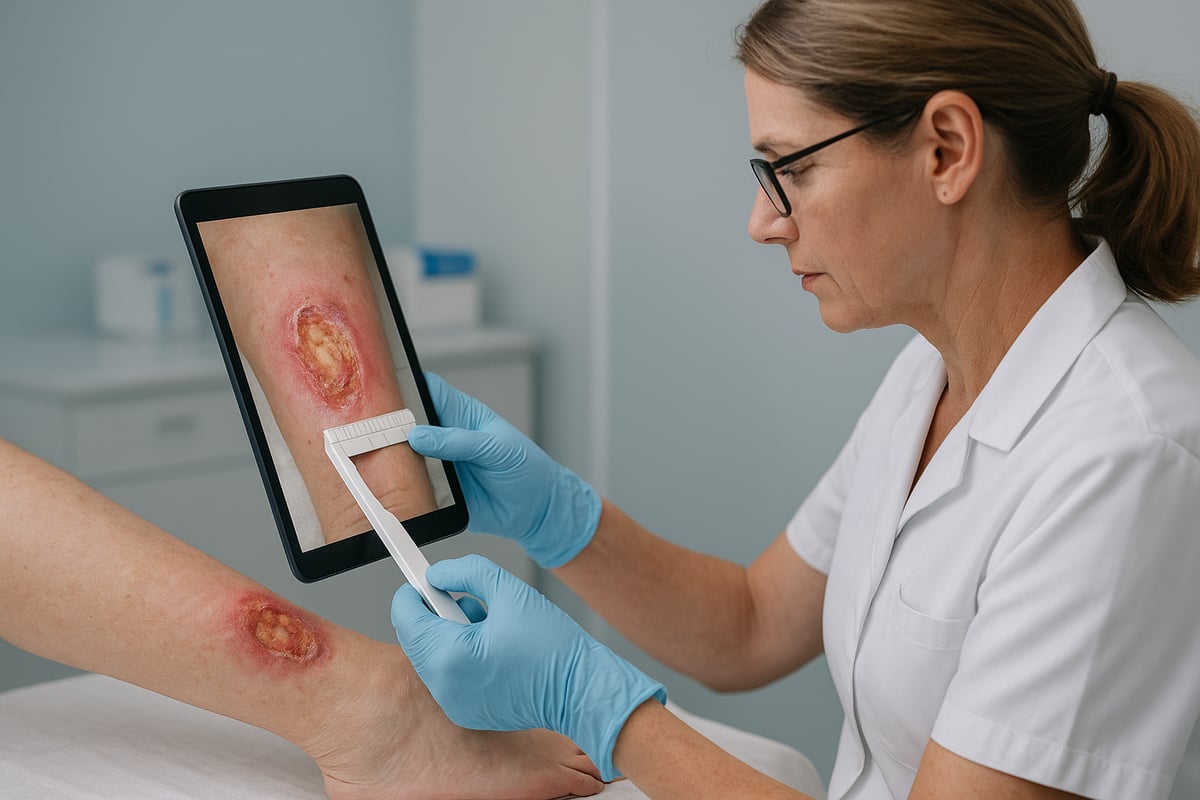
Precise wound inspection is crucial for wound specialists. Measuring wound size, depth, and tissue types ensures accurate baseline data and ongoing monitoring. Digital tools, such as planimetry software, help minimize errors and streamline documentation.
| Tool | Accuracy | Benefit |
|---|---|---|
| Ruler | Moderate | Widely available |
| Digital Planimetry | High | Reduces errors by 15% |
| Photographic Apps | High | Visual progress record |
Photographing wounds supports consistent tracking and communication. For wound specialists, these tools are indispensable for effective care and quality assurance.
Step 3: Infection and Biofilm Detection
Wound specialists must be vigilant for signs of infection and biofilm, as these factors dramatically slow healing. Clinical indicators include increased redness, swelling, odor, and delayed granulation. Advanced diagnostic tools, such as fluorescence imaging, help identify infection earlier than traditional methods.
Biofilms are found in approximately 60 percent of chronic wounds, making their detection essential. Early identification and targeted intervention by wound specialists can prevent complications and improve healing trajectories.
Ongoing education and adoption of new diagnostic technologies empower wound specialists to stay ahead of infection risks.
Step 4: Vascular and Sensory Assessment
Vascular and sensory evaluations are vital for wound specialists caring for lower extremity wounds. Assessments like ankle-brachial index (ABI) and Doppler studies differentiate arterial from venous etiologies. Sensory testing identifies neuropathy, a common barrier to healing.
Early vascular assessment can reduce amputation risk by 40 percent. For reference, venous leg ulcer management resources provide best practices in this area.
Wound specialists who prioritize these assessments deliver more targeted treatments and significantly improve patient outcomes.
Step 5: Documentation and Communication
Effective documentation is a cornerstone for wound specialists. Standardizing records ensures continuity of care, accurate progress tracking, and regulatory compliance. Electronic health records facilitate secure, accessible documentation.
Key elements to document:
- Wound location, size, depth
- Tissue characteristics
- Signs of infection or ischemia
- Interventions performed
Open communication with the care team and patients is essential. Wound specialists who document thoroughly and communicate clearly foster collaborative care and better recovery.
Innovations and Technologies Transforming Wound Care
The landscape of wound care is rapidly evolving, with wound specialists at the forefront of integrating new technologies to improve patient outcomes. In 2025, advanced materials, digital tools, and artificial intelligence are reshaping how wounds are assessed, managed, and healed. Staying informed about these breakthroughs is essential for wound specialists seeking to provide evidence-based, efficient care.
Advanced Wound Dressings and Materials
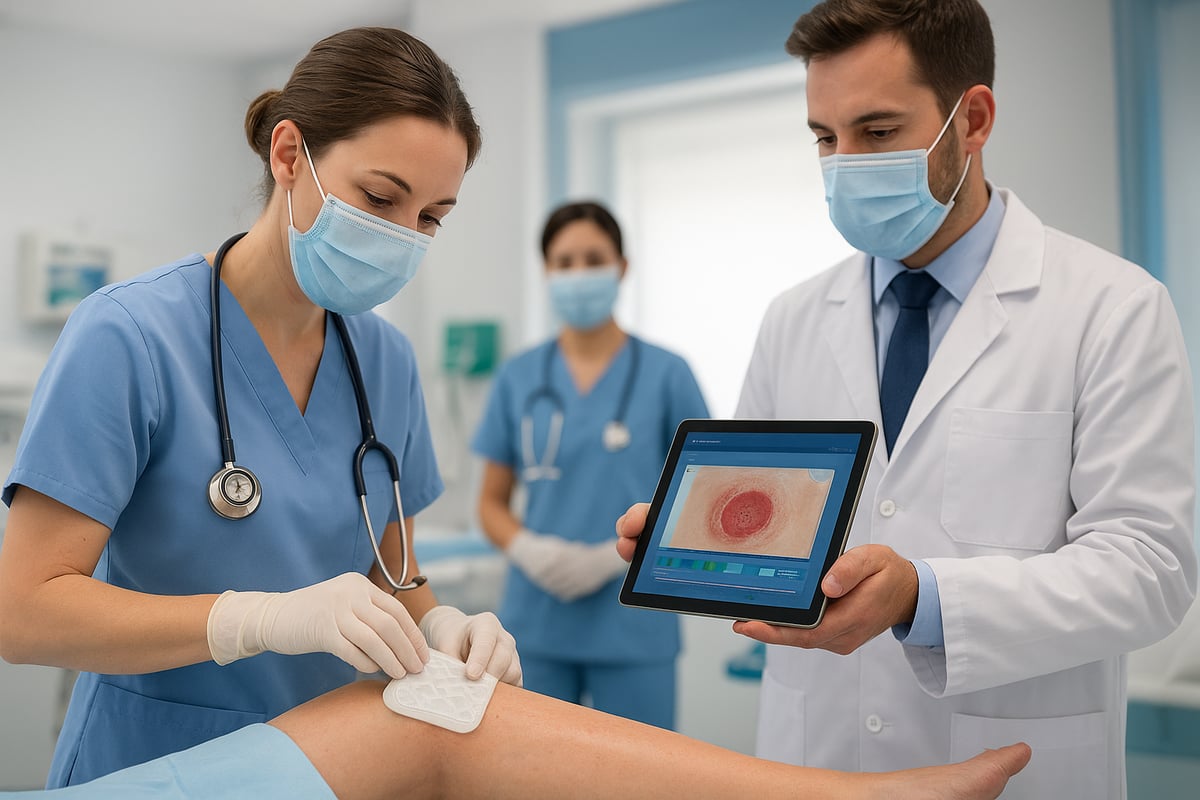
Wound specialists rely on a range of advanced dressings to accelerate healing and prevent complications. Hydrocolloids, alginates, foam, and antimicrobial dressings are among the most widely used innovations. Research shows that advanced dressings can reduce healing time by 25 percent in diabetic foot ulcers. Silver-impregnated dressings, in particular, are effective for infection control in complex wounds.
Staying ahead of the curve is crucial, which is why many wound specialists consult resources like the Top 2025 Wound Care Trends to identify the most promising new products and materials emerging this year.
Digital Health and Remote Monitoring
Digital health platforms are transforming how wound specialists assess and monitor wounds. Telemedicine allows for virtual consultations, enabling timely interventions for patients in remote or home care settings. Wearable sensors can provide real-time data on wound moisture and temperature, alerting clinicians to early signs of infection.
A recent case study found that remote monitoring reduced hospital readmissions by 20 percent. For wound specialists, these digital tools support continuous care and improve communication between patients and providers.
Biologics and Regenerative Therapies
Biologics and regenerative therapies are changing the wound care landscape for wound specialists. Growth factors, skin substitutes, and stem cell therapies offer new hope for patients with complex or non-healing wounds. Clinical evidence suggests that biologics can accelerate healing by up to 40 percent in challenging cases.
Several FDA-approved products are now available, each with specific indications for use. Wound specialists are increasingly incorporating these therapies into individualized treatment plans to optimize recovery and function.
Negative Pressure Wound Therapy (NPWT)
Negative pressure wound therapy is a valuable tool in the arsenal of wound specialists. By applying controlled suction to a wound, NPWT promotes tissue growth, removes exudate, and reduces infection risk. This therapy is especially effective for acute and chronic wounds, including surgical incisions and pressure injuries.
Statistics demonstrate that NPWT can shorten healing time in surgical wounds by 30 percent. For wound specialists, timely initiation of NPWT can make a significant difference in patient outcomes.
Artificial Intelligence and Decision Support
Artificial intelligence is empowering wound specialists with new decision support tools. AI-driven wound assessment platforms can analyze images, measure wound dimensions, and suggest care pathways based on predictive analytics. These tools reduce subjectivity and help wound specialists tailor interventions to each patient’s needs.
For example, machine learning models now improve pressure ulcer risk prediction, enabling earlier preventive measures. As AI continues to advance, wound specialists will benefit from more accurate, personalized care recommendations.
Challenges and Considerations in Technology Adoption
While technological advances offer numerous benefits, wound specialists must navigate key challenges. The cost of new devices, training requirements, and integration with existing workflows can be barriers to adoption. Ensuring equitable access to technology is also a concern, particularly in underserved communities.
Data privacy and regulatory compliance remain top priorities for wound specialists using digital health tools. Ongoing education and collaboration are crucial to overcoming these challenges and ensuring that innovations translate into better patient care.
Evidence-Based Treatment Strategies for Optimal Healing
Modern wound specialists rely on evidence-based strategies to deliver optimal healing outcomes for diverse wound types. These approaches blend clinical expertise, patient-centered care, and the latest research. By integrating proven methods, wound specialists can address complex challenges and promote faster, more complete recovery.
Debridement Techniques and Best Practices
Debridement is a cornerstone of wound care, removing dead tissue to support healing. Wound specialists select from surgical, enzymatic, autolytic, and mechanical methods, depending on wound type and patient needs.
| Debridement Type | Best For | Considerations |
|---|---|---|
| Surgical | Large necrosis | Requires anesthesia |
| Enzymatic | Sensitive patients | Slower, less painful |
| Autolytic | Shallow wounds | Needs moisture balance |
| Mechanical | Adherent slough | May cause discomfort |
For patients with low pain tolerance, enzymatic debridement offers a gentle solution. Wound specialists assess each case to choose the safest and most effective technique.
Infection Management and Antimicrobial Stewardship
Infection control is vital for wound healing. Wound specialists identify signs of local and systemic infection, employing targeted antimicrobial therapies when necessary. Balancing efficacy with resistance prevention is essential.
- Use topical agents for localized infection.
- Reserve systemic antibiotics for spreading or deep infections.
- Monitor for antibiotic resistance patterns.
Studies show targeted antimicrobial use reduces infection recurrence by 18 percent. Wound specialists stay updated on guidelines to ensure responsible stewardship and better patient outcomes.
Moisture Balance and Exudate Management
Maintaining a moist wound environment accelerates healing while preventing complications like maceration. Wound specialists choose dressings based on exudate level and wound characteristics.
- Foam dressings are ideal for venous leg ulcers with heavy drainage.
- Hydrocolloids and alginates absorb excess moisture and protect tissue.
- Regular assessment prevents both dehydration and oversaturation.
By adjusting dressing types as wounds evolve, wound specialists achieve optimal moisture balance and minimize healing delays.
Offloading and Pressure Redistribution
Pressure management is essential for both prevention and treatment of pressure injuries. Wound specialists implement a range of devices and strategies to redistribute weight and protect vulnerable areas.
- Specialized mattresses, boots, and footwear reduce risk.
- Frequent repositioning and offloading techniques are standard practice.
- According to research, offloading reduces pressure injury incidence by 60 percent.
For comprehensive guidance, explore Pressure ulcer prevention and care, which supports wound specialists in implementing evidence-based interventions for at-risk patients.
Nutrition and Systemic Health Optimization
Optimal nutrition is critical for wound healing. Wound specialists assess dietary intake and recommend interventions to address deficiencies.
- Ensure adequate protein, vitamin C, and zinc intake.
- Collaborate with dietitians for individualized plans.
- Monitor hydration and glycemic control for patients with diabetes.
A case study demonstrated that nutritional intervention significantly improved healing rates in elderly patients. By prioritizing systemic health, wound specialists maximize recovery potential for every patient.
Multidisciplinary Collaboration and Care Coordination
In 2025, multidisciplinary collaboration is essential for wound specialists striving to deliver the highest standard of care. The complexity of chronic and acute wounds demands a team-based approach, where diverse expertise leads to improved healing and reduced complications.
A robust wound care team typically includes physicians, nurses, dietitians, physical therapists, and pharmacists. Each member brings unique knowledge, ensuring that all aspects of wound healing—clinical management, nutrition, mobility, and medication—are addressed. Some clinics also involve infectious disease specialists, vascular surgeons, and endocrinologists, especially when treating complex or non-healing wounds.
Collaborative wound care clinics have demonstrated measurable improvements. Weekly interdisciplinary rounds, for example, have been shown to reduce wound-related complications by 22%. This model supports shared decision-making, timely intervention, and continuity of care across transitions, whether patients are treated in hospitals, outpatient centers, or at home. For more on how this works in practice, see Home health care wound care, which explores strategies for multidisciplinary support in home settings.
Effective communication is the backbone of care coordination for wound specialists. Standardized documentation in electronic health records ensures all team members have access to up-to-date wound assessments, treatment plans, and progress notes. Clear, timely updates allow for rapid response to changes in wound status or patient needs.
Specialist involvement is often needed for advanced cases. Infectious disease experts guide antimicrobial stewardship, vascular surgeons address blood flow issues, and endocrinologists manage diabetes or other systemic factors that hinder healing. This integrated approach helps wound specialists tailor interventions, optimize outcomes, and minimize complications.
| Collaborative Model | Key Benefits | Outcome Improvement |
|---|---|---|
| Weekly Interdisciplinary Rounds | Faster intervention, shared expertise | 22% fewer complications |
| Home Care Coordination | Continuity, patient-centered care | Reduced readmissions |
| Specialist Consults | Targeted treatment, risk reduction | Improved healing rates |
Despite the advantages, wound specialists face barriers to effective collaboration. Limited resources, time constraints, and communication breakdowns can hinder teamwork. Addressing these requires structured protocols, regular team meetings, and the use of digital tools. For a deeper look at the challenges and evolving solutions in wound care, visit Wound Care Opportunities and Challenges.
Leadership is crucial in fostering a collaborative culture. Wound specialists who champion ongoing education and interprofessional training help maintain high standards of care. By prioritizing teamwork, clear communication, and continuous learning, wound specialists can navigate the complexities of 2025 and ensure optimal patient outcomes.
Patient Education, Empowerment, and Compliance
Empowering patients and caregivers is essential for successful wound healing. As wound specialists increasingly focus on holistic care, education becomes a cornerstone. Well-informed patients are more likely to follow care plans, recognize early warning signs, and take proactive steps in their recovery. Knowledge is a key driver of compliance and improved outcomes.
Importance of Patient and Caregiver Education
Wound specialists recognize that education is fundamental to recovery. Clear guidance helps patients understand their condition and the steps needed for proper wound care. Studies show that patients who receive thorough instruction from wound specialists achieve 35% higher compliance rates.
Visual aids, checklists, and demonstrations simplify complex information. For example, a patient using a home wound care checklist is less likely to overlook critical steps, reducing complications. Empowering both patients and caregivers with knowledge ensures that wound care continues effectively outside the clinic.
Strategies for Effective Communication
Communication strategies are vital for wound specialists aiming to bridge knowledge gaps. Using plain language, wound specialists ensure instructions are understandable for all patients, regardless of health literacy.
Culturally sensitive materials cater to diverse populations. Techniques such as teach-back, where patients repeat instructions, and hands-on demonstrations, reinforce learning. Overcoming language barriers might involve interpreters or translated materials, ensuring everyone can participate actively in wound care.
Tools and Resources for Ongoing Support
Modern wound specialists leverage a range of tools to support ongoing patient education. Digital apps provide reminders for dressing changes and medication schedules. Printed guides offer step-by-step instructions, while telehealth follow-ups allow wound specialists to answer questions and monitor progress remotely.
Community resources and support groups also play a role. For instance, a mobile app that sends alerts for wound care tasks can boost adherence and reduce missed treatments. These resources help patients stay connected with their care team and maintain best practices at home.
Empowering Patients with Trusted Educational Materials
Wound specialists often recommend Mediscript’s customizable, evidence-based wound care guides for patients, caregivers, and professionals. These guides are written in plain language, include visual aids, and are designed to improve compliance and self-care.
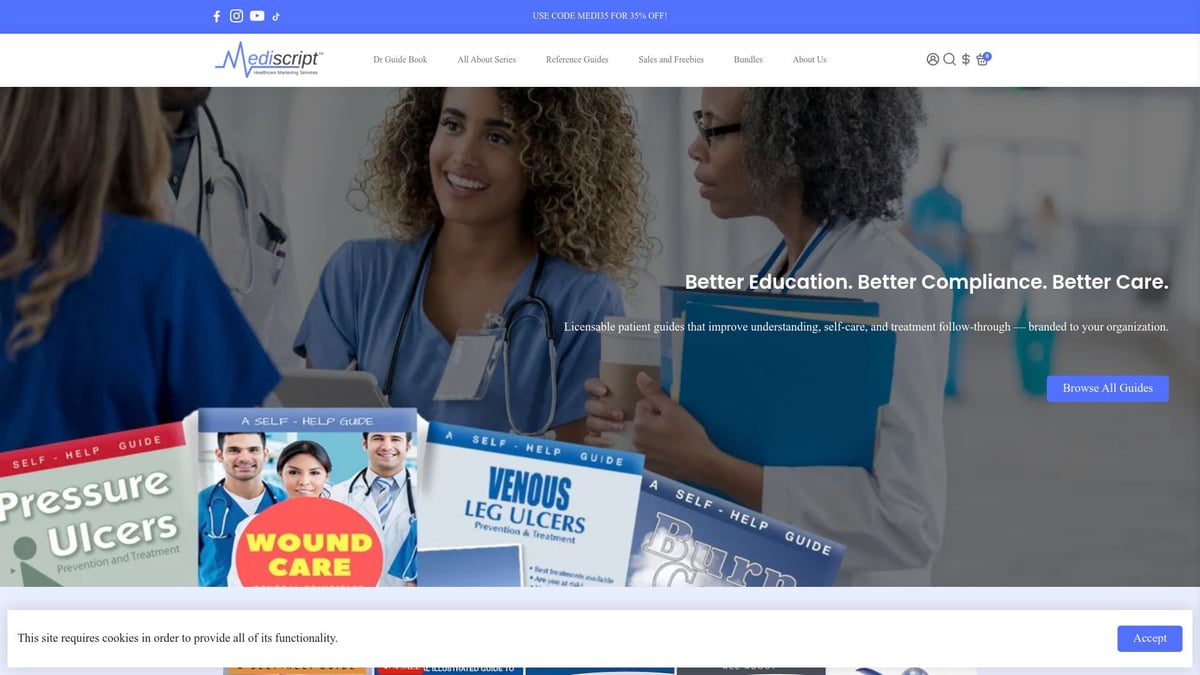
Used by clinics, pharmacies, and educational institutions worldwide, Mediscript materials enhance patient outcomes by supporting ongoing education. Instant access to downloadable resources ensures patients and caregivers are empowered with reliable, actionable information throughout the healing journey.