

As we enter 2025, the landscape of health education material is rapidly evolving to serve a more informed and digitally connected world. The need for clear, accessible, and engaging resources has never been greater, especially as technology shapes how information is delivered and consumed.
This essential guide will explore the latest trends, best practices, and practical steps for selecting, creating, and implementing effective health education material in the coming year. You will discover what makes these materials impactful, the newest formats and technologies, and the growing importance of accessibility and inclusivity.
Whether you are a healthcare professional or an organization, you will find actionable strategies to leverage these advancements for better health outcomes. Dive in to learn how to make the most of modern health education resources.
Defining Health Education Material in 2025
As we move into 2025, the definition and scope of health education material have expanded significantly. With growing digital connectivity and evolving patient needs, understanding what makes these resources effective is essential for both professionals and organizations.
What Are Health Education Materials?
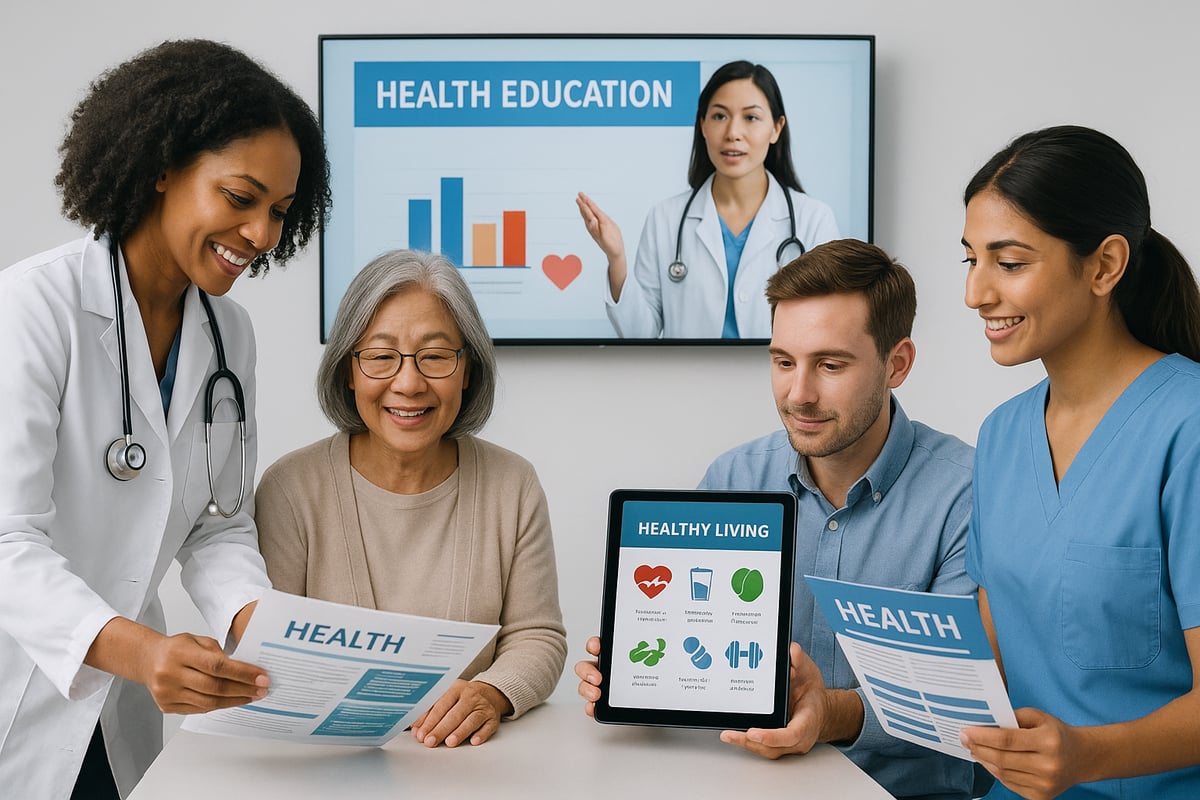
Health education material includes any resource created to inform or guide individuals about health topics in a clear, approachable way. These materials range from traditional brochures and posters to digital guides, interactive mobile apps, videos, and e-books. For example, a printed handout explaining diabetes management or an app that tracks asthma symptoms both qualify as health education material.
These resources are foundational for patient care, community health, and preventive education. According to Kaiser Permanente, over 80% of healthcare providers use some form of patient education material in their daily practice. The most effective materials are evidence-based, accessible, and actively engage their intended audience. As digital formats become more prevalent, downloadable options such as Patient Education PDF Resources make health education material more widely available and easier to update.
Key Characteristics of Effective Materials
Not all health education material is created equal. Effective resources share several important characteristics that set them apart. They use plain language that is simple to read, supported by clear visuals and infographics to help users quickly grasp complex information.
Content should be evidence-based and current, drawing from reputable clinical guidelines. Materials must be customizable for different audiences, including age, culture, and language. Practical tools like checklists, diaries, and step-by-step guides are often included to encourage active learning.
Digital compatibility is essential for both remote and in-person use, allowing health education material to reach more people. For instance, the Children’s Health Fund’s “Healthy BASICS” series is known for its simple, accurate, and culturally relevant content, making health education material both practical and inclusive.
| Characteristic | Why It Matters |
|---|---|
| Plain language | Improves understanding for all users |
| Clear visuals | Supports comprehension and retention |
| Evidence-based | Ensures accuracy and reliability |
| Customizable | Meets diverse audience needs |
| Digital compatibility | Increases reach and flexibility |
The Evolving Role in Patient Outcomes
The role of health education material is transforming from passive information to interactive, dynamic learning. In 2025, patients are not just readers—they are active participants. Interactive tools like apps and quizzes make learning more engaging, supporting better compliance and self-management.
Health education material helps improve health literacy, empowering patients to make informed decisions. These resources are used by healthcare professionals, caregivers, schools, and community organizations. For example, Mediscript’s guides have been shown to improve patient compliance and overall outcomes.
It is important to remember that health education material serves as an adjunct to clinical treatment, not a replacement. Its purpose is to enhance understanding and support, leading to healthier communities and individuals.
Trends Shaping 2025 Health Education Materials
Several key trends are shaping the future of health education material in 2025. There is a growing demand for digital, mobile-friendly formats that offer instant access and interactive features. Multilingual and culturally competent resources are essential to reach diverse populations.
Health education material is increasingly integrated with telehealth and patient portals, making personalized education easier and more effective. Free downloads and noncommercial use are also on the rise, as seen with organizations like the Children’s Health Fund.
By recognizing these trends, professionals and organizations can ensure their health education material remains relevant, accessible, and impactful for all users.
Formats and Technologies: What’s New and What Works
The landscape of health education material is rapidly evolving, offering more options than ever before. As digital tools become mainstream and patient needs diversify, selecting the right format is crucial for effective communication. Today’s formats blend tradition with innovation, combining print, digital, interactive, and visual elements to meet learners where they are. Staying ahead of the curve requires understanding the strengths and limitations of each approach, as well as recognizing the trends shaping tomorrow’s resources. For a deeper dive into how new platforms and AI-driven solutions are influencing healthcare education, see Top Trends in Healthcare Education for 2025.
Print vs. Digital: Pros, Cons, and Use Cases
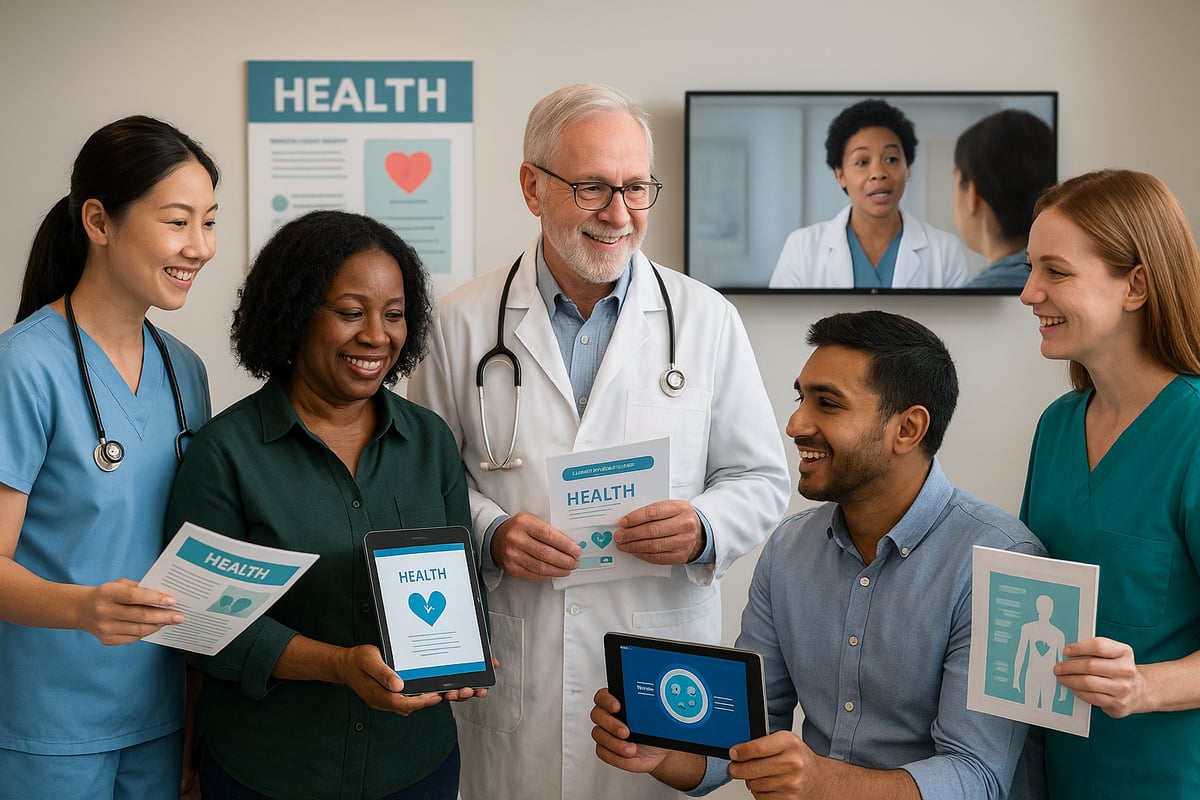
Print and digital formats both play essential roles in delivering health education material. Print resources, such as brochures and posters, are tangible and easy to distribute in clinics, schools, and community centers. They are especially valuable in areas with limited internet access or among populations less comfortable with technology.
Digital health education material, on the other hand, offers instant access, interactive elements, and the ability to update content quickly. Digital formats are scalable and can be used for remote care, telehealth, and home learning environments. Clinics often provide both printable PDFs and digital downloads to accommodate different preferences.
Here’s a quick comparison:
| Format | Pros | Cons | Use Cases |
|---|---|---|---|
| Tangible, no tech needed, easy in-person sharing | Harder to update, static | Clinics, schools, outreach | |
| Digital | Interactive, updatable, scalable, instant access | Tech access required | Remote care, telehealth |
Choosing the best health education material format depends on your audience’s needs and the context of use.
Interactive Tools and Mobile Applications
Mobile apps and interactive tools are redefining how people engage with health education material. These platforms offer features like symptom trackers, medication reminders, video tutorials, and quizzes that actively involve users in their care journey.
For example, chronic disease management apps provide real-time feedback and help patients monitor their health daily. This interactivity increases engagement and supports better health outcomes. The Family Asthma App from Children’s Health Fund is a prime example, allowing families to track symptoms and access educational videos.
Interactive health education material is especially effective for tech-savvy users and younger demographics. It empowers patients to take charge of their health, facilitates ongoing communication with providers, and allows for data sharing that can inform care decisions.
Video and Visual Content
Video and visual content have become integral to modern health education material, making complex topics more accessible and memorable. Short educational videos can simplify procedures, explain treatment options, or demonstrate self-care techniques in a way that text alone cannot.
Visual aids like infographics and illustrated guides help learners grasp information quickly. For example, Kaiser Permanente’s “Alcohol and Health: Let's Rethink How We Drink” video distills critical information into a format that’s easy to watch and understand. Visuals also improve retention and make content more appealing to diverse audiences.
By incorporating video and visual health education material, organizations can bridge literacy gaps and engage learners regardless of their reading level or language proficiency.
Multilingual and Culturally Relevant Materials
The demand for multilingual and culturally relevant health education material is higher than ever. Populations are increasingly diverse, and effective communication requires more than translation; it calls for cultural adaptation and sensitivity.
Organizations like Children’s Health Fund and Kaiser Permanente offer materials in Spanish, Russian, Tagalog, and other languages. These resources reflect the values, beliefs, and lived experiences of different communities, building trust and ensuring the material resonates.
Developing health education material that is both multilingual and culturally tailored fosters inclusivity and improves health outcomes. It also supports professionals working in multicultural settings who need reliable, accessible content for every patient.
Integration with Telehealth and EHRs
Health education material is now often embedded directly into telehealth platforms and patient portals. This integration means patients receive personalized educational resources based on their medical records and care plans.
For example, digital guides linked to electronic health records (EHRs) provide tailored recommendations, reinforcing provider instructions and supporting ongoing self-management. This approach streamlines communication and enhances the patient experience.
As telehealth continues to expand, integrating health education material within digital workflows ensures that education is timely, relevant, and actionable. It also allows for tracking usage and measuring the impact on patient outcomes.
Accessibility and Universal Design
Ensuring that health education material is accessible to all is a top priority in 2025. Materials must comply with ADA and WCAG standards, providing options like large print, audio versions, and easy-read formats for individuals with differing abilities.
Universal design principles ensure that health education material is usable by people of all ages, backgrounds, and literacy levels. For example, brochures for elementary and middle school students use simple language and clear visuals to maximize understanding.
Accessibility not only meets legal requirements but also demonstrates a commitment to equity in health education. By prioritizing inclusive design, organizations make sure their health education material reaches everyone who needs it.
Accessibility, Inclusivity, and Health Literacy in 2025
Ensuring everyone can benefit from health education material is more important than ever. In 2025, accessibility and inclusivity are not just ideals but essential standards. Over 25 percent of U S adults live with a disability, and many face barriers to understanding health information. Meeting legal requirements such as the ADA and Section 508 is crucial, but so is embracing ethical responsibility. For those looking to implement best practices, the Disability and Inclusivity Best Practices Guide offers actionable steps for creating truly accessible resources.
Why Accessibility and Inclusivity Matter
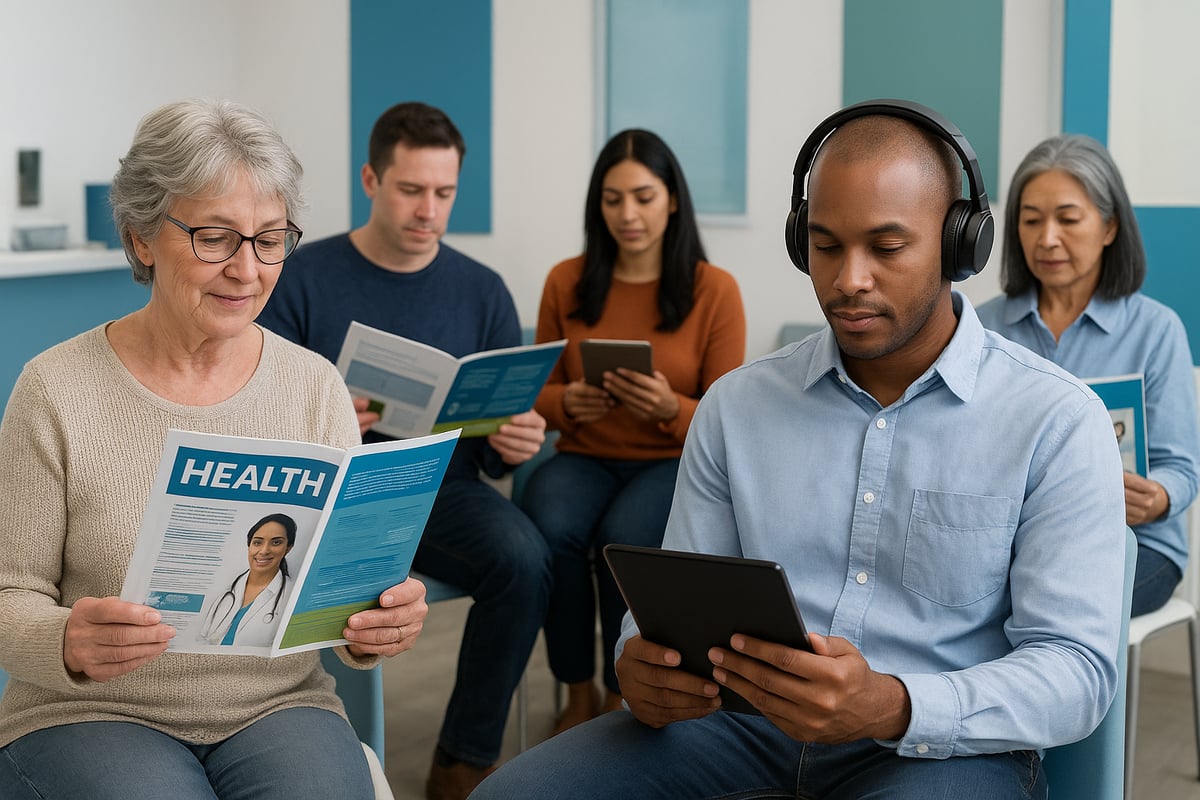
Accessible health education material ensures that no one is left behind. When materials are designed for all abilities, patients and caregivers can make informed choices. Legal standards like the ADA and Section 508 are now baseline expectations. Ethically, it is about fairness and equal opportunity. Data shows that improved access leads to better health outcomes, reduced disparities, and higher engagement across communities. By embracing accessibility, organizations demonstrate respect for diversity and create lasting impact.
Strategies for Inclusive Health Education Materials
To create inclusive health education material, professionals should focus on multiple strategies:
- Use plain language and clear, supportive visuals.
- Offer content in multiple formats: print, digital, audio, and video.
- Include representation in images and examples to reflect the audience’s diversity.
- Test materials with people from different backgrounds and abilities.
- Provide interactive elements, such as quizzes or checklists, to engage users.
For example, the “Healthy BASICS” series offers culturally relevant brochures for children in several formats. These strategies make health education material more effective and trusted by the communities they serve.
Addressing Language and Cultural Barriers
Language and culture shape how people understand and use health education material. Effective resources go beyond direct translation, using localization to match cultural context. Community involvement in development ensures messages resonate and are respected. For instance, asthma and diabetes guides are now available in both English and Spanish, with content tailored to each group’s needs. Bridging these gaps builds trust and improves outcomes for all populations.
Health Literacy: Meeting Patients Where They Are
Health literacy remains a challenge for millions. Creating health education material that matches the audience’s reading level is critical. This includes providing step-by-step instructions, glossaries for complex terms, and frequently asked questions sections. Mediscript’s plain-language guides offer practical examples of how to simplify complex health topics. Meeting patients where they are helps empower individuals to take control of their health.
Legal and Ethical Considerations
Legal and ethical standards are foundational for any health education material. Requirements include:
| Requirement | Details |
|---|---|
| HIPAA Compliance | Protect patient data in all digital formats |
| ADA/508 | Ensure materials are accessible to all abilities |
| Copyright | Use only licensed or freely available resources |
| Distribution | Clarify free versus commercial use |
Organizations like Children’s Health Fund provide free downloads to support equitable access. By following these guidelines, professionals protect both themselves and their audiences.
Measuring Impact and Feedback Loops
Continuous improvement is vital for health education material. Use user surveys, quizzes, and analytics to track comprehension and usage. Collect feedback regularly and update resources based on new evidence and user needs. This iterative approach ensures materials stay relevant and effective for everyone.
Step-by-Step Guide: Creating and Implementing Health Education Materials in 2025
Creating effective health education material in 2025 requires a strategic, audience-centered approach. By following a clear, step-by-step process, professionals and organizations can ensure their resources are relevant, accessible, and outcome-driven.

Step 1: Assess Audience Needs and Learning Preferences
Start by identifying who will use your health education material. Consider age, literacy level, language, cultural background, and health status.
Gather input directly from patients, caregivers, and professionals through surveys or focus groups. This ensures your health education material addresses real concerns and fits the way your audience prefers to learn.
Ask questions like: What information do they need? Do they prefer visual aids or written instructions? By understanding these factors, your health education material will be better received and more effective.
Step 2: Select the Right Format and Platform
Choose the most suitable format for your health education material based on your audience’s needs and the context. Options include print brochures, digital guides, videos, mobile apps, or a hybrid approach.
Think about access to technology and preferred learning styles. For instance, tech-savvy families may engage best with apps, while clinics might rely on print handouts. Matching format to context ensures your health education material reaches its intended users.
Evaluate which platforms will best support ongoing updates and accessibility. This step sets the stage for meaningful engagement.
Step 3: Develop Content with Evidence-Based Best Practices
Use current clinical guidelines and reputable sources to create your health education material. Write in plain language, focusing on clarity and accuracy. Incorporate visuals, diagrams, or interactive elements to support understanding.
Pilot test your health education material with a small group from your target audience. Gather feedback to identify confusing sections or gaps in information. Adjust content as needed before wider distribution.
Practical tools like checklists and step-by-step guides can make your health education material actionable and memorable. This practice builds trust and encourages positive health outcomes.
Step 4: Ensure Accessibility and Cultural Competence
Make your health education material accessible to everyone, regardless of ability or background. Translate content for different languages and adapt examples to reflect various cultures.
Test your materials for ADA and WCAG compliance, including large print, audio options, and easy-to-read layouts. Involve community representatives to review your health education material for cultural sensitivity.
By addressing both accessibility and cultural competence, you create resources that truly resonate and empower diverse populations.
Step 5: Distribute and Promote Materials
Ensure your health education material is available through multiple channels. Offer digital downloads, print copies, and mobile apps to maximize reach. Partner with clinics, schools, and community groups for broader distribution.
Leverage social media and telehealth platforms to promote new resources. For easy access to customizable resources, explore Free Health Education Downloads, which supports broad, equitable distribution of health education material.
Strategic promotion helps your material make a measurable impact across settings.
Step 6: Evaluate Effectiveness and Update Regularly
Track how your health education material is used and whether it achieves its goals. Use analytics, user surveys, and comprehension quizzes to gather data.
Collect feedback from patients and professionals to identify areas for improvement. Update your health education material regularly as guidelines, technologies, and user needs evolve.
Continuous evaluation and revision ensure your resources remain current, relevant, and effective.
Step 7: Case Examples from 2025
Several organizations exemplify best practices in health education material. Children’s Health Fund developed disaster preparedness guides tailored for families. Kaiser Permanente launched multilingual diabetes and asthma action plans.
Mediscript created branded, customizable health education material for clinics and pharmacies, enhancing both patient outcomes and professional workflows.
These real-world examples show how a thoughtful process leads to impactful, widely adopted health education material.
Best Practices and Resources for Professionals and Organizations
Professionals and organizations face increasing demands to provide effective health education material in diverse healthcare and community settings. Staying ahead requires a strategic approach that combines careful curation, staff development, collaborative partnerships, and ongoing evaluation. The following best practices help ensure your health education material remains relevant, accessible, and impactful.
Curating and Sourcing High-Quality Materials
Selecting the right health education material begins with reputable sources. Look for publishers with a strong track record, such as Mediscript, Kaiser Permanente, and the Children’s Health Fund. Evaluate each resource for evidence-based content, clarity, and cultural relevance.
Consider materials that offer licensing options and customization to better fit your audience. Visual formats like posters can boost engagement and understanding. For guidance on making the most of posters as health education material, see the Health Education Poster Guide.
Regularly review materials to ensure they reflect current medical guidelines and local needs. This proactive approach supports better outcomes and trust within your community.
Training Staff and Educators
Equipping staff with the skills to deliver health education material is essential. Offer onboarding sessions that cover both traditional and digital formats. Training should include health literacy principles, accessibility standards, and cultural competence.
Interactive workshops, webinars, and e-learning modules can make training more engaging. Encourage staff to share feedback and best practices. This commitment to ongoing education ensures your team remains confident and effective in using health education material.
Collaborating with Community Partners
Strong partnerships with schools, non-profits, and advocacy groups expand the reach of your health education material. Working together allows for co-development of resources tailored to specific community needs.
Involve local leaders and families in content creation and review. Partnerships like the Ample Table for Everyone nutrition initiative show how joint efforts can address gaps in health education material. Collaboration fosters trust, relevance, and greater impact.
Leveraging Technology for Distribution and Engagement
Digital platforms play a pivotal role in distributing health education material. Patient portals, mobile apps, and social media channels increase accessibility and engagement. Embedding resources into telehealth or electronic health records streamlines access for both patients and providers.
For practical approaches to delivering health education material at home, explore Home Health Education Strategies. Technology enables you to reach broader audiences and respond quickly to changing needs.
Evaluating and Updating Organizational Resources
Continuous evaluation is vital for maintaining effective health education material. Schedule regular audits to assess clarity, accuracy, and cultural fit. Solicit feedback from both staff and users to identify strengths and areas for improvement.
Use surveys, analytics, and focus groups to measure impact. Stay current with emerging guidelines and trends, updating your health education material as necessary. This iterative process helps sustain high standards and relevance.
Mediscript: A Trusted Source for Health Education Materials
Mediscript stands out as a leading provider of health education material, offering customizable guides and ebooks for a wide range of health topics. Their resources are designed for clarity, practicality, and evidence-based accuracy.
Healthcare professionals, pharmacies, and educators worldwide rely on Mediscript for both print and digital materials. Options for branding and licensing allow organizations to tailor content for their unique audiences. Positive reviews highlight the effectiveness of Mediscript’s health education material in supporting patient empowerment and compliance.
Future Outlook: Innovations and Opportunities in Health Education Materials
As we look toward the future, the landscape of health education material is poised for dramatic transformation. Emerging technologies, evolving data strategies, policy shifts, and new models of collaboration are shaping how information is delivered and accessed. Let us explore the innovations and opportunities that will define health education material in the years ahead.
Predicting the Next Wave of Health Education Tools
The next generation of health education material will harness cutting edge technologies to drive engagement and understanding. Artificial intelligence will personalize content, adapting to each user's needs and learning pace. Augmented reality and virtual reality are set to bring immersive experiences, helping users visualize anatomy, treatments, and self care techniques in real time.
Blockchain may play a role in securing patient education records, ensuring privacy and traceability. These tools make health education material more interactive, memorable, and actionable. For a deeper look at how AR and VR are advancing accessibility in healthcare, see Advancing Digital Accessibility in Healthcare.
The Role of Data and Analytics
Data and analytics are revolutionizing how health education material is refined and delivered. By collecting usage metrics and feedback, organizations can adjust materials to better serve patient needs. Real time analytics allow for immediate course corrections, ensuring materials remain relevant and effective.
Predictive analytics can spotlight at risk populations, enabling targeted outreach and tailored interventions. This data driven approach ensures that health education material evolves alongside patient populations and emerging health trends.
Policy, Funding, and Public Health Initiatives
Government agencies and non profits are providing essential support to make health education material accessible and up to date. Grants and funding initiatives are driving the development of digital, multilingual, and inclusive resources. New standards are emerging to ensure content quality, accessibility, and cultural competence.
For an overview of how educational trends influence policy and funding, the OECD's Trends Shaping Education 2025 report offers valuable insights. These initiatives ensure that health education material remains a central pillar of public health strategies.
Addressing Gaps and Challenges
Despite progress, significant barriers remain in health education material delivery. Bridging the digital divide is essential, as not all communities have equal access to technology or the internet. Regular updates are needed to reflect new evidence and guidelines, a challenge in a rapidly changing health landscape.
Establishing universal standards for health literacy and accessibility is another key priority. By addressing these gaps, organizations can ensure that health education material reaches those who need it most.
Opportunities for Collaboration and Expansion
Collaboration across healthcare, education, and technology sectors will unlock new opportunities for health education material. Partnerships with community groups and international organizations can foster the sharing of best practices and resources. Open access and creative commons licensing will expand the reach of high quality materials globally.
By working together, stakeholders can amplify impact, drive innovation, and ensure that health education material empowers people everywhere to take charge of their health.