


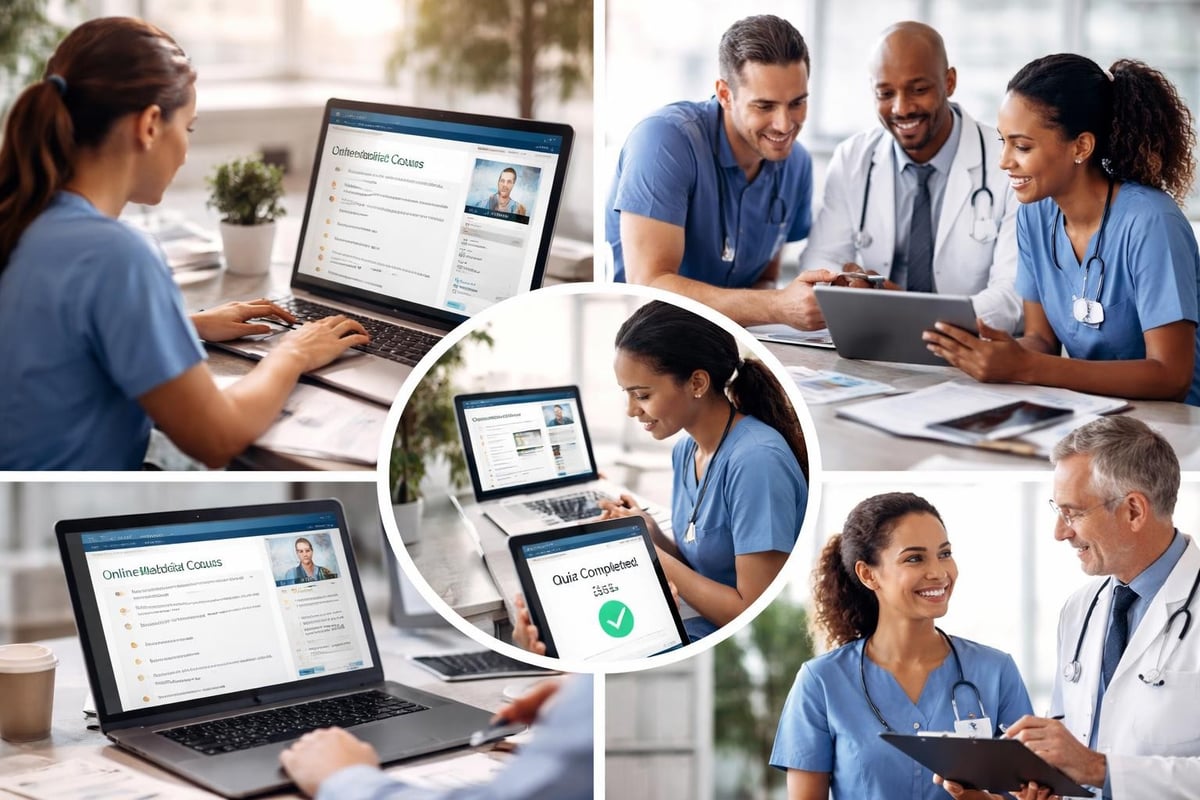
The healthcare industry faces unprecedented challenges in maintaining workforce competency while managing demanding schedules, evolving regulations, and rapid medical advances. Digital learning platforms have emerged as essential solutions, enabling healthcare professionals to access training materials anytime, anywhere. E learning in healthcare represents more than convenience-it addresses critical gaps in professional development, patient safety, and care quality while reducing costs associated with traditional classroom instruction. As medical knowledge expands exponentially, the ability to deliver consistent, evidence-based education through digital channels has become fundamental to modern healthcare systems.
The Growing Necessity of Digital Education in Healthcare Settings
Healthcare organizations worldwide recognize that traditional training methods cannot keep pace with industry demands. The shift toward digital education reflects practical realities facing hospitals, clinics, pharmacies, and educational institutions today.
Consider the logistical challenges of coordinating classroom sessions across multiple shifts, departments, and geographic locations. Digital platforms eliminate these barriers by delivering standardized content accessible on demand. Healthcare professionals can complete required training modules during breaks, before shifts, or between patient appointments without disrupting clinical operations.
Key drivers accelerating adoption include:
- Regulatory compliance requirements demanding documented continuing education
- Staff shortages necessitating efficient onboarding and cross-training processes
- Evidence-based practice updates requiring rapid knowledge dissemination
- Cost pressures pushing organizations toward scalable training solutions
- Geographic distribution of healthcare facilities across regions
Research demonstrates that e-learning tools enhance qualifications and skills of healthcare professionals in specialized fields like medical imaging and radiation therapy. The ability to standardize educational content while accommodating individual learning paces represents a significant advantage over traditional methods.
Designing Effective Digital Learning Programs for Medical Professionals
Creating impactful educational experiences requires more than transferring lecture notes to digital formats. Successful programs incorporate instructional design principles aligned with adult learning theory and healthcare-specific requirements.
Content Structure and Accessibility
Healthcare professionals need concise, focused modules that address specific competencies. Microlearning approaches deliver information in digestible segments, typically 5-15 minutes, allowing learners to complete training during available time windows. This format proves particularly effective for busy clinical staff juggling patient care responsibilities.
Content must meet diverse learning preferences through multiple formats. Text-based materials work alongside videos, interactive simulations, case studies, and knowledge checks. For patient education topics, combining explanatory content with visual aids mirrors the multimodal approach that healthcare professionals use when improving patient care.
| Content Format | Primary Benefit | Best Use Case |
|---|---|---|
| Video Demonstrations | Visual skill modeling | Procedural competencies |
| Interactive Scenarios | Decision-making practice | Clinical reasoning |
| Reference Documents | Quick information access | Protocols and guidelines |
| Assessment Quizzes | Knowledge verification | Compliance documentation |
| Discussion Forums | Peer learning | Complex case analysis |
Mobile-First Platform Considerations
Modern healthcare workers access information primarily through smartphones and tablets. Responsive design ensuring seamless experiences across devices has transitioned from optional feature to fundamental requirement. Platforms must support offline access, enabling learners to download materials for completion in areas with limited connectivity.
The integration of e learning in healthcare systems extends beyond individual training. Organizations leverage learning management systems that track completion rates, assessment scores, and competency attainment across entire workforces. These analytics inform decisions about curriculum adjustments, additional support needs, and compliance reporting.
Addressing Specialized Healthcare Education Domains
Different healthcare sectors require tailored approaches reflecting unique educational needs and regulatory environments. Understanding these distinctions ensures programs deliver relevant, actionable knowledge.
Continuing Professional Development
Medical professionals face ongoing requirements to maintain licenses and certifications. The American Hospital Association offers e-learning resources covering critical topics like implicit bias training and social determinants of health. These programs must balance accessibility with rigor, ensuring learners acquire current knowledge while meeting credential standards.
E learning in healthcare continuing education provides flexibility for professionals managing clinical responsibilities, family obligations, and educational requirements simultaneously. Asynchronous delivery allows physicians, nurses, pharmacists, and allied health workers to pursue credits without sacrificing patient care or personal time.
Academic Healthcare Programs
Educational institutions preparing future healthcare professionals increasingly incorporate digital components into curricula. The Association of Faculties of Pharmacy of Canada provides open-access e-learning modules for healthcare students covering contemporary topics like e-prescribing and virtual care.
Blended learning models combining online theory with hands-on clinical practice optimize resource utilization. Students review foundational concepts through digital modules before applying knowledge during supervised patient interactions. This approach maximizes valuable face-to-face time with instructors while ensuring consistent baseline knowledge across cohorts.

Patient Education and Compliance Support
Healthcare providers recognize that informed patients achieve better outcomes. Digital resources extend provider education by equipping professionals to deliver consistent patient teaching. When healthcare teams understand patient compliance principles, they communicate treatment plans more effectively.
Training programs preparing staff to utilize patient education materials enhance care delivery across settings. Pharmacies, clinics, and hospitals benefit when employees understand how to present complex medical information in accessible formats. Resources like health education materials become more effective when paired with staff training on their deployment.
Measuring Impact and Ensuring Learning Effectiveness
Organizations investing in digital education need evidence demonstrating return on investment beyond completion statistics. Comprehensive evaluation frameworks assess multiple dimensions of program success.
Assessment Strategies Beyond Basic Quizzes
Effective measurement combines knowledge assessments with competency demonstrations and performance outcomes. Pre-tests establish baseline understanding, while post-tests verify knowledge acquisition. However, true effectiveness appears in workplace application.
Consider these evaluation layers:
- Immediate reaction: Learner satisfaction and engagement metrics
- Knowledge retention: Assessment scores and concept mastery
- Behavior change: Observable practice modifications
- Clinical outcomes: Patient safety indicators and quality measures
- Organizational impact: Efficiency gains and cost reductions
Research highlights the importance of evaluation in e learning within healthcare sectors, emphasizing the need for engaging and effective online education that translates to improved patient care.
Data-Driven Program Refinement
Learning analytics reveal patterns guiding continuous improvement. High failure rates on specific assessments indicate content needing clarification or additional examples. Low completion rates for certain modules suggest length, relevance, or accessibility issues requiring attention.
Organizations should establish feedback mechanisms allowing learners to report technical problems, content gaps, or suggestions for enhancement. Healthcare professionals possess firsthand knowledge about information needs in clinical settings. Incorporating their insights strengthens program relevance and utility.
| Metric Category | Key Indicators | Action Implications |
|---|---|---|
| Engagement | Completion rates, time on task | Identify barriers to participation |
| Knowledge Acquisition | Assessment scores, attempts required | Adjust content difficulty and clarity |
| Clinical Application | Competency observations, error rates | Strengthen practice scenarios |
| Satisfaction | Feedback ratings, qualitative comments | Enhance user experience elements |
Integration with Healthcare Workflow and Systems
Successful implementation requires seamless integration with existing technologies and processes. Isolated platforms demanding separate logins and navigation create friction reducing adoption.
Technical Infrastructure Requirements
Modern learning management systems should integrate with employee databases, scheduling systems, and electronic health records where appropriate. Single sign-on capabilities eliminate password fatigue. Calendar integration enables automated reminders about upcoming required training.
Mobile applications supporting push notifications keep learning visible amid competing priorities. Badges, certificates, and progress tracking maintain motivation through visual achievement indicators. Gamification elements, when appropriately implemented, increase engagement without diminishing educational seriousness.
Healthcare facilities pursuing clinical care excellence recognize that staff education directly impacts patient outcomes. Technology infrastructure supporting e learning in healthcare must align with broader organizational goals around quality improvement and safety culture.
Change Management Considerations
Transitioning from traditional training approaches requires addressing resistance and building digital literacy. Some healthcare professionals, particularly those with decades of experience, may feel uncomfortable with technology-based learning. Providing technical support, offering orientation sessions, and demonstrating clear benefits facilitate smoother adoption.
Leadership commitment signals organizational priority. When administrators actively participate in digital learning initiatives and reference program content during meetings, staff recognize education as valued rather than merely checked boxes. Celebrating achievements and sharing success stories reinforces positive associations with the learning platform.
Specialized Applications Across Healthcare Sectors
E learning in healthcare adapts to diverse organizational types and specialties, each presenting unique opportunities and challenges.
Hospital Systems and Integrated Networks
Large healthcare systems leverage digital platforms to standardize training across multiple facilities. New employees receive consistent onboarding regardless of location. Clinical protocol updates deploy simultaneously system-wide, ensuring uniform practice standards.
American Society for Health Care Engineering offers e-learning courses for healthcare facility managers and design professionals, demonstrating specialized applications beyond direct patient care. Support services including facilities management, administration, and information technology benefit from tailored digital education programs.
Pharmacy Practice Environments
Community pharmacies utilize digital training for medication counseling techniques, immunization certification, and therapeutic updates. Staff members learn about patient education resources that enhance medication adherence conversations. Pharmacists completing continuing education through online platforms maintain credentials while managing retail operations.
Academic Medical Centers
Teaching hospitals face dual education missions: training the current workforce and preparing future professionals. E learning in healthcare academic settings supports both populations. Residents access just-in-time learning resources during rotations. Medical education integration explores strategies for healthcare professionals adopting new instructional delivery modes.

Content Development Best Practices for Medical Topics
Creating effective healthcare education materials demands subject matter expertise combined with instructional design skills. Content must be scientifically accurate, clinically relevant, and pedagogically sound.
Ensuring Clinical Accuracy and Currency
Medical knowledge evolves continuously as research generates new evidence. Content developers must establish review processes ensuring materials reflect current best practices. Subject matter experts including physicians, nurses, and specialists should validate information before publication.
Update cycles prevent obsolescence. Annual reviews identify content requiring revision based on guideline changes, new medications, or updated protocols. Version control tracks modifications maintaining audit trails for compliance purposes.
Organizations publishing healthcare books and educational materials understand the critical balance between comprehensiveness and accessibility. Digital formats enable more frequent updates than print publications while maintaining the same quality standards.
Writing for Diverse Healthcare Audiences
Healthcare professionals span educational levels from high school graduates in support roles to doctoral-level specialists. Effective content adjusts complexity appropriately while avoiding condescension. Clear language, defined terminology, and contextual examples enhance comprehension across audiences.
Visual elements including diagrams, flowcharts, and photographs support text explanations. For procedural training, video demonstrations showing proper techniques prove more effective than written descriptions alone. Interactive elements like drag-and-drop exercises or branching scenarios increase engagement and knowledge retention.
Regulatory Compliance and Accreditation Considerations
Healthcare education exists within heavily regulated environments. Programs must satisfy multiple oversight bodies including licensing boards, accreditation organizations, and governmental agencies.
Documentation and Reporting Requirements
Learning management systems must capture detailed records proving completion and competency. Reports should include learner identification, module titles, completion dates, assessment scores, and time invested. These records support audits by regulatory bodies and satisfy employer obligations.
Continuing education providers often require accreditation from professional organizations. Programs must meet standards regarding content quality, instructional design, conflict of interest disclosure, and assessment rigor. Maintaining accreditation enables learners to claim credits toward license renewal.
Key compliance elements include:
- Accurate tracking of participation and completion
- Secure storage of learner records with appropriate privacy protections
- Transparent disclosure of commercial relationships and funding sources
- Regular content reviews ensuring clinical accuracy
- Accessible formats accommodating learners with disabilities
Privacy and Security Protocols
Healthcare education platforms handle sensitive information including employee identities, performance data, and sometimes patient information in case studies. Systems must implement appropriate security measures protecting data from unauthorized access, complying with regulations like HIPAA where applicable.
Encryption of data transmission and storage, regular security audits, and access controls limit exposure risks. Clear policies govern data retention, sharing, and deletion procedures. Users deserve transparency about how their information will be used and protected.
Future Directions and Emerging Technologies
The landscape of e learning in healthcare continues evolving as technological capabilities expand and educational needs grow more sophisticated.
Artificial Intelligence and Adaptive Learning
AI-powered platforms can personalize learning pathways based on individual performance, adjusting content difficulty and focus areas automatically. Learners struggling with specific concepts receive additional resources and practice opportunities. Those demonstrating mastery proceed efficiently through materials without unnecessary repetition.
Natural language processing enables intelligent tutoring systems answering learner questions and providing explanations. Chatbots offer 24/7 support for technical issues and basic inquiries, reducing barriers to completion.
Virtual and Augmented Reality Applications
Immersive technologies create realistic training environments for high-stakes procedures without patient risk. Surgical simulations allow repeated practice of complex techniques. Emergency response scenarios build decision-making skills under pressure. Virtual reality particularly benefits training for rare events where real-world experience opportunities prove limited.
Augmented reality overlays digital information onto physical environments. Healthcare workers might use AR glasses displaying procedural steps during actual patient care, blending learning with practice. Studies examining e-learning effectiveness indicate that well-designed digital tools significantly improve healthcare professional competencies.
Social and Collaborative Learning
Digital platforms increasingly incorporate social features supporting peer interaction and community development. Discussion forums, collaborative case studies, and group projects build relationships among geographically dispersed learners. Healthcare professionals value opportunities to share experiences and learn from colleagues facing similar challenges.
Communities of practice formed through learning platforms extend beyond formal courses. Ongoing knowledge sharing, mentorship relationships, and informal consultation networks emerge when platforms facilitate connection. Healthcare professional organizations recognize the value of sustained engagement beyond isolated training events.
Overcoming Common Implementation Challenges
Organizations pursuing digital transformation in healthcare education encounter predictable obstacles. Anticipating these challenges and planning mitigation strategies increases success likelihood.
Addressing Time Constraints
Healthcare professionals consistently cite lack of time as the primary barrier to completing training. Organizations must create dedicated learning time within work schedules rather than expecting completion during personal time. Protected education periods signal institutional commitment while ensuring equitable access across staff.
Microlearning approaches respect time limitations by delivering essential information efficiently. Brief modules fitting into 10-15 minute windows prove more achievable than hour-long sessions requiring uninterrupted focus.
Technical Literacy Variations
Not all healthcare workers possess equal comfort with digital technologies. Providing orientation sessions introducing platform navigation, demonstrating key features, and offering ongoing technical support reduces frustration. User-friendly interfaces with intuitive design minimize learning curves.
Help resources should include multiple formats: written guides, video tutorials, and live assistance options. Peer mentors can support colleagues struggling with technical aspects, building skills while strengthening workplace relationships.
Maintaining Engagement and Motivation
Self-directed learning requires internal motivation that can wane without external accountability. Completion deadlines, manager check-ins, and public recognition of achievements sustain momentum. Tying education to advancement opportunities or performance evaluations raises stakes beyond simple compliance.
Content quality directly impacts engagement. Studies show that engaging e-learning produces better outcomes than passive consumption of information. Interactive elements, relevant scenarios, and multimedia variety maintain attention better than text-heavy presentations.
E learning in healthcare has transitioned from experimental supplement to essential infrastructure supporting workforce development, regulatory compliance, and quality patient care. Organizations embracing digital education platforms gain flexibility, consistency, and scalability impossible through traditional training methods. Whether you're preparing healthcare professionals for clinical excellence or equipping them to deliver effective patient teaching, the right educational resources make all the difference. Mediscript provides customizable, evidence-based health education materials that complement digital learning initiatives, empowering healthcare teams to improve patient outcomes through accessible, professionally developed resources designed for real-world application.