


Understanding when to seek medical advice represents one of the most critical skills for maintaining health and wellbeing. In today's information-saturated world, patients face the challenge of distinguishing between minor ailments that can be managed at home and serious conditions requiring immediate professional attention. This comprehensive guide explores the key indicators that should prompt medical consultation, examines the role of health education in informed decision-making, and provides practical frameworks for evaluating symptoms across different scenarios.
Recognizing Warning Signs That Require Professional Attention
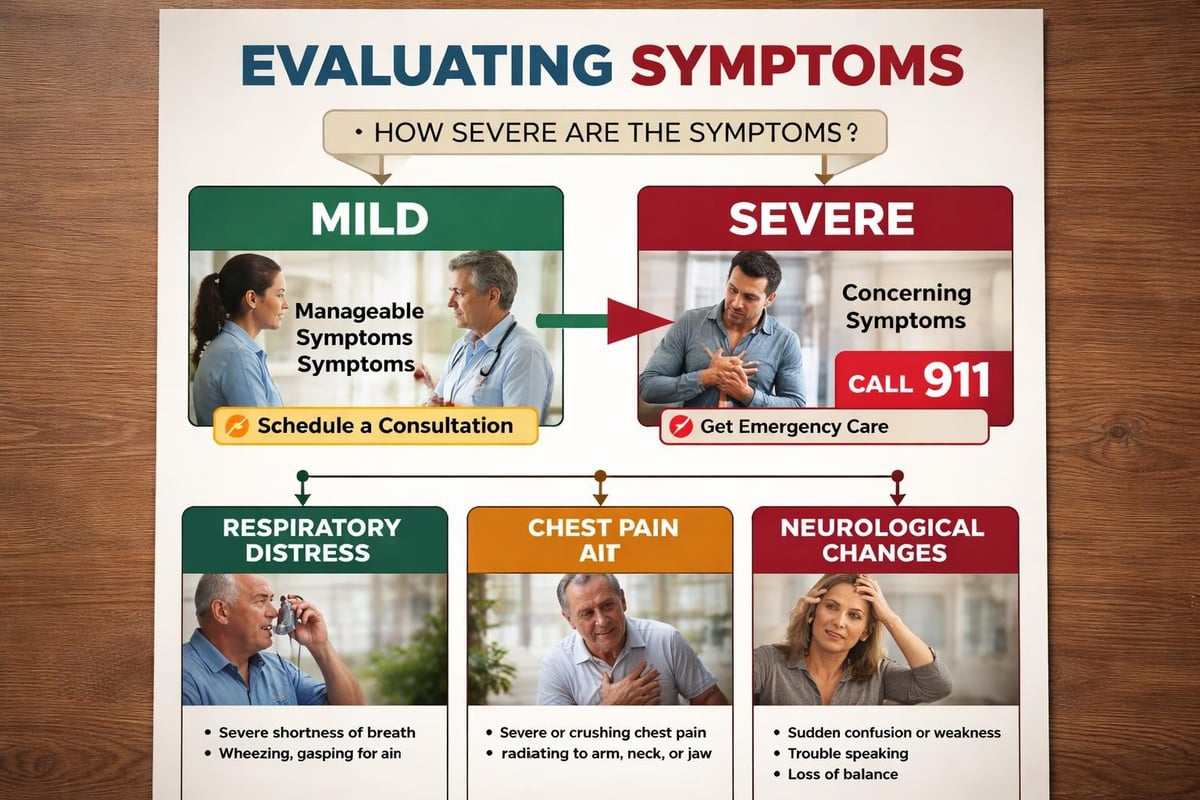
Certain symptoms demand immediate medical evaluation regardless of their apparent severity. Acute chest pain, particularly when accompanied by shortness of breath, radiating discomfort, or sweating, should never be dismissed as indigestion or muscle strain.
Similarly, sudden neurological changes warrant urgent assessment. These include:
- Sudden severe headache unlike any previously experienced
- Vision changes or loss affecting one or both eyes
- Difficulty speaking or understanding speech
- Weakness or numbness on one side of the body
- Loss of balance or coordination
UC San Diego Health's guidance on critical symptoms requiring immediate attention emphasizes that these presentations may indicate stroke, aneurysm, or other life-threatening conditions where minutes matter.
Respiratory Symptoms Requiring Evaluation
Breathing difficulties require careful assessment to determine urgency. Severe shortness of breath at rest, inability to speak in complete sentences, or bluish discoloration of lips or fingernails necessitates emergency care.
However, not all respiratory concerns require emergency intervention. Persistent cough lasting beyond three weeks, gradual worsening of breathlessness over days or weeks, or recurrent respiratory infections suggest the need to seek medical advice during regular office hours rather than emergency departments.
Understanding Chronic Symptoms and When Consultation Becomes Necessary
Unlike acute emergencies, chronic symptoms develop gradually and require different evaluation criteria. Unexplained weight loss exceeding ten pounds over three months without dietary changes deserves investigation, as outlined in resources from UofL Health regarding doctor visit indicators.
Persistent Pain and Discomfort Patterns
Pain lasting beyond expected healing timeframes signals the need for professional evaluation. While minor injuries typically resolve within days to weeks, pain persisting beyond six weeks may indicate underlying conditions requiring diagnosis and treatment.
| Symptom Duration | Action Level | Rationale |
|---|---|---|
| 0-3 days | Self-care observation | Most minor conditions resolve naturally |
| 3-14 days | Consider consultation if worsening | Prevents complications from developing |
| 14+ days | Seek medical advice | Chronic symptoms require professional diagnosis |
| Any sudden severe onset | Immediate evaluation | May indicate serious underlying condition |
Mediscript's patient care education materials provide detailed guidance for recognizing when common conditions transition from self-manageable to requiring professional intervention.
Navigating Online Health Information Responsibly
The internet has transformed how individuals research health concerns before choosing to seek medical advice. According to Pew Research Center's analysis of online health information seeking, millions of Americans turn to digital resources daily for medical guidance.
Quality assessment remains crucial when evaluating online health information. Reputable sources include:
- Government health agencies and academic medical centers
- Professional medical organizations and peer-reviewed journals
- Established health education publishers with clinical review processes
- Healthcare systems and licensed provider networks
However, online information should complement rather than replace professional medical evaluation. Recent research on trust in AI-generated medical responses highlights growing concerns about overreliance on automated health guidance without clinical context.
The Role of Online Health Communities
Online health communities offer peer support and shared experiences but cannot substitute for individualized medical assessment. While these platforms provide valuable emotional support and practical tips, only licensed healthcare providers can conduct proper differential diagnosis, order appropriate testing, and prescribe evidence-based treatment protocols.
Special Considerations for Vulnerable Populations
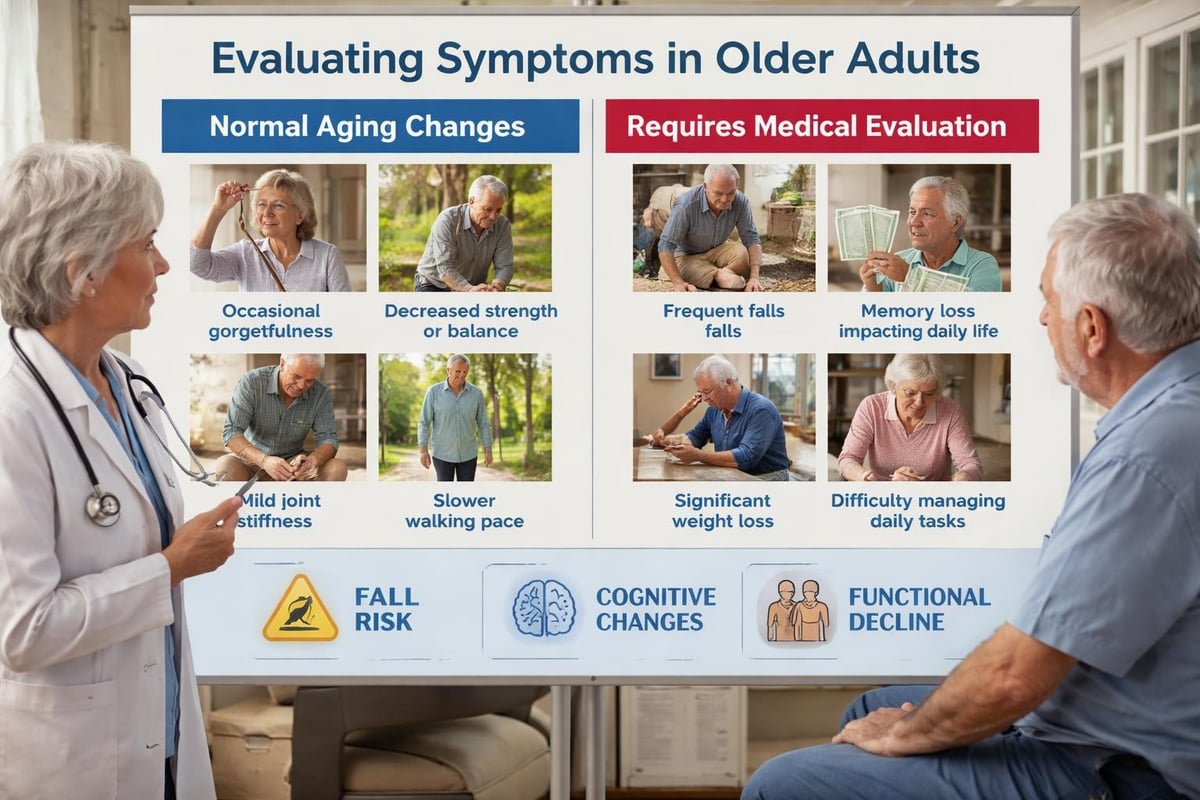
Certain groups require lower thresholds for seeking medical advice due to physiological vulnerability or communication challenges. Older adults, infants, immunocompromised individuals, and those with chronic conditions often present atypically and may deteriorate more rapidly.
Geriatric Population Warning Signs
Older adults may not exhibit classic symptoms of serious conditions. Confusion or sudden changes in mental status might indicate infections, medication reactions, or cardiovascular events rather than simple aging.
Key indicators prompting evaluation include:
- Unexplained falls or near-falls
- New or worsening confusion
- Decreased oral intake lasting more than 24 hours
- Changes in usual activity levels or responsiveness
- Difficulty managing previously routine tasks
Mediscript's comprehensive guides on elder care topics help caregivers recognize subtle changes that warrant professional assessment, including resources on preventing falls and managing confusion in elderly patients.
Chronic Condition Management and Follow-Up Care
Individuals with established diagnoses face ongoing decisions about when to seek medical advice for changes in their condition. Diabetes management, for example, requires regular monitoring with scheduled consultations, but certain changes demand more immediate attention.
Diabetes-Related Warning Signs
Patients managing diabetes should contact healthcare providers when experiencing:
- Blood glucose readings consistently above or below target ranges
- Symptoms of hypoglycemia not responding to usual treatment protocols
- New foot wounds or changes in sensation
- Vision changes or persistent blurred vision
- Increased urination, thirst, or unexplained fatigue
Educational resources like Mediscript's guide on managing Type 2 diabetes empower patients to distinguish between minor fluctuations and concerning trends requiring professional intervention.
Wound Care Assessment Criteria
Wound healing problems represent another area where patient education enhances appropriate care-seeking behavior. Normal healing follows predictable patterns, while deviations signal potential complications.
| Wound Characteristic | Normal Healing | Seek Medical Advice |
|---|---|---|
| Drainage | Decreasing over days | Increasing or foul-smelling |
| Pain level | Gradually diminishing | Increasing or severe |
| Redness | Limited to wound edges | Spreading or with streaks |
| Closure | Progressive over weeks | Wound edges separating |
Professional guidance, such as that provided in Mediscript's wound care general principles materials, helps patients and caregivers recognize when home management suffices versus when complications require clinical evaluation.
Medication-Related Concerns and Adverse Reactions
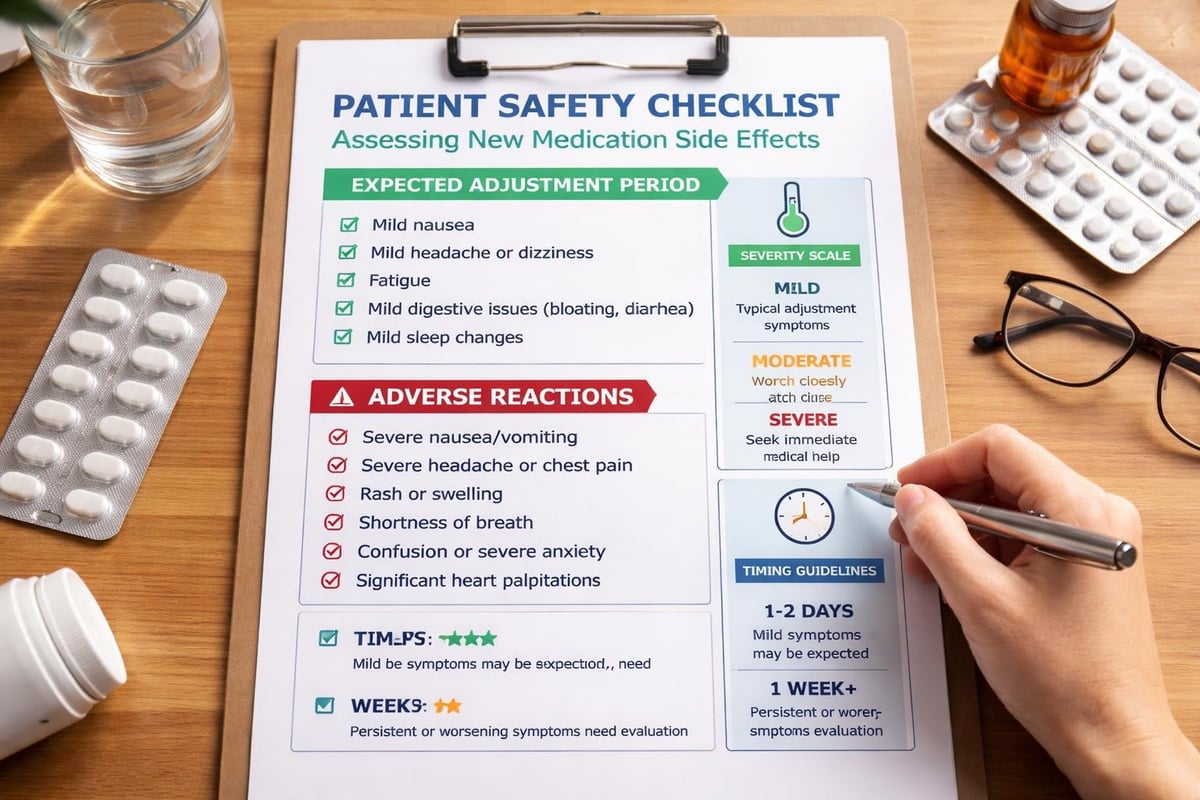
New medications or supplements introduce variables that may necessitate professional consultation. While minor side effects often resolve within days as the body adjusts, certain reactions require immediate medical attention.
Severe allergic reactions manifest through multiple organ systems and progress rapidly. Signs include difficulty breathing, facial or throat swelling, widespread rash or hives, rapid pulse, and dizziness or loss of consciousness. These symptoms demand emergency care rather than waiting for scheduled appointments.
Drug Interactions and Unexpected Symptoms
Patients taking multiple medications face increased risk of interactions producing unexpected symptoms. When starting new prescriptions or over-the-counter products, individuals should seek medical advice if experiencing:
- Unusual bruising or bleeding
- Extreme drowsiness or mental fog
- Rapid heartbeat or palpitations
- Digestive symptoms preventing medication absorption
- Muscle pain or weakness without clear cause
Reference materials on drug-vitamin supplement interactions help patients understand potential concerns, though healthcare providers must evaluate individual circumstances to determine clinical significance.
Mental Health Symptoms Warranting Professional Support
Mental health concerns deserve the same urgent attention as physical symptoms. Suicidal thoughts, plans to harm oneself or others, or inability to care for basic needs constitute psychiatric emergencies requiring immediate intervention through emergency services or crisis hotlines.
Less acute but still significant mental health changes also warrant consultation:
- Persistent sadness or anxiety lasting beyond two weeks
- Sleep disturbances affecting daily function
- Loss of interest in previously enjoyed activities
- Difficulty concentrating or making decisions
- Changes in appetite or energy levels
Early intervention improves outcomes, making it important to seek medical advice when mental health symptoms interfere with work, relationships, or quality of life rather than waiting for crisis situations to develop.
Prevention-Focused Medical Consultations
Not all reasons to seek medical advice involve existing symptoms. Preventive care encompasses screenings, vaccinations, and risk assessments that identify problems before symptoms develop.
Age-Appropriate Screening Schedules
Healthcare providers recommend different screening intervals based on age, gender, family history, and risk factors. Common preventive services include:
- Blood pressure and cholesterol monitoring
- Cancer screenings (breast, cervical, colorectal, prostate)
- Bone density assessment
- Vision and hearing evaluations
- Mental health screening
The Choosing Wisely campaign promotes informed conversations between patients and providers about which preventive services offer genuine benefit versus those with limited value for specific individuals.
Evaluating Symptom Severity and Urgency
Triage principles help determine appropriate response timing when deciding whether to seek medical advice. Life-threatening emergencies require calling emergency services immediately rather than driving to emergency departments or scheduling appointments.
Emergency situations include:
- Chest pain or pressure
- Severe difficulty breathing
- Uncontrolled bleeding
- Loss of consciousness
- Severe burns or trauma
- Symptoms of stroke
- Suspected poisoning or overdose
Guidance from HIV.gov on emergency care situations emphasizes that calling 911 ensures rapid response with appropriate equipment and trained personnel who can begin treatment en route to medical facilities.
Urgent Care Versus Primary Care Decisions
Between life-threatening emergencies and routine appointments lies the middle ground of urgent but non-emergency concerns. Urgent care facilities serve patients who need same-day evaluation for conditions like:
- Minor fractures or sprains
- Cuts requiring stitches but with controlled bleeding
- Moderate fever with concerning symptoms
- Urinary tract infection symptoms
- Minor allergic reactions without breathing difficulty
Primary care providers, when available through same-day appointments, often represent the better choice for continuity of care and access to complete medical records informing clinical decisions.
Building Patient Education Foundations for Informed Decisions
Effective health education empowers individuals to make informed decisions about when to seek medical advice. Comprehensive patient education materials provide symptom recognition guidance, expected disease progression information, and clear criteria for professional consultation.
Healthcare organizations, pharmacies, and educational institutions utilize standardized materials to ensure consistent, evidence-based messaging across diverse patient populations. These resources bridge gaps between brief clinical encounters and the ongoing information needs patients experience at home.
Quality educational materials share several characteristics:
- Clear language accessible to varied literacy levels
- Visual aids enhancing comprehension and retention
- Action-oriented guidance specifying when to contact providers
- Cultural sensitivity addressing diverse population needs
- Evidence-based content reviewed by clinical experts
Professional publishers specializing in health education, like those offering licensing options for digital patient education materials, ensure accuracy while maintaining readability for general audiences.
Overcoming Barriers to Seeking Medical Advice
Despite recognizing concerning symptoms, various barriers prevent individuals from pursuing appropriate medical consultation. Financial concerns, lack of insurance, transportation challenges, and fear of diagnosis all contribute to delayed care-seeking behavior.
Healthcare systems increasingly offer alternative access points addressing these barriers:
- Telemedicine consultations reducing travel requirements
- Sliding-scale fee structures based on income
- Community health centers serving underserved populations
- Patient navigators assisting with appointment scheduling and insurance questions
- Extended hours accommodating work schedules
Cultural factors also influence care-seeking decisions. Some communities emphasize self-reliance or harbor distrust of medical systems based on historical experiences. Culturally competent care and community health workers help bridge these gaps, building trust while respecting individual values.
Knowing when to seek medical advice protects health while preventing unnecessary healthcare utilization. This balance requires understanding warning signs, evaluating symptom patterns, and accessing reliable health information that supports informed decision-making. Mediscript provides healthcare professionals, pharmacies, and educational institutions with comprehensive, evidence-based patient education materials that empower individuals to recognize when symptoms warrant professional evaluation, supporting better health outcomes through informed, timely care-seeking decisions.