


Did you know that in 2025, chronic wounds affect nearly 2% of the global population, with cases rising due to aging and diabetes? Advances in medical science are transforming how we approach healing, making the doctor wound process more effective than ever. From smart dressings to virtual care, breakthrough treatments are speeding recovery and reducing complications. Expert-guided doctor wound care leads to faster healing and fewer setbacks. Ready to take control of your recovery? Explore this guide for the latest advice, step-by-step care, modern therapies, professional support, and proven prevention strategies.
Understanding Wounds: Types, Causes, and Risks
Caring for wounds is a complex process that requires a clear understanding of different wound types and their underlying causes. In 2025, the role of the doctor wound specialist has become even more crucial, as chronic conditions and an aging population drive an increase in complex cases. To provide the best care, it is essential to distinguish between acute and chronic wounds, recognize risk factors, and understand the real-world consequences of poor management.
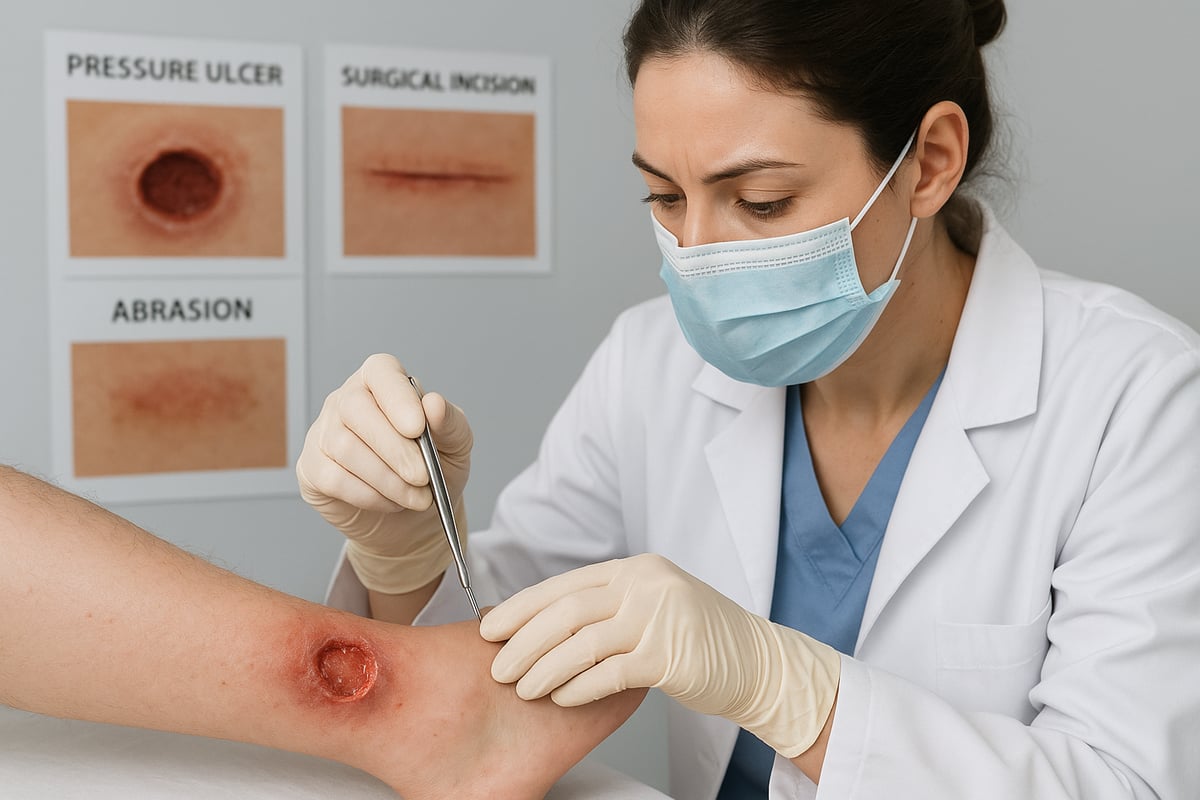
Acute vs. Chronic Wounds
Wounds are generally classified as either acute or chronic. Acute wounds, such as minor cuts or surgical incisions, typically heal within a predictable timeframe—usually less than four weeks—when managed appropriately. In contrast, chronic wounds fail to progress through the normal phases of healing and persist for longer periods, often due to underlying health conditions.
| Feature | Acute Wounds | Chronic Wounds |
|---|---|---|
| Healing Time | < 4 weeks | > 4 weeks |
| Examples | Abrasions, lacerations, surgical wounds | Pressure ulcers, diabetic ulcers, burns |
| Common Causes | Trauma, surgery | Disease, immobility, infection |
Recognizing whether a wound is acute or chronic allows a doctor wound provider to tailor the treatment plan for optimal outcomes.
Common Wound Types
There is a wide range of wounds encountered in clinical practice. Some of the most common types include:
- Abrasions: Superficial scrapes usually caused by friction.
- Lacerations: Deep cuts or tears in the skin.
- Punctures: Penetrating injuries from sharp objects.
- Surgical wounds: Incisions made during medical procedures.
- Pressure ulcers: Injuries from sustained pressure, often in immobile patients.
- Diabetic ulcers: Chronic wounds on the feet or lower limbs of people with diabetes.
- Burns: Damage caused by heat, chemicals, or electricity.
Each type requires a specific doctor wound protocol, as healing needs and risks vary depending on the wound’s origin and depth.
Causes and Risk Factors
Wounds may develop from a variety of causes, with trauma and surgery being the most frequent triggers for acute wounds. Chronic wounds often result from underlying health conditions like diabetes, vascular disease, or immobility. Infection can further complicate the healing process.
Risk factors that can delay or prevent healing include:
- Advanced age
- Poor nutrition
- Chronic diseases (e.g., diabetes)
- Medication use (steroids, immunosuppressants)
- Smoking
- Compromised immune status
A doctor wound assessment always takes these factors into account to reduce complications and promote better healing.
Prevalence, Impact, and Consequences
Chronic wounds now affect up to 2% of the population, with diabetic foot ulcers occurring in as many as 25% of people with diabetes at some point in their lives. The burden is significant, causing pain, reduced mobility, and sometimes even life-threatening complications. According to the Human Wound and Its Burden: Updated 2025 Compendium of Estimates, the economic impact of chronic wounds continues to rise, placing strain on healthcare systems worldwide.
Consider these examples:
- A bedridden patient develops a pressure ulcer due to immobility.
- Someone with diabetes notices a small foot wound that turns into a chronic ulcer.
- A surgical patient faces infection risks if postoperative wounds are not managed properly.
If left untreated or poorly managed, wounds can lead to infection, sepsis, amputation, prolonged hospitalization, and increased healthcare costs. The expertise of a doctor wound specialist is key for early intervention and avoiding these serious outcomes.
Step-by-Step Wound Care: Best Practices for Healing
Proper doctor wound care is essential to ensure optimal healing and prevent complications. By following a methodical approach, you can significantly reduce the risk of infection and promote faster recovery for all types of wounds.
Cleanliness and Preparation
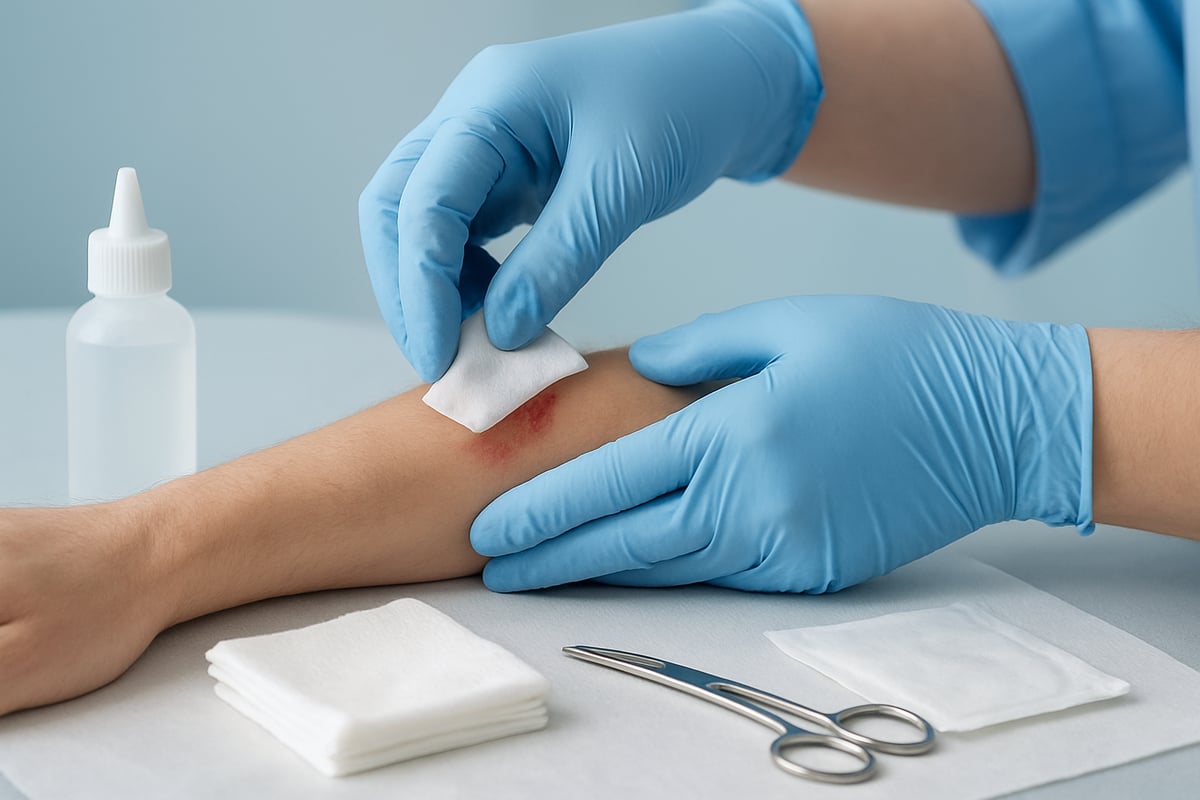
Before handling any wound, always wash your hands thoroughly with soap and water. Use sterile gloves if available. This first step in doctor wound care helps prevent introducing new bacteria and sets the stage for effective healing.
Essential Supplies for Wound Care
Gather the following items before you begin:
- Sterile gloves
- Saline solution or mild soap and water
- Sterile gauze pads
- Appropriate wound dressings
- Adhesive tape
- Antiseptics (as recommended)
- Tweezers (sterilized)
- Waste disposal bag
Having these supplies ready ensures a smooth doctor wound care process and minimizes the chance of further contamination.
Step 1: Stop the Bleeding
If the wound is bleeding, gently apply pressure with a clean gauze pad. Elevate the affected area if possible. Most minor cuts stop bleeding within minutes, but if bleeding persists, seek professional help. This initial step is crucial in any doctor wound protocol.
Step 2: Clean the Wound
Rinse the wound with sterile saline or cool running water. Use mild soap only on the surrounding skin, not inside the wound. Remove visible debris with sterilized tweezers. For example, after a scrape, cleaning prevents dirt from causing infection. Doctor wound care always prioritizes gentle cleaning to avoid tissue damage.
Step 3: Assess the Wound
Evaluate the wound’s depth, size, and presence of any foreign material. Is the wound shallow or deep? Is there a risk of contamination? Identifying these factors guides the next steps of doctor wound management.
Step 4: Apply Appropriate Dressings
Select a dressing that suits the wound type and moisture needs. For example:
- Use a non-stick pad for abrasions.
- Choose a hydrocolloid or foam dressing for chronic ulcers.
- Use antimicrobial dressings if infection risk is high.
Proper dressing selection in doctor wound care preserves moisture balance and shields the wound from bacteria.
Step 5: Change Dressings Regularly
Follow a consistent schedule, often once daily or as directed by a healthcare provider. Monitor for signs of infection each time you change the dressing. For chronic wounds, dressing changes may be less frequent, depending on exudate levels and doctor wound recommendations.
Step 6: Monitor Healing
Track the wound’s size, color, exudate, and pain level. Improvement should be visible within a week for minor wounds. If healing stalls, consult a doctor wound specialist. Keeping a wound diary can help identify trends or delays.
Step 7: Recognize Complications
Be alert for symptoms like increased redness, swelling, fever, or a foul odor. These are warning signs that require prompt medical evaluation. Early detection of complications is a cornerstone of successful doctor wound intervention.
Comparing Care for Minor and Chronic Wounds
| Step | Minor Cut Example | Chronic Ulcer Example |
|---|---|---|
| Cleaning | Saline, quick rinse | Gentle irrigation, careful debris removal |
| Dressing | Simple adhesive bandage | Advanced hydrocolloid or foam dressing |
| Monitoring | Daily for a few days | Ongoing, weekly reviews with a specialist |
| Complications | Rare, quick healing | Higher risk, requires vigilance |
Common Mistakes to Avoid
- Using harsh antiseptics that damage tissue
- Neglecting to keep the wound moist
- Touching the wound with unwashed hands
- Failing to change dressings on schedule
- Ignoring signs of infection
Following doctor wound care guidelines, such as those outlined in the Wound care general principles guide, helps you avoid these pitfalls and supports optimal healing.
Guideline-Based Best Practices
Refer to clinical recommendations for dressing change frequency and wound monitoring. For example, many guidelines suggest daily changes for acute wounds, but advanced dressings may be left in place for several days on chronic wounds. Consistency and attention to detail set doctor wound care apart.
Applying these step-by-step practices gives you the tools to manage wounds confidently at home or under medical supervision. When in doubt, always consult a healthcare professional to ensure the best outcome.
Advanced Treatments and Technologies in Wound Healing
The landscape of doctor wound management is rapidly evolving as new technologies and therapies redefine what is possible in 2025. Patients and professionals now have access to advanced tools that accelerate healing, reduce complications, and improve quality of life. These innovations are particularly crucial as chronic wounds become more common and complex, requiring evidence-based approaches for optimal results.
Negative Pressure Wound Therapy (NPWT)
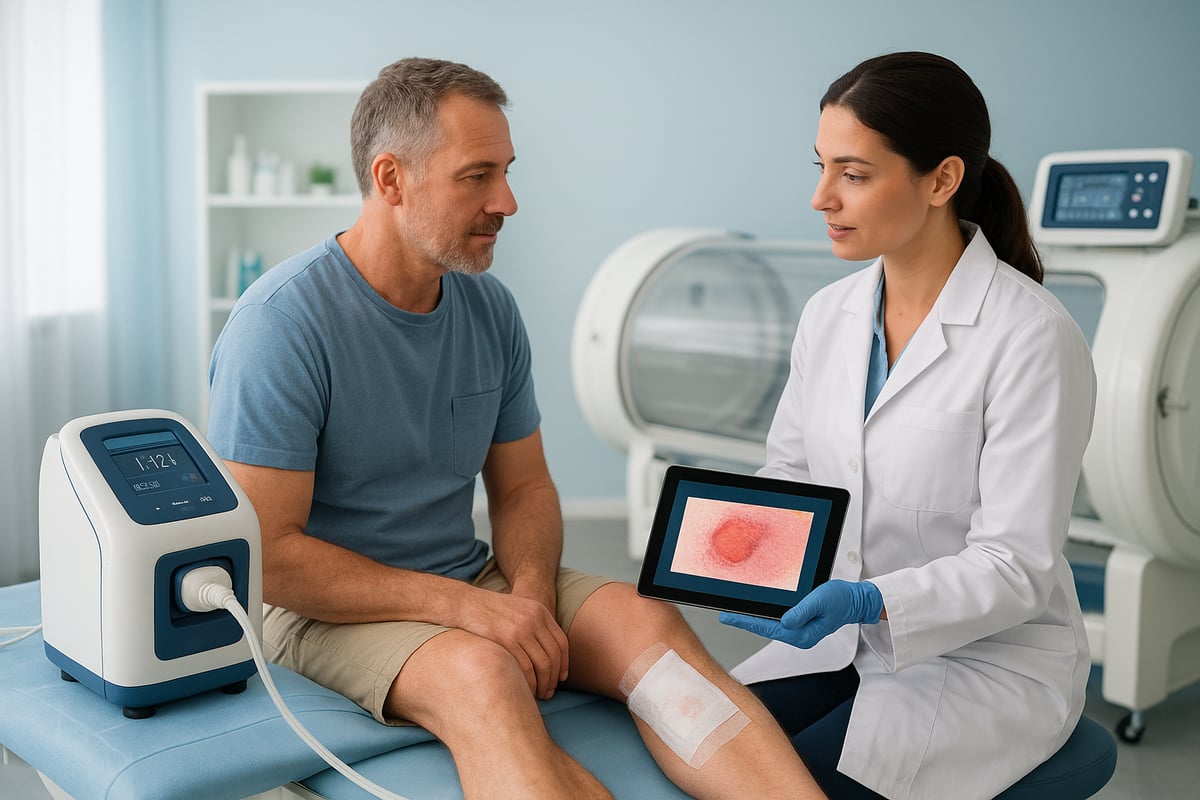
Negative Pressure Wound Therapy is a transformative option in doctor wound care. NPWT uses a vacuum dressing to draw out fluid and increase blood flow, creating the ideal environment for faster tissue repair. This method is especially valuable for large, deep, or chronic wounds, such as diabetic foot ulcers and surgical sites.
Patients benefit from reduced swelling, fewer dressing changes, and decreased risk of infection. For example, a patient with a non-healing surgical incision may see significant improvement within weeks using NPWT, compared to traditional dressings.
Hyperbaric Oxygen Therapy
Hyperbaric Oxygen Therapy (HBOT) delivers 100% oxygen at increased pressure, promoting healing in doctor wound cases where poor circulation or infection delays recovery. This therapy is most often used for chronic wounds, including diabetic ulcers, radiation injuries, and severe infections.
Clinical studies show improved healing rates and reduced risk of amputation for eligible patients. The process involves multiple sessions in a pressurized chamber, closely monitored by wound care specialists.
Growth Factors and Bioengineered Skin Substitutes
Modern doctor wound healing often employs bioengineered solutions when conventional therapies are not enough. Growth factors can be applied directly to wounds to stimulate cell growth and tissue regeneration. Bioengineered skin substitutes, made from human or animal cells, provide a temporary or permanent covering for complex wounds.
These treatments are especially effective for burns, venous ulcers, and traumatic injuries. For instance, a patient with a deep burn may experience faster closure and less scarring when treated with a bioengineered skin graft.
Laser and Light-Based Therapies
Laser and light-based therapies are emerging as valuable tools in doctor wound management. These non-invasive treatments use specific wavelengths to reduce inflammation, kill bacteria, and stimulate tissue repair. Chronic ulcers and slow-healing surgical wounds often respond well to laser therapy, leading to shorter recovery times and less discomfort.
Telemedicine and Digital Wound Monitoring
Virtual care is revolutionizing the way doctor wound cases are managed. Telemedicine platforms allow specialists to remotely assess wounds, provide guidance, and adjust treatment plans without requiring frequent in-person visits. Digital wound tracking apps enable both patients and healthcare teams to monitor healing progress, capture images, and log symptoms in real time.
These technologies improve access to care for those in rural or underserved areas, support adherence to care plans, and allow for early intervention if complications arise.
Data, Outcomes, and Market Trends
Advanced therapies in doctor wound care are not just theoretical—real-world results demonstrate measurable benefits. Studies reveal that patients treated with NPWT, HBOT, or bioengineered products experience faster healing, fewer infections, and reduced hospitalization rates.
The global advanced wound care market is projected to grow significantly as new modalities and products emerge. For a deeper look at these trends and the financial impact of technological advances, see the Advanced Wound Care Market Outlook 2025-2034.
In summary, the integration of innovative treatments and digital tools is transforming doctor wound management. Patients can expect faster healing, fewer complications, and a more personalized care experience as these technologies become standard practice.
Professional Support: The Value of Wound Care Specialists
When it comes to complex or slow-healing wounds, the expertise of a doctor wound specialist can make a profound difference in your recovery journey. These professionals include physicians, nurses, and podiatrists who are specially trained in advanced wound management. Their role goes beyond basic dressing changes, encompassing in-depth assessment, diagnosis, and tailored treatment planning. By staying updated with the latest research, a doctor wound specialist ensures that each patient receives evidence-based care for optimal healing.
A comprehensive approach is at the heart of every successful doctor wound team. Specialists assess not only the wound itself but also underlying health issues such as diabetes, vascular disease, or mobility limitations. This holistic perspective allows them to coordinate care across disciplines, working with dietitians, physical therapists, and primary care providers. For example, in multidisciplinary clinics, patients with pressure ulcers or diabetic foot wounds benefit from coordinated strategies that address both immediate wounds and the root causes behind them.
The benefits of professional wound care are clear. Patients under the supervision of a doctor wound specialist often experience faster healing, reduced risk of infection, and a lower chance of complications like amputation or prolonged hospitalization. Recent studies show that specialist-led care can cut hospitalization rates by up to 30% and decrease amputation risk in diabetic patients. These improvements translate into a better quality of life, with less pain, more independence, and shorter recovery times. For insights into how these benefits play out in real-world settings and current trends, you can explore Wound Care 5 in '25: Top Opportunities and Challenges.
Finding the right doctor wound specialist is crucial for your healing journey. Look for professionals with board certification in wound care, extensive clinical experience, and positive patient reviews. Multidisciplinary wound clinics often provide a team-based approach, offering access to a range of expertise in one location. When searching for a provider, consider their communication style, willingness to answer questions, and ability to tailor care to your unique needs.
During a specialist visit, you can expect a thorough wound assessment, discussion of treatment options, and detailed education on home care. The doctor wound team will provide clear instructions on dressing changes, signs of infection, and when to seek further help. Ongoing support may include telehealth check-ins or collaboration with home health nurses, ensuring continuity of care. For more on how home-based care integrates with professional support, see Home health care wound care.
By partnering with a doctor wound specialist, patients gain access to advanced resources, personalized treatment, and the reassurance of expert guidance at every stage of healing. This professional support forms the cornerstone of better outcomes for anyone facing a challenging wound.

Prevention Strategies: Reducing the Risk of Wounds and Complications
Effective prevention is the foundation of every doctor wound care plan. In 2025, proactive strategies are more important than ever as the population ages and chronic diseases become more common. Preventing wounds not only protects health, but also reduces healthcare costs and improves quality of life.
Why Prevention Matters
Preventing wounds is far easier and less costly than treating complications. Studies estimate that up to 85% of pressure ulcers and diabetic foot ulcers are preventable with the right measures. For anyone at risk, a doctor wound prevention plan is critical to avoid pain, infection, and lengthy hospital stays.
Daily Skin Care Habits
Simple daily routines can make a significant difference. Inspect your skin each day for cuts, blisters, or signs of redness, especially if you have limited mobility or diabetes. Moisturize regularly to prevent dryness and cracking. Treat minor scrapes promptly and use mild, fragrance-free cleansers.
For those with chronic conditions, following a doctor wound checklist helps catch problems early. Keeping skin clean and hydrated is the first line of defense against injury.
Pressure Ulcer Prevention Strategies
Individuals who are bedridden or use wheelchairs are at higher risk for pressure ulcers. Preventive steps include changing positions at least every two hours, using specialized mattresses or cushions, and conducting regular skin checks. Risk assessment tools help caregivers identify those most in need of intervention.
For in-depth prevention and care guidance, explore Pressure ulcers prevention and care, which provides expert strategies for both patients and caregivers. A doctor wound care team often leads these efforts, ensuring personalized plans and support.
Diabetic Foot Care Essentials
People with diabetes should pay special attention to foot health, as neuropathy and poor circulation increase the risk of ulcers. Daily foot inspections, proper hygiene, and wearing well-fitting shoes are essential. Blood sugar control and regular podiatry visits further lower risk.
To learn more about reducing your risk, review Diabetic foot ulcers prevention, which offers step-by-step doctor wound prevention tips for diabetic patients. Early intervention can prevent minor issues from becoming serious complications.
Nutrition, Infection Control, and Lifestyle
Good nutrition fuels the body’s natural healing abilities. A balanced diet rich in protein, vitamins A and C, and zinc supports healthy skin and tissue repair. Stay hydrated and avoid excessive alcohol.
Infection control is a cornerstone of doctor wound prevention. Practice thorough hand hygiene, use clean dressings, and keep immunizations up to date, such as tetanus shots. Adopting healthy habits like quitting smoking, managing weight, and staying active also reduces risk.
Real-World Impact and Guidelines
Prevention programs have led to dramatic reductions in wound rates among nursing home residents and diabetic populations. For example, targeted education and regular assessments have cut pressure ulcer incidence by over 50% in some facilities.
Following national and international guidelines ensures best practices in doctor wound care. Simple steps, taken consistently, save lives and resources every day.