


As 2026 approaches, the world of health care education is changing faster than ever. New technologies, global challenges, and shifting workforce needs are transforming how future professionals learn and grow.
This essential guide is designed for anyone navigating health care education—students, educators, or experienced professionals. You will discover the latest educational models, the role of technology, emerging career paths, and crucial details on accreditation and funding.
Stay ahead by understanding these trends and practical steps. Ready to unlock your potential in this evolving landscape? Dive into the comprehensive insights that follow.
The Changing Landscape of Health Care Education in 2026
The landscape of health care education has undergone a remarkable transformation over the past decade. As we approach 2026, rapid changes in society, technology, and the global workforce have reshaped how future health care professionals are trained. Multiple forces drive this evolution, including shifting demographics, the enduring impact of the COVID-19 pandemic, and an urgent need to address critical workforce shortages. These challenges have prompted educators and institutions to rethink traditional models and adopt innovative approaches.
One of the most significant changes in health care education is the rise of interdisciplinary and interprofessional learning environments. Programs now emphasize collaboration among physicians, nurses, pharmacists, and allied health professionals. This approach fosters teamwork, communication, and adaptability—skills increasingly valued in modern care settings. At the same time, there is a growing recognition that soft skills such as empathy, cultural competence, and problem-solving are just as vital as clinical expertise.
Curricula are also becoming more global and interconnected. International partnership programs and exchange opportunities have expanded, allowing students to gain diverse perspectives and experience health care systems worldwide. For example, UC San Diego has integrated continuing education for both clinical and non-clinical professionals, reflecting the need for lifelong learning and international collaboration.
Technology continues to play a central role in this new era. Since 2020, enrollment in online and hybrid health care education programs has surged by over 40 percent, according to competitor insights. This shift has made education more accessible and flexible, allowing learners to balance their studies with work and family responsibilities. Digital tools, virtual classrooms, and simulation labs have become essential components of the modern curriculum.
The health care workforce crisis remains a pressing concern, driving the demand for new educational models and faster pathways to credentialing. As highlighted in health care workforce crisis insights, the nationwide shortage of skilled professionals has prompted institutions to expand offerings in micro-credentials and certificate programs. These short-term, targeted credentials help learners quickly gain the competencies needed for in-demand roles, supporting both career advancement and workforce stability.
Lifelong learning is now the norm rather than the exception. Professionals are expected to continually update their skills through micro-credentials, continuing education, and specialized training. This trend not only benefits individual career growth but also ensures the health care system remains adaptable in a rapidly changing world.
In summary, health care education in 2026 is characterized by flexibility, innovation, and a commitment to meeting both current and future workforce needs. The integration of technology, emphasis on soft skills, and focus on global collaboration position students and professionals to succeed in an increasingly complex environment. As the sector continues to evolve, those who embrace these changes will be best equipped to thrive.

Core Educational Pathways and Credentials
Navigating the world of health care education in 2026 means understanding a complex, evolving set of pathways. As more students and professionals enter the field, the variety of credentials available continues to expand. Whether you are just starting your journey or seeking to advance your expertise, you will find flexible options to fit your career goals in health care education.
Undergraduate, Graduate, and Vocational Routes
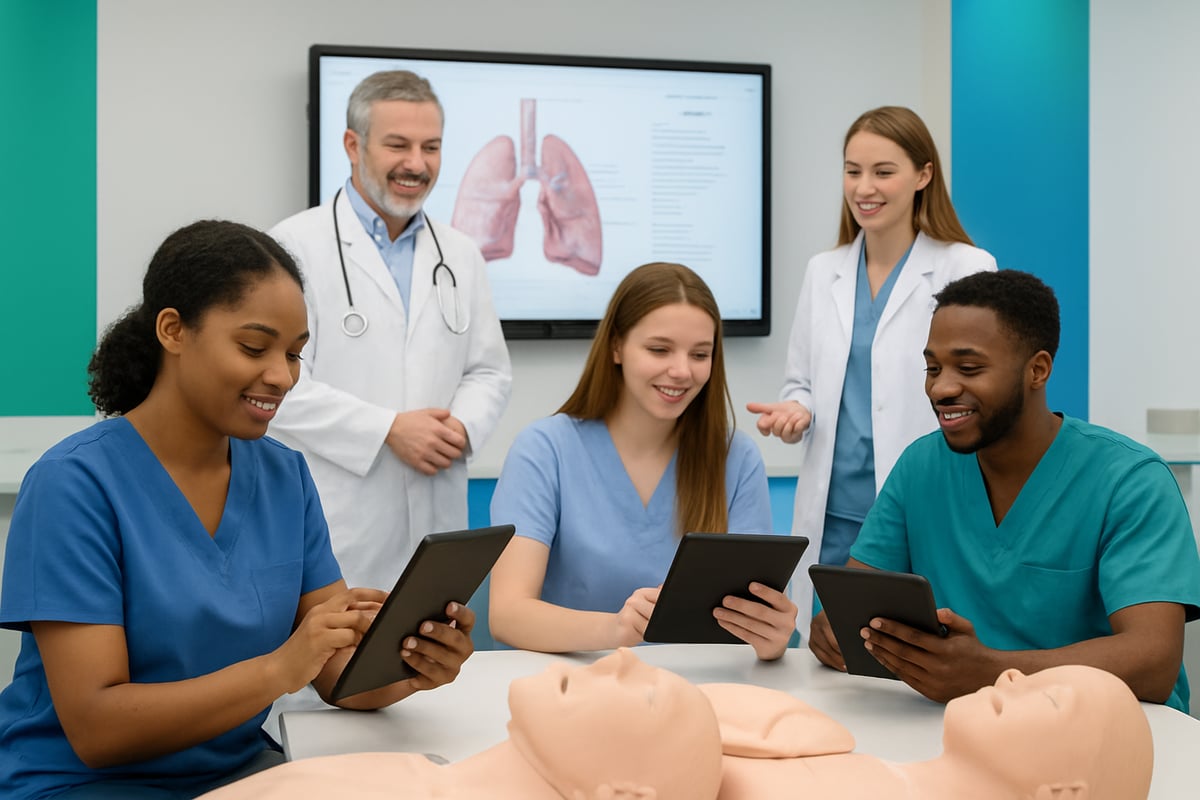
Health care education now offers several main entry points. Undergraduate programs include traditional four-year degrees such as Bachelor of Science in Nursing (BSN) or pre-medical studies. Graduate paths open doors to advanced roles through programs like Doctor of Medicine (MD), Master of Public Health (MPH), and Doctor of Pharmacy (PharmD). Vocational tracks, such as Licensed Practical Nurse (LPN) or Medical Assistant certifications, provide a quicker transition into the workforce.
This diversity in health care education allows students to select the route that matches their timeline, interests, and desired impact. Many start with vocational credentials, then return for higher degrees as their careers progress. The flexibility of these pathways supports a dynamic, lifelong learning model.
Medical, Nursing, Pharmacy, and Allied Health Programs
Specialized programs in health care education serve a wide array of interests and skills. Medical education remains rigorous, focusing on foundational sciences, clinical rotations, and residencies. Nursing programs, such as those offered by Mercy’s Nurse Residency and Graduate Medical Education, combine classroom learning with hands-on clinical practice.
Pharmacy education emphasizes pharmaceutical sciences alongside patient care skills. Allied health programs, including respiratory therapy, physical therapy, and diagnostic imaging, continue to grow in popularity. Each discipline within health care education is designed to address specific workforce needs and patient populations.
For nursing students, practical skill development is key. Many benefit from resources like How nursing students improve skills, which highlight real-world strategies for excelling in both academic and clinical settings.
Degrees, Certificates, and Micro-credentials
Today’s health care education system supports a wide spectrum of credentials. Traditional degrees provide deep, structured knowledge and are often required for licensure in clinical roles. Certificates focus on specialized skills and can be earned in less time, making them attractive for career pivots or advancement.
Micro-credentials, including digital badges, offer targeted learning in emerging topics. These are stackable, allowing professionals to build a custom portfolio of expertise. The table below outlines key differences:
| Credential Type | Duration | Focus | Flexibility | Career Impact |
|---|---|---|---|---|
| Degree | 2-8 years | Broad, in-depth | Moderate | Required for many roles |
| Certificate | Months-1 year | Specialized, practical | High | Adds specific skills |
| Micro-credential | Weeks-Months | Targeted, modular | Very High | Quick upskilling |
Stackable credentials are gaining momentum in health care education, empowering learners to adapt as the industry evolves.
Post-baccalaureate and Continuing Education
Post-baccalaureate programs cater to those seeking a second career or preparing for advanced study. These are particularly popular among non-traditional students or those changing fields. Continuing education is crucial for maintaining licensure and staying updated on best practices.
Institutions like UC San Diego have reported a significant rise in certificate and short-term program enrollments since 2020. This trend reflects the shift in health care education toward shorter, skill-focused learning that aligns with workforce needs.
Flexibility and Career Mobility
Career flexibility is a core advantage of modern health care education. Stackable credentials and modular learning let professionals pivot between clinical, administrative, and research roles. Mercy’s programs exemplify this, offering pathways for both new graduates and seasoned practitioners.
The evolving landscape of health care education supports not only upward mobility but also lateral movement across specialties. As the demand for adaptable, well-trained professionals grows, these flexible pathways ensure learners remain at the forefront of the field.
Integrating Technology and Innovation in Health Care Education
The landscape of health care education is rapidly transforming as digital innovation takes center stage. Institutions worldwide are reimagining how future health professionals learn, collaborate, and develop skills. Technology is not just an add-on—it is now a core pillar shaping every aspect of health care education.
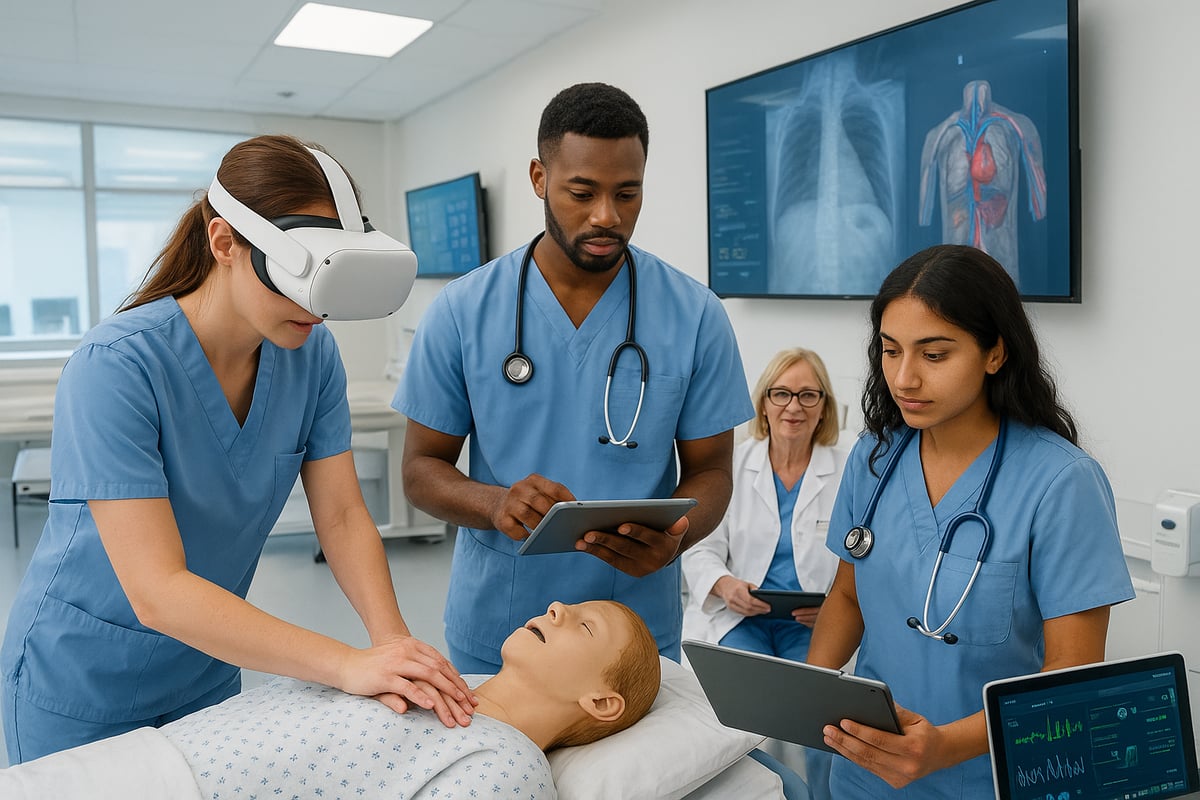
Digital transformation is evident in the adoption of learning management systems, e-portfolios, and telehealth training modules. These platforms allow students to track progress, access resources, and connect with mentors from anywhere. The shift to online and hybrid formats, as seen at UC San Diego, supports flexible learning tailored to individual needs. According to digital transformation in health sciences education, educators are increasingly embracing digital pedagogy to prepare students for real-world challenges. As a result, health care education now incorporates virtual classrooms, remote clinical simulations, and digital patient cases.
Artificial intelligence is revolutionizing health care education through smart tutors, adaptive testing, and data analytics. AI-powered platforms personalize learning experiences, offering instant feedback and tailored study plans for students. Adaptive assessments help identify strengths and gaps, ensuring competency in core areas. For example, students use AI simulations to practice clinical decision-making in safe, controlled environments. This focus on technology not only boosts engagement but also enhances the effectiveness of health care education.
Simulation labs and virtual patients are now standard features in modern health care education. Remote skills assessments and interactive case studies allow students to practice procedures and clinical reasoning without geographical constraints. UC San Diego’s use of live online, in-person, and hybrid formats exemplifies this trend. Data from industry reports show that 60 percent of health care students participate in at least one virtual simulation each semester, reflecting the mainstream adoption of these tools.
Technology brings significant benefits to health care education, but it also presents unique challenges. Below is a summary table:
| Benefits | Challenges |
|---|---|
| Improved access and flexibility | Digital divide and tech literacy |
| Real-time feedback | Maintaining clinical standards |
| Broader collaboration | Need for ongoing faculty training |
Despite these challenges, the future is promising. Emerging technologies like blockchain are poised to enhance credential verification and data security. The ongoing evolution of health care education will continue to emphasize innovation, ensuring that students and professionals are prepared for an ever-changing industry.
Funding and Financial Support for Health Care Education
Navigating the financial realities of health care education in 2026 requires careful planning and a proactive approach. With tuition rates steadily increasing and more students entering the field, understanding your funding options is crucial for long-term success.
The past five years have seen notable shifts in the cost of health care education. Average tuition for undergraduate and graduate programs has risen in line with inflation, but the surge in online and hybrid offerings has introduced more flexible, cost-effective pathways. More students are also choosing short-term certificates and micro-credentials to reduce financial burdens while advancing their careers.
A wide range of scholarships, grants, and loans are available to those pursuing health care education. Many institutions, such as UC San Diego and Mercy, have expanded their financial resource offerings to include need-based scholarships, merit awards, and veterans' benefits. These programs help ease the financial strain and make education more accessible to diverse student populations.
Employer-sponsored education is another growing trend. Health care organizations increasingly offer tuition reimbursement, paid internships, and professional development stipends. By partnering with local employers, students can offset costs and gain valuable work experience while completing their studies.
Government programs play a vital role in supporting health care education. The Workforce Innovation and Opportunity Act (WIOA) provides grants for eligible students, particularly those entering high-demand health care fields. Federal and state loan programs continue to be a primary source of funding, with a recent uptick in financial aid applications reflecting the sector’s growing popularity.
Below is a comparison of common funding sources:
| Funding Source | Description | Best For |
|---|---|---|
| Scholarships & Grants | Money that does not require repayment | High achievers, need-based |
| Loans | Borrowed funds, repaid with interest | All students |
| Employer Sponsorship | Tuition support from employers | Working professionals |
| Work-Study Programs | On-campus/clinical jobs for students | Those seeking experience |
| Government Programs | WIOA, federal/state aid, GI Bill | Veterans, low-income, career changers |
To minimize debt, consider enrolling in stackable credential programs, which allow you to earn certifications incrementally. Work-study and part-time learning options can also help balance income and educational expenses. Many students benefit from practical resources, such as those found in a patient education resources guide, which offer support tools and information for navigating the financial aspects of health care education.
Ultimately, the key to funding your health care education is to explore every available resource, stay informed about evolving aid options, and align your financial strategy with your career goals.

Practical Steps to Succeed in Health Care Education (2026 Edition)
Navigating health care education in 2026 requires a strategic approach, whether you are just beginning or advancing your career. The landscape is dynamic, shaped by technology, evolving credentials, and new learning formats. Following a clear set of practical steps can set you up for success and ensure you are prepared for the workforce of the future.
Step-by-Step Guide to Excelling in Health Care Education:
1. Assess Your Career Goals
Begin by reflecting on your long-term objectives. Are you drawn to clinical roles, administrative paths, or research? Understanding your interests will help you choose the most suitable health care education pathway.
2. Research Accredited Programs and Credentialing Requirements
Explore schools and programs that hold recognized accreditations. Accreditation ensures program quality and the transferability of credits, which is vital for your future career mobility in health care education.
3. Evaluate Program Formats: Online, Hybrid, or In-Person
Decide which format best fits your lifestyle and learning style. Many institutions now offer flexible online and hybrid options, making health care education more accessible than ever.
4. Consider Specialization and Emerging Fields
Look into fields with growing demand, such as health informatics, integrative nutrition, or genetic counseling. Staying informed about job market trends can help you select a specialization that aligns with future opportunities.
5. Plan Your Finances Early
Apply for scholarships, grants, and employer tuition support. Many students also benefit from stackable credentials or part-time learning options to reduce debt. Utilize financial planning tools offered by your chosen institution.
6. Prepare Application Materials and Meet Prerequisites
Gather transcripts, recommendation letters, and prepare for required tests. Some programs may require volunteer hours or relevant work experience as prerequisites for health care education.
7. Develop Digital Literacy and Soft Skills
Modern health care education places a premium on technological proficiency and interpersonal abilities. Familiarize yourself with online learning platforms, simulation tools, and AI-powered resources. For deeper insight, explore AI integration in medical education to understand how artificial intelligence is shaping learning and practice.
8. Leverage Student Support Services
Take advantage of mentoring, tutoring, and career counseling services. These resources can help you overcome challenges and stay motivated throughout your health care education journey.
9. Engage in Hands-On Experiences
Seek out practicums, internships, and shadowing opportunities. Programs like Mercy’s Child Life Practicum and UCSD’s student learning experiences offer real-world exposure, which is critical for building clinical skills and confidence.
10. Commit to Lifelong Learning and Professional Development
Stay current by participating in continuing education and earning micro-credentials. Health care education is an ongoing process, and adapting to new technologies and practices will keep you competitive.
Table: Summary of Success Steps in Health Care Education
| Step | Key Actions | Benefit |
|---|---|---|
| Career Assessment | Define goals and interests | Clear direction |
| Program Research | Verify accreditation and requirements | Program credibility |
| Format Evaluation | Choose online, hybrid, or in-person formats | Flexibility and access |
| Specialization | Align with emerging fields | Increased job prospects |
| Financial Planning | Apply for aid and plan expenses | Minimized debt |
| Application Preparation | Complete prerequisites and gather materials | Stronger application |
| Digital/Soft Skill Growth | Use tech tools, build communication skills | Modern workforce readiness |
| Support Services | Use mentoring and tutoring | Academic and career support |
| Hands-On Experience | Participate in practicums and internships | Practical skill development |
| Lifelong Learning | Continue education and professional growth | Career flexibility |
Practical Tips and Insights
Balance is key. Many students juggle work, study, and personal commitments, so time management is essential. Networking with peers and joining professional organizations can open doors to internships and future employment. Industry surveys reveal that 80% of successful graduates participated in extracurricular or experiential learning during their health care education, highlighting the value of active engagement.
Success in health care education depends on your willingness to adapt, seek support, and embrace innovation. By following these steps, you’ll be well-equipped to thrive in the ever-changing field of health care.
Inclusive and Accessible Health Care Education
Inclusive and accessible health care education is essential for shaping a diverse, skilled workforce. As the field evolves, institutions are prioritizing equitable access to ensure that every learner, regardless of background, can thrive. This focus not only benefits individual students but also strengthens the overall quality of patient care.
Barriers to health care education often include language differences, disabilities, and socioeconomic challenges. Addressing these requires targeted solutions. For example, Mercy’s multilingual support and accessible services have become models for other institutions. By providing resources in multiple languages and ensuring physical accessibility, programs help students from underrepresented groups participate fully in their education.
Universally designed curricula and campus facilities are now standard in leading programs. These principles ensure that health care education is adaptable for all students, including those with disabilities. Online learning has also expanded opportunities, particularly for rural and international students. Recent data shows a significant rise in enrollment among non-traditional and international students in online health care programs. Additionally, strategies outlined in Home health education strategies highlight how learning at home can remove barriers, making health care education more inclusive and flexible.
Many institutions have launched initiatives to support veterans, working adults, and caregivers. Flexible program formats, such as part-time study and asynchronous courses, help learners balance education with other responsibilities. Community partnerships and outreach programs extend these benefits, connecting underrepresented populations with resources and mentorship. These efforts foster a sense of belonging and open doors to new career opportunities.
Looking forward, inclusivity will continue to define the future of health care education. As more programs adopt universal design and leverage technology, the next generation of professionals will better reflect the communities they serve. By prioritizing access and support, educational leaders are shaping a field that is both innovative and equitable.