

Healthcare organizations worldwide recognize that improving patient outcomes represents the fundamental measure of quality care delivery. Beyond clinical interventions and advanced technology, the true determinant of success lies in how effectively patients understand their conditions, engage with treatment plans, and manage their health. Healthcare providers, educators, and institutions continue to seek evidence-based approaches that translate into measurable improvements in patient health, satisfaction, and long-term wellness.
The Foundation of Patient-Centered Care
Creating meaningful change in healthcare delivery requires understanding the multifaceted nature of patient outcomes. These outcomes encompass clinical measurements, functional status, patient satisfaction, and quality of life indicators. Effective hospital administration plays a crucial role in establishing systems that prioritize patient safety and well-being across all touchpoints.
Understanding Outcome Metrics
Healthcare professionals must track diverse metrics to evaluate care effectiveness:
- Clinical outcomes: Disease progression, complication rates, readmission statistics
- Functional outcomes: Mobility, independence, daily living activities
- Patient-reported outcomes: Pain levels, symptom management, quality of life
- Satisfaction metrics: Communication quality, care coordination, overall experience
- Compliance rates: Medication adherence, appointment attendance, lifestyle modifications
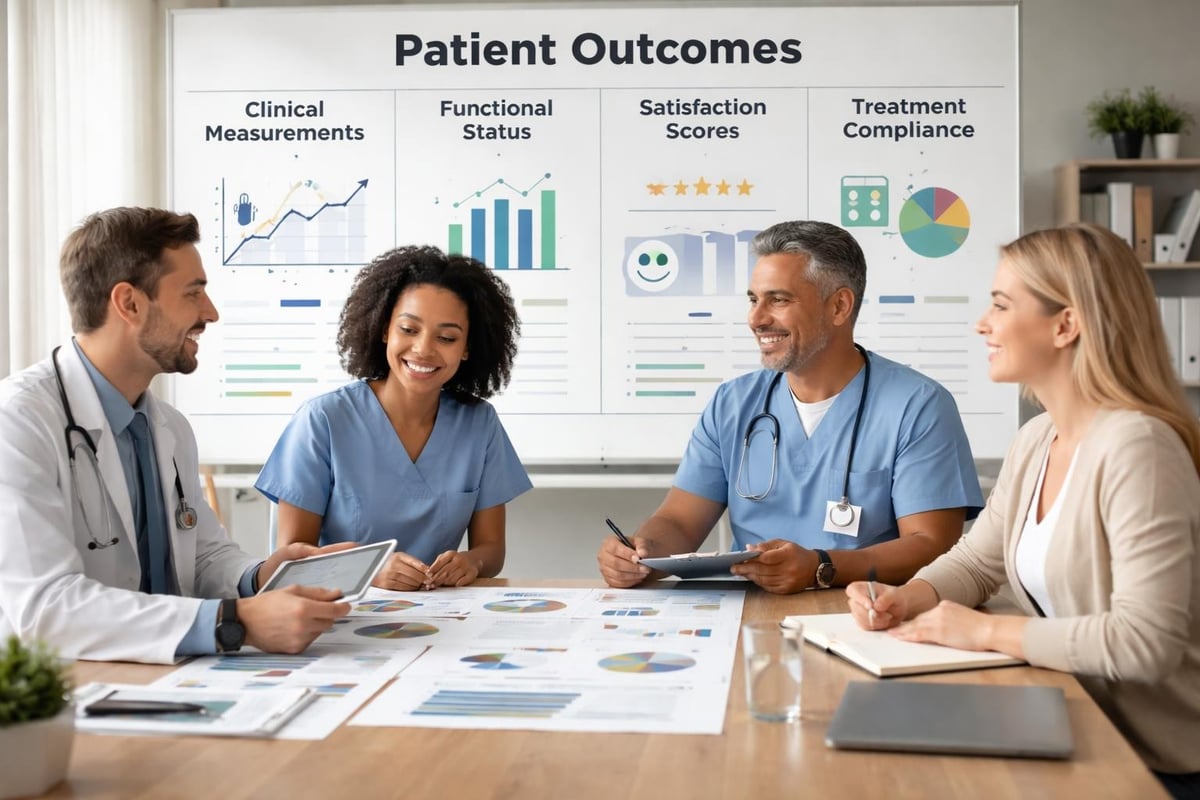
The integration of these metrics provides a comprehensive view of care effectiveness. Healthcare institutions that systematically measure and analyze these indicators can identify improvement opportunities and implement targeted interventions. This data-driven approach ensures resources focus on initiatives that deliver the greatest impact on patient health.
Patient Education as a Primary Intervention
Education stands as one of the most powerful tools for improving patient outcomes. When patients understand their conditions, treatment options, and self-care responsibilities, they become active participants rather than passive recipients of care. Research demonstrates that patient empowerment significantly influences treatment participation and compliance, creating a foundation for sustainable health improvements.
Developing Effective Educational Materials
Quality educational resources share common characteristics that maximize comprehension and retention:
Clear language accessibility: Medical jargon translated into everyday terms that patients and caregivers easily understand. Complex concepts broken into manageable segments with practical examples.
Visual learning support: Diagrams, charts, and illustrations that reinforce written content and accommodate different learning preferences.
Cultural sensitivity: Materials that respect diverse backgrounds, languages, and health literacy levels across patient populations.
Actionable guidance: Specific instructions for medication management, symptom monitoring, and when to seek medical attention.
| Educational Component | Impact on Outcomes | Implementation Strategy |
|---|---|---|
| Written guides | 40% improvement in adherence | Distribute at discharge and follow-up |
| Visual aids | 35% better comprehension | Include diagrams in all materials |
| Video tutorials | 45% increased confidence | Provide digital access links |
| Interactive tools | 50% enhanced engagement | Offer online assessments |
Resources like comprehensive wound care guides exemplify how targeted education addresses specific patient needs with practical, accessible information.
Enhancing Communication and Care Coordination
The quality of communication between healthcare providers and patients directly correlates with health outcomes. Studies show that incorporating patient preferences into nursing care transforms care priorities and creates more personalized treatment approaches. This patient-centered methodology acknowledges that clinical expertise must integrate with individual patient values and circumstances.
Building Effective Communication Systems
Healthcare organizations can implement structured communication protocols that ensure consistency and comprehensiveness:
- Standardized handoff procedures between care team members
- Patient-friendly language in discharge instructions
- Regular follow-up contact to monitor progress and address concerns
- Open-door policies encouraging patients to ask questions
- Shared decision-making frameworks that honor patient autonomy
Pharmacies and educational institutions particularly benefit from clear communication tools. When pharmacists provide patients with easy-to-understand information about drug interactions and supplement safety, they prevent adverse events and optimize therapeutic outcomes.
Leveraging Technology for Better Outcomes
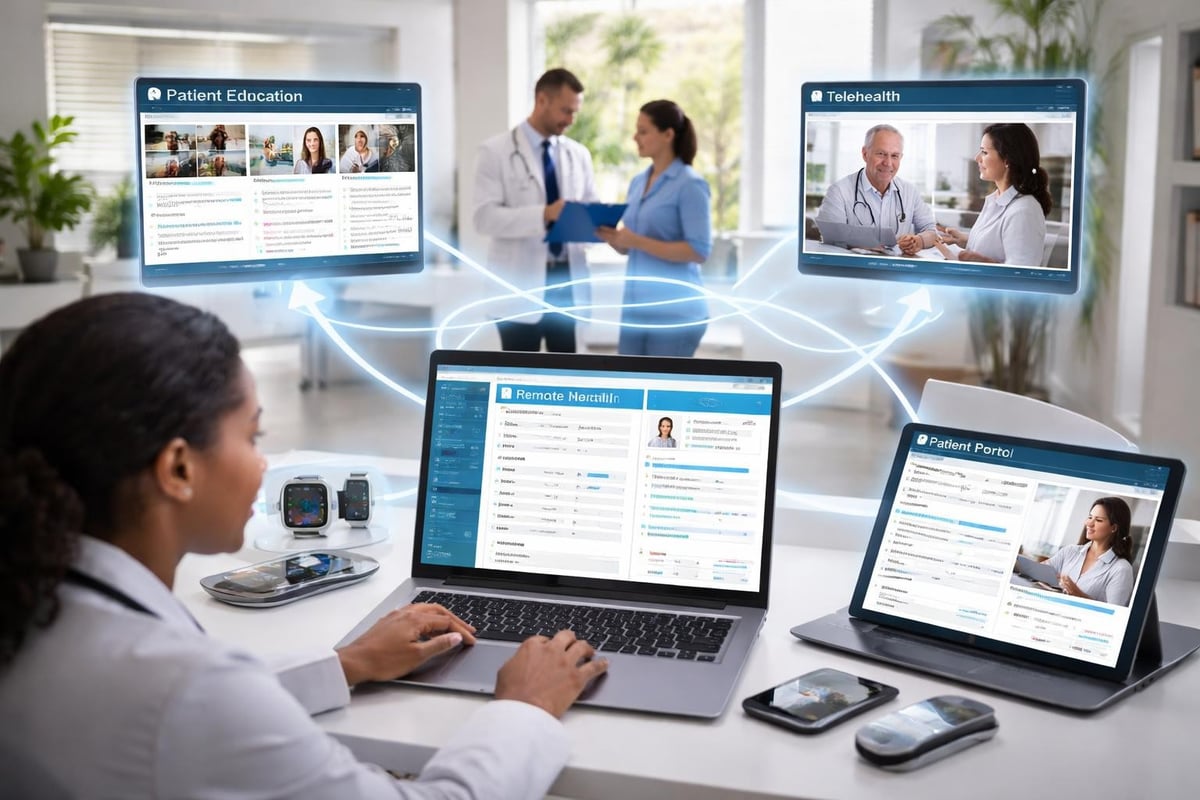
Digital health solutions continue revolutionizing how healthcare providers monitor, educate, and support patients. Seven evidence-based strategies demonstrate how technology integration reduces medical errors, expands access through telehealth, and strengthens patient engagement through digital platforms.
Telehealth and Remote Monitoring
Virtual care platforms extend healthcare access beyond traditional clinical settings. Patients with chronic conditions benefit from:
Continuous monitoring: Wearable devices tracking vital signs, glucose levels, or activity patterns that alert providers to concerning trends.
Virtual consultations: Video appointments that maintain care continuity while reducing transportation barriers and time constraints.
Digital education delivery: Online platforms providing 24/7 access to health information, instructional videos, and self-assessment tools.
Automated reminders: Text messages and app notifications promoting medication adherence and appointment attendance.
These technological interventions prove particularly effective for managing conditions like diabetes, where comprehensive education about blood sugar management empowers patients to make informed daily decisions.
Preventing Complications Through Proactive Care
Prevention represents the most cost-effective strategy for improving patient outcomes. Healthcare providers who implement comprehensive prevention programs reduce hospital readmissions, minimize complications, and enhance patient quality of life. This proactive approach requires systematic assessment, patient education, and environmental modifications.
Fall Prevention Strategies
Falls constitute a leading cause of injury-related complications among older adults. Effective prevention programs integrate multiple elements:
| Prevention Element | Specific Actions | Expected Outcomes |
|---|---|---|
| Environmental assessment | Remove tripping hazards, improve lighting | 30% reduction in fall risk |
| Strength training | Balance exercises, muscle building | 25% fewer falls |
| Medication review | Identify drugs affecting balance | 20% decreased incidents |
| Patient education | Risk awareness, safety techniques | 35% improved vigilance |
Materials addressing fall prevention fundamentals provide practical guidance that patients and caregivers can immediately implement at home.
Pressure Ulcer Prevention
Immobile patients face significant risk for pressure injuries that complicate recovery and extend hospital stays. Prevention protocols include:
- Regular repositioning schedules based on individual risk factors
- Proper support surfaces and cushioning materials
- Comprehensive skin assessment and documentation
- Nutritional optimization supporting tissue integrity
- Education for patients and caregivers about positioning techniques
These evidence-based interventions demonstrate how improving patient outcomes requires attention to details that prevent complications before they develop.
Supporting Chronic Disease Management
Chronic conditions account for the majority of healthcare utilization and costs. Improving patient outcomes in this population demands sustained engagement, comprehensive education, and coordinated support systems. Patients managing multiple chronic conditions particularly benefit from integrated care approaches.
Self-Management Education Programs
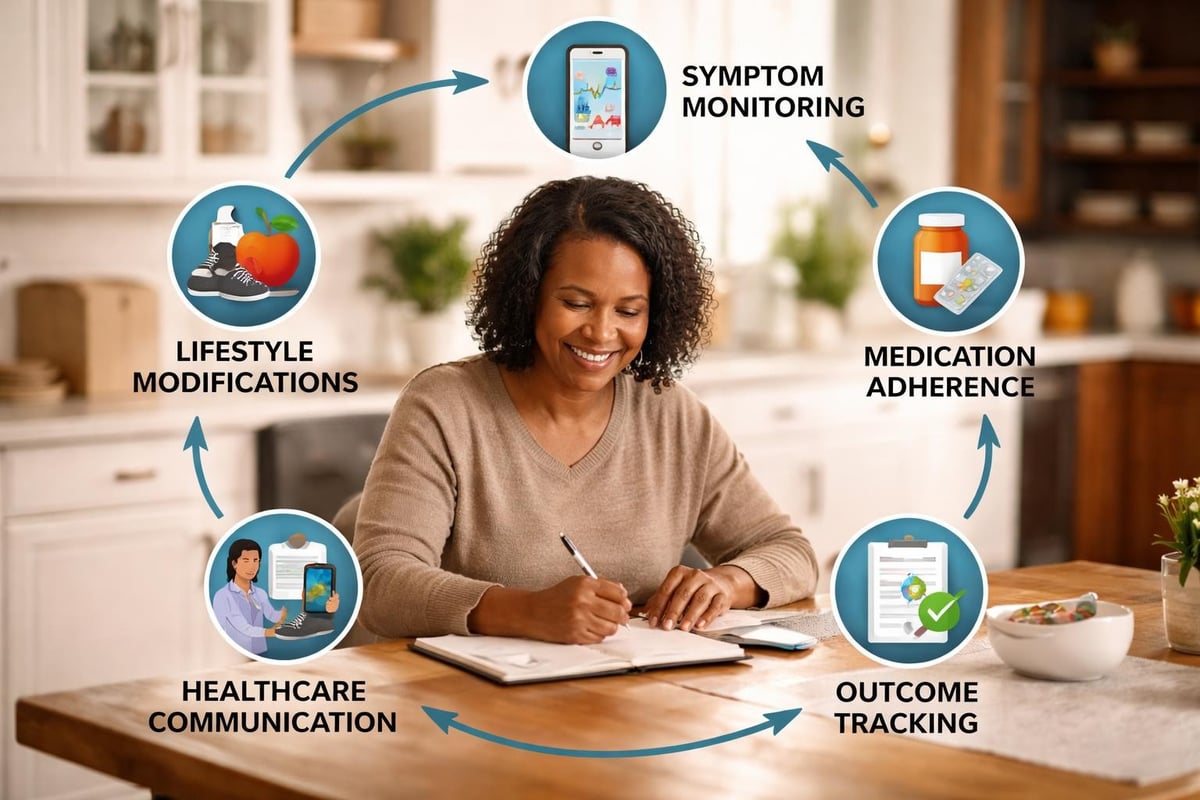
Successful chronic disease management relies on patient capability to monitor symptoms, adjust treatments, and recognize warning signs. Structured education programs addressing conditions like arthritis, diabetes, or COPD should include:
Symptom recognition training: Teaching patients to identify early warning signs requiring medical attention versus normal disease fluctuations.
Medication management skills: Proper administration techniques, understanding side effects, and recognizing potential herbal and drug interactions.
Lifestyle modification support: Practical strategies for nutrition, exercise, stress management, and sleep optimization tailored to individual capabilities.
Goal-setting frameworks: Collaborative processes establishing realistic, measurable objectives that motivate continued engagement.
Resources covering nutritional considerations for aging populations exemplify how targeted education addresses the unique challenges faced by specific patient groups.
Addressing Health Literacy Barriers
Health literacy represents a critical determinant of patient outcomes. Approximately one-third of adults struggle to understand health information, leading to medication errors, poor adherence, and delayed care-seeking. Healthcare providers must recognize literacy barriers and adapt communication strategies accordingly.
Strategies for Low Health Literacy Populations
- Assess understanding through teach-back methods rather than yes/no questions
- Provide written materials at appropriate reading levels (typically 6th-8th grade)
- Use visual aids and demonstrations to supplement verbal instructions
- Limit information to three to five key points per interaction
- Organize content logically with clear headings and bullet points
The Crossing the Quality Chasm report emphasizes that patient-centeredness requires healthcare systems to respect individual preferences, needs, and values, including literacy levels and learning preferences.
Implementing Quality Improvement Initiatives
Systematic quality improvement methodologies enable healthcare organizations to measure current performance, identify gaps, implement changes, and assess impact. Programs focused on essential care elements demonstrate significant improvements in clinical practices, staff satisfaction, and overall ward culture when properly implemented.
The Plan-Do-Study-Act Cycle
Quality improvement teams utilize iterative cycles to test and refine interventions:
- Plan: Identify improvement opportunity and develop hypothesis-driven intervention
- Do: Implement change on small scale, collecting detailed process and outcome data
- Study: Analyze results, comparing actual outcomes to predictions
- Act: Adopt, adapt, or abandon intervention based on evidence
This methodology ensures resources invest in strategies proven effective within specific organizational contexts rather than assuming universal applicability.
Key Performance Indicators
Healthcare organizations tracking improvement efforts should monitor:
Process measures: Percentage of patients receiving education before discharge, documentation completeness, protocol adherence rates.
Outcome measures: Readmission rates, complication frequencies, patient satisfaction scores, functional status improvements.
Balancing measures: Staff workload, resource utilization, unintended consequences of interventions.
These metrics provide comprehensive understanding of how changes affect various stakeholders and system components.
Engaging Family Caregivers
Family members and informal caregivers play essential roles in improving patient outcomes, particularly for individuals with cognitive impairment, physical limitations, or complex care needs. Healthcare providers who effectively engage and educate caregivers extend therapeutic interventions beyond clinical settings into daily life.
Caregiver Support Components
Comprehensive caregiver programs address knowledge gaps, skill development, and emotional support:
- Training in specific care tasks like wound dressing, medication administration, or safe transfer techniques
- Resources addressing challenging situations such as managing confusion or behavioral changes
- Respite care information and stress management strategies
- Community resource connections for equipment, support groups, and financial assistance
- Clear guidance about when to contact healthcare providers
Materials designed for caregivers of patients with Alzheimer's disease provide essential information about disease progression, communication strategies, and safety considerations that preserve patient dignity while protecting wellbeing.
Specialty Considerations for Complex Conditions
Certain patient populations require specialized approaches to education and care coordination. Understanding unique challenges associated with specific conditions enables healthcare providers to tailor interventions for maximum effectiveness.
Wound Care Excellence
Patients with chronic wounds need comprehensive education covering:
| Wound Type | Key Educational Points | Outcome Goals |
|---|---|---|
| Pressure ulcers | Prevention, positioning, nutrition | Healing within 6-8 weeks |
| Venous leg ulcers | Compression therapy, elevation | Reduced recurrence rates |
| Diabetic foot ulcers | Daily inspection, proper footwear | Amputation prevention |
| Surgical wounds | Signs of infection, dressing changes | Uncomplicated healing |
Resources like those addressing venous leg ulcer management provide evidence-based protocols that patients and providers can follow systematically.
Allergy Management
Patients with allergies benefit from education covering trigger identification, environmental modifications, and emergency response. Materials explaining allergy avoidance strategies help patients create safer living environments that reduce symptom frequency and severity.
Measuring Success and Sustaining Improvements
Improving patient outcomes requires ongoing commitment to measurement, analysis, and refinement. Healthcare organizations must establish feedback loops that continuously inform practice improvements and celebrate successes while addressing persistent challenges.
Long-Term Success Indicators
- Sustained reduction in preventable complications over multiple measurement periods
- Consistent patient satisfaction scores above organizational benchmarks
- Decreased readmission rates for targeted conditions
- Improved medication adherence documented through pharmacy records
- Enhanced functional status demonstrated through standardized assessments
- Reduced healthcare utilization for preventable acute episodes
Organizations can explore comprehensive educational resources through Mediscript's catalog to support these improvement initiatives with evidence-based patient materials.
Creating Cultures of Continuous Improvement
Healthcare teams that prioritize learning and adaptation achieve better long-term outcomes:
Regular case reviews: Team discussions analyzing both successes and complications to identify learning opportunities.
Staff education: Ongoing training about current best practices, new evidence, and emerging technologies.
Patient feedback integration: Systematic collection and response to patient experiences and suggestions.
Interdisciplinary collaboration: Breaking down silos between departments to ensure coordinated, comprehensive care.
Recognition programs: Celebrating individuals and teams who demonstrate exceptional commitment to improving patient outcomes.
These cultural elements transform quality improvement from periodic initiatives into fundamental organizational values that guide daily decisions and priorities.
Improving patient outcomes demands comprehensive strategies addressing education, communication, prevention, and continuous quality improvement. Healthcare providers who prioritize patient understanding, engage caregivers, and implement evidence-based protocols create environments where patients thrive rather than merely survive. Mediscript supports these efforts by providing customizable, accessible health education materials covering diverse topics from wound care to chronic disease management, empowering healthcare professionals to deliver information that transforms patient knowledge into positive health outcomes.