


Did you know that by 2026, the complexity of patient needs and healthcare delivery is projected to reach unprecedented levels? Providers and organizations now face new challenges and opportunities as they navigate a rapidly changing landscape.
Excellence in patient care and management is more essential than ever, offering measurable improvements for patients, clinicians, and entire health systems. Mastering the latest evidence-based strategies not only enhances outcomes but fosters satisfaction and safety.
This comprehensive guide delivers a modern framework built on patient-centered care, multidisciplinary collaboration, technology integration, and effective communication.
Ready to take actionable steps towards outstanding patient care and management? Explore the strategies and insights that will define healthcare success in 2026.
Foundations of Patient-Centered Care in 2026
Delivering exceptional patient care and management in 2026 begins with a clear commitment to putting patients at the center of every decision. The healthcare landscape is evolving rapidly, demanding a renewed focus on individual needs, values, and experiences.

Defining Patient-Centered Care
Patient-centered care is a philosophy that recognizes each individual as a unique partner in their own health journey. It emphasizes respect for patient values, cultural backgrounds, and personal preferences. Healthcare teams use standardized assessments and individualized care plans to ensure every voice is heard.
For example, Maria, a patient with complex needs, saw significant improvements when her care was tailored to her lifestyle and beliefs. Research consistently shows that this approach leads to higher patient satisfaction and better adherence to treatment. For a deeper understanding, review the Patient-Centered Care Principles that guide modern reforms and best practices.
Key Components of Effective Care Management
Comprehensive assessments and regular monitoring are fundamental to effective patient care and management. Patients and families actively participate in decision-making, ensuring care remains aligned with evolving needs. Coordination across multiple providers and care settings prevents gaps or duplication.
Care managers play a central role in streamlining services and advocating for patient goals. Their involvement promotes clear documentation and supports continuity, improving transitions and outcomes.
Benefits for Patients and Providers
Investing in patient care and management offers measurable benefits. Patients experience improved treatment adherence, reduced complications, and increased safety. Providers see higher productivity and greater professional satisfaction.
Multiple studies highlight that clinics enrolling more than 2 percent of patients in care management programs achieve lower hospitalization rates and reduced costs. Enhanced patient-provider relationships also contribute to lasting satisfaction for all parties involved.
Addressing Barriers and Health Equity
True patient care and management must address access, literacy, and socioeconomic challenges. Strategies include offering transportation support, simplifying educational materials, and connecting patients to community resources.
Cultural competence is essential, as tailored education for diverse populations leads to improved understanding and engagement. Healthcare organizations that prioritize equity see better long-term outcomes and reduced disparities.
The Evolving Role of the Family and Caregivers
Families and caregivers are increasingly recognized as vital partners in patient care and management. Engaging them in care planning and decision-making enhances support systems and empowers patients.
Providing resources, training, and emotional support for families ensures they can contribute effectively to the care process. This collaborative approach leads to stronger, more resilient care networks and helps achieve the best possible outcomes.
Multidisciplinary Teams and Care Manager Roles
A strong multidisciplinary team is at the heart of effective patient care and management. In modern healthcare, diverse professionals collaborate closely to meet the complex needs of each patient. This section explores how these teams are structured, the vital role of care managers, and how coordinated teamwork drives better outcomes.

Structure of Multidisciplinary Teams
Multidisciplinary teams bring together a range of professionals to deliver comprehensive patient care and management. These teams typically include physicians, nurses, care managers, pharmacists, social workers, and various specialists. Each member contributes unique expertise, ensuring no aspect of a patient's health is overlooked.
Collaboration and open communication are essential for these teams to function effectively. Regular meetings, shared electronic records, and clear roles help prevent gaps in care. For example, interdisciplinary primary care models have demonstrated improved chronic disease outcomes and patient satisfaction.
To learn more about the composition and benefits of these collaborative teams, see Multidisciplinary Healthcare Teams. Such teamwork is a foundation for safe, coordinated patient care and management.
The Care Manager’s Responsibilities
Care managers play a central role in patient care and management by bridging gaps between services and supporting patients through their health journeys. Their responsibilities start with initial assessments to understand each patient's medical, social, and behavioral needs. They coordinate services, schedule follow-ups, and ensure all providers are informed.
- Conduct ongoing assessments and monitoring
- Educate patients and families to promote self-management
- Advocate for patient needs and help overcome barriers
A care manager can empower patients to organize medications or navigate complex care plans. Studies have identified seven core activities that care managers perform, all contributing to better patient care and management outcomes.
Training and Skills for Care Managers
Effective patient care and management requires care managers to have a diverse skill set. Critical skills include strong communication, empathy, data analysis, and creative problem-solving. Specialized training programs help care managers develop these abilities, ensuring they can handle complex cases and support diverse patient populations.
- Communication and rapport-building
- Analytical thinking for care planning
- Emotional intelligence and cultural competence
A case study from 2025 showed that care managers with advanced training achieved higher rates of patient goal attainment and satisfaction. Investing in ongoing education is essential to maintain excellence in patient care and management.
Collaborative Problem-Solving and Support
Collaboration is more than just working side by side. In patient care and management, teams engage in joint goal-setting with patients and their families. Team meetings and care conferences provide opportunities for all members to share insights and align on treatment plans.
- Jointly set SMART goals with patients
- Use regular interdisciplinary meetings for planning
- Resolve conflicting recommendations quickly
A coordinated approach helps avoid confusion and ensures patients receive unified advice. This collaborative environment supports both patients and providers, enhancing the quality of patient care and management.
Monitoring, Documentation, and Quality Improvement
Ongoing monitoring is crucial for high-quality patient care and management. Teams track patient progress, identify trends, and adjust care plans as needed. Accurate and timely documentation supports safety, reimbursement, and care continuity.
- Use standardized tools for tracking outcomes
- Maintain clear, updated patient records
- Review performance metrics for quality improvement
Programs with robust monitoring processes consistently demonstrate better quality metrics and patient outcomes. Continuous evaluation and documentation are vital in advancing patient care and management goals.
Integrating Technology into Patient Care and Management
The digital transformation of healthcare is redefining patient care and management in 2026. Technology now sits at the heart of every interaction, improving information flow, care coordination, and patient engagement. As innovation accelerates, integrating the right tools makes care more efficient, safer, and more responsive to patient needs.

Electronic Health Records (EHR) and Data Interoperability
Electronic health records are now essential for centralizing patient information in patient care and management. EHRs allow providers to access medical histories, test results, and treatment plans in real time. Data interoperability ensures that information moves seamlessly between hospitals, clinics, and specialists. This reduces medication errors and duplications, especially during care transitions. For example, EHR integration allows different providers to update and review a patient's status instantly. Standardized digital records also support better care planning and reporting, helping organizations meet regulatory requirements and quality metrics.
Remote Patient Monitoring and Telehealth
Wearable devices and home-based monitoring tools are revolutionizing patient care and management for those with chronic conditions. Patients can track vital signs, glucose levels, or heart rhythms from home, sending updates directly to their care teams. Telehealth platforms support virtual visits, follow-up care, and ongoing education. This approach reduces hospital admissions, improves adherence, and increases access for rural or mobility-challenged patients. Remote monitoring empowers individuals to participate actively in their care, while clinicians receive timely alerts to intervene early when needed.
AI and Predictive Analytics
Artificial intelligence is rapidly advancing patient care and management by enabling risk stratification, early intervention, and personalized care planning. AI-driven tools analyze large datasets to identify high-risk patients and predict complications. For instance, predictive analytics can alert providers to abnormal trends in patient data, prompting proactive outreach. Integrating AI in Patient Care also raises important considerations for privacy and ethics, as discussed in recent studies. These technologies help prioritize resources, improve outcomes, and support more precise, data-driven decision-making.
Patient Engagement Platforms and Mobile Apps
Patient engagement platforms and mobile apps are now vital components of patient care and management. Secure patient portals let individuals access test results, message providers, and review care plans at their convenience. Mobile apps offer medication reminders, symptom tracking, and educational tools. Increased patient engagement leads to higher satisfaction and better health outcomes. These platforms encourage self-management, empower patients with knowledge, and create a direct line of communication between patients and care teams. Clinics adopting these tools report improved adherence and more meaningful patient-provider interactions.
Security, Privacy, and Compliance
As technology becomes deeply embedded in patient care and management, security and privacy are top priorities. All digital platforms must comply with HIPAA and other data protection regulations. Providers must balance the benefits of technology with patients' right to confidentiality. Robust encryption, access controls, and regular audits are essential to protect sensitive health information. Ongoing staff training and patient education help maintain trust as digital solutions expand. Ensuring compliance not only safeguards data but also upholds the integrity of the healthcare system.
Comprehensive Care Planning and Coordination
Effective patient care and management in 2026 relies on a structured, patient-centered approach to care planning and coordination. A comprehensive care plan serves as a roadmap, guiding healthcare teams, patients, and families through complex medical journeys. Each step is designed to address individual needs while ensuring continuity, safety, and optimal outcomes.
Steps in Developing a Patient-Centered Care Plan
The foundation of patient care and management is a thorough initial assessment. This includes evaluating medical conditions, social circumstances, and behavioral factors. Engaging the patient in setting SMART goals ensures each objective is clear and achievable. The care team identifies and prioritizes health issues, then outlines interventions tailored to the individual. For example, a patient with diabetes and heart failure receives a plan that addresses medication, diet, activity, and emotional support. Regular input from patients and families ensures the care plan remains relevant and effective. This collaborative process builds trust and promotes adherence, which are key to successful patient care and management.
Coordinating Across Care Settings
Seamless transitions between hospitals, primary care, specialists, and home care are critical for effective patient care and management. Care managers play a pivotal role in bridging potential gaps, ensuring treatments do not conflict and information is shared accurately. When coordination falters, the risk of readmissions and adverse events rises. Adopting proven strategies, such as those highlighted in Improving Patient Care Strategies, helps organizations optimize care coordination. These approaches ensure every provider is aligned, reducing duplication and enhancing safety throughout the patient journey.
Communication Strategies for Effective Coordination
Clear, structured communication is the backbone of successful patient care and management. Standardized tools like SBAR and checklists help teams hand off information reliably. Regular interdisciplinary meetings keep everyone updated on patient progress and changes. Digital platforms enable real-time sharing of updates, reducing delays and misunderstandings. For example, a secure messaging system allows nurses, physicians, and social workers to quickly address patient needs. These communication strategies ensure every team member is informed, minimizing errors and supporting coordinated care delivery.
Overcoming Barriers to Coordination
Healthcare delivery can be fragmented, especially for patients with complex needs or limited support. Addressing these barriers is vital for robust patient care and management. Leveraging community resources and making timely referrals can fill service gaps. Strategies such as involving social workers, connecting patients to transportation services, or providing telehealth options help those facing geographic or socioeconomic challenges. By proactively identifying obstacles, care teams can adapt their approach, ensuring equitable access and continuity for all patients.
Monitoring Progress and Adjusting Care Plans
Continuous evaluation is essential in patient care and management. Teams monitor clinical outcomes, patient feedback, and adherence to the care plan, using data to identify trends and opportunities for improvement. Adjustments are made as needed, whether it is modifying medication, updating goals, or adding new interventions. For example, a patient with changing symptoms may have their care plan revised during a follow-up visit. This iterative process keeps care aligned with patient needs and ensures the highest standards of quality and safety are maintained.
Chronic Disease Management: Strategies and Best Practices
Effectively managing chronic diseases is a cornerstone of patient care and management in 2026. As the prevalence of long-term conditions rises, healthcare teams must adopt proactive, patient-centered strategies to improve outcomes and reduce costs. This section outlines best practices for identifying high-risk patients, delivering evidence-based interventions, supporting self-management, optimizing medication use, and measuring continuous improvement.
Identifying High-Need, High-Cost Patients
The first step in patient care and management is accurately identifying those who will benefit most from intensive chronic disease support. High-need, high-cost patients often have multiple conditions, frequent hospitalizations, or complex social needs.
Common criteria include:
- Multiple chronic diagnoses (e.g., diabetes, heart failure)
- Recent hospital admissions or emergency visits
- Polypharmacy and medication complexity
- Limited support at home
Risk stratification tools and data analytics can help pinpoint these individuals before their needs escalate. By targeting resources early, teams can better align patient care and management with individual risks and goals.
Evidence-Based Interventions for Chronic Conditions
Implementing evidence-based interventions is vital for successful patient care and management. Disease-specific protocols—such as those for diabetes, COPD, or heart failure—combine medical, behavioral, and social strategies.
Key elements include:
- Multidisciplinary team involvement
- Standardized care pathways
- Regular monitoring and follow-up
Research shows that multidisciplinary teamwork benefits patients with chronic conditions, boosting quality of life and reducing healthcare costs. Collaborative models ensure each aspect of patient care and management is addressed efficiently.
Patient Education and Self-Management Support
Empowering patients to actively manage their health is a fundamental principle of patient care and management. Education helps individuals understand their conditions, recognize warning signs, and adhere to treatment plans.
Effective self-management support includes:
- Tailored educational materials
- Interactive tools and digital resources
- Coaching on symptom tracking and medication adherence
By equipping patients with knowledge and skills, providers foster greater engagement and improved health outcomes. This approach places patients at the center of their care.
Addressing Medication Management and Polypharmacy
Medication management is a critical component of patient care and management, especially for those with multiple prescriptions. Polypharmacy increases the risk of drug interactions and adverse events.
Strategies to optimize medication use:
- Comprehensive medication reviews by pharmacists
- Simplified dosing schedules
- Regular monitoring for side effects
Clear communication among care team members is essential to prevent errors. Coordinated efforts help patients safely manage complex regimens while maintaining adherence.
Measuring Outcomes and Continuous Improvement
Tracking outcomes is essential for refining patient care and management programs. Teams should monitor clinical, functional, and satisfaction metrics to assess effectiveness.
Common outcome measures:
| Metric | Purpose |
|---|---|
| Readmission rates | Monitor acute care events |
| A1C/BP levels | Track chronic disease control |
| Patient surveys | Assess satisfaction and experience |
Continuous data analysis enables teams to adjust interventions and sustain long-term improvements. Commitment to measurement drives excellence in patient care and management.
Enhancing Patient Engagement, Communication, and Experience
Patient engagement is at the heart of effective patient care and management. By focusing on trust, communication, and personalized resources, healthcare teams can ensure that each patient feels valued and empowered in their own journey.
Building Trust and Rapport with Patients
Creating strong relationships is foundational to patient care and management. Healthcare professionals must use active listening, maintain eye contact, and show empathy to build trust with every patient. These actions foster openness, making patients more likely to share concerns and participate fully in their care.
Simple gestures, such as remembering personal details or following up on previous conversations, demonstrate genuine care. When trust is established, patients are more engaged, leading to better adherence and satisfaction. This approach is proven to enhance outcomes in patient care and management.
Shared Decision-Making and Goal Setting
Involving patients in their own decisions is a key aspect of patient care and management. Shared decision-making means healthcare teams and patients work together to set realistic, meaningful goals. Visual aids, decision tools, and open discussion help clarify options, risks, and benefits.
Patients who contribute to their care plans are more motivated to follow through. This collaborative process not only improves adherence but also strengthens the partnership between patients and providers. Effective patient care and management thrive on shared responsibility and open dialogue.
Culturally Competent Communication
Cultural competence is essential for equitable patient care and management. Providers must recognize and respect differences in language, beliefs, and health literacy. Adapting communication styles and materials ensures understanding for every patient, regardless of background.
Offering translated documents or using plain language can bridge gaps. Training in cultural sensitivity helps teams avoid misunderstandings and fosters trust. By prioritizing inclusivity, patient care and management becomes accessible and effective for all.
Leveraging Education Materials and Resources Empowering Patients with Educational Resources
Access to clear, practical information empowers patients within patient care and management. Quality educational materials, such as guides and handouts, help patients and caregivers understand complex conditions and follow care plans.
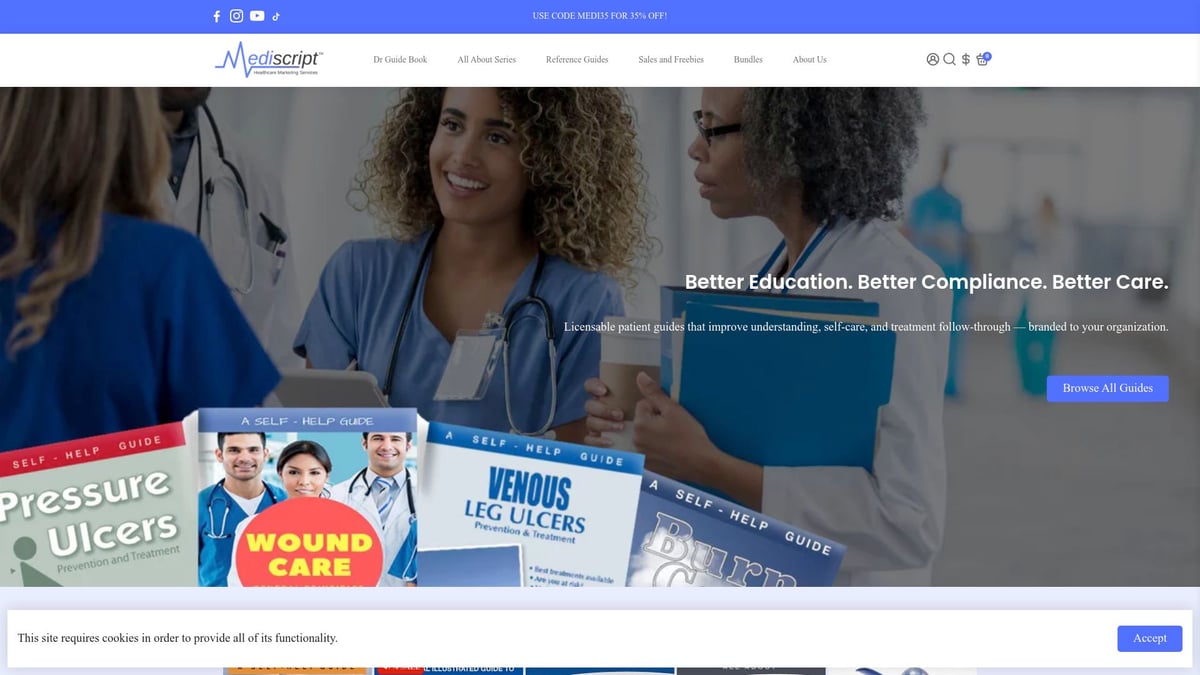
Tools like those from Empowering Patients with Educational Resources offer plain language, instant digital access, and interactive features. Clinics and pharmacies use these resources to reinforce learning and support self-management. Investing in patient education is proven to improve engagement, compliance, and outcomes in patient care and management.
Measuring and Improving Patient Experience
Continuous improvement is a cornerstone of patient care and management. Collecting feedback through surveys or interviews helps organizations understand patient needs and expectations. Analyzing this data reveals strengths and areas for growth.
Implementing changes based on feedback leads to increased satisfaction and trust. Programs that prioritize patient experience see higher retention and more positive health behaviors. By listening and responding, healthcare teams can refine patient care and management for lasting impact.
Future Trends and Innovations in Patient Care Management
The future of patient care and management is rapidly evolving as healthcare organizations strive to keep pace with technological breakthroughs and shifting patient expectations. New models, smarter tools, and innovative approaches are reshaping how providers deliver and coordinate care. Staying ahead of these trends is essential for organizations committed to excellence in patient care and management.
Emerging Models of Care Delivery
Healthcare in 2026 is embracing value-based care, population health management, and a significant expansion of virtual and home-based services. These models focus on proactive, preventive strategies rather than reactive treatments. For example, value-based frameworks reward outcomes, not just volume, driving improvements in patient care and management.
Virtual care platforms and home-based monitoring tools are enabling providers to reach patients where they are, making care more accessible. According to Health Trends 2026, digital transformation and remote care delivery are set to become standard practice, empowering teams to intervene earlier and more efficiently.
Advances in Technology and Data Science
The integration of next-generation AI, machine learning, and digital therapeutics is revolutionizing patient care and management. AI-driven predictive analytics can identify high-risk patients and suggest timely interventions, while digital therapeutics offer personalized treatments for chronic conditions. Genomics and personalized medicine are further tailoring care to individual needs.
Healthcare teams are leveraging interoperable systems, wearable devices, and real-time data dashboards. These tools not only improve decision-making but also enhance the patient experience by streamlining workflows and minimizing errors.
Policy, Regulation, and Reimbursement Changes
Evolving policy and regulatory landscapes are shaping the future of patient care and management. New reimbursement models are incentivizing care coordination and rewarding outcomes over procedures. Policies now emphasize quality improvement, patient safety, and equitable access.
Organizations must stay informed about compliance requirements and adapt quickly to regulatory updates. This ensures that patient care and management efforts remain effective and sustainable amid shifting expectations from payers and governing bodies.
Workforce Development and Training
Upskilling the healthcare workforce is essential as patient care and management becomes more reliant on advanced technologies. Teams are investing in continuous education, digital literacy, and specialized training to maximize the benefits of AI, telehealth, and data analytics.
Resources like the Patient Care Resource Collection offer valuable tools for ongoing professional development. These resources help healthcare professionals stay current, improve patient outcomes, and adapt to the demands of modern care delivery.
Anticipated Challenges and Opportunities
As patient care and management grows more complex, organizations face new challenges and opportunities. Balancing technology with the human touch remains a top priority. Providers must manage rising patient expectations, ensure data privacy, and innovate in education, communication, and care coordination.
Key challenges include:
- Integrating new technologies without overwhelming staff or patients
- Addressing disparities in digital health access
- Maintaining quality and empathy in virtual care
Seizing these opportunities requires agility, collaboration, and a commitment to continuous improvement in patient care and management.