

In today’s digital landscape, finding trustworthy patient education resources is more important than ever. With health information just a click away, individuals need guidance to separate fact from fiction and take control of their well-being.
This article spotlights the top 7 patient education resources in 2026, each designed to empower you with accurate knowledge, practical tools, and up-to-date support. From comprehensive guides to interactive platforms, these resources address a wide range of medical topics, accessibility needs, and learning preferences.
Ready to make informed decisions and improve self-care? Explore our curated list and discover how the best patient education resources can help you confidently navigate your health journey.
Why Patient Education is Vital for Empowering Health
In today’s healthcare landscape, the value of patient education resources cannot be overstated. These resources act as a crucial bridge between medical professionals and individuals, transforming complex information into accessible knowledge. By making medical details understandable, patient education resources enable patients to participate more actively in their care, from understanding diagnoses to making choices about treatments and preventive measures.
Health literacy, supported by high-quality patient education resources, has a measurable impact on outcomes. Patients who comprehend their conditions are more likely to adhere to medication regimens and manage chronic diseases effectively. According to the American Medical Association, improved patient education can reduce hospital readmissions and significantly enhance quality of life. Research such as this Patient Education's Impact on Health Outcomes meta-analysis further confirms that well-designed educational materials improve health outcomes across various conditions.
There has been a notable shift toward patient-centered care, where informed individuals are partners in shared decision-making. However, several challenges persist, including widespread misinformation, language barriers, and the complexity of medical jargon. For example, clear patient education resources have helped reduce confusion about shingles prevention and clarified steps during medication shortages. These real-world successes highlight how tailored communication can eliminate uncertainty and empower patients.
The digital transformation of healthcare has expanded the reach and effectiveness of patient education resources. Interactive tools, educational videos, and mobile apps now offer accessible learning opportunities for people with different needs and preferences. These innovations support preventive care by guiding users through symptom tracking, medication reminders, and lifestyle changes. As a result, empowered patients are more likely to engage in healthy behaviors and proactively manage their well-being.
Ultimately, patient education resources are foundational to creating a more informed, confident, and proactive population. By promoting understanding and collaboration, they help individuals take charge of their health journey, leading to better outcomes and a higher quality of life.
Criteria for Selecting the Best Patient Education Resources
Choosing the right patient education resources is essential for empowering individuals to make informed health decisions. Reliable materials not only provide accurate information but also ensure that complex concepts are accessible and actionable for a diverse audience. With an ever-expanding digital landscape, knowing what sets outstanding resources apart is critical for patients, caregivers, and healthcare professionals alike.
What Makes a Resource Effective?
When evaluating patient education resources, several core criteria should be considered to ensure their effectiveness:
| Criteria | Description |
|---|---|
| Accuracy | Content must be evidence-based and factually correct. |
| Credibility | Developed or reviewed by qualified medical professionals. |
| Readability | Written in plain language, easy to understand for all levels. |
| Accessibility | Available in various formats, languages, and for all abilities. |
| Cultural Sensitivity | Inclusive of diverse backgrounds and beliefs. |
Accuracy and credibility ensure that patients receive information aligned with current clinical standards. Resources should be based on up-to-date medical guidelines and ideally reviewed by practicing clinicians, such as those from the ASGE or AMA.
Readability is another key factor. Materials should avoid medical jargon and use clear explanations, often supported by visuals like infographics or illustrations. The use of multimedia formats—videos, interactive guides, and printable handouts—caters to different learning styles and reinforces understanding.
Accessibility expands beyond language. Effective patient education resources are available in multiple languages and formats, including digital and print, to reach all populations. Mobile-friendly design and downloadable materials improve usability, especially for those who prefer on-the-go learning.
For those interested in a systematic approach to assessing materials, tools like the Criteria for Evaluating Patient Education Materials offer structured methods to evaluate understandability and actionability.
Examples and Continuous Improvement
Leading organizations set the standard for patient education resources by continuously updating content and integrating user feedback. For example, ASGE’s patient brochures are available in English and Spanish, making them accessible to a broad audience. JAMA’s patient pages focus on clarity and actionable information, ensuring that patients can quickly grasp complex topics.
User experience also plays a significant role. Resources should be easy to navigate, with clear menus and search functions. Regular updates keep information aligned with evolving medical guidelines for 2026 and beyond.
Feedback from patients and clinicians is invaluable. Testimonials and user reviews help organizations refine their materials, addressing gaps and improving clarity. Digital platforms often incorporate interactive features, such as quizzes or symptom checkers, to engage users and personalize the learning experience.
Ultimately, the best patient education resources empower users to take charge of their health, support shared decision-making, and adapt to the needs of diverse communities. By considering these criteria, individuals and healthcare providers can select tools that truly enhance understanding and patient engagement.
Top 7 Patient Education Resources To Empower Your Health 2026
Navigating the world of patient education resources can feel overwhelming with so many options available. To help you make informed choices, we have curated the leading platforms and guides for 2026. Each resource below stands out for accuracy, accessibility, and real-world impact. Whether you are a patient, caregiver, or healthcare professional, these patient education resources are designed to empower you at every step.
Mediscript Health Education Guides & Ebooks
Mediscript is a trusted name in patient education resources, offering a digital library of over 60 expertly crafted guides and ebooks. Pricing ranges from $24.00 to $35.00 for most titles, with specialty guides up to $79.00 and organizational bundles available. Clinics and pharmacies can further customize materials, and a 35% discount is available using code MEDI35.
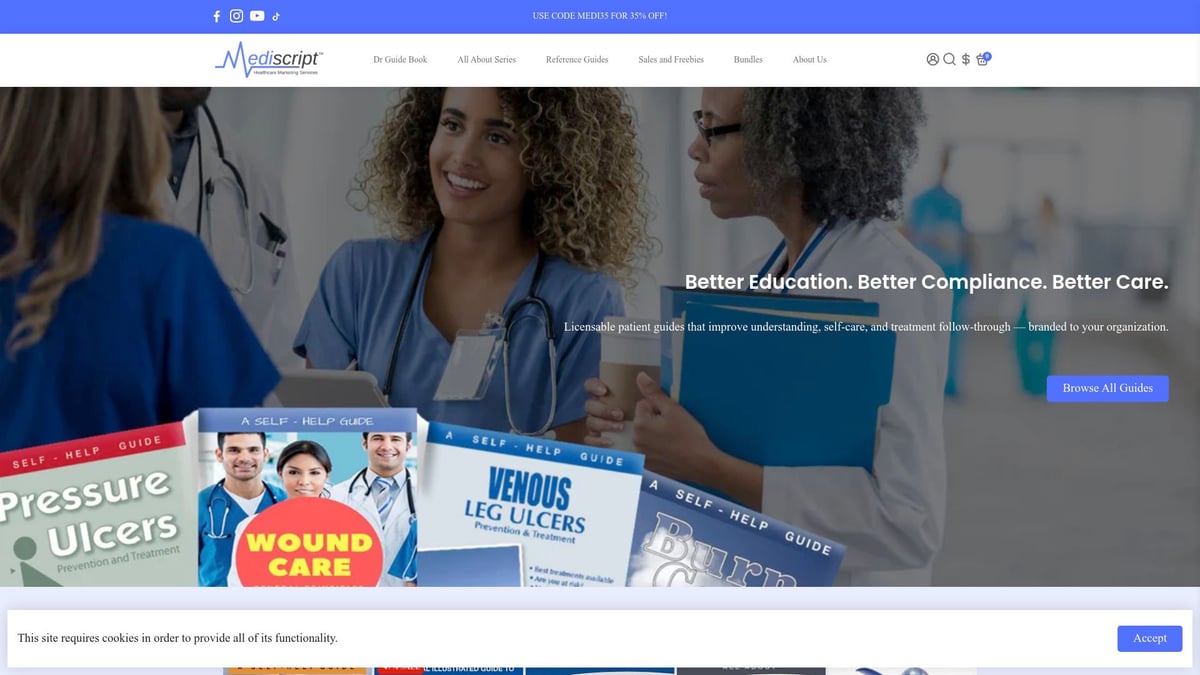
The core features of Mediscript's patient education resources include plain language writing, detailed checklists, and practical illustrations. These guides cover essential topics such as allergy management, wound care, and medication safety, all designed to simplify complex medical information. Instant PDF downloads mean you can access materials right when you need them.
Mediscript’s patient education resources are widely used by major healthcare organizations like Pfizer, Merck, and 3M. They are ideal for patients, caregivers, healthcare professionals, and educators seeking evidence-based and brandable content. The guides foster better provider-patient communication and support compliance.
While primarily digital, these resources are praised for their clarity and comprehensive coverage. Some organizational branding options may require bulk purchase, but the quality and versatility make Mediscript a top choice. Those interested in exploring a broader collection can visit the Patient Care Resource Collection for additional options.
ASGE Patient Education Brochures
The American Society for Gastrointestinal Endoscopy (ASGE) has developed patient education resources tailored for gastrointestinal health. Their brochures are available in packs, with pricing varying by quantity and language. Each brochure features full-color visuals, clear language, and topics from GI conditions to dietary health.
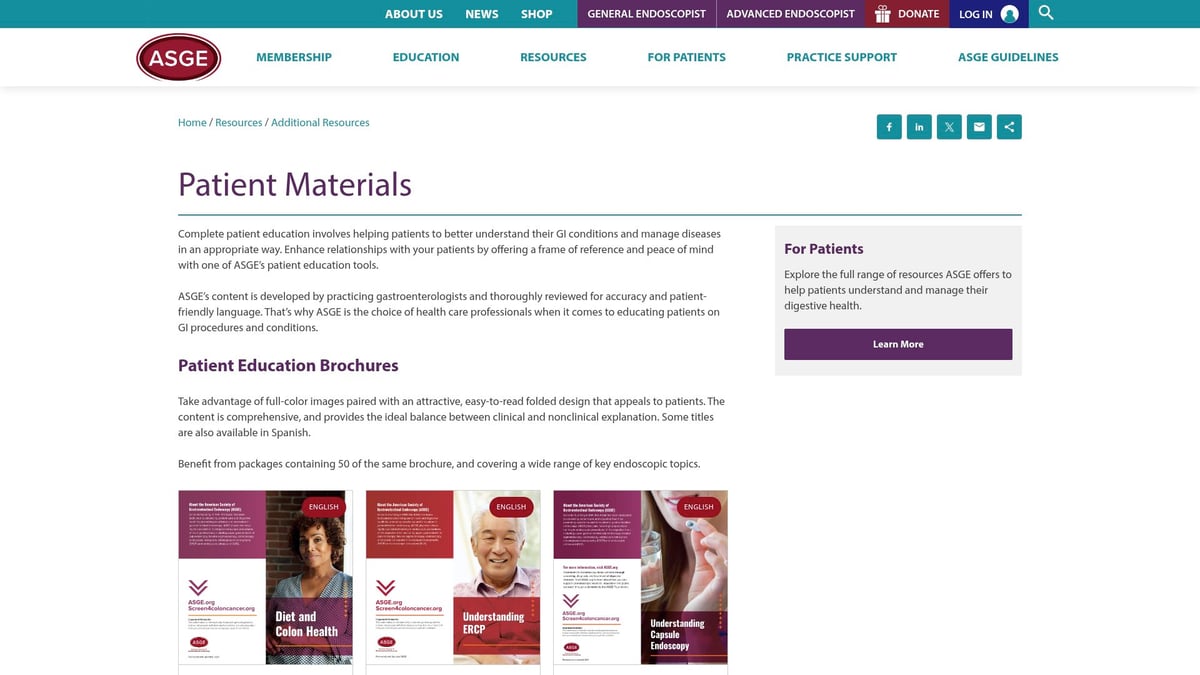
ASGE’s patient education resources are reviewed by practicing gastroenterologists, ensuring clinical accuracy and relevance. The materials are available in both English and Spanish, making them accessible to a wider audience. Visual aids help break down complex procedures and anatomy, supporting understanding and retention.
These brochures are especially valuable for clinics, hospitals, and patients with digestive health concerns. The balanced mix of clinical and nonclinical explanations makes the information approachable for all literacy levels. While ASGE’s scope focuses on GI health, the depth and clarity of their patient education resources set a high standard.
Physical copies may be required for distribution, but the patient-friendly language and multi-language support are significant advantages. These brochures support informed consent, procedure preparation, and patient confidence.
JAMA Patient Pages
JAMA Patient Pages are standout patient education resources, providing free, peer-reviewed summaries on a wide array of health topics. Each page is a concise, one-page overview, ideal for quick reference or sharing during appointments. Access is free to all and included with JAMA subscriptions.
The core features include clear explanations of medications, preventive measures, and chronic conditions. Visual elements and easy-to-read language make these resources highly accessible. Regular updates ensure that the latest clinical guidelines are reflected, giving users confidence in the information.
JAMA’s patient education resources target patients, families, and primary care providers. The concise format is perfect for busy clinics or individuals seeking trustworthy health information. While coverage is broad, topics are limited to those published by JAMA, which may not include rare conditions.
The unique value comes from the credibility of the JAMA brand and the focus on evidence-based content. These resources are ideal for supplementing medical appointments and empowering patients to participate in their care.
Mayo Clinic Patient Care & Health Information
Mayo Clinic’s patient education resources are freely accessible online, offering an extensive library of articles, videos, and interactive tools. The platform covers diseases, treatments, symptom checkers, and healthy living guides, all reviewed by Mayo Clinic experts.
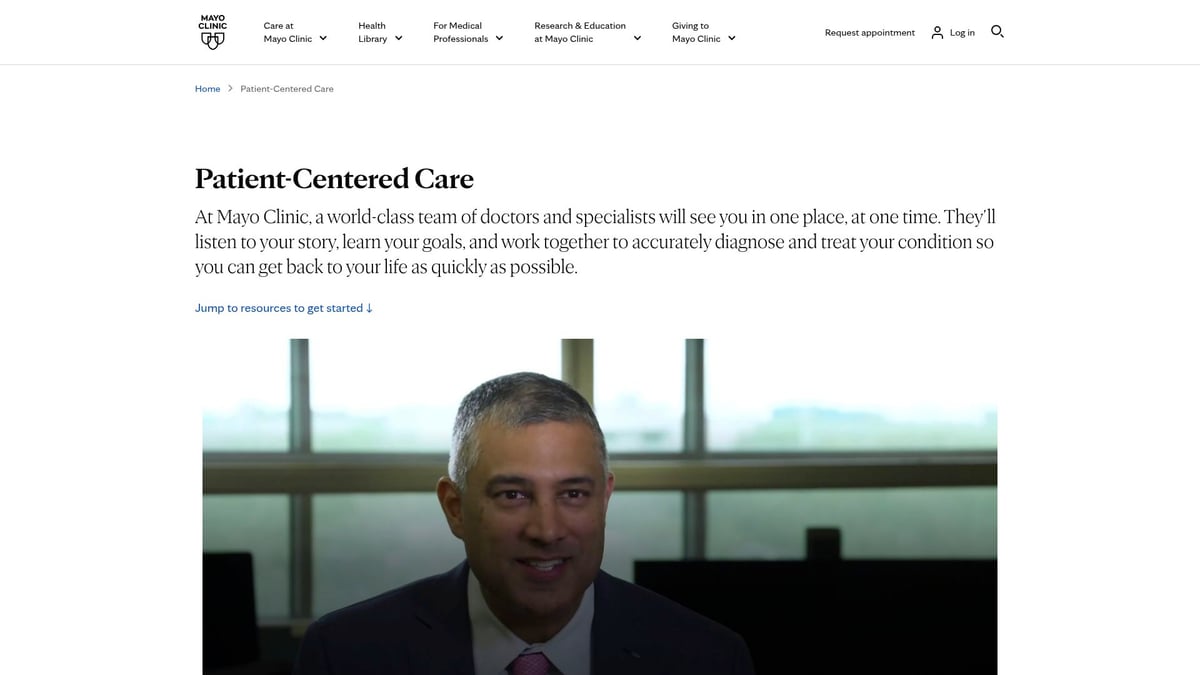
A standout feature is the inclusion of interactive tools and personalized health tips, making the learning experience engaging and tailored. Patient education resources from Mayo Clinic are designed for the general public, patients seeking second opinions, and caregivers looking for trustworthy advice.
The comprehensive nature of these resources, combined with multimedia formats, sets Mayo Clinic apart. While some advanced content may be technical, the platform’s search and navigation tools make it easy to find specific topics.
Mayo Clinic’s reputation for medical excellence ensures the highest standards in patient education resources. The information is up to date with 2026 guidelines, supporting informed decision-making and self-care.
MedlinePlus Health Topics
MedlinePlus stands out as a government-backed hub for patient education resources. It offers free access to articles, videos, and a medical encyclopedia covering thousands of health topics. The content is vetted by the National Library of Medicine and available in multiple languages.
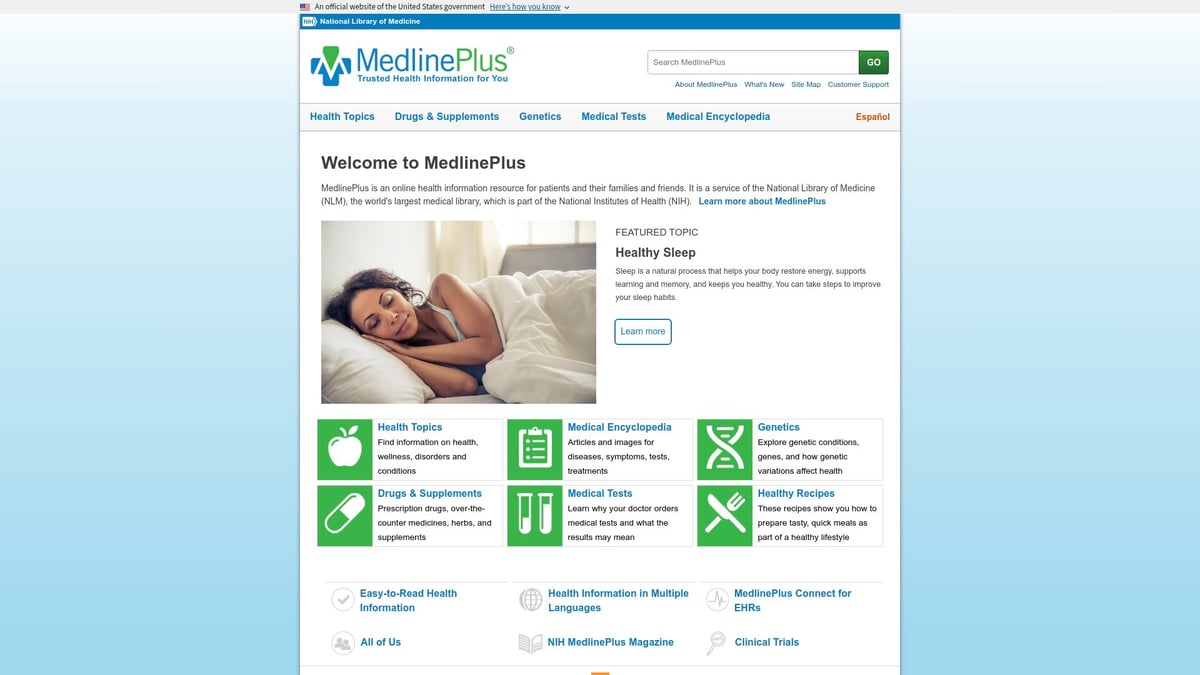
The unbiased, regularly updated information makes MedlinePlus a trusted source for patients, families, educators, and health professionals. Its patient education resources address both common and rare conditions, supporting diverse learning needs.
The interface is straightforward, though some users may find it clinical. While certain topics may be less detailed, the breadth and reliability of MedlinePlus patient education resources are unmatched. Multilingual support ensures accessibility for non-English speakers.
Healthcare providers often recommend MedlinePlus for its integrity and comprehensive coverage. The platform is a valuable starting point for anyone seeking trustworthy patient education resources.
Healthwise Patient Education Library
Healthwise delivers innovative patient education resources through its interactive decision aids, printable handouts, and multimedia content. Institutions can license the library, while patients often access materials through their healthcare providers.
A key strength is the integration with electronic health records, allowing clinicians to tailor patient education resources to individual needs. Healthwise supports prevention, diagnosis, and treatment education, emphasizing shared decision-making.
These resources are evidence-based and customizable for different clinical workflows. While direct access may be limited for individuals, the materials enhance provider-patient communication and foster informed choices.
Healthwise’s patient education resources are trusted by healthcare organizations around the world. The focus on interactive and multimedia learning meets the needs of today’s digital health environment.
UpToDate Patient Education
UpToDate offers detailed patient education resources on diseases, medications, and procedures. Some content is free, while premium access may require a subscription or be available through healthcare organizations.
The platform’s plain language explanations are reviewed by medical experts, ensuring high accuracy and reliability. Patient education resources include illustrations, frequently asked questions, and comprehensive information for patients, families, and clinicians.
UpToDate is widely used by professionals for its evidence-based approach. Full access may require payment, and not all topics are available for free. However, the depth of information and global reach make UpToDate a leading choice among patient education resources.
Clinicians and patients alike value UpToDate for supporting evidence-based self-care and shared decision-making. The platform’s regular updates keep users informed of the latest healthcare advances.
How to Make the Most of Patient Education Resources
Navigating the world of patient education resources can feel overwhelming, but using these tools effectively can transform how you manage your health. Making the most of these resources means more than just reading a brochure or watching a video. It involves active engagement, thoughtful preparation, and collaboration with your healthcare team.
Practical Tips for Engaging with Patient Education Resources
- Bring resources to appointments: Always take your patient education resources with you when meeting your healthcare provider. Highlight questions, underline key points, and use these materials to prompt meaningful discussions.
- Combine formats for better understanding: Mix written guides with videos or interactive tools. For example, use a checklist from a PDF alongside a symptom tracker app to reinforce learning and retention.
- Choose the right language and reading level: Select patient education resources available in your preferred language and at a literacy level that feels comfortable. Research highlights that readability is crucial for comprehension; see this evaluating the readability of online patient education materials study for more insights.
- Share information with family and caregivers: Distribute materials to those involved in your care. This fosters teamwork and ensures everyone is on the same page regarding treatment plans and preventive steps.
Verify and Personalize Your Learning
It is essential to confirm the information you find in patient education resources with your healthcare professional. While these tools are designed for clarity and accuracy, individual health needs can vary. Do not hesitate to ask your provider to explain complex topics or walk through diagrams and instructions together.
Many clinics now use patient-friendly tools during visits. For instance, some use ASGE notepads to visually explain anatomy or procedures, while others recommend Mediscript guides for step-by-step management of chronic conditions. These examples show how integrating resources into real-life conversations can reduce confusion and empower patients.
Leverage Digital Tools for Ongoing Support
Digital patient education resources go beyond static documents. Use mobile apps for medication reminders, symptom tracking, and interactive decision aids. These tools help you stay engaged daily and can improve adherence to treatment plans.
Sharing up-to-date materials with your care team, revisiting resources as new guidelines emerge, and staying informed about advances are all part of proactive self-care. According to improving patient care with education, using these resources not only boosts your health literacy but also leads to better health outcomes.
Stay Informed and Empowered
To maximize the value of patient education resources, make it a habit to check for updates and new releases. Medicine evolves rapidly, and staying current ensures you are making decisions based on the latest evidence and best practices. Engaging with these resources, asking questions, and involving your support network will help you make confident, informed choices throughout your health journey.