


Imagine a healthcare world where technology seamlessly connects patients, clinicians, and caregivers. In 2026, digital health tools are at the heart of this transformation, making care more accessible, personalized, and efficient.
This guide uncovers how digital health tools are changing how we deliver and experience healthcare. Discover their evolution, current impact, and future potential.
You will see real-world examples and data, learn how digital solutions benefit everyone involved, and find inspiration to embrace these innovations. Explore the evolution, core categories, clinical applications, challenges, and future trends shaping digital health today.
The Evolution of Digital Health: From Early Innovations to 2026
The journey of digital health tools began decades ago, setting the stage for transformative changes. In 1989, the International Medical Informatics Association (IMIA) formed to unify experts in health informatics. Just a few years later, the American Telemedicine Association (ATA) emerged in 1993, advancing the idea that care could extend beyond hospital walls. These early organizations laid the groundwork for digital health tools that now define modern care.
As the internet became widely accessible, a new era of “e-patients” emerged. Individuals started using online forums and resources to manage their health. The introduction of digital therapeutics, such as WellDoc for diabetes management, signaled a shift from passive patient roles to active participation. By the early 2000s, fitness trackers and mobile health apps like Fitbit began to empower users, making digital health tools part of daily routines.
The COVID-19 pandemic marked a turning point in the adoption of digital health tools. Health systems worldwide rapidly implemented telemedicine, allowing patients to access care safely from home. During the pandemic, 80% of patients reported using virtual visits, accelerating the integration of digital health tools into mainstream care. Virtual consultations, remote monitoring, and online scheduling became the norm, with 68% of patients preferring providers that offer online booking according to AMA 2022 data.
Regulatory bodies responded to these advancements by establishing clear guidelines for digital health tools. In 2017, the FDA created its digital health unit to oversee the safety and efficacy of new technologies. The American Medical Association (AMA) adopted its first AI policy in 2018, recognizing the growing role of machine learning in healthcare. In 2020, the FDA approved the first AI-guided cardiac ultrasound device, signaling a new era of clinical decision support powered by digital health tools.
The widespread adoption of digital health tools has dramatically changed both patient expectations and provider workflows. Patients now expect seamless, technology-enabled interactions, from booking appointments online to accessing lab results through patient portals. Providers have adapted by integrating telemedicine platforms and remote monitoring devices into their daily practice. This transition has moved the focus from hospital-centric care to patient-centric models, where convenience and engagement are prioritized.
Technological advances have fueled these changes. The rise of wearables, such as smartwatches and EKG monitors, allows continuous health tracking and early detection of potential issues. Mobile health apps provide reminders, education, and personalized programs, supporting both chronic disease management and preventive care. Remote monitoring devices transmit real-time data to clinicians, enabling proactive interventions and improving outcomes.
A quick overview of key milestones in digital health tools' evolution is summarized below:
| Year | Milestone | Impact |
|---|---|---|
| 1989 | IMIA Founded | Health informatics collaboration begins |
| 1993 | ATA Established | Telemedicine advocacy grows |
| Early 2000s | Rise of e-patients | Patient empowerment increases |
| 2017 | FDA Digital Health Unit | Regulatory oversight expands |
| 2018 | AMA AI Policy | AI integration in healthcare recognized |
| 2020 | FDA Approves AI Device | Clinical AI tools become reality |
| 2020-2022 | COVID-19 Acceleration | Telemedicine and remote care mainstream |
As digital health tools continue to evolve, their impact on healthcare delivery, patient empowerment, and clinical outcomes grows stronger. For more insights on how technology is actively enhancing care, explore Improving patient care with technology.

Core Categories of Digital Health Tools in 2026
Digital health tools in 2026 are more advanced, interconnected, and patient-centric than ever before. These solutions span a wide spectrum, from telemedicine to artificial intelligence, shaping how care is delivered and experienced. To understand the evolving landscape, let us explore the key categories of digital health tools transforming healthcare today. For a deeper dive into emerging trends, review the Top 10 Digital Health Trends in 2026.
Telemedicine and Virtual Care Platforms
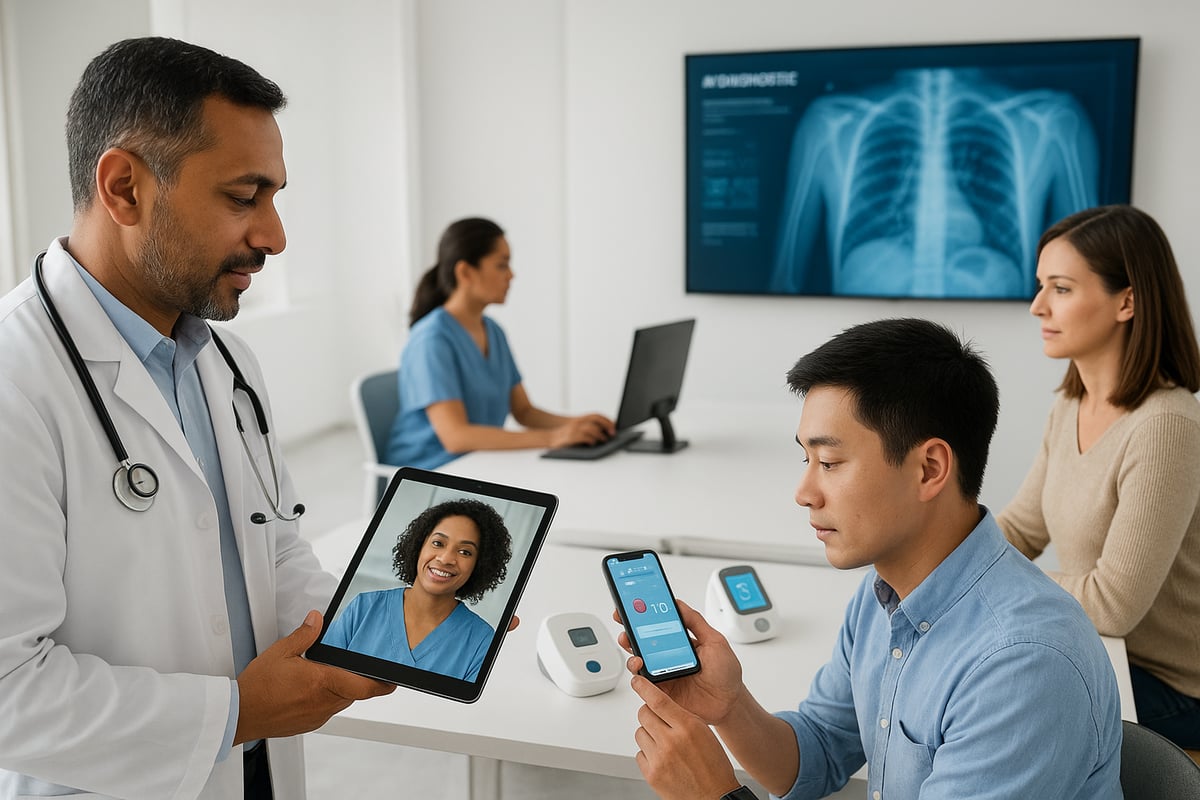
Telemedicine has become a foundational pillar of digital health tools, especially after the pandemic. These platforms enable video consultations, e-prescriptions, and seamless follow-up care at a distance.
Key features include:
- Secure video visits
- Integrated e-prescriptions
- Remote monitoring and follow-up
Integration with electronic health records (EHRs) and remote monitoring devices allows clinicians to provide more coordinated care. The surge in telehealth use, with 80% of patients participating during the pandemic, demonstrates how digital health tools improve access, convenience, and continuity for diverse populations.
Wearables and Remote Monitoring Devices
Wearables are now essential digital health tools for real-time data tracking and proactive intervention. Devices such as smartwatches, rings, skin patches, and EKG monitors continuously measure vitals like heart rate, oxygen saturation, and glucose levels.
Their impact includes:
- Chronic disease management (e.g., diabetes, hypertension)
- Real-time alerts to clinicians
- Enhanced patient engagement
Innovations like digital tattoos, chest straps, and VR-based training expand the scope of digital health tools, allowing care teams to intervene proactively and tailor care to individual needs.
Mobile Health Apps and Digital Therapeutics
Mobile health apps and digital therapeutics are rapidly growing segments of digital health tools. Apps are categorized into lifestyle, patient, clinician, and regulatory types, supporting everything from healthy habits to clinical decision-making.
Notable benefits:
- Disease-specific and behavior modification programs
- Personalized reminders and gamified experiences
- Digital therapeutics for chronic and mental health conditions
Platforms like WellDoc for diabetes management exemplify how digital health tools deliver software-based interventions that improve medication adherence and patient outcomes.
Smart Home Health Technologies
Smart home health technologies are redefining independence and safety for patients. These digital health tools transform everyday environments into supportive care settings.
Examples include:
- Smart TVs for telehealth and wellness content
- Health-monitoring clothing and utensils for special needs
- Home-based diagnostic devices such as stethoscopes and ECG monitors
By enabling continuous monitoring and remote communication, these digital health tools promote autonomy for elderly and chronically ill individuals, supporting a shift toward home-centered care.
Artificial Intelligence and Clinical Decision Support
Artificial intelligence is a transformative force among digital health tools, driving efficiency and accuracy in clinical settings. AI and machine learning power decision support systems that analyze medical images, predict outcomes, and personalize treatments.
Applications include:
- Generative AI tools for documentation and image analysis
- AI-guided devices, like FDA-approved cardiac ultrasound
- Drug discovery and treatment optimization
While digital health tools powered by AI offer significant promise, they also require careful consideration of ethical issues, transparency, and clinical validation.
Clinical Applications: Transforming Patient Care and Outcomes
Digital health tools are reshaping clinical care, delivering measurable improvements in outcomes for patients and providers alike. From managing chronic diseases to supporting mental health and driving population-level change, these technologies now form the backbone of modern healthcare. Explore how digital health tools are driving transformation across five essential clinical domains.

Chronic Disease Management and Prevention
Digital health tools have revolutionized chronic disease management. Continuous glucose monitors, smart blood pressure cuffs, and connected inhalers provide real-time data to clinicians and patients. These devices empower individuals with diabetes, hypertension, obesity, and cardiovascular disease to monitor their health and receive instant feedback.
Mobile applications and digital therapeutics help patients adhere to medication schedules and adopt healthier behaviors. For instance, a person with diabetes can receive real-time alerts when blood glucose levels change, allowing timely interventions. Digital health tools not only support disease management but also promote prevention by tracking activity, nutrition, and stress, guiding users toward healthier choices.
Mental and Behavioral Health Support
The surge in mental health apps and digital therapy platforms has expanded access to psychological support. Digital health tools now include AI-powered chatbots that offer immediate guidance, triage, and self-management strategies for depression, anxiety, and substance use disorders.
Voice analysis technologies can screen for early signs of depression or neurodegenerative diseases, offering objective insights. Many platforms integrate with telepsychiatry services, connecting patients to licensed professionals from the comfort of home. Digital health tools make evidence-based mental health support more accessible, breaking down barriers to care.
Enhancing Clinical Workflows and Decision-Making
Healthcare providers benefit significantly from digital health tools that streamline workflows and improve decision-making. Integration of electronic health records (EHRs) with AI-powered clinical decision support systems allows clinicians to access patient data, diagnostic suggestions, and treatment recommendations in real time.
Administrative tasks such as scheduling, documentation, and follow-up are automated, reducing clinician burnout and enhancing care quality. Notably, 40% of providers plan to adopt augmented intelligence in their practices. For a deeper dive into how these innovations impact care delivery, explore this clinical tools and workflow resource. Digital health tools are essential for boosting efficiency and accuracy in modern healthcare.
Patient Engagement and Self-Management
Patient engagement has reached new heights thanks to digital health tools. Patient portals enable individuals to access their records, schedule appointments, and communicate with care teams. Wearables and health apps encourage daily self-monitoring, empowering patients to participate actively in their care.
Gamification features and personalized goal-setting foster adherence to treatment plans. More than half of patients now use chatbots for health information, reflecting the growing trust in digital health tools. When patients feel engaged and informed, satisfaction and outcomes improve.
Population Health and Health Equity
Digital health tools are instrumental in advancing population health. These technologies support large-scale screening, surveillance, and targeted outreach, helping identify at-risk groups and tailor interventions. Telemedicine, in particular, expands access for rural and underserved communities by breaking geographic barriers.
Efforts to address the digital divide include user-friendly interfaces and health IT literacy programs, ensuring no one is left behind. Data analytics enable health systems to monitor disparities and promote equitable care. Digital health tools play a pivotal role in bridging gaps and fostering health equity for all.
Overcoming Challenges: Data Privacy, Regulation, and the Digital Divide
Digital health tools have transformed care, but they also bring new challenges. Protecting patient privacy, navigating regulations, ensuring interoperability, and closing the digital divide are vital for building trust and maximizing impact. Addressing these barriers will determine how successfully digital health tools shape the future of healthcare.

Data Privacy and Security
Safeguarding sensitive health information is a top priority. Digital health tools must comply with HIPAA, use robust encryption, and ensure secure data transmission. Patients need clear information about consent and data usage. Breaches can erode trust, so regular security assessments, multi-factor authentication, and transparent privacy policies are essential.
- HIPAA compliance protects patient rights.
- Encryption guards data in transit and at rest.
- Consent procedures build patient confidence.
Balancing innovation with privacy is a continuous process for all digital health tools.
Regulatory Frameworks and Oversight
Digital health tools operate within a complex regulatory environment. The FDA and AMA have established guidelines to ensure safety and efficacy. The FDA’s digital health unit oversees device approvals, while AMA policies guide ethical AI use. Regulations evolve with technology, so providers must stay updated.
- FDA reviews digital therapeutics and AI devices.
- AMA sets standards for clinical practice.
- Ongoing policy updates reflect emerging risks.
Effective regulation is crucial for public confidence in digital health tools.
Interoperability and Seamless Data Exchange
Interoperability allows digital health tools to share information across systems. Standards like FHIR enable seamless data flow between apps, devices, and EHRs. When data is siloed, care coordination suffers. Integrated systems improve efficiency, reduce errors, and support holistic patient care.
| Challenge | Solution |
|---|---|
| Data silos | FHIR standards, open APIs |
| Fragmented records | Universal health identifiers |
| Inconsistent data | Standardized reporting formats |
Interoperability is the backbone of scalable digital health tools.
Bridging the Digital Divide
Not everyone has equal access to digital health tools. Older adults, rural residents, and low-income groups often face barriers such as limited internet, low digital literacy, or lack of devices. Addressing these gaps requires targeted outreach and user-friendly design.
- Simple interfaces and language options help all users.
- Community programs can provide device access and training.
- Educational resources empower patients to engage in their care.
For more on fostering patient confidence and access, see these patient empowerment strategies.
Ethical and Educational Considerations
Digital health tools raise ethical questions, especially with AI. Bias in algorithms, transparency in decision-making, and informed consent are key concerns. Providers and patients alike need ongoing education to use digital health tools effectively and responsibly.
- AI systems must be tested for fairness.
- Clear communication fosters trust.
- Regular training strengthens digital skills.
Ethical use and education ensure digital health tools benefit all stakeholders.
Conclusion
Overcoming privacy, regulatory, interoperability, and equity barriers is essential for the future of digital health tools. Success depends on collaboration among policymakers, providers, and patients. By proactively addressing these challenges, healthcare can harness the full potential of digital health tools to improve outcomes and close care gaps.
Real-World Success Stories and Innovative Use Cases
Digital health tools are delivering measurable results in real clinical settings, revolutionizing how care is delivered and experienced. Across the United States and globally, providers and patients are embracing these technologies, leading to improved outcomes, greater convenience, and better quality of life.
One of the most notable transformations is the integration of digital health tools in primary care. According to the AMA, 30 percent of clinicians now use remote monitoring devices to track vital signs and chronic conditions from afar. This shift allows for earlier interventions, reduces unnecessary office visits, and supports proactive management of patient health.
For patients with chronic diseases, digital health tools are changing the landscape of care. Devices like continuous glucose monitors and connected blood pressure cuffs transmit real-time data to care teams, enabling timely adjustments to treatment plans. Programs such as the New Medicare trial may boost digital care are supporting these innovations, making it easier for providers to adopt digital solutions for chronic care management.
In the realm of independent living, smart home technologies are empowering elderly patients to remain safe and self-sufficient. Features like fall detection sensors, voice-activated emergency alerts, and medication reminders have become invaluable. These digital health tools not only reduce hospital admissions but also provide peace of mind to families and caregivers.
Digital therapeutics are also making a significant impact. For example, software-based interventions for diabetes and heart failure have been shown to reduce hospital readmissions and improve adherence to care plans. Mobile health apps offer reminders, educational content, and gamified challenges, encouraging patients to stay engaged and take ownership of their health.
Voice-based diagnostics represent another frontier for digital health tools. AI-driven platforms analyze speech patterns to detect early signs of neurodegenerative conditions such as Parkinson’s or Alzheimer’s. These non-invasive tools facilitate earlier diagnosis and intervention, often before symptoms become apparent during routine checkups.
Healthcare providers are also reporting improvements in clinical accuracy and workflow efficiency. AI-powered clinical decision support tools help clinicians identify potential diagnoses, recommend evidence-based treatments, and streamline documentation. According to the 2026 US health care outlook, health systems using advanced digital health tools are seeing higher patient satisfaction and cost savings.
Lessons learned from these real-world implementations highlight the importance of user-friendly design, ongoing training, and clear communication between patients and providers. Patient testimonials frequently cite increased confidence in managing their own care, greater access to specialists, and a sense of empowerment as key benefits of digital health tools.
In summary, digital health tools are not just theoretical innovations—they are driving tangible improvements in how care is delivered, experienced, and measured. As adoption accelerates, the evidence from these success stories will continue to shape the future of healthcare for years to come.
The Future of Digital Health Tools: Trends Shaping 2026 and Beyond
The future of digital health tools is unfolding rapidly, with innovation driving new possibilities for patients, providers, and caregivers. As we look ahead to 2026 and beyond, emerging trends are set to redefine how technology supports healthcare delivery, personalizes medicine, and enhances daily living. From seamless integration to ongoing research, these advancements are making digital health tools indispensable in modern care.
Integration and Interoperability
Seamless integration is a cornerstone for the next generation of digital health tools. Connecting devices, apps, and electronic health records (EHRs) through interoperable standards like FHIR allows for smooth data exchange.
Healthcare systems are increasingly adopting the Internet of Things (IoT) to link wearables, remote monitoring devices, and provider platforms. For example, FHIR standards enable real-time updates across different systems, improving care coordination and efficiency.
This interconnected landscape ensures that digital health tools deliver timely, accurate information to clinicians and patients, supporting better decision-making and reducing administrative burdens.
Personalized and Predictive Medicine
Personalized and predictive medicine is transforming the way digital health tools support patient care. By harnessing big data and artificial intelligence (AI), providers can develop individualized care plans tailored to each patient's unique needs.
Predictive analytics identify high-risk patients, enabling early intervention and proactive management. AI-powered solutions assist in drug discovery and treatment optimization, accelerating the future of precision medicine for chronic and rare diseases.
As digital health tools become more sophisticated, they empower clinicians to deliver targeted therapies, improving outcomes and patient satisfaction.
Expansion of Virtual and Home-Based Care
Virtual care continues to expand, with digital health tools facilitating remote diagnostics, monitoring, and consultations. Home-based devices such as virtual stethoscopes, ultrasounds, and sleep monitors are now standard practice, supporting chronic care and hospital-at-home models.
Smart home technologies integrate with provider networks, promoting independence for patients and reducing unnecessary hospital visits. For those interested in enhancing home-based care, home health education resources offer valuable insights into digital health education for patients and caregivers.
This shift toward virtual and home-based care underscores the growing role of digital health tools in making healthcare more accessible and patient-centered.
Empowering Patients and Caregivers
Digital health tools are increasingly designed with the consumer in mind. Patients and caregivers now have access to self-management platforms, educational resources, and remote support, all tailored to their individual needs.
Wearables, smart utensils, and assistive technologies enhance daily living, especially for those managing chronic conditions or disabilities. These tools foster patient empowerment by encouraging active participation in care and promoting health literacy.
By supporting independent living and informed decision-making, digital health tools help bridge the gap between clinical care and everyday wellness.
Ongoing Innovation and Research
Innovation remains at the heart of digital health tools. Emerging technologies such as augmented and virtual reality (AR/VR) are revolutionizing rehabilitation and training. Blockchain applications are enhancing health data security and transparency.
Continuous evaluation, including health IT survey compendiums and time-motion studies, ensures that digital health tools evolve based on evidence and real-world needs. Collaboration among technology companies, healthcare providers, and regulators drives progress and sets future research priorities.
As digital health tools continue to advance, ongoing research and innovation will shape breakthroughs that redefine the healthcare experience.