


Imagine a world where you can manage appointments, access health records, and consult with specialists, all from your phone, without stepping outside your home. As an e patient in 2026, navigating digital healthcare is not just a convenience, it is essential for receiving empowered and personalized care. This guide will give you the tools and insights needed to confidently manage your health in this evolving digital landscape. You will discover what defines a modern e patient, explore cutting-edge digital healthcare tools, learn step-by-step how to access and control your health data, address privacy and security, and gain expert tips for getting the most from your digital experience. Unlock the full benefits of digital health and take charge of your care journey today.
What Is an ePatient in 2026?
Imagine navigating your health journey with seamless digital support at every step. The e patient in 2026 is not just a passive recipient of care but an active participant, equipped with tools, knowledge, and digital connections that transform the healthcare experience.

Defining the Modern ePatient
The e patient has evolved remarkably from the traditional patient of decades past. Historically, Tom Ferguson first introduced the term to describe individuals who use digital resources to become better informed and more engaged in their care. Today, the e patient concept has expanded to include not only patients but also eCaregivers and ePatient scholars, reflecting the collaborative nature of digital health.
Digital literacy is a core skill for every e patient. Navigating patient portals, mobile apps, and wearable devices now forms the backbone of daily health management. The ability to access lab results, schedule appointments, and communicate with providers online is no longer a luxury, but an expectation.
Connectivity is central to the e patient’s experience. Widespread internet access, the proliferation of health apps, and integration of wearables have enabled real-time health monitoring and feedback. For example, the Stanford Medicine X ePatient Program has empowered individuals to share insights, advocate for innovation, and build stronger online health communities.
Peer-to-peer support is another defining feature. Patients increasingly turn to moderated forums and social networks to share experiences, offer emotional support, and crowdsource information. According to recent data, over 85% of patients in 2026 use online portals, while telehealth adoption has reached 78%, and nearly 70% of adults regularly seek health information online.
The e patient’s role is more dynamic and informed than ever, paving the way for a new era of healthcare participation.
The Empowerment Shift in Healthcare
Healthcare in 2026 has shifted decisively from a volume-based to a value-based model, placing the e patient at the center of decision-making. This transformation is grounded in the World Bank’s four pillars of patient empowerment:
- Access to Information: The e patient can review health records, test results, and educational materials with ease.
- Inclusion and Participation: Digital tools allow patients to join care planning, set goals, and give feedback.
- Accountability: Patients and providers share responsibility for outcomes, monitored through digital platforms.
- Organizational Capacity: Systems are designed to support patient engagement and self-management.
Case studies like David deBronkart and Regina Holliday illustrate the profound impact that empowered e patients can have. By using digital platforms, they have driven improvements in care quality and transparency.
Empowered patients not only influence their personal outcomes but also contribute to broader healthcare reform. As described in Empowering ePatients to Drive Health Care Reform, engaged e patients advocate for system changes, promote transparency, and foster innovation.
However, challenges remain. Not every e patient has equal access to digital resources or the necessary health literacy. The digital divide, varying internet availability, and differing comfort levels with technology can create barriers. Overcoming these obstacles is vital to ensuring that all patients can become empowered participants in their care.
The e patient movement in 2026 stands as a testament to the transformative power of digital engagement, shaping not only individual health journeys but the future of healthcare itself.
Essential Digital Healthcare Tools and Platforms
The digital transformation of healthcare in 2026 has placed the e patient at the center of a vast network of innovative tools and platforms. Today’s e patient can access, manage, and optimize their health journey using a range of digital resources, each designed to promote empowerment, efficiency, and connection.

Patient Portals and Electronic Health Records (EHRs)
Patient portals are the gateway for every e patient to their personal health information. These secure online platforms allow users to view lab results, medication lists, and visit summaries at any time. In 2026, interoperability between EHRs has improved, making it easier for the e patient to sync data across multiple providers.
Most portals now integrate with wearable devices and health tracking apps, giving a holistic view of health status. The ability to message clinicians, request prescription refills, and schedule appointments are standard features. For the e patient, these tools reduce barriers to accessing care and foster greater engagement in health decisions.
A typical workflow involves logging in, reviewing new test results, and preparing questions for upcoming appointments. Enhanced data sharing ensures that critical health updates are available to both patients and providers in real time.
Telemedicine and Virtual Care
Telemedicine has become a mainstay for the e patient, offering both convenience and expanded access to care. Synchronous options, such as video visits or live chat, enable real-time conversations with healthcare professionals. Asynchronous tools, including secure messaging and remote monitoring, allow patients to communicate symptoms or share data at their own pace.
Common use cases include routine checkups, chronic disease management, and mental health consultations. The e patient benefits from reduced travel time and quicker responses to urgent questions. However, some situations still require in-person visits, so understanding the limitations of virtual care is essential.
To maximize the value of telemedicine, e patients should prepare questions in advance, ensure a stable internet connection, and test their devices before appointments. These best practices help create efficient and productive virtual visits.
Mobile Health Apps and Wearables
Mobile health apps are now indispensable for the e patient. Popular categories include medication reminders, symptom trackers, fitness and wellness programs, and nutrition logging. Wearable devices, such as smartwatches and biosensors, automatically collect and transmit health data to both patients and providers.
For example, an e patient managing diabetes might use a connected glucose monitor that syncs readings with their care team. This real-time data sharing enables timely adjustments to treatment plans and supports proactive self-care.
Selecting reputable apps is critical. Look for those with strong privacy policies, clinical validation, and seamless integration with your provider’s systems. Consistent use of these digital tools empowers the e patient to set, monitor, and achieve health goals.
Table: Common Digital Health Tools for ePatients
| Tool Type | Example Use | Benefit to ePatient |
|---|---|---|
| Patient Portal | Lab results, refills | Centralized access |
| Telemedicine | Virtual checkups | Convenience, flexibility |
| Health App | Symptom tracking | Self-management |
| Wearable Device | Fitness monitoring | Real-time health insights |
| Online Community | Peer support | Emotional, informational aid |
Online Health Communities and Peer Support
Online health communities provide the e patient with valuable peer-to-peer support. Moderated forums and disease-specific networks connect users who share similar health journeys. Benefits include emotional encouragement, crowdsourced advice, and shared experiences that can ease isolation.
However, not all online information is reliable. The e patient should vet sources, seek out moderated or professionally supported communities, and cross-check advice with their healthcare providers. Engaging in these forums can build confidence, provide new perspectives, and foster a sense of belonging.
To get started, search for groups affiliated with reputable organizations or hospitals. Always be mindful of privacy settings and personal boundaries when sharing health information online.
Artificial Intelligence and Personalized Care Tools
Artificial intelligence is revolutionizing the e patient experience in 2026. AI-powered symptom checkers, chatbots, and decision support tools provide fast, tailored guidance based on individual health data. These technologies help with triaging symptoms, offering self-management tips, and flagging urgent concerns.
Personalized health recommendations now draw from real-time data collected by wearables and apps. For the e patient, this means more accurate insights and a proactive approach to wellness. AI also assists providers, ensuring timely interventions and reducing administrative burdens.
To learn more about emerging digital health technologies shaping the future for the e patient, explore the Top 7 Health Tech Trends Redefining Healthcare in 2026. Staying informed about these advancements will help every e patient take full advantage of the digital healthcare ecosystem.
Step-by-Step: Navigating Digital Healthcare as an ePatient
Navigating the digital healthcare landscape as an e patient in 2026 requires both confidence and preparation. With the right approach, you can access your health information, communicate with providers, and take charge of your well-being. Let’s break down the essential steps to becoming an empowered e patient in today’s digital world.
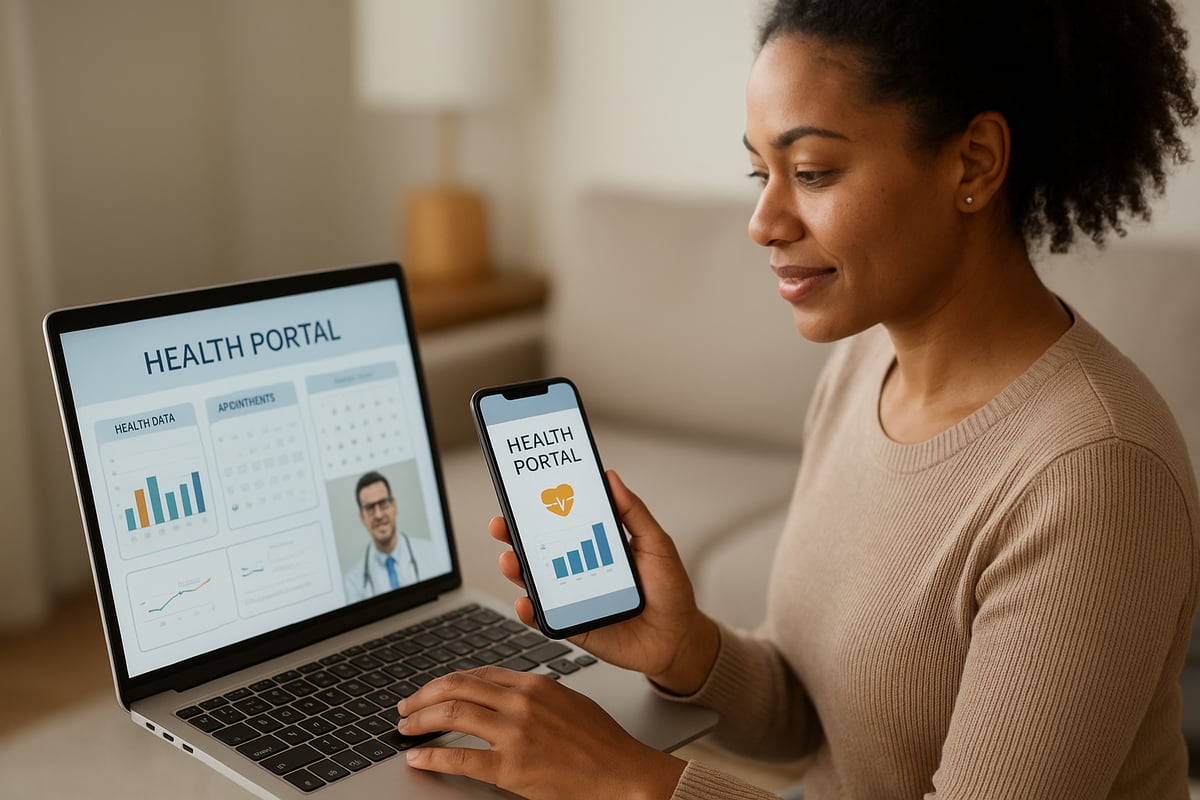
Step 1: Setting Up Your Digital Health Identity
The journey for any e patient begins with creating a secure digital health identity. Start by registering on your healthcare provider’s patient portal or mobile app. Use a strong password and enable two-factor authentication whenever possible.
Next, verify your identity by providing requested personal information. This ensures your records are matched accurately. Many systems now allow you to link records from different providers, giving you a complete view of your health.
Keep your login details private. Regularly update your passwords and avoid using the same password for multiple accounts. Remember, as an e patient, safeguarding your digital health identity is just as important as protecting your physical health.
Step 2: Accessing and Understanding Your Health Information
Once logged in, you can access lab results, imaging, and visit summaries directly from your portal. Familiarize yourself with the layout so you can quickly find the details you need. Look for trends in your health data and note any changes or results that raise questions.
If you struggle to interpret medical terms or test results, use built-in glossaries or contact your provider for clarification. Download your records or share them securely with specialists as needed. Modern systems, often powered by automated data transformation tools, have made it easier for the e patient to manage information across platforms. For a deeper understanding, explore resources like Improving Clinical Data Accessibility Through Automated FHIR Data Transformation Tools.
Stay proactive. Review your information regularly and notify your care team if you notice errors or outdated data. This keeps your profile accurate and supports better care.
Step 3: Scheduling and Preparing for Virtual Visits
Scheduling appointments online is a hallmark of the e patient experience. Use the portal or app to select dates, times, and preferred providers. Automated reminders help you keep track of upcoming visits.
Before a virtual appointment, check your technology. Ensure your device is charged, your internet connection is stable, and your camera and microphone work. Prepare a list of symptoms, medications, and questions to discuss.
During the visit, communicate clearly. Take notes and request a summary of recommendations. As an e patient, these habits make your virtual care more effective and efficient.
Step 4: Managing Prescriptions and Referrals Digitally
Managing prescriptions is simple for the e patient. Use your portal to request refills, view your medication list, and track adherence. Notifications can remind you when it’s time to take medicine or order refills.
Referrals and test orders are often sent digitally. Review them in your portal, and follow any additional instructions from your provider. If you see multiple specialists, coordinate care by sharing your digital records and updates.
Stay organized by keeping track of all your prescriptions, appointments, and test results in one place. This helps prevent delays in care and supports better health outcomes.
Step 5: Leveraging Health Apps and Wearables for Self-Management
Modern e patient tools include mobile health apps and wearables. Choose reputable apps for medication reminders, symptom tracking, or fitness goals. Many devices, like smartwatches or biosensors, automatically sync data to your provider’s system.
Set health goals within your app, and monitor progress over time. If you manage a chronic condition, such as diabetes or hypertension, connected devices can track vital signs and alert your care team when intervention is needed.
Share your self-monitoring data with your provider during checkups. This ongoing feedback loop enables more personalized care and empowers the e patient to stay engaged in their health journey.
Step 6: Engaging in Online Communities and Support Networks
The digital age connects the e patient to a world of support. Join moderated online communities or forums specific to your condition. These platforms offer emotional support, shared experiences, and advice from those facing similar challenges.
When participating, protect your privacy by using anonymous usernames and avoiding personal details. Follow community guidelines and verify information with healthcare professionals before making changes to your care.
As an e patient, contributing to and learning from online networks can enhance your well-being and provide valuable insights. Remember to balance digital engagement with professional advice for the best results.
Privacy, Security, and Ethical Considerations in Digital Healthcare
As an e patient, embracing digital healthcare means understanding the importance of privacy, security, and ethics. The digital age brings immense benefits, but also new responsibilities for protecting your personal health information. By staying informed, you can confidently manage your data and advocate for your rights.
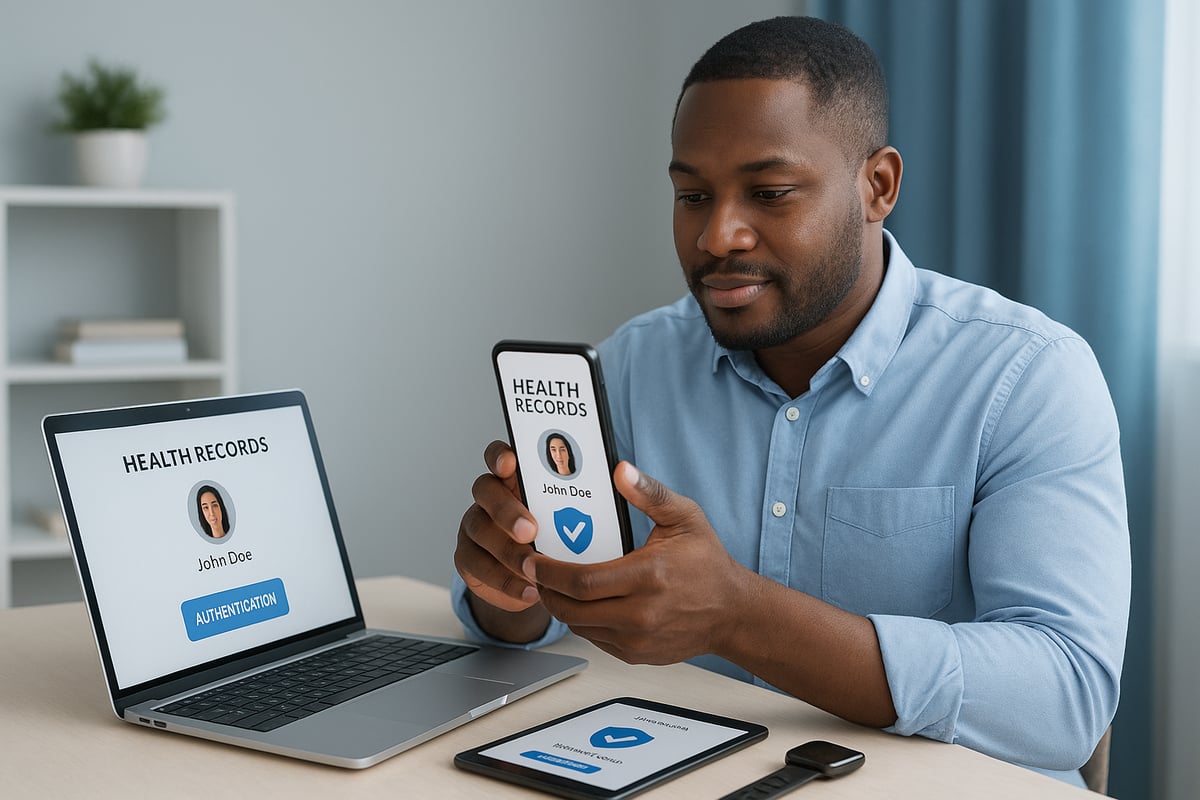
Data Privacy Laws and Patient Rights
Digital health data is protected by a robust framework of privacy regulations in 2026. Laws like updated HIPAA standards and GDPR-inspired rules grant every e patient the right to access, correct, or delete their health records. These rights empower individuals to control who can view or share their information.
Healthcare providers use advanced encryption and secure authentication to safeguard your data. The adoption of interoperability standards means your records can move safely between systems, supporting coordinated care while upholding privacy. Initiatives highlighted by the White House, Tech Leaders Commit to Create Patient-Centric Healthcare Ecosystem have driven greater transparency and accountability in digital health.
You should regularly review privacy policies on portals and apps. Understanding your rights as an e patient helps ensure your information remains protected and used responsibly.
Security Best Practices for ePatients
As an e patient, practicing good security habits is essential. Cyber threats can target digital health tools, but proactive steps help minimize risks.
Key security tips include:
- Use strong, unique passwords and enable two-factor authentication on all health accounts.
- Only download apps from reputable sources, checking for official approval or endorsements.
- Be alert for phishing emails or suspicious links asking for personal details.
- Keep your devices and apps updated with the latest security patches.
- Always use secure, private Wi-Fi when accessing sensitive data.
If you notice any unusual activity in your records, report it to your provider immediately. A vigilant e patient not only protects their own data, but also strengthens the overall security of the digital healthcare environment.
Ethical Challenges and Patient Advocacy
Ethical considerations are at the heart of the e patient journey. Balancing the convenience of digital care with confidentiality is critical. Always consider how and with whom your health data is shared, especially when using third-party apps or participating in online communities.
Consent remains fundamental. Before allowing remote monitoring or data sharing, review terms and understand how your information will be used. If you have concerns, ask questions and request clarification from your healthcare provider.
Being an empowered e patient involves advocating for your digital rights. Support organizations that promote ethical standards and transparent data practices. By participating in discussions and giving feedback, you help shape a healthcare system that respects privacy and trust.
Maximizing Your Digital Healthcare Experience: Expert Tips and Strategies
Unlocking the full potential of digital healthcare requires more than just access to technology. As an e patient, you can achieve better results by mastering key strategies for communication, information management, and problem-solving. This section brings together expert tips, practical tools, and forward-looking advice to help you thrive as an empowered e patient in today's digital landscape.
Communicating Effectively with Digital Providers
Clear, concise communication is the cornerstone of every successful e patient journey. Prepare for virtual visits by jotting down your symptoms, recent health changes, and any questions in advance. During video consultations, maintain eye contact and use secure messaging features to clarify instructions or request follow-up care.
After your appointment, provide feedback on the digital service experience. This not only helps providers improve but also reinforces your role as a proactive e patient. For more on how to become an active partner in your health, explore patient empowerment in healthcare.
- Prepare a brief health summary before each visit
- Utilize secure portals for timely communication
- Share feedback on digital platforms to foster improvement
Effective digital communication enhances engagement, leading to more personalized care and better outcomes for every e patient.
Staying Informed and Up to Date
As an e patient, continuous learning is vital. Rely on trusted sources for health news, app updates, and emerging trends. Sign up for webinars, online workshops, or e patient training programs to build your digital health literacy.
Bookmark reputable health websites and subscribe to newsletters from medical organizations. Join virtual learning communities to exchange tips with fellow e patients. Regularly reviewing new resources ensures you make informed decisions and stay ahead in the digital health landscape.
- Follow updates from official health authorities
- Participate in virtual educational events
- Network with other e patients for peer learning
Staying informed empowers you to navigate changes and maximize digital healthcare tools as an engaged e patient.
Troubleshooting Common Digital Health Challenges
Technical issues, such as login errors or data discrepancies, can frustrate any e patient. If you encounter problems, check your provider's support lines, explore online FAQs, or contact technical support for guidance. For self-management tips, see patient compliance and self-management.
Bridging the digital divide is critical. If you or someone you know lacks access or skills, seek out community programs, libraries, or non-profit initiatives that offer digital literacy training.
- Keep a list of technical support contacts
- Use strong, unique passwords for all accounts
- Seek help from community resources when needed
Addressing challenges quickly keeps every e patient engaged and confident in their digital health journey.
The Future of Digital Healthcare: Trends to Watch
The e patient of tomorrow will benefit from rapid advances in technology. New trends are shaping the landscape, offering even more personalized and efficient care options.
| Trend | Description |
|---|---|
| Virtual Reality | Immersive therapy and patient education |
| Remote Diagnostics | At-home testing with instant provider review |
| Blockchain | Secure, transparent health data management |
| Predictive AI | Early risk detection and personalized plans |
Staying aware of these trends helps the e patient anticipate changes and adapt to new digital health opportunities.
Real-World Success Stories
Many e patient stories highlight the power of digital engagement. For example, one patient with diabetes used remote monitoring and app-based coaching to achieve better glucose control. Another e patient with hypertension relied on telemedicine and wearable data to adjust treatment proactively.
These experiences underline how digital tools can improve chronic disease management, support early diagnosis, and strengthen the patient-provider relationship. As an e patient, learning from these stories can inspire you to take charge and achieve better outcomes.
Resources and Further Reading for ePatients
Access to reliable resources is essential for every e patient navigating digital healthcare. Whether you are looking for trustworthy platforms, support groups, or educational materials, a well-curated toolkit empowers you to stay informed and in control.
Essential Resources for the e patient:
-
Patient Portals & Telemedicine Platforms: Start with your healthcare provider’s patient portal, which gives you secure access to your medical records, appointment scheduling, and direct messaging with your care team. Major telemedicine platforms often partner with hospitals and clinics to streamline virtual visits.
-
Digital Health Apps & Wearables: Explore app stores for reputable health apps, such as medication reminders, chronic disease trackers, and wellness tools. Look for devices that integrate data directly with your care team for a seamless e patient experience.
-
Patient Advocacy Organizations: Groups like the Society for Participatory Medicine or national patient advocacy networks offer support, policy updates, and peer connections for the e patient community.
-
Digital Health Literacy: Building your digital skills is crucial. For credible patient education, visit resources like Digital patient education materials to access up-to-date guides and learning modules tailored for the e patient.
-
Privacy & Security Guidance: Government health departments and non-profit organizations provide practical advice on protecting your health data. These resources outline your digital rights, consent, and best practices for online safety.
-
Technical Support & Assistance: Most patient portals have dedicated help desks. For broader support, look for national or local patient assistance programs that guide the e patient through technical challenges.
-
Community & Peer Support: Online health communities and support forums connect you with others who share your condition or concerns. Many reputable groups moderate discussions to ensure accuracy and privacy.
-
Evaluating Digital Tools: Before adopting new health tech, review independent evaluations or consult with your provider. For more on best practices, see Improving patient care strategies, which covers practical methods relevant to the e patient journey.
Quick Reference Table
| Resource Type | Example or Link |
|---|---|
| Patient Portal | Provider's official portal |
| Telemedicine Platform | Hospital-affiliated video consult service |
| Health App | Symptom tracker, medication reminder |
| Digital Education | Digital patient education materials |
| Advocacy Organization | Society for Participatory Medicine |
| Privacy Guidance | Government health privacy page |
| Support Program | Local patient tech help line |
| Care Strategies | Improving patient care strategies |
Joining a local or condition-specific e patient group can further enhance your support system. Stay proactive by subscribing to digital health newsletters, attending webinars, or participating in online courses. As an e patient, regularly evaluate new tools and resources to ensure they fit your needs and security preferences.