


Imagine a world where every household feels equipped to make informed health decisions, starting with a single visit to the family health pharmacy. Today, pharmacies are evolving beyond prescription counters, becoming trusted wellness partners for families everywhere.
This guide is your essential roadmap for navigating the future of family health pharmacy services in 2026. You will discover how pharmacies are expanding their roles, offering crucial health services, and seamlessly integrating new technology to support your family’s well-being.
Explore strategies for medication management, preventive care, digital innovations, and practical steps to maximize your pharmacy experience. Begin your journey to optimal family health with confidence and clarity.
The Evolving Role of Pharmacies in Family Health
Modern families expect more from their local pharmacy than ever before. The family health pharmacy is rapidly transforming, offering a broader range of services and deeper involvement in everyday wellness. This evolution makes pharmacies a cornerstone of the healthcare system, guiding families through prevention, care, and education.

Expansion of Pharmacy Services
The shift from prescription dispensing to holistic health support is at the heart of the family health pharmacy transformation. Pharmacies now provide clinical services that go well beyond simply filling medications. Immunizations, health screenings, and chronic disease management are widely available, helping families stay healthy year-round.
For example, over 70% of pharmacies currently offer flu vaccinations, according to the CDC. This accessibility means families can keep up with recommended immunizations without visiting a doctor's office. The integration of pharmacy services with primary care providers supports collaborative care models, ensuring seamless communication between healthcare professionals.
Pharmacists are more accessible than ever for consultations. Families can walk in for advice about minor illnesses, medication questions, or preventive care needs. The family health pharmacy model encourages open dialogue, empowering families to make informed health decisions and access timely clinical support.
To summarize the expanded services, see the table below:
| Service Type | Availability in Pharmacies | Family Benefit |
|---|---|---|
| Immunizations | 70%+ | Convenient protection |
| Health Screenings | Increasing | Early detection |
| Chronic Disease Mgmt | Widespread | Ongoing support |
| Consultations | Extended hours | Immediate expert advice |
This breadth of services redefines what families expect from their pharmacy experience.
Community Impact and Accessibility
The family health pharmacy has emerged as a vital health hub, especially in communities where access to care can be challenging. Pharmacies are strategically located in both urban and rural areas, making them accessible to nearly every family. In fact, 90% of adults live within five miles of a pharmacy.
Extended hours and walk-in services mean families can seek help after work or school, reducing barriers to care. Pharmacies play a pivotal role in underserved neighborhoods, providing essential services where clinics may be limited.
A practical example is the impact of pharmacy-based blood pressure clinics. These clinics help families manage hypertension, leading to better health outcomes. Pharmacies also offer language support, accessible facilities, and resources tailored for all ages, making the family health pharmacy a welcoming environment for everyone.
Key features of accessible pharmacies include:
- Walk-in health screenings
- After-hours consultations
- Multilingual staff and resources
- Partnerships with local healthcare providers
For more on how pharmacies are enhancing patient care, read Improving Patient Care in Pharmacies.
Pharmacist Expertise for Family Wellness
Pharmacists are trusted experts within the family health pharmacy, providing personalized support at every stage of life. Through medication counseling, they ensure each family member understands how to take medications safely and effectively. This guidance is crucial for managing complex regimens, especially in households with children or seniors.
Preventive care recommendations are tailored to individual and family needs, helping families adopt healthier routines. Pharmacists support medication adherence, offer lifestyle advice, and answer questions about side effects or drug interactions.
Medication therapy management (MTM) programs have demonstrated remarkable results, reducing hospitalizations by up to 20% according to the AHRQ. These programs highlight the value of pharmacist intervention in keeping families healthy and minimizing risks.
As the family health pharmacy continues to evolve, pharmacists remain at the forefront, empowering families to achieve optimal wellness through expert care and ongoing education.
Essential Pharmacy Services for Family Wellness
A modern family health pharmacy is more than a place to pick up prescriptions. It serves as a comprehensive wellness resource, supporting families at every life stage. From immunizations to medication safety, pharmacies provide essential services that help families stay healthy, informed, and empowered.
Immunizations and Preventive Care
Immunizations are a cornerstone of family health pharmacy services. Pharmacies now offer a wide range of vaccines for children, adults, and seniors, making preventive care more accessible than ever. Common vaccines available include flu, COVID-19, HPV, and travel-related immunizations.
Most families live within five miles of a pharmacy offering immunizations, making it easy to stay up to date. Pharmacists can also provide annual wellness checks and screenings. These services ensure early detection of health risks and help families maintain optimal wellness through their trusted family health pharmacy.
Medication Management and Safety
Medication management is a critical responsibility of the family health pharmacy. Safe prescription filling, refilling, and synchronization simplify care for families managing multiple medications. Pharmacists use advanced systems to check for potential drug interactions and allergies.
Pharmacy-led medication reviews help prevent adverse drug events. By partnering with your family health pharmacy, you gain expert guidance on medication schedules, safety practices, and effective communication with all healthcare providers. This support is invaluable for families with complex health needs.
Health Screenings and Chronic Disease Support
Regular health screenings are another vital service offered by the family health pharmacy. Blood pressure, cholesterol, and diabetes checks enable early detection and ongoing monitoring of chronic conditions. Pharmacists also provide support for asthma, allergies, and heart health.
Diabetes education programs at the pharmacy have been shown to improve glycemic control by 15 percent. With ongoing support from your family health pharmacy, managing chronic diseases becomes more manageable and less stressful for families.
Over-the-Counter (OTC) Guidance
Choosing the right over-the-counter remedies can be overwhelming. Your family health pharmacy provides expert advice on selecting safe and effective OTC products for common ailments like colds, allergies, and digestive issues. Pharmacists also guide families on the proper use of vitamins, supplements, and natural products.
Knowing when to consult a physician is essential. The family health pharmacy helps families make informed decisions, ensuring that minor symptoms are managed safely and serious conditions receive prompt medical attention.
Family Health Education Resources
Education is at the heart of every successful family health pharmacy. Pharmacies offer brochures, workshops, and digital tools to help parents and caregivers make informed health decisions. Reliable information empowers families to practice self-care and prevent illness.
Many pharmacies partner with local health educators to host community seminars. For further support, families can access Health Education Materials for Families, which provide clear, evidence-based guidance tailored to everyday needs.
Empowering Families with Health Education Guides
Clear, accessible health education is a defining feature of the modern family health pharmacy. Mediscript’s customizable guides support medication adherence, allergy management, and healthy routines. Healthcare professionals and pharmacies worldwide rely on these materials to improve patient outcomes.

Pharmacists use these resources for counseling and community outreach, ensuring every family receives the support they need. By embracing education, the family health pharmacy helps families take control of their wellness journey.
Medication Management: Steps to Ensure Family Safety
Managing medications for your family can seem overwhelming, but a structured approach can safeguard everyone’s well-being. The right strategies from your family health pharmacy help prevent errors, reduce stress, and create a safer environment at home. Here is a step-by-step guide to effective medication management for families.

Step 1: Organize Family Medications
Begin by creating a medication list for each family member. Include the medication name, dosage, timing, and purpose. This master list is essential for any family health pharmacy visit or emergency.
Use pill organizers to separate daily doses, especially for seniors or children. Digital reminders on smartphones or tablets can help families stay on schedule. Many families find that using medication apps leads to fewer missed doses and more accurate tracking.
Organizing medications reduces confusion and ensures everyone receives the right treatment at the right time. This proactive approach is a cornerstone of the family health pharmacy experience.
Step 2: Review and Reconcile Medications Regularly
Annual medication reviews with your pharmacist are crucial for family safety. During these appointments, bring all current medications, including over-the-counter products and supplements.
Ask your family health pharmacy team to check for duplicate therapies, expired drugs, and unnecessary prescriptions. Involve all caregivers when reviewing medications for children, seniors, or those with chronic conditions.
Regular reconciliation helps identify potentially harmful interactions and ensures each family member’s regimen is current. This step strengthens collaboration between your household and the family health pharmacy.
Step 3: Understand Dosages and Administration
Clear instructions on how and when to take each medication are vital. Your family health pharmacy can provide detailed guidance on timing, food interactions, and possible side effects.
For households with children or seniors, consider using color-coded charts to make dosing schedules easy to follow. Visual aids, such as stickers or charts, can decrease medication errors and increase confidence in administration.
Never hesitate to ask your pharmacist for clarification. Proper understanding of medication instructions is essential for the safety and well-being of your family.
Step 4: Store Medications Safely
Proper storage protects both the effectiveness of medications and the safety of your family. Keep all medicines in a secure location, out of reach of children and pets.
Ensure medications are stored at recommended temperatures and away from moisture. Your family health pharmacy can advise on specific storage requirements, especially for refrigerated or sensitive drugs.
Dispose of unused or expired medications at pharmacy take-back events. Safe disposal prevents accidental ingestion and environmental contamination, reinforcing your commitment to family health pharmacy best practices.
Step 5: Monitor for Side Effects and Interactions
Being vigilant about side effects and potential drug interactions is key. Familiarize yourself with common symptoms to watch for, and keep a log of any changes in health after starting new medications.
Consult your family health pharmacy team if you notice anything unusual or if new symptoms arise. Pharmacists can review your regimen and identify possible interactions, especially when supplements or herbal products are involved.
For detailed guidance on safe supplement use and preventing harmful drug interactions, consult Medication and Supplement Safety Guides. Relying on trusted resources helps protect your family from preventable risks.
Step 6: Encourage Open Communication
Fostering a culture of open communication is essential for family medication safety. Encourage every family member to ask questions during visits to the family health pharmacy.
Share updates about new medications, allergies, or health changes with all healthcare providers. Keep emergency contact and allergy information readily accessible at home and when traveling.
Regular, transparent communication ensures everyone is informed and involved. With support from your family health pharmacy, you can confidently manage your loved ones’ medications and promote lasting wellness.
Preventive Care and Wellness Strategies at the Pharmacy
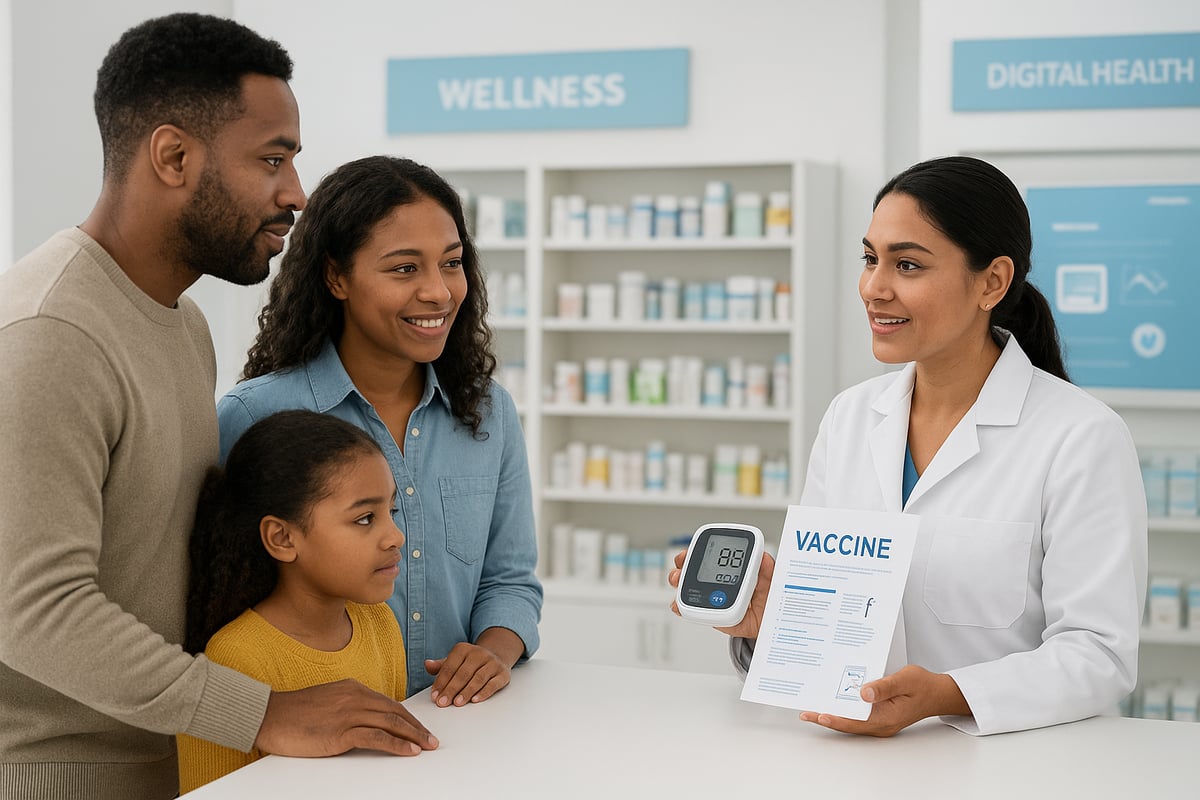
Modern families are seeking more from their pharmacy than just prescriptions. Today’s family health pharmacy is a proactive partner in wellness, offering preventive services, education, and ongoing support for every stage of life.
Routine Health Screenings and Assessments
Regular health screenings at your family health pharmacy can identify risk factors before they become major concerns. Blood pressure, cholesterol, and glucose checks are available for all ages, helping families catch chronic issues early.
Screenings are quick, affordable, and require no appointment. Early intervention can prevent up to one in four hospitalizations, making these pharmacy visits a smart routine for every household.
Families should follow age and risk-based guidelines, scheduling screenings at least annually or more often if recommended by their pharmacist.
Vaccination Schedules for Families
Immunizations are a cornerstone of preventive care, and your family health pharmacy makes them accessible for everyone. Pharmacies offer age-appropriate vaccines for children, teens, adults, and seniors, including flu, COVID-19, and travel-related vaccinations.
During the last flu season, pharmacies increased adult vaccination rates by 15 percent by providing convenient walk-in clinics.
Families benefit from reviewing vaccine schedules with their pharmacist, ensuring each member is up to date and protected against preventable diseases.
Nutrition and Lifestyle Counseling
A family health pharmacy provides more than medication advice. Pharmacists offer guidance on healthy eating, physical activity, and weight management tailored to each family’s needs.
Many pharmacies now run smoking cessation and alcohol moderation programs. Nutrition workshops have helped 60 percent of participants improve their BMI, showing the impact of these accessible services.
Families are encouraged to ask about available counseling and attend group sessions to build healthier habits together.
Support for Managing Chronic Conditions
Families managing diabetes, hypertension, asthma, or allergies can count on their family health pharmacy for ongoing support. Pharmacists provide personalized care plans, regular monitoring, and medication adjustments as needed.
For those dealing with allergies or asthma, many pharmacies share trusted Guides for Allergy and Asthma Management to help families recognize triggers, use devices correctly, and respond to symptoms promptly.
Digital tools and follow-up appointments further empower families to manage chronic conditions confidently.
Family Wellness Workshops and Resources
Education is central to the mission of a family health pharmacy. Pharmacies host workshops on topics like stress management, sleep hygiene, and mental health, giving families practical tools for everyday wellness.
Health guides, checklists, and community partnerships extend support beyond the pharmacy walls. Staying informed and engaged helps families take charge of their health journey and make the most of pharmacy resources.
Digital Innovations Transforming Family Pharmacy Care
Digital transformation is redefining the family health pharmacy experience. From remote consultations to smart dispensing, families now have more convenient, personalized care than ever. Let’s explore how these innovations are shaping your path to wellness.
Telepharmacy and Virtual Consultations
Telepharmacy brings expert care right into your home. Through secure video or chat platforms, families can consult pharmacists about prescriptions, side effects, and chronic disease management without traveling. This digital expansion of the family health pharmacy is especially valuable for rural or busy households seeking quick, professional advice.
Virtual consultations increase accessibility, allowing families to address health concerns on their schedule. These services also support collaborative care, connecting with primary providers as needed. Recent studies highlight that pharmacist-led MTM improves chronic disease care, further enhancing outcomes through remote support.
Online Prescription Management
Managing prescriptions is easier than ever through digital tools offered by your family health pharmacy. Electronic prescription renewals, home delivery, and secure messaging streamline the process for families. Mobile apps allow you to track refills, view medication histories, and receive timely reminders.
These features help families maintain medication schedules and reduce the risk of missed doses. Online systems also support digital payment options and insurance verification, minimizing waiting times and paperwork. With these tools, your family health pharmacy becomes a convenient partner in everyday wellness.
Health Monitoring Devices and Apps
Wearable health devices and connected apps are revolutionizing self-care. Many family health pharmacy locations now offer support for blood pressure monitors, glucose meters, and fitness trackers. These devices integrate with pharmacy systems, allowing real-time health monitoring and data sharing.
By leveraging these innovations, families gain insights into trends and potential issues. Digital reminders and alerts encourage adherence to medication and lifestyle plans. Importantly, pharmacist-led MTM enhances medication adherence when paired with these technologies, especially for managing chronic conditions.
Personalized Health Recommendations
Artificial intelligence is ushering in a new era of tailored care at the family health pharmacy. AI-powered apps analyze family health profiles to deliver customized medication reminders, wellness tips, and health alerts. This technology helps families make informed decisions based on real-time data.
Pharmacists use digital tools to provide recommendations on nutrition, exercise, and preventive screenings. Data privacy remains a top priority, with secure systems protecting sensitive information. Personalized recommendations empower families to take charge of their health journey with confidence.
Future Trends: Smart Pharmacies
The future of the family health pharmacy is bright with smart innovations. Automated dispensing systems, robotics, and self-service kiosks are reducing wait times and improving efficiency. These advancements free up pharmacists to focus on counseling, education, and support.
Families will experience faster service, easier access to health resources, and greater convenience. As digital technologies evolve, pharmacists will guide families through new tools and services, ensuring everyone benefits from a seamless, tech-enabled pharmacy experience.
Maximizing Your Family’s Pharmacy Experience: Practical Tips
Taking full advantage of your family health pharmacy ensures each family member receives the best care. By building strong relationships, staying prepared, and using available resources, you can make every pharmacy visit count for your family's wellness.
Building a Relationship with Your Pharmacist
Establishing a consistent connection with your pharmacist is essential for long-term wellness. Choose a family health pharmacy where staff recognize your family's needs and offer personalized advice. Consistency leads to higher satisfaction and better outcomes.
When your pharmacist knows your health history, they can spot potential interactions, recommend preventive measures, and provide practical tips. This partnership helps your family feel confident in every healthcare decision.
Preparing for Pharmacy Visits
Arriving prepared helps you get the most from each appointment. Bring updated medication lists, insurance cards, and allergy information for all family members. Write down questions about new prescriptions or health concerns before you go.
If your family health pharmacy offers appointment scheduling, use it to minimize wait times and ensure focused attention. Preparation empowers you to make informed choices during each visit.
Leveraging Pharmacy Loyalty Programs and Services
Many pharmacies now offer wellness programs, discounts, and medication synchronization services. Enrolling in these programs can save your family money and streamline care. Loyalty members often access exclusive health screenings and immunization savings.
Pharmacist-led medication therapy management (MTM) programs can also reduce healthcare costs and improve outcomes. For example, pharmacist-led MTM reduces total care costs by optimizing medication use and preventing complications, making these services a valuable part of your family health pharmacy strategy.
Navigating Insurance and Payment Options
Understanding your pharmacy benefits helps you avoid surprises at the counter. Ask your family health pharmacy team to explain copays, coverage limits, and generic alternatives. For uninsured or underinsured families, many pharmacies assist with savings programs and manufacturer discounts.
Pharmacy staff can also help you navigate prior authorizations or connect you with community resources, ensuring your family receives necessary medications without delay.
Advocating for Family Health Needs
Every family is unique, so communicate your needs clearly. Inform your pharmacist about children’s dosing preferences, senior mobility issues, or language requirements. Request accessible packaging or large-print labels if needed.
Pharmacists play a vital role in care coordination. For families managing chronic conditions or caring for elderly relatives, pharmacist-led MTM programs support medication adherence and health outcomes. Research shows pharmacist-led MTM benefits elderly patients with chronic diseases, making advocacy an important part of your family health pharmacy experience.
Staying Informed and Proactive
Stay updated on new pharmacy services, immunization schedules, and community events by subscribing to newsletters or following pharmacy alerts. Participate in health education sessions and ask for brochures or digital resources to support your family’s self-care.
Share feedback with your family health pharmacy team to help them improve their services. Staying engaged ensures your family continues to benefit from evolving pharmacy care.