


Staying ahead of the curve in health is more crucial than ever as we enter 2026. The pace of medical advances and emerging challenges means everyone needs reliable, up-to-date insights.
This article delivers the most important health questions answered for 2026, offering evidence-based advice you can trust. We cover everything from preventive care and mental health to the latest in nutrition, chronic disease management, and digital health innovations.
Unlock practical tips and expert guidance designed to help you make informed decisions for your well-being. Ready to take charge of your health? Let’s get started.
The State of Health in 2026: Key Trends and Context
The landscape of health in 2026 is shaped by rapid change, innovation, and new challenges. In the wake of the pandemic, global priorities have shifted toward resilience and preparedness. People are more proactive about their well-being, seeking the most relevant health questions answered by experts and trusted sources. At the same time, the healthcare sector is adapting to meet rising demand and evolving patient expectations.
One of the most striking trends is the growing burden of chronic diseases such as diabetes, heart disease, and obesity. These conditions now account for over 70 percent of healthcare spending worldwide. The increased prevalence is putting unprecedented pressure on health systems, prompting a renewed focus on prevention and early intervention. Life expectancy has plateaued in some regions due to these chronic health challenges, underscoring the urgency for solutions.
Technology is transforming how care is delivered and how individuals approach their health. Telemedicine usage has soared, with more than 60 percent of adults in developed countries using virtual visits as of 2025. Artificial intelligence is streamlining diagnostics and supporting personalized medicine, allowing for faster, more accurate answers to complex health questions. According to Eight Health Trends for 2026, automation and AI are expected to further improve access and efficiency across care models.
Preventive care and lifestyle management are now at the forefront of public health strategies. Governments, employers, and communities are investing in wellness programs, screenings, and education to empower people to take charge of their health. Mental health awareness has seen a significant rise, driven by increased openness and reduced stigma. More individuals are seeking support, leading to a 40 percent increase in mental health service utilization over the past five years.
In an era of information overload, the importance of credible, evidence-based guidance cannot be overstated. Misinformation spreads rapidly online, making it crucial for the most important health questions answered to be grounded in science and delivered by reputable sources. These trends are not just statistics; they directly influence the questions people are asking about preventive care, chronic disease management, mental health, and the safe use of digital health tools in 2026.

12 Vital Health Questions Answered for 2026
Staying informed is crucial as health evolves in 2026. Here, you will find the most pressing health questions answered with current, practical guidance. Whether you are focusing on prevention, managing chronic disease, or navigating digital health, these answers are designed for real-world application.

1. How Can I Best Protect Myself Against Emerging Infectious Diseases?
Protecting yourself from emerging infectious diseases remains a top priority in 2026. The most effective strategies involve staying up to date with recommended vaccines, practicing proper hand hygiene, and taking travel precautions when visiting high-risk regions. Global vaccination campaigns have expanded, and new vaccine technologies, like mRNA platforms, allow quicker responses to novel threats.
Personal responsibility is key—your actions not only protect you but also contribute to community immunity. Rely on trusted health sources for updates, as misinformation can spread quickly. The COVID-19 pandemic taught us the importance of adapting to changing guidelines and prioritizing public health measures.
According to recent data, over 86% of adults were current with core vaccines in 2025, reflecting improved awareness. By keeping these health questions answered, you can make informed decisions for your safety and those around you.
2. What Are the Most Effective Ways to Manage Stress and Mental Health?
Managing stress and mental health is more important than ever. Evidence shows that mindfulness practices, regular exercise, and professional therapy are highly effective. The use of digital mental health tools has surged, with teletherapy and AI-powered apps offering accessible support.
Recognizing burnout is vital. If you experience persistent anxiety, mood changes, or trouble concentrating, it may be time to seek help. Community and workplace initiatives are helping to destigmatize mental health challenges.
Since 2020, mental health app usage has grown by over 60%. The percentage of adults reporting anxiety or depression also increased, highlighting the need for accessible solutions. For actionable tips, explore the Relieving Stress and Anxiety Guide, which provides practical ways to address these health questions answered.
3. How Should I Eat for Optimal Health in 2026?
Nutrition science has advanced, and the latest dietary guidelines emphasize whole foods, reduced added sugars, and a balance of macronutrients. Popular patterns, such as plant-based and Mediterranean diets, are backed by research for reducing inflammation and supporting gut health.
Personalized nutrition, including genetic testing, is making it easier to tailor diets to individual needs. Success stories abound, with many reversing or managing chronic conditions through dietary changes.
Diet-related chronic diseases remain prevalent, but with your health questions answered, you can take steps toward optimal health. Focus on variety, nutrient density, and moderation for the best results.
4. What Are the Latest Recommendations for Physical Activity?
Staying active is essential for long-term health. Updated guidelines recommend at least 150 minutes of moderate-intensity exercise weekly for adults, along with strength training and flexibility exercises. Children and teens need even more daily movement.
Incorporate activity into your routine—use standing desks, take walking meetings, or join community fitness challenges. Wearable technology helps track progress and motivates consistent movement.
National data from 2025 showed average daily step counts rising to 7,500, reflecting increased awareness. Keeping these health questions answered ensures you are meeting your body's needs for movement and vitality.
5. How Can I Reduce My Risk of Heart Disease and Stroke?
Heart disease and stroke remain leading health concerns. Managing blood pressure, cholesterol, diet, and exercise are the most effective ways to reduce risk. Advances in screening, like portable ECGs and blood tests, allow earlier detection.
Medications and therapies have improved, but lifestyle changes remain the foundation. Community heart health programs are making a difference, offering screenings and support for at-risk populations.
Recent statistics show a 10% decrease in heart disease mortality where prevention programs are active. With these health questions answered, you can take control of your cardiovascular health.
6. What Should I Know About Cancer Prevention and Screening?
Cancer prevention starts with lifestyle choices—avoid smoking, limit alcohol, and protect your skin from excess sun. Updated screening guidelines now include expanded options for breast, colon, prostate, and cervical cancers.
Genetic testing is increasingly used to assess risk, especially for those with a family history. Early detection technologies, like liquid biopsies, are improving survival rates.
The impact of HPV vaccination on cervical cancer rates has been profound, with a 40% reduction in some regions. Adhering to screening schedules and keeping your health questions answered can save lives.
7. How Do I Navigate Digital Health Tools and Telemedicine Safely?
Digital health tools are transforming care in 2026. Choose reputable telehealth services by checking credentials and privacy policies. Protect your health data by using secure apps and enabling two-factor authentication.
Look for health apps with clinical backing, and be cautious of misinformation. AI-driven monitoring and diagnostics are becoming standard, helping patients manage chronic conditions and access care remotely.
A recent survey found 80% user satisfaction with digital health tools, and adoption rates continue to grow. Keeping these health questions answered will help you make safe, informed choices in the digital health landscape.
8. What Steps Should I Take to Prevent and Manage Diabetes?
Diabetes prevention starts with regular screening, especially if you have risk factors. Focus on a balanced diet, regular exercise, and achieving a healthy weight. Advances in glucose monitoring—like continuous sensors—make management easier.
Medication options have expanded, and digital tools offer real-time feedback for self-management. Patient stories highlight how lifestyle changes can delay or prevent diabetes onset.
In 2026, diabetes affects nearly 12% of adults, but control rates are improving where education is prioritized. Keeping your health questions answered empowers you to manage or prevent diabetes effectively.
9. How Can I Support Healthy Aging and Cognitive Health?
Maintaining cognitive health as you age requires a holistic approach. Engage in mentally stimulating activities, stay socially connected, and incorporate regular physical exercise. Updated guidelines recommend routine dementia screening for those over 65.
Nutrition and management of chronic diseases also play roles in preserving brain function. Advances in early detection, such as digital cognitive assessments, are making a difference.
Community programs for seniors have shown positive outcomes, with a 25% increase in cognitive health scores. Keeping your health questions answered helps you age with confidence and clarity.
10. What Are the Best Practices for Medication Safety and Avoiding Interactions?
Medication safety is essential, particularly for older adults who may take multiple prescriptions. Regularly review your medication list with your healthcare provider and use pill organizers or reminder apps.
Be aware of potential drug interactions and adverse reactions. Technology now helps track medications and alert you to risks. Recognize symptoms like confusion, dizziness, or rashes as possible side effects.
A recent study reported a 15% reduction in hospitalizations due to medication errors in clinics using digital reconciliation tools. Keeping these health questions answered will support safer medication use.
11. How Do I Build a Strong Patient-Provider Relationship in 2026?
A strong patient-provider relationship is built on communication and shared decision-making. Prepare for appointments by listing questions and concerns. Use patient portals or secure messaging to keep in touch between visits.
Digital communication can bridge gaps, but face-to-face interaction remains important. Address cultural or language barriers by requesting interpreters or accessible materials.
Collaborative care models have led to higher patient satisfaction and better health outcomes. With your health questions answered, you can play an active role in your healthcare journey.
12. What Preventive Screenings and Vaccines Are Essential for Adults in 2026?
Preventive care is the cornerstone of long-term health. Adults should follow a comprehensive checklist that includes screenings for blood pressure, cholesterol, cancer, and diabetes, along with recommended vaccines.
New vaccines and technologies are now available, such as updates for respiratory viruses and improved cancer screenings. Annual check-ups help tailor prevention plans to your age, risk, and health history.
Community outreach has boosted screening rates, with preventive care utilization rising by 18% in the past year. Keeping these health questions answered ensures you receive the care you need to stay well.
Health Literacy: Why Understanding Your Health Matters More Than Ever
In 2026, understanding your health is not just beneficial, it is essential. With so much information available, health literacy has become the key to getting your health questions answered accurately and safely. Health literacy means having the knowledge, skills, and confidence to find, understand, and use health information to make informed decisions.
However, low health literacy remains a major challenge. Research shows that individuals with low health literacy are more likely to misunderstand medication instructions, miss preventive screenings, or make errors in managing chronic conditions. This can lead to poorer outcomes, higher hospitalizations, and reduced patient safety. In fact, studies have found a direct correlation between health literacy and better health results, making it clear why getting health questions answered effectively matters more than ever.
Improving health literacy starts with asking questions and seeking clear, plain-language resources. Use reputable sources, such as your healthcare provider or trusted health websites, when searching for answers. Digital health tools, like patient portals and educational apps, can help you track your health, understand test results, and communicate with your care team. Clinics and schools are launching initiatives to teach people how to read medical labels, interpret health charts, and spot misinformation. For more practical tips, explore Improving Patient Care Strategies, which highlights proven ways to boost understanding and engagement.
Health literacy is a lifelong skill, and its importance will only grow as healthcare evolves. By making a habit of getting your health questions answered clearly and confidently, you take charge of your well-being and help your family do the same. In a world full of complex health choices, strong health literacy is your best tool for a healthier future.

The Future of Personalized and Preventive Health Care
Personalized and preventive care is transforming how health questions answered by professionals shape our daily lives. In 2026, this shift means care is tailored to your unique genetics, lifestyle, and risk factors, making healthcare more proactive and effective than ever before.
Individualized Care and Predictive Analytics
The future of medicine is individualized. Genetic testing and advanced biomarker analysis are now routine, enabling doctors to answer complex health questions answered with precision. AI-driven tools analyze your data, predicting risks for conditions like heart disease or diabetes before symptoms appear.
Predictive analytics is making prevention smarter. Algorithms flag subtle health changes, prompting timely interventions. This personalized approach helps you and your provider address health questions answered with strategies that fit your unique needs.
Wearables, Home Monitoring, and New Care Models
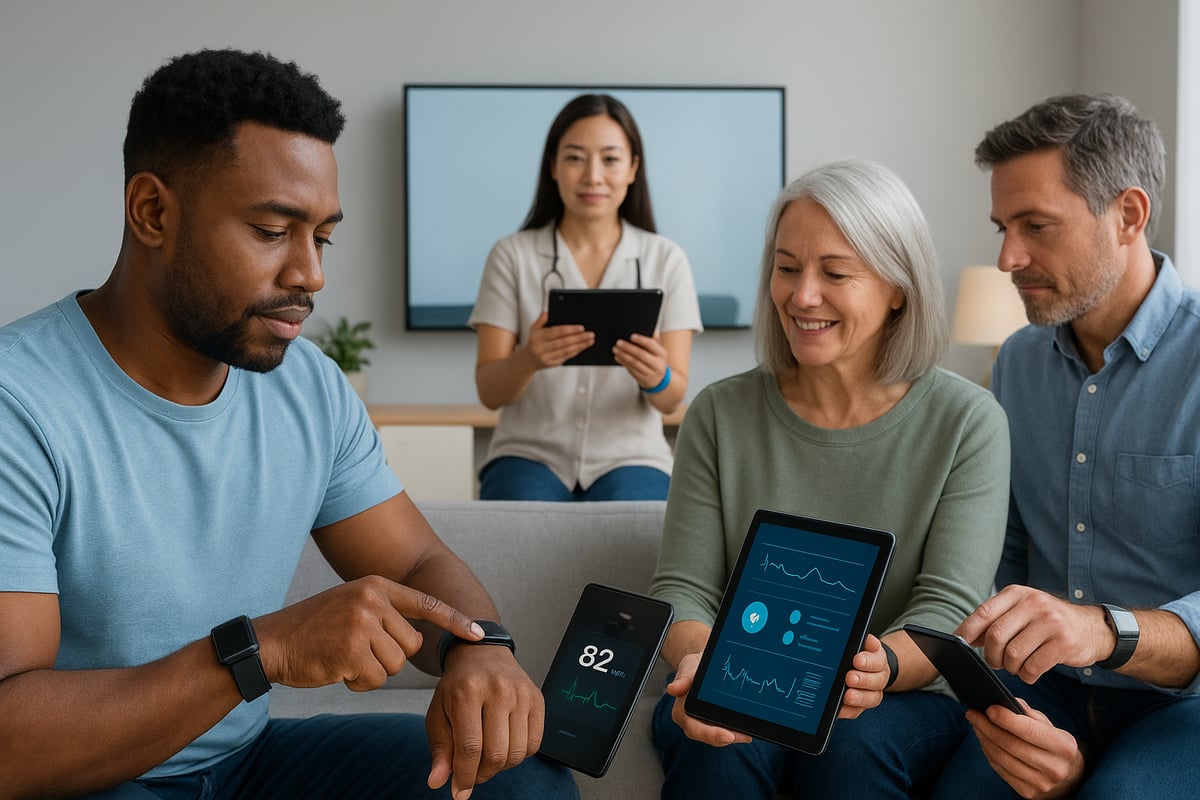
Wearable devices are central to modern health management. Smartwatches, patches, and home sensors track vitals, activity, and even sleep, sending real-time updates to care teams. This constant feedback loop ensures health questions answered quickly, often before issues escalate.
Healthcare delivery models are evolving. Value-based care and patient-centered homes prioritize prevention and long-term wellness. According to the 2026 Global Health Care Outlook, automation and AI are streamlining operations, improving both patient experiences and outcomes.
Real-World Impact and Future Trends
Personalized medicine is no longer a niche. More than 60 percent of adults now use at least one digital health tool, reflecting a surge in adoption. The market for individualized therapies is projected to double by 2030, indicating a lasting change in how health questions answered by clinicians impact care decisions.
| Year | % Adults Using Personalized Tools | Market Growth Rate |
|---|---|---|
| 2024 | 45% | 10% |
| 2026 | 60% | 15% |
| 2030 | 75% (projected) | 20% |
For anyone seeking health questions answered with accuracy and relevance, the future promises more control, earlier interventions, and a truly patient-centered experience.