


The healthcare landscape in 2026 is undergoing remarkable change, driven by rapid technology advancements and evolving patient needs. Professionals face new challenges as the industry grows more complex and interconnected.
To thrive in this environment, connecting with healthcare professional organizations is more important than ever. These groups offer essential support for career growth, networking, and staying ahead of industry standards.
This article spotlights the top 8 healthcare professional organizations every healthcare worker should know. Discover each organization’s mission, membership benefits, pricing, and unique features, and learn why they matter right now.
Ready to boost your professional journey? Explore the exclusive advantages these organizations provide and take the next step in your healthcare career.
The Evolving Role of Healthcare Professional Organizations in 2026
Healthcare professional organizations are evolving rapidly to keep pace with the changing healthcare environment. In 2026, these groups are more than just networking hubs—they are engines of innovation, education, and advocacy. Their role is expanding as the industry faces mounting complexity and new expectations.
Shifting Industry Trends and Needs
The healthcare field in 2026 is experiencing greater complexity, requiring seamless teamwork across various specialties. The rise of telehealth and digital medicine demands that professionals quickly adapt to new technologies and care models. There is also a heightened focus on continuous learning, with certifications and skill upgrades now essential for remaining competitive.
Diversity, equity, and inclusion have become central values, shaping the mission of many healthcare professional organizations. For example, virtual conferences and online certifications have surged since the pandemic, broadening access for members worldwide. To learn more about the power of interdisciplinary collaboration, see this article on integrated healthcare collaboration.
Why Membership Matters for Career Advancement
Membership in healthcare professional organizations opens crucial doors for career growth. These organizations provide exclusive job boards, mentorship programs, and networking opportunities that can lead to new roles or promotions.
By joining, professionals gain recognition through valuable certifications and credentials. Advocacy work ensures that members’ interests are represented at every level, from local to global. Many organizations also offer discounts on continuing education and conference fees. In fact, 85% of healthcare leaders credit association membership for their own advancement, highlighting the importance of these connections.
Key Benefits Beyond Networking
Healthcare professional organizations offer much more than just networking. Members receive access to the latest research, policy updates, and clinical best practices, keeping them at the forefront of their fields.
Opportunities to contribute to guidelines, standards of care, and even policy advocacy are common. Discounts on insurance, publications, and professional resources can add up to significant savings. Participation in research collaborations or advocacy campaigns also deepens engagement and impact, leading to higher job satisfaction and a sense of community.
What to Look for When Choosing an Organization
Choosing the right healthcare professional organizations means evaluating several factors. First, ensure the group aligns with your specialty and career aspirations. Reputation, reach, and real-world impact should guide your decision.
Compare the value of member benefits with the cost of annual dues. Look for organizations that offer local chapters or global networks for broader connections. Some groups provide free student memberships or tiered pricing, making it easier to get started. Ultimately, the right choice will support your professional growth, values, and goals.
Top 8 Healthcare Professional Organizations to Know in 2026
Staying engaged with healthcare professional organizations is essential for advancing your career, building your network, and remaining at the forefront of industry standards. The following eight organizations stand out in 2026, each offering unique benefits and opportunities across various healthcare disciplines. Below, you’ll find concise overviews to help you determine which align best with your professional journey.
American Nurses Association (ANA)
The American Nurses Association (ANA) stands as one of the most influential healthcare professional organizations for nurses in the United States. Membership begins at $99 per year, with options for students and state-based chapters.
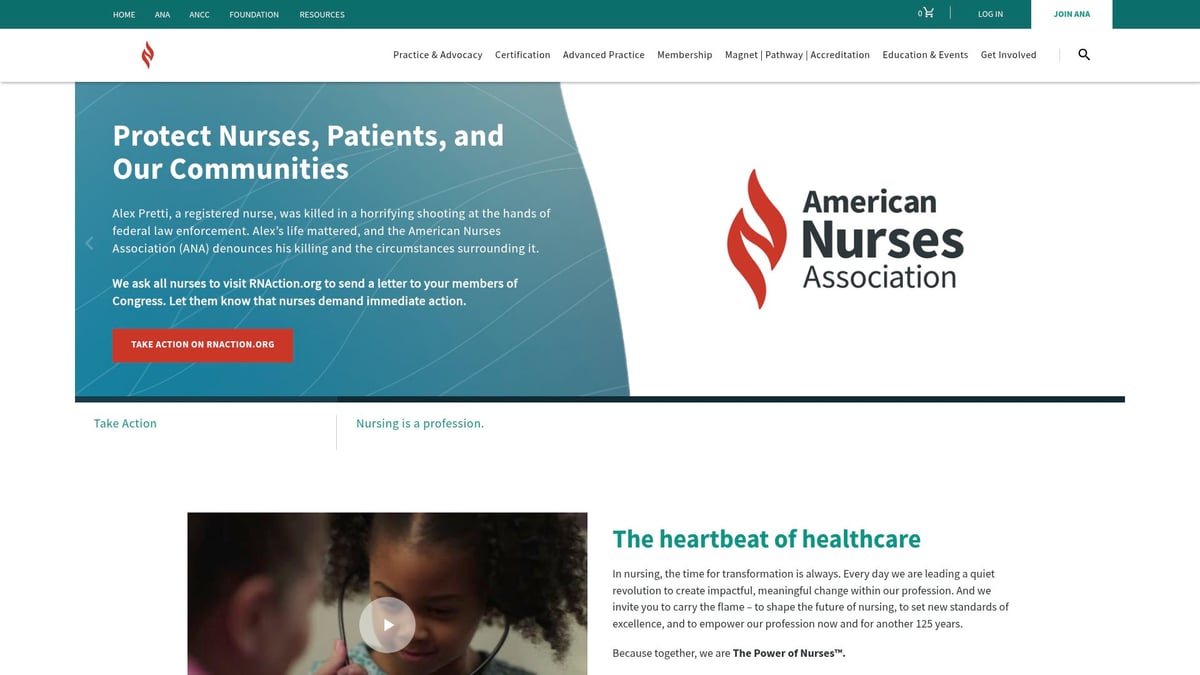
ANA’s core features include advocacy, continuing education, certification support, policy influence, and access to a wealth of resources for registered nurses. Members benefit from exclusive access to ANA journals, a robust career center, networking opportunities, and special events tailored to nurses at every stage.
A unique selling point of ANA is its role in shaping national healthcare policy and promoting nursing excellence through programs like Magnet Recognition. The ANA’s vast network and specialty groups offer support for registered nurses, nurse educators, and advanced practice nurses.
Pros include comprehensive resources, strong advocacy efforts, and varied specialty groups. On the downside, membership costs can be high for new nurses, and some benefits are limited by state. For a deeper dive into how nursing organizations like ANA support career growth, you can explore Professional nursing organizations benefits.
American Medical Association (AMA)
Among healthcare professional organizations, the American Medical Association (AMA) is a premier voice for physicians. Membership fees are $420 per year for physicians, $95 for residents, and discounts for medical students.
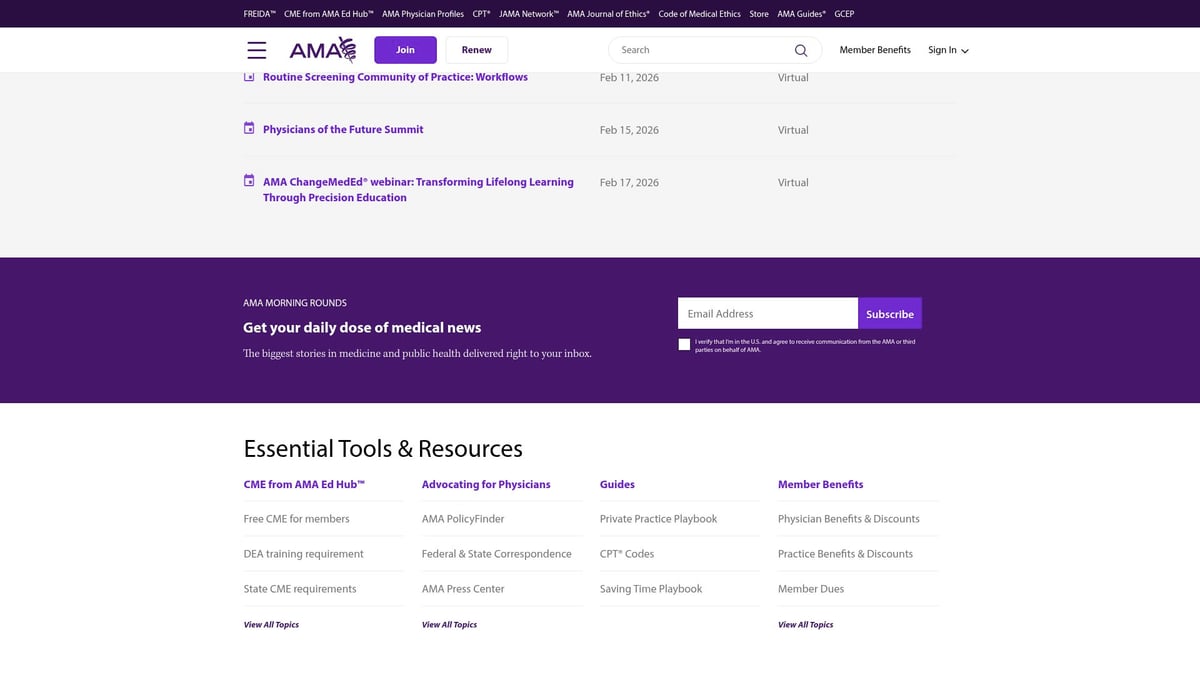
The AMA’s core offerings include policy advocacy, clinical resources, continuing medical education (CME), ethical guidance, and access to leading research publications like JAMA. Members receive CPT coding tools, legal support, and a range of professional development resources.
As a leader in shaping national healthcare policy, the AMA is instrumental in advancing key issues such as telemedicine and physician wellness. The organization’s broad specialty representation ensures that physicians, residents, and students find value.
Strengths include extensive lobbying power, high-impact research, and a wide professional reach. However, high dues may deter some, and the organization’s focus is primarily on physicians. The AMA’s work in telemedicine policy and addressing physician burnout demonstrates its ongoing relevance.
American Public Health Association (APHA)
The American Public Health Association (APHA) is the largest public health-focused organization among healthcare professional organizations. Regular membership is $225 per year, with reduced rates for early-career professionals and students.
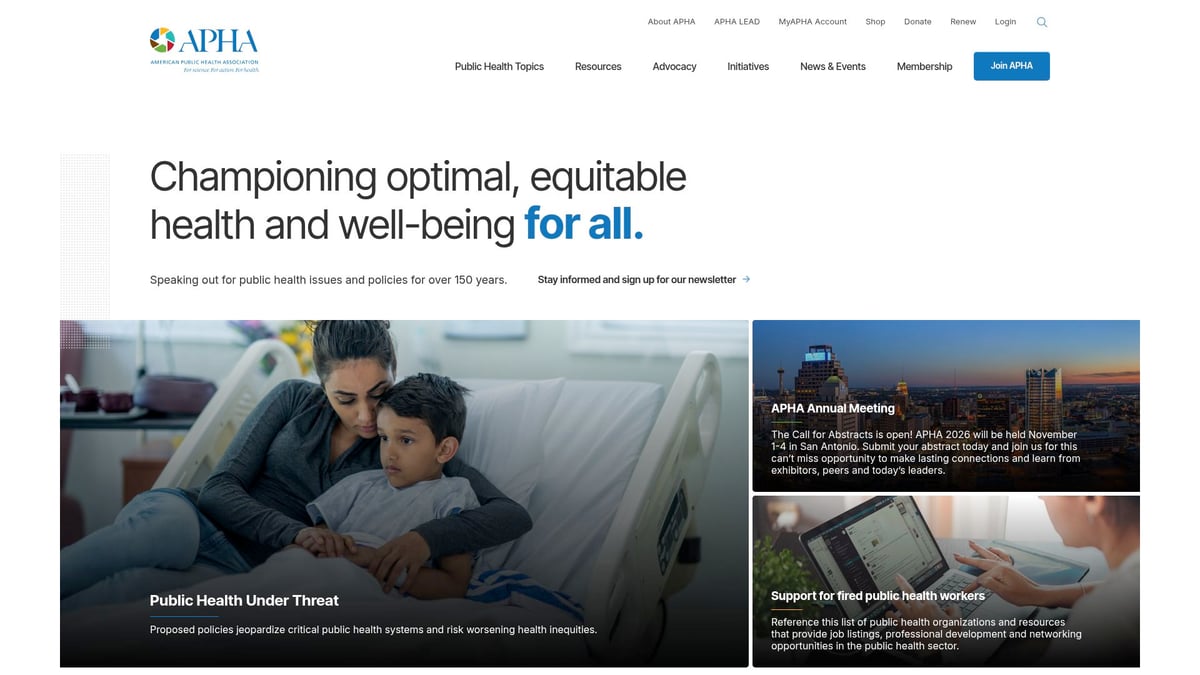
APHA’s core features include public health advocacy, research initiatives, networking, educational events, and timely policy updates. Members gain access to The Nation’s Health newspaper, the annual meeting, and a comprehensive career services platform.
APHA’s influence on health policy and its global network set it apart. Its diverse sections connect professionals across epidemiology, health education, policy, and more. The annual conference draws over 12,000 participants worldwide, making it a key event for public health professionals.
Pros include robust advocacy, a wide range of member sections, and international reach. Cons are a lesser focus on direct clinical professions and a potentially impersonal feel due to size. APHA’s campaigns on health equity and climate change highlight its commitment to pressing public health issues.
American Association of Critical-Care Nurses (AACN)
The American Association of Critical-Care Nurses (AACN) leads among healthcare professional organizations for critical care, progressive care, and acute care nurses. Standard membership starts at $78 per year, with discounts for students and group rates.
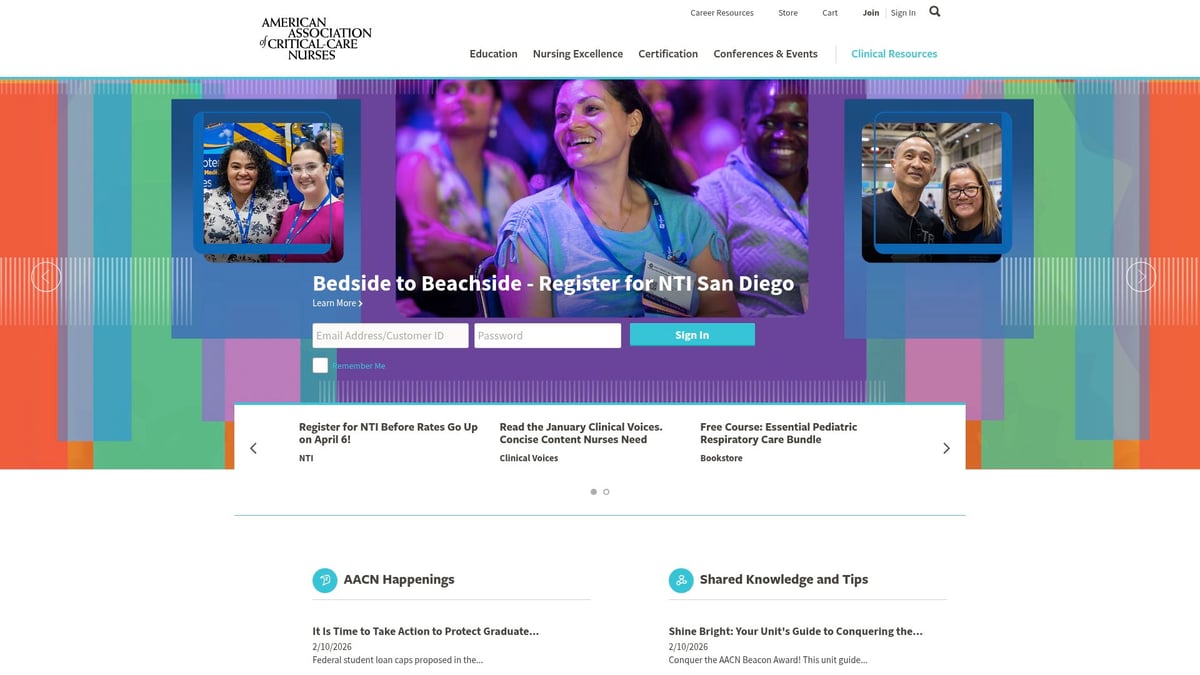
AACN offers certification programs, clinical resources, research journals, and professional development opportunities. Members receive access to the Clinical Practice Guidelines, scholarships, and specialized networking.
The AACN’s unique selling point is its status as the world’s largest specialty nursing organization, setting standards in critical care. The Beacon Award for Excellence, for example, recognizes top-performing units and promotes quality improvement.
Benefits include specialized resources, discounted certifications, and leadership opportunities. The focus is primarily on acute and critical care, which may be less relevant for other specialties. AACN’s leadership in critical care standards makes it a top choice for nurses in these fields.
American Academy of Pediatrics (AAP)
The American Academy of Pediatrics (AAP) is a leading authority among healthcare professional organizations dedicated to child health. Full membership is $335 per year, with options for early-career physicians and residents.
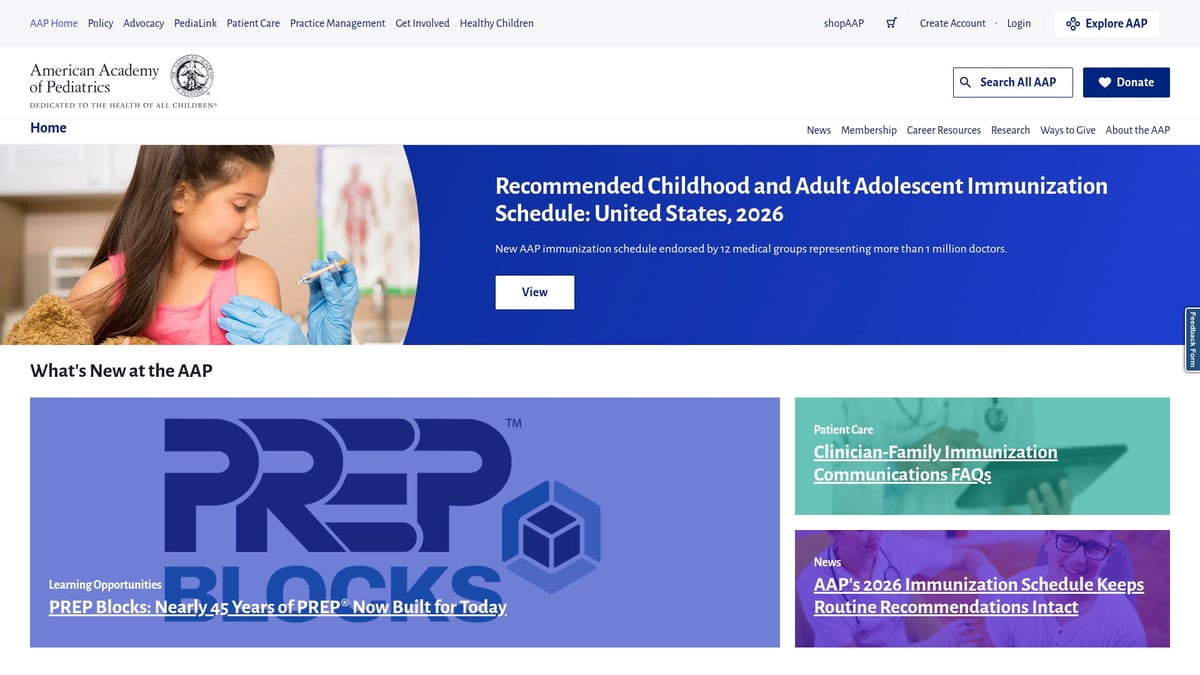
AAP’s core features include evidence-based clinical guidelines, research, advocacy, CME, and patient education materials. Members enjoy access to the Pediatrics journal, policy statements, and a wealth of practice tools.
Known for its strong advocacy for children’s welfare, the AAP influences vaccination policies and child safety regulations nationwide. Its resources support pediatricians, specialists, and students committed to advancing child health.
Pros are comprehensive pediatric resources and impactful public health advocacy. The primary limitation is its focus on pediatric professionals. The AAP’s policy leadership on immunizations underscores its essential role.
American College of Healthcare Executives (ACHE)
For those in healthcare management, the American College of Healthcare Executives (ACHE) is a premier choice among healthcare professional organizations. Membership costs $345 per year for regular members and $75 for student associates.
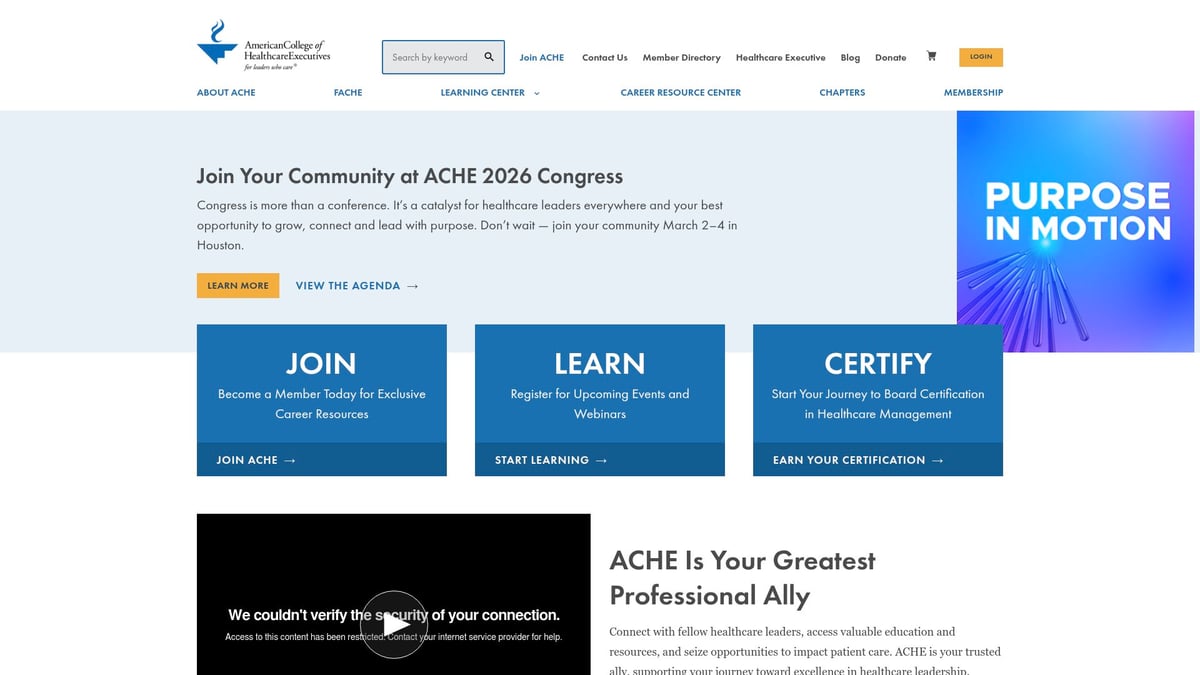
ACHE’s core offerings include leadership development, the prestigious FACHE credential, networking, and a broad range of educational programs. Members access exclusive job boards, leadership resources, and local chapters for community engagement.
Unique to ACHE is its strong focus on leadership and management, with the annual Congress on Healthcare Leadership drawing thousands of attendees. The organization supports administrators, executives, and students pursuing healthcare leadership.
Strengths are career advancement resources, national and local networking, and comprehensive leadership training. Limitations include higher fees for advanced credentials and less clinical focus. ACHE’s commitment to growing healthcare leaders is unmatched.
Academy of Nutrition and Dietetics
The Academy of Nutrition and Dietetics is the largest organization for food and nutrition professionals, making it a key player among healthcare professional organizations. Active membership is $140 per year, with a $58 rate for students.
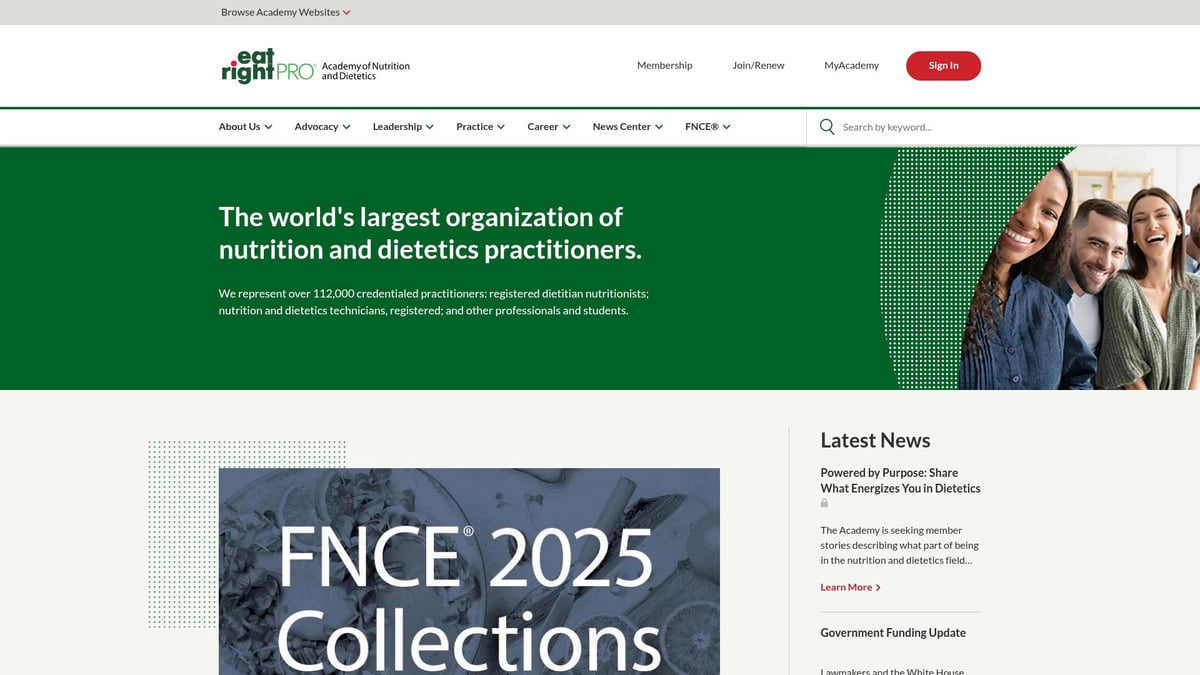
Core features include nutrition research, evidence-based guidelines, professional development, and policy advocacy. Members benefit from access to the Journal of the Academy of Nutrition and Dietetics, practice resources, and career services.
The Academy’s unique position allows it to shape public policy, including national dietary guidelines and food labeling. Its specialty practice groups support registered dietitians, nutritionists, students, and researchers.
Pros are comprehensive nutrition resources, policy impact, and diverse specialty groups. The main limitation is that benefits are most relevant to nutrition professionals. The Academy’s input on national nutrition standards highlights its influence.
American Association of Nurse Practitioners (AANP)
The American Association of Nurse Practitioners (AANP) is the largest NP-focused group within healthcare professional organizations. Membership is $150 per year for nurse practitioners and $55 for students.
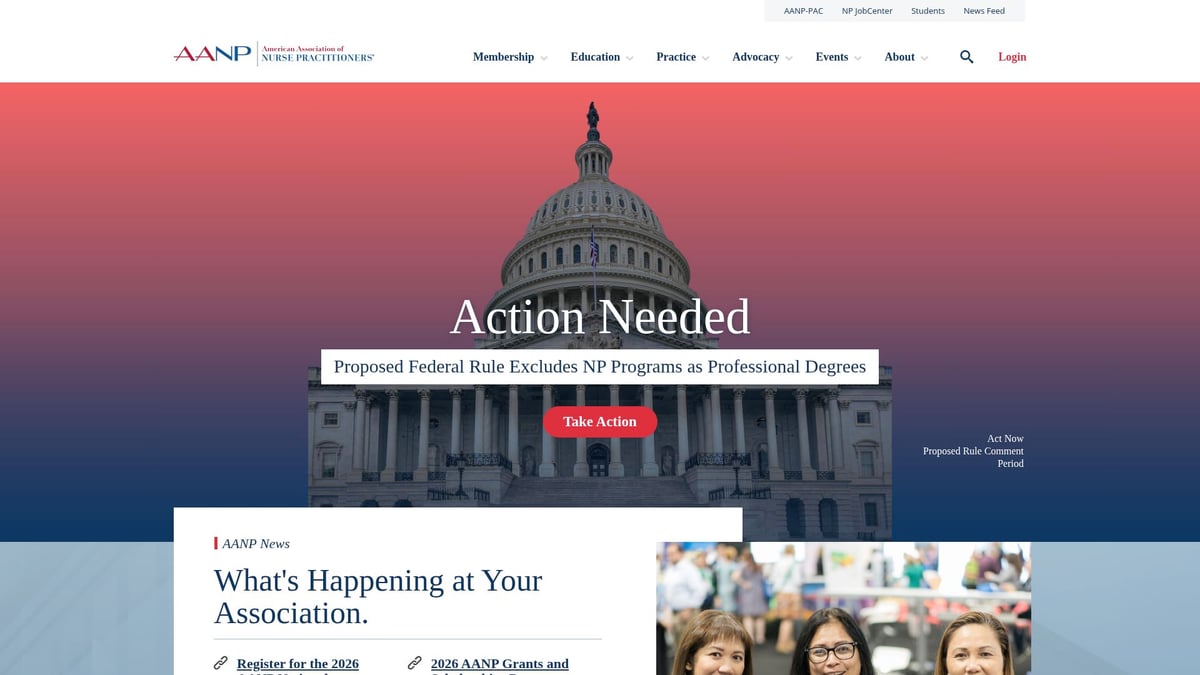
AANP’s core features include certification support, advocacy, clinical resources, and continuing education. Members access conferences, practice tools, and policy updates designed for NPs.
A defining feature of AANP is its strong advocacy for scope of practice and independent practice rights. The organization’s educational offerings and networking opportunities are tailored to nurse practitioners and students.
Benefits include legislative advocacy, robust education, and peer networking. The focus is primarily on NPs, so other nursing roles may find limited relevance. AANP’s ongoing work to expand NP practice rights demonstrates its leadership.
Comparison Table: Top 8 Healthcare Professional Organizations
| Organization | Membership Cost | Target Audience | Unique Feature |
|---|---|---|---|
| ANA | $99+/yr | Registered Nurses | Magnet Recognition, Policy Advocacy |
| AMA | $420/yr | Physicians | JAMA Access, Policy Influence |
| APHA | $225/yr | Public Health Professionals | Global Reach, Health Advocacy |
| AACN | $78/yr | Critical Care Nurses | Beacon Award, Certification Programs |
| AAP | $335/yr | Pediatricians | Child Health Advocacy, Guidelines |
| ACHE | $345/yr | Healthcare Executives | FACHE Credential, Leadership Focus |
| Academy of Nutrition and Dietetics | $140/yr | Dietitians/Nutritionists | Dietary Guidelines, Policy Impact |
| AANP | $150/yr | Nurse Practitioners | Scope of Practice Advocacy |
Choosing the right healthcare professional organizations can set the stage for career advancement, specialized training, and a stronger professional network. With each offering distinct strengths, aligning your goals with the right organization ensures you stay ahead in the evolving healthcare landscape.
How to Maximize Membership Value in Healthcare Organizations
Unlocking the full potential of your membership in healthcare professional organizations requires a proactive approach. These organizations offer more than just a title—they provide resources, connections, and opportunities that can transform your career. By taking strategic steps, you can maximize every benefit your membership brings.
Leveraging Educational and Networking Opportunities
Healthcare professional organizations excel at delivering educational content and networking experiences that keep members at the forefront of their fields. Attending annual conferences, live webinars, and interactive workshops helps you stay updated on best practices and emerging trends.
Participate actively in online forums, mentorship programs, and special interest groups. These platforms connect you with peers, mentors, and industry leaders, expanding your professional circle.
- Join virtual networking sessions to meet colleagues nationwide.
- Seek guidance from experienced mentors through formal programs.
- Engage in online discussions to share insights and solve challenges.
Networking through healthcare professional organizations can lead to job opportunities, research partnerships, and leadership roles. For further insight on the impact of these connections, read more in The healthcare professionals.
Taking Advantage of Certification and Professional Development
One of the most valuable benefits of healthcare professional organizations is access to certification and ongoing professional development. These organizations offer exclusive certification programs that enhance your credentials and credibility.
Take advantage of continuing education units (CEUs) and continuing medical education (CME) credits. These resources help you meet licensure requirements and demonstrate your commitment to lifelong learning.
- Enroll in specialty certifications to boost your expertise.
- Access member-only study guides and exam preparation tools.
- Benefit from discounted registration fees for courses and seminars.
Certified professionals often earn higher salaries and enjoy more job stability. By engaging with healthcare professional organizations, you ensure your skills and knowledge remain current.
Engaging in Advocacy and Leadership
Healthcare professional organizations empower members to influence policy and shape the future of healthcare. By joining committees or task forces, you can participate in setting organizational strategies and advocating for important issues.
Volunteer for leadership positions at local or national levels. These roles enhance your visibility and allow you to contribute to meaningful change.
- Serve on advocacy teams to support legislative initiatives.
- Lead local chapters or special interest groups.
- Participate in public health campaigns and awareness events.
Being active in advocacy and leadership within healthcare professional organizations not only builds your resume but also strengthens your professional reputation.
Utilizing Research, Publications, and Resources
Membership in healthcare professional organizations grants you access to cutting-edge research, clinical guidelines, and policy briefs. These resources are essential for staying informed and delivering evidence-based care.
Regularly review organization journals, toolkits, and best practice documents. Many organizations also offer discounts on books, digital resources, and online learning modules.
- Subscribe to member-exclusive publications for the latest updates.
- Download clinical toolkits for practical use in daily practice.
- Access policy statements to stay ahead of regulatory changes.
By utilizing these resources, you maintain a competitive edge and ensure your practice aligns with the highest standards set by healthcare professional organizations.
Trends Shaping Healthcare Professional Organizations in 2026
The landscape for healthcare professional organizations is rapidly shifting in 2026. Emerging technologies, new modes of engagement, and evolving member expectations are redefining how these organizations operate and deliver value. Let us examine the trends that are shaping the future and how professionals can leverage them for success.
Digital Transformation and Virtual Engagement
Digital transformation is at the core of innovation for healthcare professional organizations. Virtual conferences, online certification programs, and remote networking have become standard. These tools break down geographic barriers and allow members to participate from anywhere.
For example, the American Medical Association’s virtual annual meeting in 2025 saw record attendance, highlighting the growing demand for accessible, flexible engagement. Online forums and digital resource libraries also empower members to stay informed and connected year-round.
Organizations are now using data-driven platforms to personalize member experiences and improve engagement. For those interested in how associations are adapting, this guide on healthcare association membership recruitment tactics outlines how digital tools are reshaping member recruitment and retention. With these advances, healthcare professional organizations are more dynamic and inclusive than ever.
Interdisciplinary Collaboration and Inclusion
Healthcare professional organizations are embracing interdisciplinary collaboration to address the growing complexity of patient care. Many now offer joint memberships, cross-specialty learning tracks, and collaborative research opportunities.
A notable example is the partnership between the American Public Health Association and the American Nurses Association. Their joint efforts on public health nursing demonstrate the impact of uniting diverse expertise. These collaborations foster innovation and help address complex health challenges.
Prioritizing diversity, equity, and inclusion is also fundamental. Organizations are creating programming and leadership opportunities that reflect the varied backgrounds and perspectives within healthcare. This trend ensures that all voices are heard and valued, strengthening the community of healthcare professional organizations.
Focus on Health Equity and Policy Advocacy
In 2026, healthcare professional organizations are intensifying efforts around health equity and policy advocacy. Addressing disparities and the social determinants of health is now a core mission for many groups.
The American Public Health Association’s campaigns for health equity and climate change are prime examples. Members are encouraged to join advocacy efforts, contribute to policy development, and participate in public awareness initiatives.
Such engagement gives professionals a platform to influence healthcare legislation and standards. By staying active in these organizations, members can help shape a more equitable healthcare system. This focus is making healthcare professional organizations essential drivers of positive change.
Personalized Member Experiences and Benefits
Personalization is transforming the way healthcare professional organizations deliver value to members. Tailored resources, micro-credentialing, and specialty interest groups are increasingly common.
For instance, the American Association of Nurse Practitioners offers custom learning pathways for nurse practitioners in rural health, addressing unique needs. Organizations are also using analytics to refine member benefits and predict future interests.
Access to exclusive digital libraries, career tools, and targeted education makes membership more relevant and practical. Those seeking to enhance their administrative skills can explore a variety of healthcare administration resources curated for ongoing professional growth. These personalized approaches ensure that healthcare professional organizations remain indispensable to today’s workforce.
Frequently Asked Questions about Healthcare Professional Organizations
What are the typical costs and benefits of joining?
The costs of joining healthcare professional organizations vary based on role, specialty, and membership level. Annual dues typically range from $55 for students to $420 for physicians. Most organizations offer tiered pricing, so you can select what fits your needs and budget.
Common benefits include:
- Access to exclusive research and clinical guidelines
- Special job boards and career centers
- Discounts on certifications and conferences
- Opportunities to network and find mentors
A quick comparison:
| Membership Type | Average Cost (USD) | Key Benefits |
|---|---|---|
| Student | $55–$85 | Scholarships, mentorship, resources |
| Early-career | $70–$155 | Career services, networking |
| Full Professional | $99–$420 | Certifications, advocacy, journals |
Membership can significantly enhance your career, and in some cases, as shown in studies on the impact of DNP education on career advancement, credentials and organization involvement are linked to higher professional satisfaction.
How do I choose the right organization for my career goals?
Choosing among healthcare professional organizations depends on your specialty, career stage, and aspirations. Start by reviewing each organization’s mission and member benefits. Consider testimonials from current members to gain insight into real experiences.
Ask yourself:
- Does the organization align with my field or subspecialty?
- Are there local chapters or events for networking?
- What professional development or mentorship programs are available?
Early-career professionals may favor groups with robust mentorship or leadership pathways. For those seeking advocacy or policy influence, look for organizations with a strong voice in public affairs. Weigh the annual dues against the tangible benefits, such as certifications or access to exclusive resources.
Can students and early-career professionals join?
Most healthcare professional organizations actively welcome students and those just starting their careers. Discounted memberships, scholarships, and leadership programs are common features. Early involvement can open doors to networking and rapid career advancement.
Typical student benefits include:
- Access to member-only events
- Participation in research or leadership committees
- Eligibility for travel grants and awards
Organizations often collaborate with educational institutions to support career ladder programs, as seen in healthcare organization-education partnerships. Engaging early with these organizations can help you build a strong professional foundation and connect with mentors.