

Patient education has evolved from a supplementary healthcare service to a fundamental pillar of quality medical care. As healthcare systems worldwide shift toward value-based models that prioritize outcomes over volume, the ability to effectively educate patients about their conditions, treatments, and self-care strategies has become indispensable. Healthcare providers, pharmacies, and educational institutions recognize that informed patients are more likely to adhere to treatment plans, manage chronic conditions successfully, and achieve better health outcomes. This transformation reflects a broader understanding that the patient-provider relationship extends far beyond the consultation room, requiring comprehensive educational strategies that support patients throughout their healthcare journey.
Understanding the Modern Patient Education Landscape
The healthcare environment in 2026 presents unique challenges and opportunities for patient education initiatives. Patients today have unprecedented access to health information through digital channels, yet this abundance of information often creates confusion rather than clarity. Healthcare providers must navigate a complex ecosystem where misinformation spreads rapidly, health literacy varies significantly among populations, and cultural considerations influence how educational messages are received and implemented.
The core objectives of effective patient education programs include:
- Improving treatment adherence and medication compliance
- Reducing hospital readmission rates
- Empowering patients to manage chronic conditions independently
- Enhancing communication between patients and healthcare teams
- Decreasing healthcare costs through prevention and early intervention
Research consistently demonstrates that well-designed educational interventions correlate with measurable improvements in patient outcomes. When patients understand their diagnoses, treatment options, and self-care responsibilities, they become active participants in their healthcare rather than passive recipients. This shift fundamentally changes the dynamic of care delivery, creating partnerships between providers and patients that yield superior results.
Identifying Authoritative Educational Resources
Healthcare professionals face the critical task of selecting reliable, evidence-based materials that meet diverse patient needs. The UC Davis Health patient education resource guidelines emphasize evaluating sources for authority, accuracy, and appropriateness before recommending them to patients. This vetting process protects patients from misleading information while ensuring that educational materials align with current clinical standards.
When assessing patient education resources, healthcare providers should examine several key factors. The publishing organization's credentials matter significantly, as established medical institutions and specialized publishers bring expertise and quality control to their materials. Content should reflect current evidence-based practices, incorporating the latest research findings and clinical guidelines. Additionally, materials must be accessible, written at appropriate literacy levels, and culturally sensitive to serve diverse populations effectively.
The health literacy resources compiled by NYU Health Sciences Library demonstrate the breadth of quality educational materials available across multiple languages and health topics. These curated collections save healthcare providers valuable time while ensuring patients receive trustworthy information tailored to their specific needs.
Developing Effective Patient Education Materials
Creating impactful educational content requires a strategic approach that balances clinical accuracy with accessibility. Healthcare publishers and providers must design materials that translate complex medical concepts into language that patients can understand and apply. This process involves collaboration between medical experts, educators, and communication specialists who collectively ensure that content serves its intended purpose.
Writing for Diverse Literacy Levels
Health literacy varies dramatically across patient populations, with studies indicating that nearly half of American adults struggle to understand basic health information. Effective patient education materials acknowledge this reality by employing clear, concise language that avoids unnecessary medical jargon. When technical terms are unavoidable, they should be immediately defined in plain language that readers can grasp.
| Literacy Strategy | Implementation | Impact |
|---|---|---|
| Simple sentence structure | Use active voice, limit sentences to 15-20 words | Improves comprehension by 40% |
| Visual aids | Include diagrams, photos, and infographics | Enhances retention by 65% |
| Chunked information | Break content into small, digestible sections | Reduces cognitive load significantly |
| Clear headings | Use descriptive subheadings that preview content | Helps readers navigate material efficiently |
The most successful educational materials employ the "teach-back" principle, structuring content so patients can easily explain concepts in their own words. This approach reinforces learning and helps identify gaps in understanding before they compromise treatment adherence.
Customization and Cultural Competency
Patients come from diverse backgrounds that influence how they perceive health, illness, and medical authority. Cultural competency in patient education extends beyond simple translation, requiring sensitivity to beliefs, values, and communication preferences that vary across communities. Materials that acknowledge and respect cultural differences achieve higher engagement rates and better outcomes.
Customizable resources offer distinct advantages in this context. Healthcare providers can adapt core educational content to address specific community needs, incorporating relevant examples, dietary considerations, and family dynamics that resonate with particular populations. Licensing digital patient education materials enables organizations to tailor content while maintaining clinical accuracy and professional presentation standards.
Implementing Patient Education Across Healthcare Settings
Different healthcare environments require tailored approaches to patient education delivery. Hospitals, outpatient clinics, pharmacies, and home health agencies each face unique constraints and opportunities that shape how educational interventions are structured and delivered.
Hospital-Based Education Programs
Inpatient settings present concentrated opportunities for patient education, particularly around discharge planning and chronic disease management. Nurses and other healthcare professionals play pivotal roles in delivering this education, often during periods when patients are most receptive to learning about their conditions. However, the hospital environment also presents challenges, including time constraints, competing priorities, and patients who may be too ill or medicated to absorb complex information effectively.
Successful hospital-based programs integrate education throughout the patient's stay rather than condensing it into a single pre-discharge session. This distributed approach allows information to be reinforced multiple times, increasing retention and providing opportunities to address questions as they arise. Written materials supplement verbal instruction, giving patients references they can review after discharge when they're better able to focus.
Key components of effective hospital education include:
- Assessment of patient readiness and learning preferences
- Structured education plans coordinated across the care team
- Family involvement in educational sessions when appropriate
- Provision of take-home materials for future reference
- Follow-up contact to reinforce key messages and answer questions
The transition from hospital to home represents a critical juncture where education directly impacts readmission rates. Patients who understand wound care protocols, medication schedules, and warning signs requiring medical attention are significantly less likely to experience complications requiring rehospitalization.
Community Pharmacy Education Initiatives
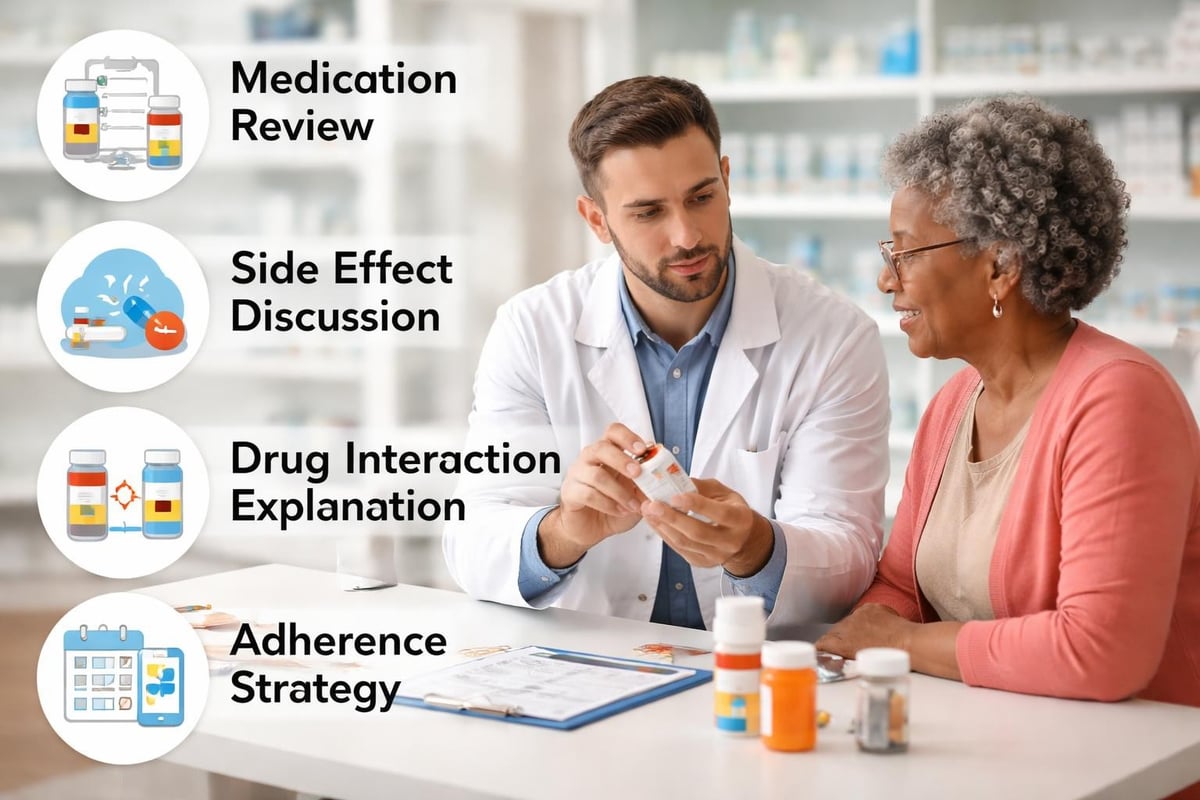
Pharmacists serve as accessible healthcare resources, often seeing patients more frequently than physicians and occupying trusted positions within communities. This regular contact creates ideal opportunities for ongoing patient education, particularly regarding medication management, over-the-counter product selection, and health condition monitoring.
Pharmacies that invest in comprehensive education programs differentiate themselves while improving patient outcomes. These initiatives might include medication therapy management services, chronic disease education classes, or immunization education campaigns. Printed materials displayed throughout the pharmacy encourage patients to explore health topics independently, while private counseling areas facilitate detailed discussions about sensitive health concerns.
Technology enhances pharmacy-based education through prescription labels with simplified instructions, reminder systems for medication refills, and digital resources accessible via QR codes on packaging. These innovations complement traditional face-to-face counseling, ensuring patients receive consistent messages through multiple channels.
Measuring Patient Education Effectiveness
Healthcare organizations must assess whether educational interventions achieve their intended objectives. Measurement strategies range from simple patient surveys to sophisticated analysis of clinical outcomes and healthcare utilization patterns. This data informs continuous improvement efforts, helping providers refine materials and delivery methods based on actual performance.
Quantitative Outcome Metrics
Hard data provides objective evidence of patient education impact. Healthcare systems track metrics such as medication adherence rates, hospital readmission frequencies, emergency department visits, and health screening compliance. When these indicators improve following educational interventions, organizations can demonstrate tangible value from their investment in patient education programs.
Commonly tracked metrics include:
- Adherence rates: Percentage of patients taking medications as prescribed
- Knowledge assessments: Pre- and post-education test scores measuring comprehension
- Behavior changes: Adoption of healthy habits like exercise or dietary modifications
- Healthcare utilization: Frequency of preventable emergency visits or hospitalizations
- Patient satisfaction: Self-reported confidence in managing health conditions
Advanced analytics enable healthcare organizations to segment patient populations, identifying which groups benefit most from particular educational approaches. This granular understanding supports targeted interventions that allocate resources efficiently while maximizing impact.
Qualitative Feedback and Continuous Improvement
Numbers tell part of the story, but patient feedback provides essential context about how educational materials and programs function in real-world settings. Focus groups, individual interviews, and open-ended survey questions reveal whether materials are truly accessible, culturally appropriate, and applicable to patients' daily lives.
This qualitative data often uncovers unexpected barriers to implementing health recommendations. Patients might understand instructions perfectly yet face practical obstacles like transportation challenges, financial constraints, or family dynamics that prevent adherence. Educational programs that address these contextual factors alongside clinical information achieve superior results.
Digital Transformation in Patient Education
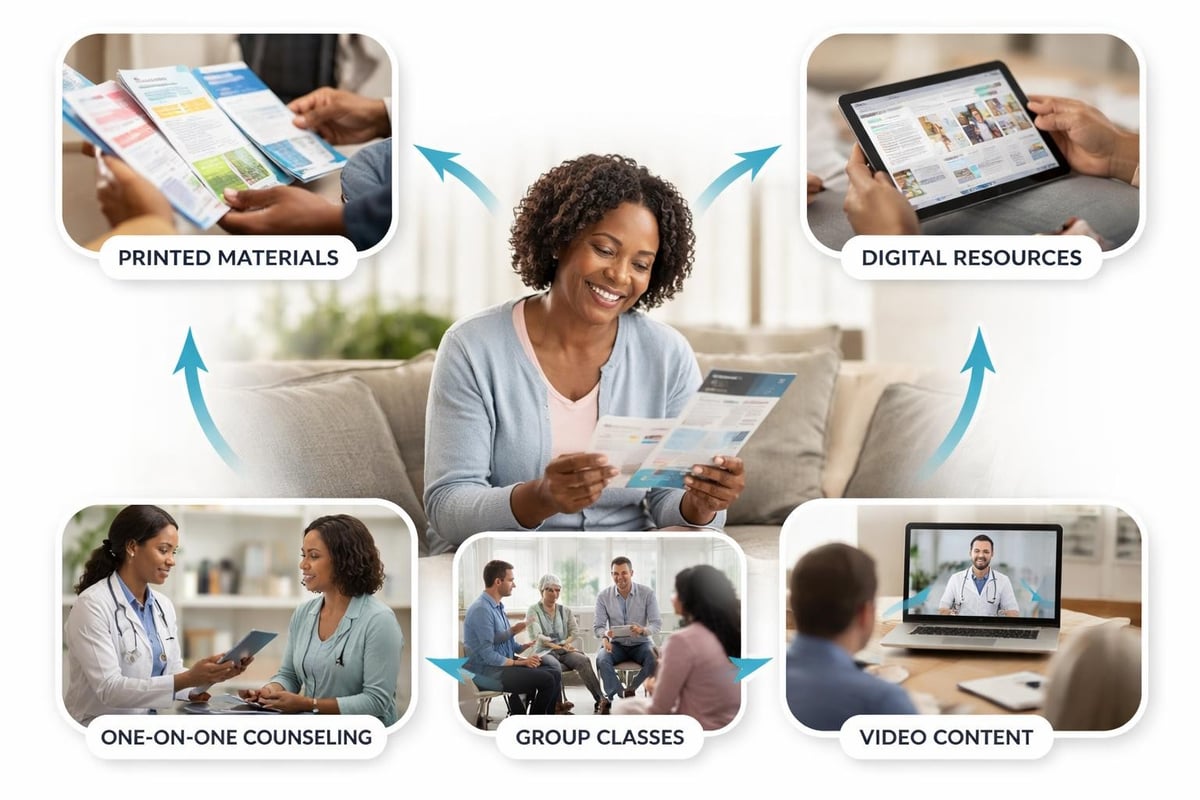
The rapid expansion of digital health tools has fundamentally altered how patient education is created, distributed, and consumed. Interactive applications, video content, virtual reality simulations, and artificial intelligence-powered chatbots complement traditional printed materials, offering personalized learning experiences that adapt to individual needs and preferences.
Benefits and Limitations of Digital Education Tools
Digital platforms offer remarkable advantages for patient education delivery. Content can be updated instantly to reflect new research findings or treatment guidelines, ensuring patients always access current information. Multimedia elements engage multiple senses, improving retention compared to text-only formats. Analytics track which sections patients review most frequently, informing content optimization decisions.
However, digital solutions are not universal panaceas. Significant portions of patient populations lack reliable internet access, smartphones, or digital literacy skills necessary to navigate complex applications. The digital divide particularly affects older adults, low-income communities, and rural residents who may benefit most from enhanced educational support. Effective strategies maintain printed materials alongside digital options, ensuring all patients can access essential health information regardless of their technological capabilities.
| Format | Advantages | Challenges | Best Use Cases |
|---|---|---|---|
| Printed guides | Universal accessibility, no technology required | Cannot be easily updated, limited interactivity | Discharge instructions, chronic disease management |
| Video content | Demonstrates procedures visually, engaging | Requires viewing devices, accessibility for deaf patients | Wound care techniques, medication administration |
| Mobile apps | Personalized reminders, progress tracking | Digital literacy required, development costs | Medication adherence, appointment management |
| Interactive websites | Rich multimedia, searchable content | Internet access necessary, navigation complexity | Condition research, treatment comparison |
Creating Hybrid Education Strategies
The most effective contemporary patient education programs employ hybrid approaches that leverage digital innovation while maintaining traditional methods that remain highly effective. A patient might receive printed discharge instructions supplemented by QR codes linking to demonstration videos. Follow-up text messages could reinforce key points while providing links to additional resources for patients wanting deeper information.
This blended strategy accommodates diverse learning styles and preferences. Visual learners benefit from diagrams and videos, while those who prefer reading can explore detailed written explanations. Audio learners might access podcast-style content explaining their conditions. By offering multiple formats covering the same core information, healthcare providers ensure messages reach patients through their preferred channels.
Specialty-Specific Patient Education Approaches
Different medical specialties require tailored educational strategies reflecting the unique challenges patients face within those domains. Specialty-specific patient education resources address the particular knowledge gaps and skill-building needs relevant to specific conditions and treatments.
Wound Care Education
Wound management exemplifies the critical importance of thorough patient education. Patients must understand wound cleaning protocols, dressing change procedures, signs of infection, and nutrition's role in healing. Inadequate wound care education leads directly to complications including infections, delayed healing, and increased healthcare costs.
Effective wound care materials incorporate visual aids showing proper technique, written instructions patients can reference at home, and clear guidance about when to seek professional help. Wound care resources that healthcare providers distribute should address common concerns like pain management during dressing changes and realistic timelines for healing.
Chronic Disease Management Education
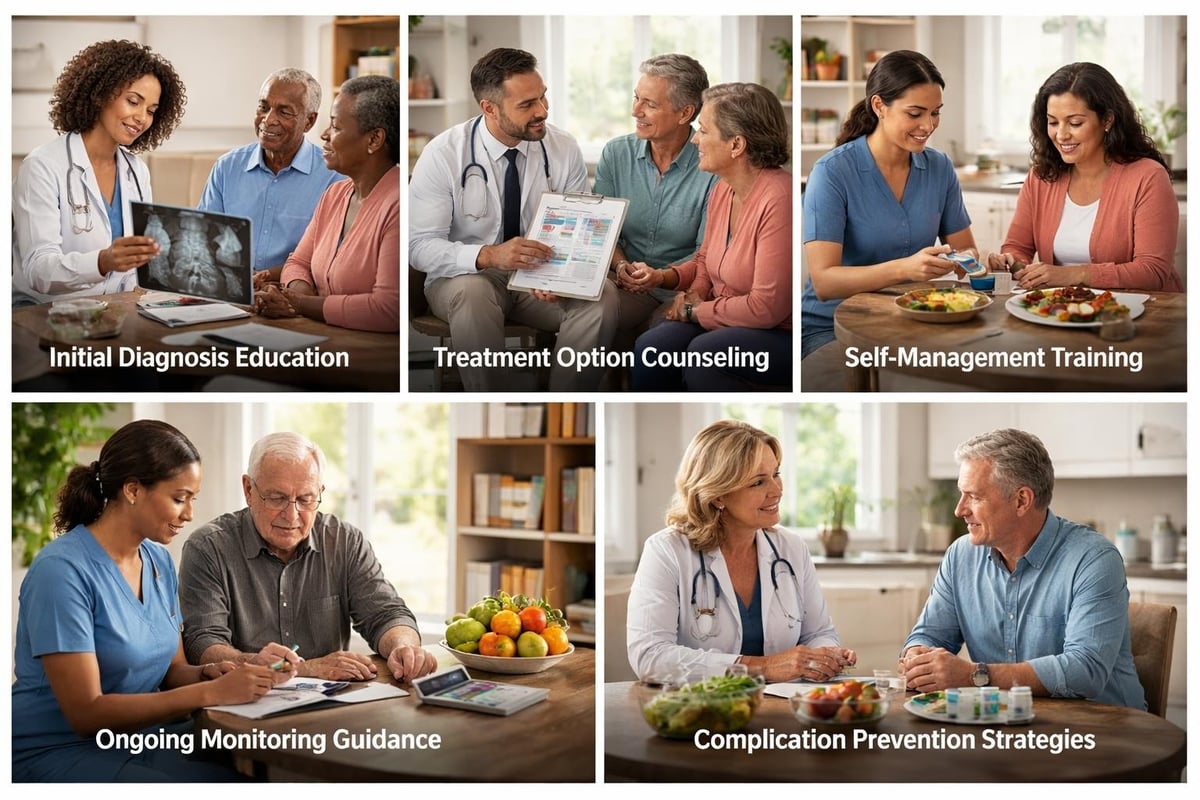
Conditions like diabetes, hypertension, and heart disease require patients to make sustained behavioral changes and maintain complex treatment regimens indefinitely. Educational interventions for chronic diseases emphasize self-management skills, helping patients monitor their conditions, adjust behaviors based on symptoms, and recognize when medical intervention is necessary.
Successful chronic disease education programs provide ongoing support rather than one-time instruction. Regular reinforcement through follow-up appointments, support groups, and educational newsletters keeps patients engaged with their health management responsibilities. Patient empowerment resources help individuals develop confidence in their ability to control their conditions rather than feeling overwhelmed by them.
The Role of Healthcare Teams in Education Delivery
Patient education succeeds only when entire healthcare teams commit to its importance and coordinate their efforts effectively. Physicians, nurses, pharmacists, dietitians, social workers, and other professionals each contribute unique perspectives and expertise that enrich the educational experience.
Coordinated Education Strategies
Fragmented education, where different team members provide conflicting or redundant information, confuses patients and undermines confidence in their care. Coordinated strategies ensure all team members deliver consistent messages aligned with the overall treatment plan. This coordination requires communication protocols, shared documentation systems, and regular team meetings to discuss patient education needs and progress.
Electronic health records facilitate this coordination by documenting which educational materials patients have received, what questions they've asked, and which concepts they've demonstrated understanding of through teach-back methods. This shared knowledge prevents gaps and redundancy, creating seamless educational experiences.
Effective team-based education involves:
- Clear role definitions specifying which team members address particular educational topics
- Standardized materials ensuring message consistency across providers
- Documentation protocols tracking education delivery and patient comprehension
- Regular team huddles discussing patients with complex education needs
- Feedback mechanisms allowing team members to share insights about patient learning
Engaging Family Members and Caregivers
Many patients, particularly those with serious illnesses, cognitive impairment, or limited health literacy, rely on family members or caregivers to manage their healthcare. Patient instructions must acknowledge this reality by including caregivers in educational sessions and providing materials that help them fulfill their supportive roles effectively.
Caregiver education addresses both the patient's clinical needs and the caregiver's own wellbeing. Materials might explain medication administration techniques while also offering stress management strategies for caregivers feeling overwhelmed by their responsibilities. This comprehensive approach recognizes that caregiver health directly impacts patient outcomes.
Overcoming Common Patient Education Barriers
Despite best efforts, numerous obstacles can prevent patients from benefiting fully from educational interventions. Identifying and addressing these barriers proactively improves program effectiveness and ensures equitable access to health knowledge.
Language and Literacy Challenges
Limited English proficiency affects millions of patients in the United States, creating substantial barriers to understanding health information. Professional translation services extend beyond simple word-for-word conversion, ensuring that educational materials maintain clinical accuracy while respecting cultural nuances and communication norms within different language communities.
Low general literacy presents equally significant challenges, as patients struggling with reading comprehension cannot benefit from text-heavy materials regardless of language. The principles of health literacy emphasize designing materials that communicate effectively with all patients, employing visual communication, simplified language, and alternative formats like audio recordings or pictorial guides.
Time Constraints and Competing Priorities
Healthcare providers face intense time pressures that limit opportunities for patient education during clinical encounters. Patients themselves juggle work, family, and other responsibilities that may seem more immediately pressing than learning about health conditions that haven't yet caused serious symptoms. These competing demands require creative solutions.
Efficient educational resources respect time constraints by distilling essential information into concise, scannable formats. Bullet points, bold headings, and highlighted key takeaways help time-pressed patients quickly locate critical information. Supplementary resources for motivated patients wanting deeper knowledge provide optional additional content without overwhelming those seeking only fundamental guidance.
Future Directions in Patient Education
The patient education field continues evolving rapidly, driven by technological advancement, changing demographics, and shifting healthcare delivery models. Forward-thinking organizations anticipate these trends, positioning themselves to meet emerging patient needs effectively.
Personalization Through Artificial Intelligence
Artificial intelligence enables unprecedented personalization of educational content, analyzing individual patient characteristics to recommend materials matching their literacy level, cultural background, learning preferences, and specific condition parameters. These systems might suggest video content for visual learners, generate simplified explanations for patients with limited health literacy, or provide Spanish-language materials automatically for Spanish-speaking patients.
While promising, AI-powered education must be implemented thoughtfully, ensuring algorithms don't perpetuate biases or make inappropriate assumptions about patient needs based on demographic characteristics. Human oversight remains essential, with healthcare professionals reviewing AI recommendations before materials reach patients.
Expanded Role of Patient Education in Preventive Care
Healthcare systems increasingly recognize that preventing disease progression and complications costs far less than treating advanced conditions. Patient education serves as a powerful preventive tool, helping individuals adopt healthy behaviors before chronic diseases develop and recognize warning signs enabling early intervention.
This preventive focus expands patient education beyond clinical settings into community venues, schools, workplaces, and online platforms where health information reaches people before they become patients. Public health campaigns, workplace wellness programs, and school-based health education all contribute to population-level improvements in health literacy and behaviors.
Integration with Value-Based Care Models
As healthcare reimbursement shifts toward value-based models rewarding outcomes rather than service volume, patient education's role becomes even more critical. Organizations succeeding under these models recognize that educated patients who manage their conditions effectively, avoid complications, and adhere to preventive recommendations generate better outcomes at lower costs.
This alignment creates new incentives for investing in comprehensive education programs. Healthcare organizations can demonstrate return on investment through improved quality metrics, reduced readmissions, and enhanced patient satisfaction scores. Improving patient care through educational initiatives becomes a strategic priority rather than an afterthought.
Best Practices for Healthcare Providers
Healthcare professionals seeking to enhance their patient education efforts can implement several evidence-based practices that consistently improve outcomes across diverse settings and patient populations.
Adopt a systematic approach to education delivery:
- Assess individual needs: Evaluate each patient's baseline knowledge, learning preferences, literacy level, and cultural background before selecting materials
- Set clear learning objectives: Identify specific knowledge and skills patients need to acquire, focusing on practical application
- Use multiple teaching methods: Combine verbal instruction, written materials, demonstrations, and return demonstrations to reinforce learning
- Employ teach-back techniques: Ask patients to explain concepts in their own words, identifying comprehension gaps
- Provide accessible resources: Give patients high-quality materials they can reference after leaving the healthcare setting
- Schedule follow-up: Plan contact points for reinforcing education and addressing questions that arise during implementation
Building relationships with publishers of patient education resources streamlines the process of obtaining current, reliable materials across diverse health topics. Rather than creating resources from scratch or vetting individual items repeatedly, healthcare providers can rely on established publishers maintaining quality standards and clinical accuracy.
Healthcare organizations should also invest in training staff on effective education techniques. Clinical expertise doesn't automatically translate to teaching ability, and professionals benefit from learning communication strategies, cultural competency skills, and methods for assessing comprehension. This investment pays dividends through more effective patient interactions and better outcomes.
Selecting Quality Educational Publishers and Materials
The abundance of patient education materials available creates both opportunities and challenges for healthcare providers. Discriminating between high-quality, evidence-based resources and those that are misleading, outdated, or inappropriate requires careful evaluation using consistent criteria.
Evaluation Criteria for Educational Resources
Professional organizations and academic institutions have established frameworks for assessing patient education materials. The National Academy of Medicine's analysis of authoritative health information identifies key characteristics distinguishing reliable sources from questionable ones.
Quality materials demonstrate clear authorship by qualified healthcare professionals or reputable organizations. They cite evidence supporting recommendations, include publication or review dates indicating currency, and acknowledge limitations or uncertainties in current medical knowledge. Commercial bias should be minimal, with any conflicts of interest transparently disclosed.
The presentation quality matters as well. Professional layout, error-free text, and appropriate visual elements signal that resources have undergone editorial review and quality control. Materials riddled with typos, unprofessional graphics, or poor organization undermine credibility and may contain substantive errors.
Building Curated Resource Libraries
Healthcare organizations serve their staff and patients effectively by assembling curated libraries of vetted educational materials. These collections provide convenient access to reliable resources while preventing the distribution of problematic materials that could misinform patients or expose organizations to liability.
Curated libraries should span common conditions and treatments relevant to the organization's patient population while including resources addressing health literacy, language diversity, and cultural competency. Regular review ensures materials remain current as medical knowledge and treatment standards evolve. Digital libraries accessible through organizational intranets or patient portals complement physical material collections, offering flexible distribution options.
Effective patient education represents one of the most powerful tools available to healthcare providers for improving outcomes, reducing costs, and empowering individuals to take control of their health. By implementing evidence-based educational strategies, selecting quality materials, and coordinating team efforts, healthcare organizations create partnerships with patients that yield lasting benefits. Mediscript provides healthcare professionals, pharmacies, and educational institutions with comprehensive, customizable resources that make patient education more accessible and effective, supporting your mission to deliver exceptional care and help patients achieve their best possible health outcomes.