


Imagine having your most important health details organized and accessible at a moment’s notice. In today’s complex healthcare world, a patient health summary can be the key to clear, confident communication with your care team.
This essential guide will show you how to build, update, and use a patient health summary so you can take control of your health journey. Inside, you’ll find step-by-step instructions, tips for digital tools, privacy advice, and expert strategies to keep your information up-to-date and ready for any situation.
Understanding the Patient Health Summary: Definition, Benefits, and Importance
Imagine being able to present your full health picture to any provider at a moment’s notice. That’s the promise of a patient health summary—a concise yet comprehensive record that empowers patients and providers alike.

What is a Patient Health Summary?
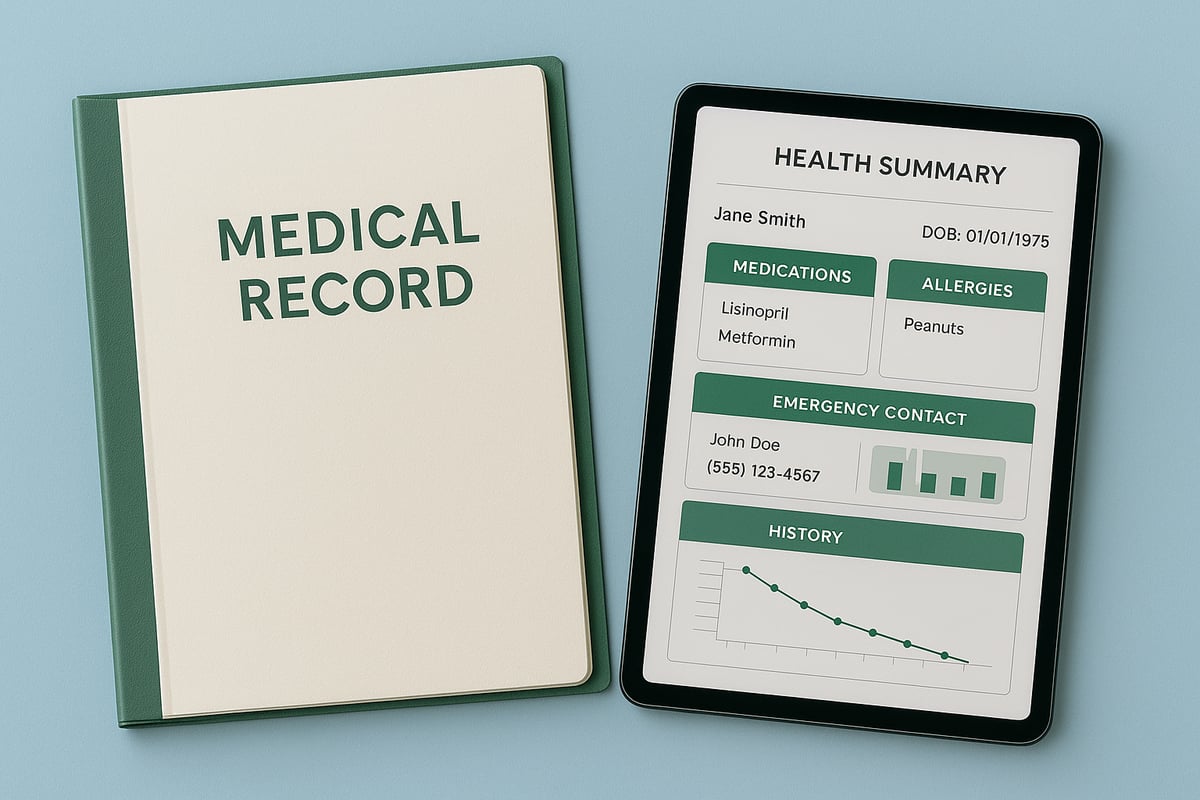
A patient health summary is a structured overview of your essential medical information, designed to be easily shared and updated. Unlike a full medical record, which contains every detail from every visit and procedure, a patient health summary distills the most critical facts: diagnoses, medications, allergies, recent test results, and more.
This summary can exist in several formats. Some patients prefer a paper version, neatly organized in a binder. Others opt for digital files or hybrid solutions, making updates and sharing easier. The goal is always the same: to have a clear, up-to-date record ready for any healthcare encounter.
Typical components include:
- Personal details and emergency contacts
- Medical history and chronic conditions
- Medication and allergy lists
- Immunizations and preventive care
- Advance directives and preferences
For step-by-step guides and practical tools to build your patient health summary, you can explore Patient education resources.
Why is a Patient Health Summary Essential?
A patient health summary is vital for effective care coordination. When you visit a new provider or face an emergency, having this summary on hand prevents confusion and ensures your care is based on accurate, current information.
Healthcare systems are complex, and miscommunication can lead to errors. In fact, 1 in 5 patients experience delays or mistakes due to incomplete records, according to HealthIT.gov. Your patient health summary bridges this gap, reducing the risk of adverse drug interactions and unnecessary repeat tests.
Beyond safety, a well-prepared summary promotes patient engagement. With your information organized, you can participate actively in discussions about your care. It also streamlines referrals, making transitions between providers much smoother.
Who Needs a Patient Health Summary?
Anyone can benefit from a patient health summary, but it is particularly crucial for certain groups. If you live with a chronic illness, such as diabetes or heart disease, this summary helps you and your care team monitor progress and avoid complications.
Caregivers find it indispensable when advocating for loved ones, especially during hospital admissions or specialist visits. Frequent travelers and aging adults also rely on it to communicate health needs wherever they go.
Common use cases include:
- Doctor’s appointments and specialist consultations
- Emergency room visits
- Hospital admissions and discharges
Real-world stories show that diabetic and cardiac patients who maintain a patient health summary often experience fewer complications and smoother care transitions.
Key Benefits for Patients and Providers
A patient health summary streamlines care coordination, making it easier for multiple providers to stay aligned on your treatment plan. This summary saves valuable time during appointments, as clinicians can quickly review relevant history and medications.
Patients feel more empowered when they have an active role in managing their health information. It also prevents the duplication of tests and procedures, resulting in both cost savings and improved outcomes.
By keeping your patient health summary current and accessible, you help ensure that everyone involved in your care is working from the same, accurate information.
Core Components of an Effective Patient Health Summary
Building a comprehensive patient health summary means including precise information that gives a clear, immediate view of your health status. Each section plays a critical role in empowering you and your care team to make informed decisions quickly.
Personal and Demographic Information
A patient health summary starts with essential personal and demographic data. This section ensures that healthcare providers can quickly verify your identity and reach emergency contacts when needed.
Key details include:
- Full name and date of birth
- Address and contact numbers
- Emergency contacts
- Insurance provider and policy number
- Primary care provider’s name and contact information
Keeping this section accurate reduces the risk of administrative errors and speeds up communication during appointments or emergencies.
Medical History Overview
Your medical history provides context for current and future care. This part of the patient health summary summarizes important diagnoses, past surgeries, and chronic conditions.
It should include:
- Previous and current diagnoses (with dates)
- Major surgeries and hospitalizations
- Ongoing or resolved chronic health issues
- Relevant family medical history, such as hereditary conditions
A concise medical history helps doctors understand your overall health and spot patterns or risk factors that may affect treatment plans.
Medication and Allergy List
A complete medication and allergy section in your patient health summary is crucial for safety. List all current and past medications, including dosages, prescribing physicians, and dates started or stopped.
Include:
- Prescription and over-the-counter medications
- Herbal supplements and vitamins
- Known allergies (drugs, foods, environmental)
- Descriptions of any adverse reactions
By referring to your up-to-date medication list, healthcare teams can prevent dangerous drug interactions. For practical advice on organizing and managing this information, see Patient care and management tips.
Immunizations and Preventive Care
Immunization records and preventive screenings are key features of an effective patient health summary. Maintaining this section ensures you stay on track with required vaccines and routine check-ups.
Examples to include:
- Dates and types of vaccines received
- Results of routine screenings (blood pressure, cholesterol, cancer screenings)
- Preventive care appointments (dental, vision, annual physicals)
Having this information readily available supports public health and personal well-being.
Recent Test Results and Procedures
Recent test results and procedures offer insights into your current health status. The patient health summary should contain the most important lab results, imaging reports, and outcomes of medical procedures.
Typical entries:
- Blood tests and lab values
- X-rays, MRIs, and ultrasounds with dates
- Outpatient or inpatient procedures, including results
A table can be useful for summarizing this data:
| Date | Test/Procedure | Result/Outcome |
|---|---|---|
| 2026-01-15 | Blood Panel | Normal |
| 2026-03-10 | MRI (Knee) | Ligament tear |
| 2026-04-05 | Colonoscopy | No polyps |
This structure makes it easy for providers to assess trends and changes over time.
Lifestyle and Social Determinants of Health
The patient health summary should reflect factors beyond medical data. Lifestyle choices and social circumstances often influence health outcomes.
Include:
- Smoking status and alcohol use
- Physical activity and diet habits
- Living situation (alone, with family, assisted living)
- Access to transportation and social support
Acknowledging these factors helps tailor care plans and identify barriers to better health.
Advance Directives and Preferences
Advance directives guide your care if you are unable to make decisions. This section of the patient health summary should state your wishes and legal documents.
Items to note:
- Living will and healthcare power of attorney
- Do Not Resuscitate (DNR) orders
- Organ donation status
- Other care preferences
Discussing and documenting these choices ensures your values are respected in any situation.
A well-structured patient health summary, with each of these components clearly outlined, provides a foundation for safe, coordinated, and patient-centered care.
Step-by-Step Guide: Creating Your Patient Health Summary
Taking control of your health starts with a well-crafted patient health summary. Creating one may seem daunting, but breaking it into manageable steps makes the process clear and achievable. This guide walks you through each stage, ensuring your patient health summary becomes a reliable, up-to-date resource for you and your healthcare team.

Step 1: Gather Your Health Information
Begin by collecting all relevant medical documents to form the backbone of your patient health summary. This includes records from primary care doctors, specialists, clinics, pharmacies, and laboratories. Request copies of your visit summaries, lab reports, prescription histories, and vaccination records.
To streamline this process, use patient portals provided by your healthcare providers. These digital platforms often let you download or print your health records directly. If your providers do not offer online access, call their offices to request copies. Keep a checklist of documents needed for your patient health summary, such as:
- Diagnosis and treatment notes
- Medication lists
- Allergy reports
- Immunization records
- Recent test results
Storing everything in one folder or digital file will make the next steps much easier. Remember, having a complete patient health summary starts with thorough information gathering.
Step 2: Organize and Prioritize Data
With your medical information in hand, the next step is to organize and prioritize what matters most for your patient health summary. Sort records by relevance and recency, focusing on current diagnoses, active medications, and recent test results. Outdated or duplicate information can be archived but should not clutter your summary.
Consider using tools such as:
- Color-coded folders for different categories
- Digital spreadsheets to list medications and conditions
- Checklists to ensure no critical detail is missed
Templates are widely available to help structure your patient health summary. Prioritize information that would be most useful in emergencies or during new provider visits. By keeping your data streamlined, you ensure your patient health summary remains both comprehensive and easy to review.
Step 3: Enter and Format Your Summary
Now, it's time to build your patient health summary in a format that suits your needs. Decide whether you prefer a paper version, a digital document, or both. Digital formats offer advantages like easy updates, backup options, and sharing capabilities. Many patients benefit from using health summary templates available from reputable sources such as the CDC or Mayo Clinic.
When entering your information, use plain language and standard abbreviations. Keep sections clearly labeled: personal details, medical history, medications, allergies, and test results. For digital summaries, consider secure apps or cloud-based tools for enhanced accessibility and safety. For an overview of digital solutions that can streamline this process and keep your patient health summary up to date, see the Digital health tools overview.
A sample structure for your patient health summary might look like:
Name: [Your Name]
DOB: [Date of Birth]
Medications: [List with dosages]
Allergies: [Details]
Medical History: [Summary]
Recent Tests: [Results and dates]
Choose a format that makes it easy for you and your providers to understand at a glance.
Step 4: Review and Validate with Healthcare Providers
Accuracy is essential for your patient health summary. Schedule time to review your summary with your primary care provider, pharmacist, or another trusted healthcare professional. They can help identify missing information, correct discrepancies, and clarify medical terms.
Bring your summary to your next appointment and ask your provider to verify each section, including medications, allergies, and recent procedures. This collaborative approach ensures that your patient health summary reflects your actual health status.
If you notice conflicting information, ask for clarification or updated records. Keeping your patient health summary accurate protects you from errors and helps your care team make informed decisions. Regular validation builds confidence in your health documentation.
Step 5: Keep Your Summary Updated
A patient health summary is only valuable if it remains current. Set reminders to update your summary every six to twelve months, or immediately after any significant medical event, such as a new diagnosis, medication change, or hospital visit.
Integrate new information as soon as possible. For example, after receiving lab results or starting a new medication, add these details to your patient health summary. Staying proactive helps prevent misdiagnoses and ensures your care team always has the latest information.
Some patients find it helpful to keep a "change log" at the end of their summary, noting the date and nature of updates. This habit keeps your patient health summary dynamic and trustworthy.
Step 6: Share Your Summary Safely
Decide who should have access to your patient health summary. Common recipients include family members, caregivers, and all current healthcare providers. Sharing can be done through printed copies, secure email, or encrypted digital apps.
Best practices for sharing your patient health summary include:
- Using password protection for digital files
- Keeping physical copies in a secure, accessible place
- Informing trusted contacts about where your summary is stored
Before sharing, consider privacy settings and consent. Only provide necessary information to each party. By sharing your patient health summary safely, you empower others to support your health while maintaining control over your personal information.
Digital Tools and Apps for Managing Your Health Summary
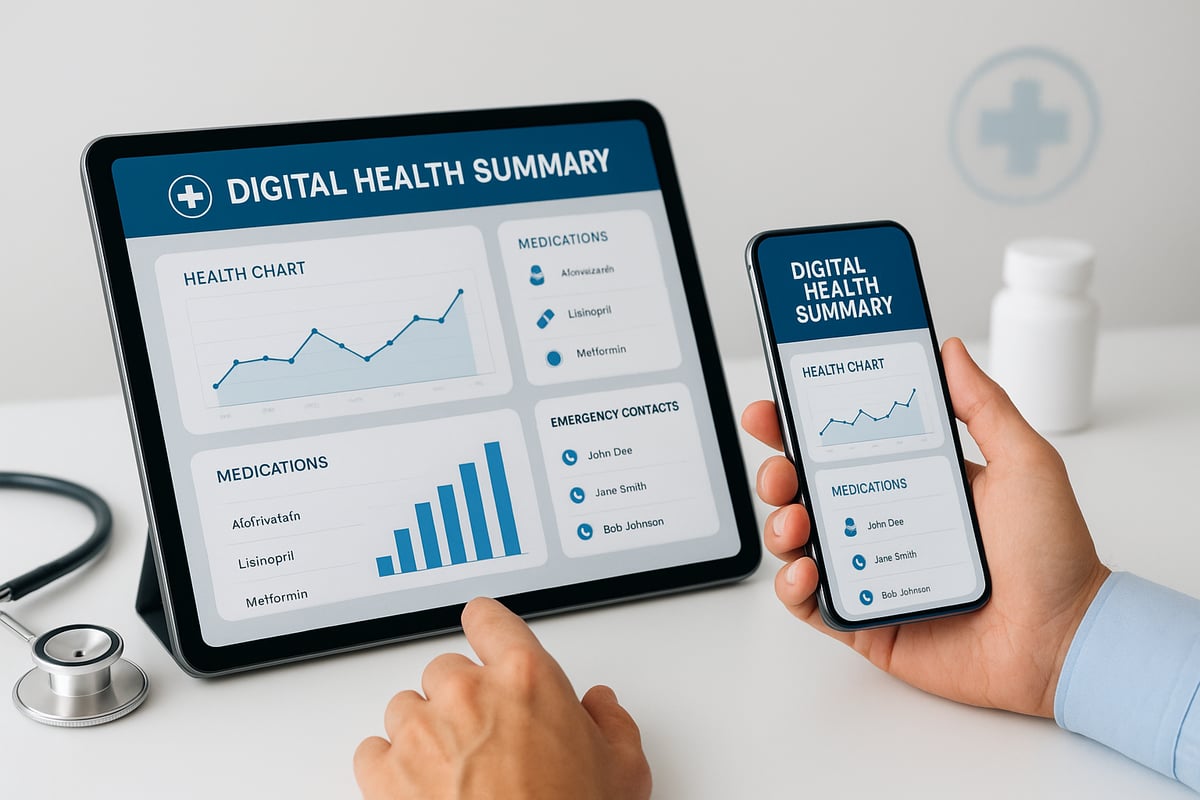
Navigating your health information is easier than ever with digital tools tailored for the patient health summary. These solutions bring your records to your fingertips, helping you stay organized and informed. Whether you prefer mobile apps or desktop platforms, the right tool can transform how you manage your patient health summary, making it more accessible and secure.
Popular Digital Health Summary Tools
Today’s top digital platforms for managing your patient health summary include Apple Health, MyChart, and Microsoft HealthVault. Each offers unique features to centralize your health data, making it easier to share with providers and caregivers.
| Tool | Pros | Cons |
|---|---|---|
| Apple Health | Seamless iOS integration, intuitive | Limited to Apple devices |
| MyChart | Broad provider adoption, messaging | Some features depend on provider |
| Microsoft HealthVault | Multi-platform, customizable | Discontinued official support |
Key features to look for:
- Automatic data integration from labs and clinics
- Clear, user-friendly dashboards
- Security options like PIN codes and biometric login
Emerging solutions such as MedKnowts: Unified Documentation and Information Retrieval for EHRs highlight the importance of unified documentation systems in improving the efficiency of a patient health summary.
How to Choose the Right Tool
Selecting the best digital solution for your patient health summary depends on your needs and preferences. Consider device compatibility, especially if you use both iOS and Android. Ease of use is essential, so test the interfaces before committing.
Other factors to weigh:
- Cost: Many apps are free, but advanced features may require payment.
- Privacy controls: Ensure you can manage who sees your information.
- Provider integration: Some tools sync directly with your healthcare team.
According to Pew Research, 68% of patients now prefer digital records, valuing accessibility and convenience. Take time to review the privacy policies and support services before choosing your patient health summary tool.
Setting Up and Syncing Devices
Getting started with your patient health summary app is straightforward. Download your chosen platform and create an account with secure credentials. Follow these steps:
- Import existing records from providers and pharmacies.
- Link wearable devices for real-time data.
- Set up automatic syncing to keep information current.
- Organize your summary with custom tags or folders.
When managing data from multiple sources, use the app’s features to merge duplicate records and flag updates. Regularly back up your patient health summary to a secure cloud or external drive for peace of mind.
Security and Data Privacy Considerations
Safeguarding your patient health summary is critical. Look for tools offering encryption, password protection, and multi-factor authentication. Restrict access by setting permissions for family members and caregivers.
Best practices include:
- Updating passwords regularly
- Enabling biometric security if available
- Reviewing access logs for unusual activity
In the event of device loss, remote wipe features can prevent unauthorized access to your patient health summary. With the right precautions, you can confidently protect your health information and maintain control over who sees your data.
Privacy, Security, and Legal Considerations for Your Health Summary
Keeping your patient health summary private and secure is essential for protecting your sensitive health information. As digital health records become more common, understanding your rights and responsibilities is the first step in managing your health data confidently.
Understanding Your Rights and Responsibilities
As a patient, you have the legal right to access, review, and correct your patient health summary. Privacy laws, such as HIPAA in the United States, are designed to protect your health information and give you control over how it is shared. You are entitled to know who has viewed your records and to request corrections if needed.
Being proactive about your patient health summary ensures you are prepared for appointments and emergencies. For more information on your rights to clear health plan information, visit the Summary of Benefits and Coverage. Understanding these rights helps you make informed decisions and keeps your health summary accurate and up to date.
Best Practices for Securing Your Information
Securing your patient health summary requires a combination of physical and digital safeguards. Store paper copies in a locked location and use encrypted drives for digital files. Choose secure apps and cloud storage solutions with strong password protection and multi-factor authentication.
Consider emerging technologies like blockchain, which offer advanced privacy through decentralized control. For a deeper look at how blockchain can enhance the privacy of your patient health summary, review the concept of Self-Sovereign Identity for Medical Records Access. Regularly update passwords and review access logs to ensure your information remains confidential.
Consent and Sharing Protocols
It is important to decide who should have access to your patient health summary. Granting or revoking consent requires clear communication with family members, caregivers, and healthcare providers. Use written permissions and secure channels, such as encrypted email or approved health apps, to share your summary.
Establish protocols for updating access rights, especially if your care team changes or if new caregivers are involved. Remember, you have the right to limit sharing and control who views your patient health summary at all times. Document all sharing decisions for future reference.
Handling Emergencies and Unconscious Scenarios
Emergencies can happen unexpectedly, so it is wise to plan for situations where you may not be able to communicate. Include emergency contacts and instructions in your patient health summary. Use medical alert systems or ICE (In Case of Emergency) contacts on your phone to help responders access vital information quickly.
Share limited, essential details with trusted individuals so that your patient health summary can be used if you are unconscious or incapacitated. Quick access to your summary improves emergency care and ensures your preferences are respected even when you cannot speak for yourself.
Maximizing the Value of Your Patient Health Summary: Tips for 2026 and Beyond
Your patient health summary is more than a static document. When used effectively, it becomes a dynamic tool for better health management, stronger care coordination, and increased confidence in every healthcare interaction.
Integrating Your Summary Into Daily Life
Make your patient health summary an essential part of your healthcare routine. Bring it to all medical appointments, whether seeing a new specialist or visiting your primary care doctor.
Store both digital and paper copies in easily accessible locations, such as your smartphone or a secure folder at home. In emergencies, quick access to this summary ensures vital information is available when seconds count.
Share your patient health summary with emergency contacts and caregivers so they can advocate for you if needed. Consistent use empowers you to manage health proactively and avoid gaps in communication.
Empowering Self-Advocacy and Care Coordination
Take an active role in your care by using your patient health summary to track progress, ask informed questions, and set clear health goals. When you update your summary regularly, you spot trends, monitor treatments, and identify potential issues early.
Collaborate with your providers by sharing concise information and clarifying any discrepancies. For more approaches on engaging with your care team, explore improving patient care strategies.
Use your summary to streamline referrals and ensure all team members have the latest details, reducing the risk of errors and duplication.
Collaborating with Care Teams and Family
Open communication is crucial in complex care situations. Share your patient health summary with trusted family members and all care providers involved in your treatment.
Designate a primary contact who can help manage updates, especially if you have multiple specialists. Encourage family members to review the summary and participate in care discussions.
This collaborative approach leads to better care coordination, fewer misunderstandings, and a shared understanding of your health priorities.
Staying Up-to-Date with Healthcare Trends
Healthcare is evolving rapidly. Keep your patient health summary current by integrating new technologies, such as telehealth platforms and wearable devices, that sync health data automatically.
Stay informed about changing documentation standards and privacy practices. Adapting your summary as new innovations arise ensures continued relevance and utility.
Regularly review official guidelines and resources, so your summary remains a valuable asset in every care setting.
Overcoming Common Challenges
Many people face barriers to maintaining an effective patient health summary, including resistance to digital tools, information overload, or privacy concerns.
Address these challenges by starting simple, using templates, and seeking assistance from healthcare professionals or support groups. For insights on how comprehensive summaries benefit diverse populations, see the 2024 Patient Characteristics Snapshot.
Remember, the goal is progress, not perfection. With regular updates and support, your summary can become a lifelong resource for better health outcomes.