


Imagine a world where chronic wounds no longer disrupt lives, thanks to the expertise of professional wound specialists. As we move into 2026, understanding the vital role these professionals play is more important than ever.
This essential guide explains who professional wound specialists are, details their qualifications, and highlights the latest evidence-based wound care practices. You will learn how to choose the right provider, explore recent innovations in treatment, and discover what the future holds for wound management.
Whether you are a patient, caregiver, or healthcare professional, this guide will empower you to access the best possible care and achieve better outcomes with the support of professional wound specialists.
Who Are Professional Wound Specialists?
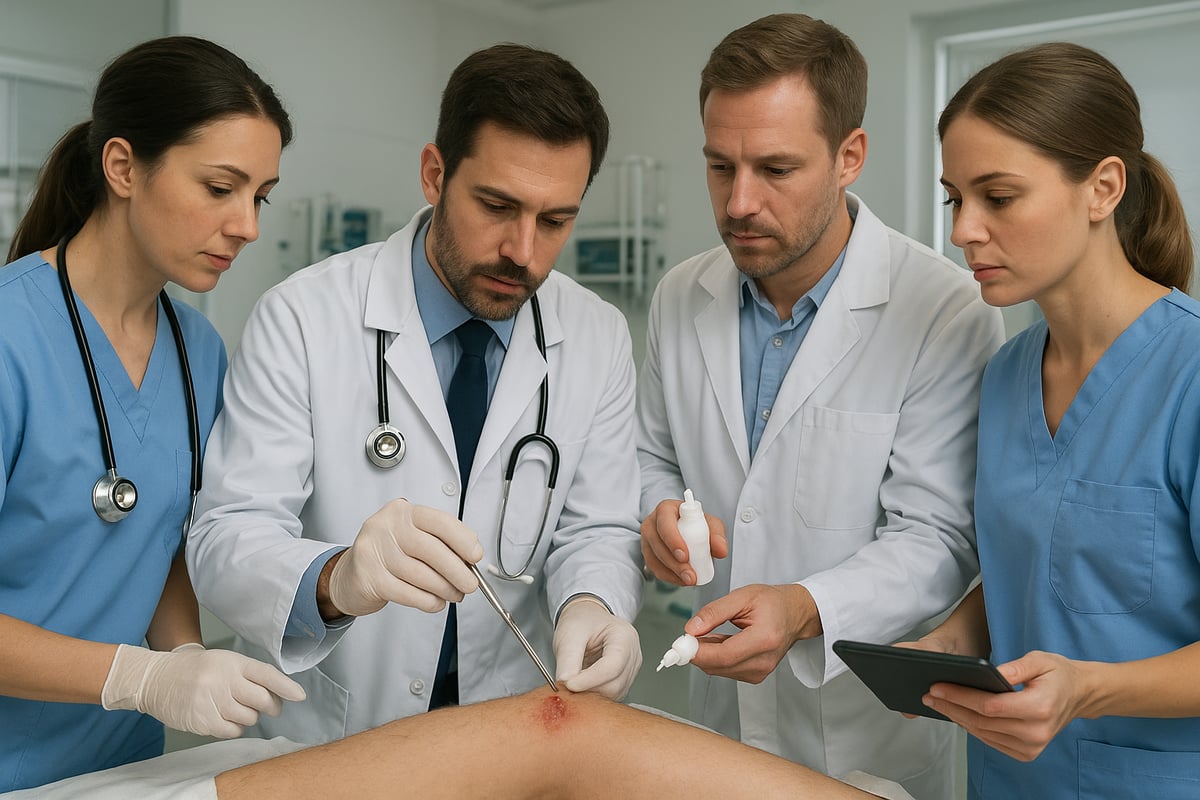
Professional wound specialists are highly trained healthcare providers dedicated to the assessment, treatment, and prevention of wounds. Their expertise goes far beyond standard wound care, offering advanced solutions for complex cases. In today’s healthcare landscape, these professionals are essential for improving healing outcomes and patient quality of life.
Defining the Role and Scope
Professional wound specialists come from various clinical backgrounds, such as registered nurses, physicians, podiatrists, and physical therapists. Each brings a unique perspective, but all share a commitment to wound healing and prevention.
Their primary responsibilities include:
- Comprehensive assessment and documentation of wounds
- Accurate diagnosis of underlying causes and risk factors
- Development of individualized treatment plans
- Implementation of advanced therapies and wound management strategies
- Ongoing prevention education for patients and caregivers
Certification is a key marker of expertise. Many professional wound specialists obtain credentials through organizations like the Wound, Ostomy, and Continence Nursing Certification Board (WOCNCB) or the American Board of Wound Management (ABWM). These certifications require rigorous education, clinical experience, and passing standardized exams.
Unlike general healthcare providers, professional wound specialists focus exclusively on wound care. This distinction ensures that patients receive targeted, evidence-based interventions that promote optimal healing. Collaboration is also crucial. Wound specialists frequently partner with surgeons, nutritionists, and other allied health professionals, creating a multidisciplinary team that addresses all aspects of patient care.
To learn more about the evolving role of these experts, visit Wound specialists in modern care.
Core Competencies and Training
Becoming a professional wound specialist requires extensive education and hands-on clinical training. Most begin with a nursing or medical degree, followed by specialized wound care courses and mentorship. Advanced training programs cover topics such as debridement, infection control, wound dressing selection, and patient education.
Maintaining certification demands ongoing professional development. Specialists must complete continuing education courses to stay current with the latest research and techniques. This commitment to lifelong learning ensures that professional wound specialists deliver care based on the most up-to-date evidence.
Key competencies include:
- Performing advanced wound assessments and measurements
- Executing various debridement techniques safely
- Recognizing and managing wound infections promptly
- Customizing dressing selection for complex wounds
- Educating patients on self-care and prevention
Evidence-based practice is the foundation of wound care. For example, a recent case study showed that patients with diabetic foot ulcers treated by professional wound specialists experienced healing rates up to 50 percent faster compared to standard care. This measurable impact demonstrates the value of specialist intervention in complex wound management.
Types of Wounds Managed
Professional wound specialists manage a wide spectrum of wounds, each requiring specific approaches and expertise. Chronic wounds are a primary focus and include:
- Diabetic foot ulcers
- Pressure injuries (bedsores)
- Venous leg ulcers
Acute wounds also fall within their scope, such as:
- Surgical incisions
- Traumatic injuries (cuts, lacerations)
- Burns
Professional wound specialists are adept at caring for complex patient populations. Elderly individuals, people with compromised immune systems, and those recovering from surgery often present unique challenges. These specialists tailor interventions to address comorbidities and promote healing in even the most difficult cases.
By leveraging their advanced knowledge, professional wound specialists ensure that every patient receives comprehensive, personalized care that supports recovery and reduces complications.
Advancements in Wound Care: 2026 Trends and Technologies
Modern wound care has evolved rapidly, with professional wound specialists at the forefront of integrating research, innovation, and patient-centered solutions. In 2026, new technologies are reshaping how wounds are assessed, treated, and monitored, offering hope for better outcomes and a higher quality of life.
Innovative Treatments and Protocols
Professional wound specialists are now utilizing an impressive array of advanced treatments. Bioactive dressings, which release growth factors and antimicrobial agents, have become a standard for hard-to-heal wounds. Antimicrobial gels and negative pressure wound therapy are used to speed healing and reduce infection risk.
Regenerative medicine is another breakthrough. Stem cell therapies and tissue engineering are being used to regenerate damaged skin and promote faster recovery. Growth factors, delivered topically or via dressings, help stimulate tissue repair at the cellular level.
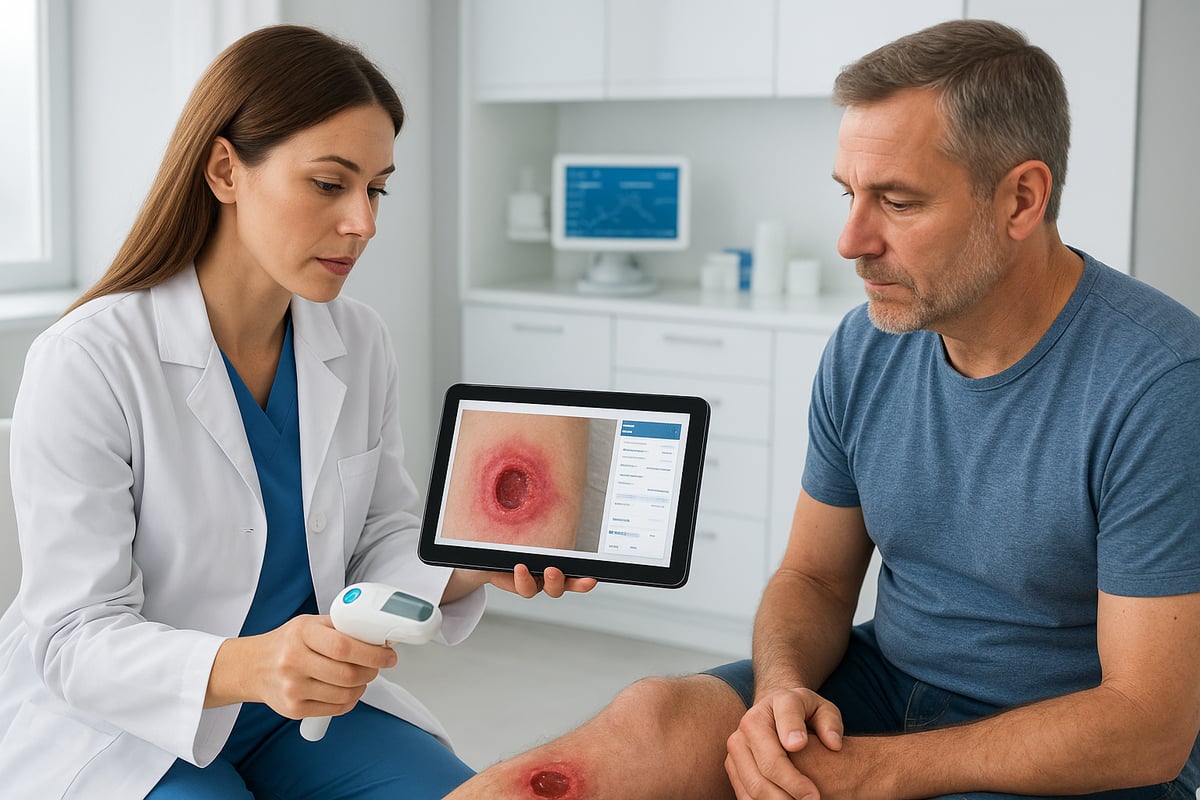
Smart wound monitoring is transforming daily care. Wearable sensors and digital wound imaging allow for real-time assessment, while AI-driven tools support accurate diagnosis and personalized treatment. For example, the WoundNet-Ensemble Study demonstrates how deep learning and IoMT systems can automate wound classification and healing monitoring, providing vital data to professional wound specialists remotely.
Telemedicine has also gained traction. Remote consultations and digital wound tracking enable continuous care, especially for patients in rural or mobility-challenged situations.
Evidence-Based Practice and Outcomes
Recent clinical trials underscore the value of innovation in wound care. Bioengineered skin substitutes, for instance, have been shown to reduce healing time by up to 30 percent in chronic wound patients. These outcomes reinforce the importance of professional wound specialists adopting evidence-based protocols.
National wound care guidelines have been updated for 2025 and 2026, incorporating the latest research on advanced therapies and digital monitoring. Specialists use these guidelines to tailor care plans for individual patients, ensuring best practices are followed at every stage.
Cost-effectiveness is a key consideration. Advanced treatments, though initially more expensive, often reduce hospital stays and prevent complications. This translates to fewer readmissions and lower long-term costs for patients and healthcare systems alike.
Challenges and Limitations
Despite these advancements, professional wound specialists face ongoing challenges. Access to cutting-edge treatments can be limited in rural or underserved regions, where specialized clinics and equipment may not be readily available.
Insurance coverage remains a barrier. Not all advanced therapies are reimbursed, leaving some patients without access to the best options. Navigating these complexities is part of the specialist's role, as they advocate for their patients and seek creative solutions.
Balancing technology with the human touch is essential. While digital tools enhance assessment and monitoring, hands-on care and patient education remain irreplaceable. Professional wound specialists must combine high-tech solutions with empathy, communication, and manual expertise.
Real-World Examples
Hospitals worldwide are reporting impressive results from these innovations. In one major facility, the use of smart dressings led to a 40 percent reduction in infection rates for surgical wounds. This improvement is closely linked to the expertise of professional wound specialists, who select and manage these technologies based on each patient's needs.
Patients also benefit from telehealth wound consultations. A patient with limited mobility, for example, was able to receive ongoing specialist care remotely. This approach not only improved healing times but also enhanced the patient’s quality of life by reducing travel and stress.
The work of professional wound specialists is making a measurable difference. By adopting new tools and protocols, they are helping patients heal faster, avoid complications, and regain independence. These real-world successes highlight the transformative impact of professional wound specialists in 2026 and beyond.
The Wound Care Process: Step-by-Step Guide
Navigating wound care is a complex journey. With professional wound specialists guiding each step, patients experience safer and more effective healing. This structured process ensures no detail is missed and care is always tailored to individual needs.
Step 1: Comprehensive Assessment
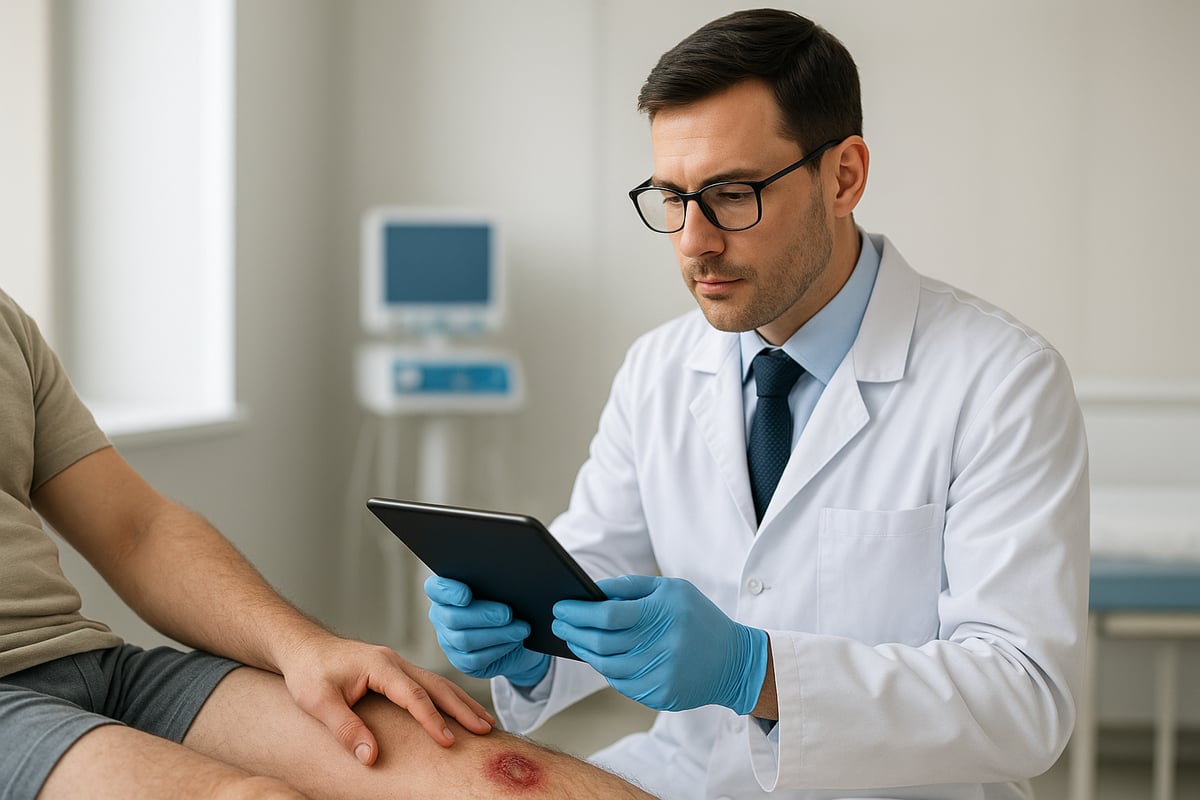
The first step for professional wound specialists is a thorough patient assessment. This includes gathering the patient’s medical history, identifying comorbidities, and assessing risk factors that may delay healing.
Specialists measure and stage wounds, then document findings with precision. Diagnostic tools like wound cultures, vascular studies, and imaging help pinpoint underlying issues. For instance, handheld imaging devices can detect early infections, allowing immediate intervention.
This comprehensive assessment forms the foundation for all further care. By leveraging their expertise, professional wound specialists ensure no critical detail is overlooked, setting the stage for optimal outcomes.
Step 2: Developing a Personalized Care Plan
After assessment, professional wound specialists create a tailored care plan. They set measurable healing goals and timelines, considering the wound’s type, size, and complexity.
Selection of dressings and therapies is highly individualized. Specialists collaborate with nutritionists, physical therapists, and mental health professionals to address all aspects of healing. Patient preferences and daily routines are also factored into the plan.
This multidisciplinary approach ensures that every patient receives holistic, evidence-based care. By focusing on personalization, professional wound specialists maximize healing potential and patient satisfaction.
Step 3: Treatment Implementation
Treatment begins with professional wound specialists choosing the most effective interventions. They perform debridement using sharp, enzymatic, or autolytic methods, removing dead tissue to promote healing.
Infection management is critical. Specialists use topical or systemic antibiotics and antimicrobial dressings as needed. Moisture balance is maintained by selecting dressings that control exudate, while pain is managed with appropriate strategies.
By applying advanced skills and up-to-date protocols, professional wound specialists deliver interventions that address both the wound and underlying causes, leading to improved healing rates.
Step 4: Monitoring and Adjusting Care
Ongoing monitoring is a hallmark of professional wound specialists’ approach. They regularly reassess wounds, document progress, and look for early signs of complications like infection or delayed healing.
Interventions are adjusted based on wound response, ensuring treatment remains effective. Digital wound tracking apps are increasingly used for remote monitoring, enabling timely updates and swift action if issues arise.
This vigilant process helps professional wound specialists prevent setbacks and keeps healing on track. It also fosters communication between the care team, patient, and caregivers.
Step 5: Patient and Caregiver Education
Professional wound specialists empower patients and caregivers with education. They teach wound care techniques for home management, emphasizing infection prevention and early warning signs.
Recurring wounds are addressed through strategies such as pressure offloading, skin protection, and glycemic control. For more guidance, patients can explore home health care wound management resources, which offer practical tips and support.
Through ongoing education, professional wound specialists build confidence and self-sufficiency, leading to better long-term outcomes and reduced recurrence rates.
Step 6: Discharge Planning and Follow-Up
Transitioning from hospital to home or outpatient care is managed by professional wound specialists through careful discharge planning. They schedule follow-up visits and telehealth check-ins, ensuring continuity of care.
Coordination with primary care providers and community resources is prioritized. This seamless handoff minimizes the risk of complications and supports ongoing recovery.
By overseeing every phase of care, professional wound specialists help patients maintain progress and access necessary support after leaving the clinical setting.
Common Barriers and Solutions
Despite best efforts, barriers like limited health literacy, mobility challenges, or socioeconomic factors can hinder wound care. Professional wound specialists identify these obstacles early and develop tailored solutions.
They connect patients with community wound clinics, support groups, and financial resources as needed. Adherence is improved through simplified instructions and regular check-ins.
By addressing barriers proactively, professional wound specialists ensure equitable, effective care for all patients. Their comprehensive approach transforms wound management into a manageable process, even in complex situations.
Choosing the Right Wound Specialist: What Patients and Providers Should Know
Selecting the best professional wound specialists is a pivotal decision for anyone facing complex wound care needs. The process involves more than just a referral; it requires a thoughtful evaluation of qualifications, care approach, accessibility, and quality indicators to ensure the best possible outcomes.
Credentials and Experience
Professional wound specialists come from diverse backgrounds, including nursing, medicine, and podiatry. However, what sets them apart are their advanced credentials and focused experience in wound care.
Look for board certifications from recognized bodies such as the Wound, Ostomy, and Continence Nursing Certification Board or the American Board of Wound Management. Years of hands-on experience treating different wound types matter, as do affiliations with accredited wound care centers. These attributes signal that professional wound specialists have met rigorous standards and are committed to staying at the forefront of the field.
Patient-Centered Approach
Effective professional wound specialists prioritize patient needs, values, and preferences throughout the care journey. Assess their communication style during consultations—are they clear, attentive, and willing to answer questions?
A strong patient-centered approach is evident when clinicians provide thorough education, encourage patient input, and involve family or caregivers in the process. Access to a multidisciplinary team, including nutritionists or physical therapists, further enhances care. Cultural sensitivity and the ability to personalize care plans to each individual are hallmarks of exceptional professional wound specialists.
Access and Logistics
Finding the right professional wound specialists may begin with hospital networks, physician referrals, or searching online directories. For those in remote or underserved communities, telemedicine has opened new pathways to expert care.
When evaluating options, consider practical details such as clinic locations, appointment availability, and insurance coverage. Financial assistance programs can also make advanced wound care more accessible. For a comprehensive overview of how to locate and evaluate wound care centers, see this guide on wound centers and specialized clinics.
Red Flags and Quality Indicators
Not all wound care is created equal. Warning signs of inadequate care include poor documentation, lack of infection control protocols, or limited patient engagement. Conversely, look for high-quality programs that display accreditation, share outcome data, and receive positive patient testimonials.
Transparency about healing rates, complication rates, and patient satisfaction speaks volumes about a facility’s commitment to excellence. Professional wound specialists working within these settings are more likely to deliver evidence-based, effective care.
Example Scenarios
Consider a patient choosing between a hospital-based wound clinic and a private practice. Hospital clinics often offer access to multidisciplinary teams and advanced technology, while private practices may provide more personalized attention and flexible scheduling.
Evaluating your needs, preferences, and logistical factors can help you identify which setting—and which professional wound specialists—will best support your recovery journey.
The Impact of Professional Wound Specialists on Patient Outcomes
Professional wound specialists are driving significant improvements in patient outcomes, transforming the landscape of wound care. Their advanced training and focused approach result in measurable benefits across healing rates, patient well-being, and healthcare efficiency.
Improved Healing Rates and Reduced Complications
Patients managed by professional wound specialists experience dramatically better healing outcomes than those under general care. For example, studies reveal that specialist-led interventions reduce amputation rates by up to 85% in diabetic foot ulcers. These experts use evidence-based protocols and advanced therapies to accelerate wound closure, decrease infection rates, and minimize complications.
Hospital readmissions also decline when a professional wound specialist oversees care. Their expertise in early detection and intervention means issues are addressed before they escalate. For those interested in foundational best practices that underpin these results, the General principles of wound care guide offers valuable insights.
Enhanced Patient Quality of Life
The involvement of professional wound specialists goes beyond physical healing, directly impacting patients' daily lives. Improved mobility and pain management allow individuals to regain independence and participate in activities they might have avoided due to chronic wounds.
Emotional and psychological health also see significant gains. Ongoing specialist support reduces anxiety and depression commonly associated with chronic wound conditions. Additionally, caregivers benefit from education and reassurance, knowing their loved ones are receiving optimal care from professional wound specialists.
Healthcare System Benefits
Healthcare systems benefit substantially from the expertise of professional wound specialists. By preventing complications and unnecessary hospitalizations, these specialists contribute to major cost savings. For instance, a hospital wound care program led by professional wound specialists can save up to $1.2 million annually through reduced complications and shorter patient stays.
Their work also improves public health outcomes by lowering infection rates and enhancing overall community wellness. Hospitals and clinics employing professional wound specialists consistently report higher patient satisfaction and better long-term results.
Testimonials and Real-World Examples
Patient stories highlight the life-changing impact of professional wound specialists. Many recount regaining mobility and confidence after years of struggling with non-healing wounds. Providers emphasize improved workflow and outcomes, crediting the specialist’s role in multidisciplinary teams.
Data from national wound registries further reinforce these successes, showing consistent trends of reduced complications and faster healing. Real-world examples underscore that the presence of professional wound specialists is a key differentiator in achieving the best possible patient outcomes.
Resources for Patients, Caregivers, and Healthcare Professionals
Access to high-quality resources is essential for anyone navigating wound care. Whether you are a patient, caregiver, or healthcare provider, the right information and support can make a significant difference in outcomes. Below, discover trusted materials, digital guides, accredited centers, and support networks that empower you to work closely with professional wound specialists.
Educational Materials and Support Networks
Educational resources are vital for understanding wound care and connecting with professional wound specialists. National associations, such as the Association for the Advancement of Wound Care, offer evidence-based guidelines, webinars, and community forums.
Patients and caregivers benefit from support groups, both in-person and online, which provide practical tips and emotional encouragement. For healthcare professionals seeking advanced tools, the Wound3DAssist Framework introduces practical methods for 3D wound assessment, helping specialists stay at the forefront of technology.
Wound Care Educational Guides from Mediscript
Mediscript’s digital wound care guides are designed to help patients, caregivers, and professional wound specialists achieve better outcomes. These resources are written in plain language, making complex wound care topics accessible to everyone.
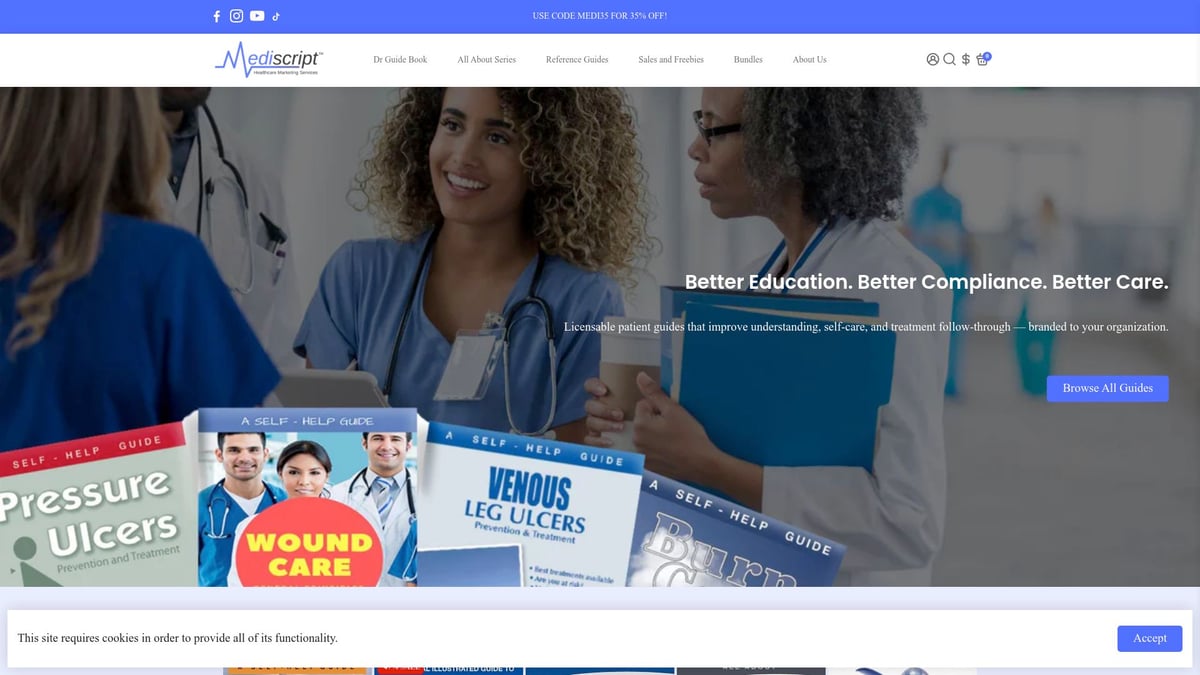
Clinics, pharmacies, and educational institutions worldwide use these guides for patient education and staff training. Organizations can also customize guides to reflect their own branding, ensuring consistency in wound care messaging and support.
Finding Accredited Wound Care Centers
Locating reputable care is crucial for those seeking professional wound specialists. Start by searching hospital networks, accredited wound clinics, and online directories. Look for centers with board-certified staff, strong patient testimonials, and affiliations with national wound care organizations.
When choosing a facility, consider the availability of multidisciplinary teams and telemedicine services. This ensures comprehensive support and easier access for those with mobility challenges or living in rural areas.
Financial and Community Resources
Wound care can sometimes pose financial challenges. Many patients and caregivers are unaware of available insurance coverage, grants, or aid programs. National and local organizations offer financial assistance, and some clinics participate in community outreach to provide low-cost or home care services.
Connecting with social workers or patient advocates can help you navigate these options. Taking advantage of community resources ensures that everyone can access the expertise of professional wound specialists, regardless of financial background.