


Access to quality healthcare remains one of the most critical factors influencing patient outcomes, satisfaction, and overall population health. As healthcare systems worldwide continue to evolve, understanding what constitutes high-quality care and how to deliver it consistently has become paramount for providers, educators, and institutions. The intersection of clinical excellence, patient education, and measurable outcomes creates a framework that healthcare professionals must navigate daily. For organizations dedicated to health education like Mediscript, supporting this framework through accessible, evidence-based materials helps bridge the gap between clinical knowledge and patient understanding.
Understanding the Foundations of Quality Healthcare
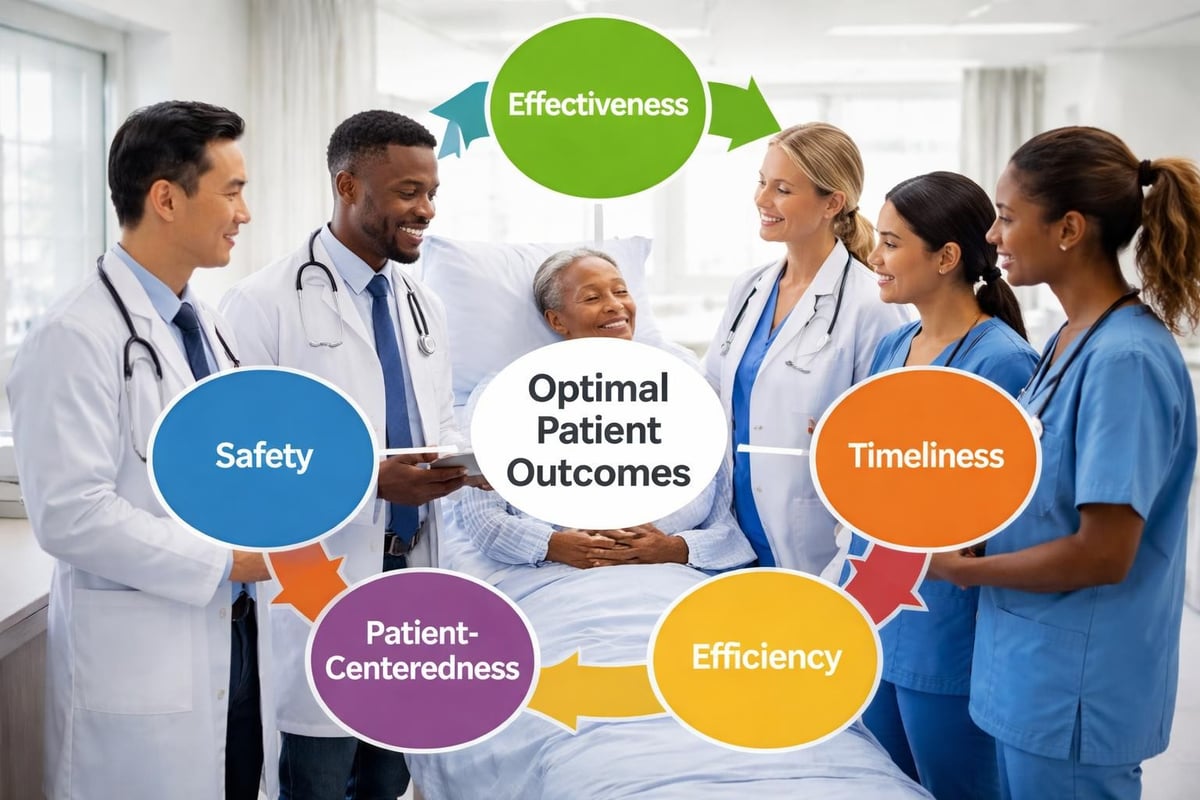
Quality healthcare encompasses far more than simply treating illnesses or managing symptoms. It represents a comprehensive approach to patient care that integrates clinical effectiveness, safety, patient-centeredness, timeliness, efficiency, and equity into every interaction and intervention.
The Institute of Medicine has established six core dimensions that define high-quality care. These dimensions provide a framework that healthcare organizations use to evaluate and improve their services:
- Safety: Avoiding harm to patients from care intended to help them
- Effectiveness: Providing services based on scientific knowledge to those who can benefit
- Patient-Centeredness: Providing care that respects individual preferences, needs, and values
- Timeliness: Reducing waits and harmful delays for both patients and providers
- Efficiency: Avoiding waste of equipment, supplies, ideas, and energy
- Equity: Providing consistent quality regardless of personal characteristics
These foundational elements work together to create healthcare systems that deliver superior outcomes. When healthcare providers prioritize all six dimensions simultaneously, they create environments where patients receive appropriate interventions at the right time, with minimal risk and maximum benefit.
Measuring Healthcare Quality in Practice
Healthcare organizations utilize various data sources and measurement tools to assess quality. The Agency for Healthcare Research and Quality provides comprehensive resources that help institutions understand and implement quality measurement frameworks. These measurement approaches include clinical performance indicators, patient satisfaction surveys, health outcomes data, and process compliance rates.
| Measurement Type | Data Source | Primary Use |
|---|---|---|
| Clinical Outcomes | Medical Records | Track recovery rates, complication frequencies |
| Patient Experience | Surveys & Feedback | Assess satisfaction, communication effectiveness |
| Process Measures | Administrative Data | Monitor adherence to best practices |
| Safety Indicators | Incident Reports | Identify and prevent adverse events |
Healthcare professionals increasingly rely on standardized metrics to compare performance across facilities and identify improvement opportunities. Organizations like the National Committee for Quality Assurance develop evidence-based standards that help providers benchmark their performance against industry best practices.
The Role of Patient Education in Quality Healthcare Delivery
Patient education serves as a cornerstone of quality healthcare, directly influencing treatment adherence, health outcomes, and patient satisfaction. When patients understand their conditions, treatment options, and self-care responsibilities, they become active participants in their healthcare journey rather than passive recipients of care.
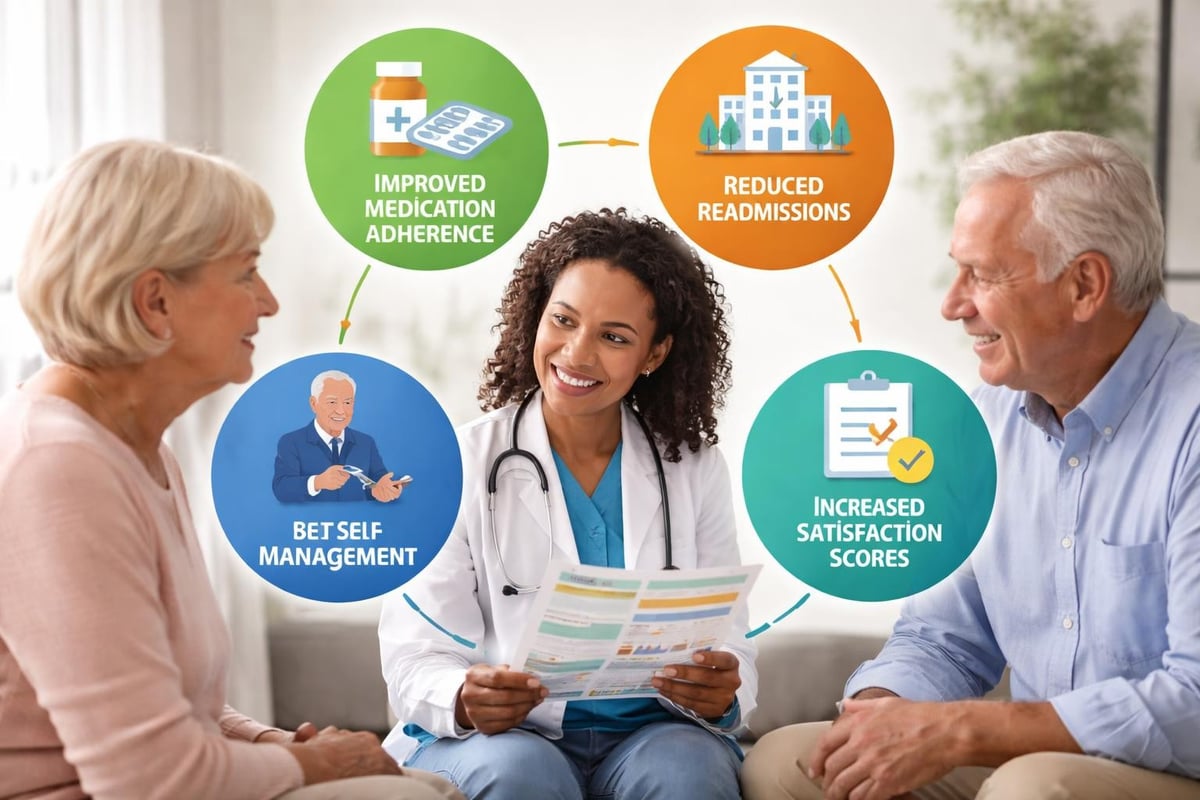
Effective patient education materials must be accessible, accurate, and tailored to diverse literacy levels and cultural backgrounds. Healthcare providers who invest in comprehensive education resources see measurable improvements in several key areas:
- Enhanced Treatment Compliance: Patients who understand their medications and treatment plans demonstrate significantly higher adherence rates
- Reduced Hospital Readmissions: Proper discharge education and follow-up care instructions decrease unnecessary readmissions
- Improved Self-Management: Patients with chronic conditions achieve better disease control through education
- Greater Patient Satisfaction: Clear communication and educational support correlate with higher satisfaction scores
The All About Series demonstrates how targeted educational materials can address specific patient populations and conditions. By providing clear, evidence-based information on topics ranging from diabetes management to elder care, healthcare providers empower patients to make informed decisions about their health.
Supporting Caregivers Through Education
Quality healthcare extends beyond the clinical setting into homes and communities where caregivers provide essential support. Family members and professional caregivers require access to reliable information about wound care, nutrition for aging populations, and infection control to deliver appropriate care safely.
Educational resources designed for caregivers must address practical, real-world challenges while maintaining clinical accuracy. Topics such as preventing falls, managing incontinence, and recognizing signs of complications require clear, step-by-step guidance that caregivers can implement immediately.
Implementing Evidence-Based Practices
Quality healthcare depends on the consistent application of evidence-based practices derived from rigorous research and clinical trials. Healthcare providers must stay current with evolving treatment protocols, emerging therapies, and updated clinical guidelines to ensure they deliver care aligned with the latest scientific knowledge.
The Centers for Disease Control and Prevention serves as a primary resource for evidence-based guidelines on disease prevention, vaccination protocols, and chronic condition management. By following CDC recommendations and incorporating research findings into daily practice, healthcare professionals maintain high standards of care delivery.
Bridging Research and Practice
One significant challenge in delivering quality healthcare involves translating complex research findings into practical applications. Healthcare educators and institutions must distill academic studies and clinical trials into accessible formats that frontline providers and patients can understand and implement.
Professional reference materials play a crucial role in this translation process. Resources covering drug interactions, vitamin supplementation, and specialized treatment protocols help healthcare professionals make informed decisions at the point of care.
Addressing Health Equity and Access
Quality healthcare must be accessible to all individuals regardless of socioeconomic status, geographic location, race, ethnicity, or other personal characteristics. Health equity represents a fundamental component of healthcare quality, yet significant disparities persist across populations and communities.
Healthcare organizations committed to equity implement several strategies:
- Culturally competent care delivery that respects diverse backgrounds and beliefs
- Language-appropriate educational materials and interpreter services
- Outreach programs targeting underserved populations
- Sliding-scale pricing and financial assistance programs
- Telemedicine options to overcome geographic barriers
Educational materials that address diverse populations and conditions contribute to more equitable care delivery. When patients from all backgrounds have access to understandable health information in formats they can use, healthcare disparities begin to narrow.
Technology's Impact on Healthcare Access
Technological advancements have expanded access to quality healthcare through telemedicine, remote monitoring, and digital health education platforms. These innovations allow patients in rural or underserved areas to connect with specialists, access educational resources, and receive care coordination support previously unavailable to them.
Digital health education materials, including downloadable guides and ebooks, provide immediate access to critical health information. Healthcare providers can distribute these resources efficiently, ensuring patients leave appointments with comprehensive information about their conditions and treatment plans.
Quality Improvement in Healthcare Settings
Continuous quality improvement represents an ongoing commitment rather than a destination. Healthcare organizations must establish systems for monitoring performance, identifying gaps, and implementing targeted interventions to address deficiencies.
Effective quality improvement initiatives follow a structured approach:
- Assessment: Collect and analyze data on current performance across quality dimensions
- Planning: Identify specific improvement goals and develop strategies to achieve them
- Implementation: Execute planned interventions with appropriate staff training and resource allocation
- Evaluation: Measure outcomes and compare results against baseline performance
- Refinement: Adjust strategies based on evaluation findings and continue the cycle
The Agency for Healthcare Research and Quality explains data sources that healthcare organizations use to drive improvement efforts. By leveraging medical records, patient surveys, and administrative databases, institutions gain comprehensive insights into their performance across multiple quality dimensions.

Creating a Culture of Safety and Excellence
Quality healthcare thrives in organizational cultures that prioritize safety, transparency, and continuous learning. Healthcare institutions must foster environments where staff feel empowered to report errors, suggest improvements, and participate in quality initiatives without fear of retribution.
Leadership commitment to quality permeates every level of healthcare organizations. When executives, administrators, clinicians, and support staff all embrace quality as a shared responsibility, institutions achieve sustainable improvements in patient outcomes and satisfaction.
Specialized Quality Considerations Across Care Settings
Different healthcare settings face unique quality challenges that require tailored approaches. Acute care hospitals, long-term care facilities, outpatient clinics, and home healthcare agencies each must address specific quality indicators relevant to their patient populations and services.
| Care Setting | Primary Quality Focus | Key Challenges |
|---|---|---|
| Acute Care Hospitals | Surgical outcomes, infection prevention | High patient turnover, complex cases |
| Long-Term Care | Falls prevention, pressure ulcer management | Chronic conditions, frail populations |
| Outpatient Clinics | Wait times, preventive care delivery | Limited visit duration, continuity |
| Home Healthcare | Caregiver education, safety monitoring | Isolation, resource limitations |
Resources addressing specialized care needs, such as elder care materials and patient care guides, help providers in each setting deliver appropriate, high-quality interventions tailored to their specific patient populations.
Quality in Chronic Disease Management
Chronic conditions including diabetes, heart disease, arthritis, and respiratory disorders require sustained quality healthcare over months and years. Effective chronic disease management depends on patient education, regular monitoring, medication adherence, and lifestyle modifications.
Healthcare providers managing chronic conditions must equip patients with knowledge and skills for self-management. Educational materials covering topics like managing type 2 diabetes provide essential information about blood sugar monitoring, dietary choices, medication timing, and complication prevention.
The Economic Impact of Quality Healthcare
High-quality healthcare delivery produces significant economic benefits for patients, providers, and healthcare systems. While quality improvement initiatives require upfront investment, they generate substantial returns through reduced complications, fewer readmissions, shorter hospital stays, and improved resource utilization.
Preventable medical errors and hospital-acquired conditions cost healthcare systems billions annually. By implementing evidence-based safety protocols and comprehensive patient education programs, institutions can dramatically reduce these expenses while simultaneously improving patient outcomes.
Quality healthcare also reduces long-term costs for patients through better disease management and prevention of complications. When patients receive appropriate preventive care, early intervention, and effective chronic disease management, they avoid costly emergency department visits, hospitalizations, and advanced treatments.
Return on Investment in Patient Education
Investing in comprehensive patient education materials delivers measurable returns across multiple dimensions. Healthcare organizations that provide patients with clear, accessible information experience:
- Decreased call volumes to nursing helplines and provider offices
- Reduced medication errors and adverse drug events
- Fewer missed appointments and improved follow-up compliance
- Higher patient satisfaction scores affecting reimbursement rates
- Lower liability risk through improved informed consent and shared decision-making
Educational publishers like Mediscript support healthcare providers by offering evidence-based materials that enhance patient understanding and engagement without requiring extensive provider time for individual instruction.
Future Directions in Quality Healthcare
The landscape of quality healthcare continues to evolve with technological advances, changing demographics, and emerging healthcare delivery models. Several trends will shape quality improvement efforts in coming years:
Personalized Medicine: Genetic testing and precision therapies will enable more targeted, effective treatments tailored to individual patient characteristics. Healthcare providers will need educational resources explaining these complex interventions to patients in understandable terms.
Value-Based Care: Payment models increasingly reward quality outcomes rather than service volume. This shift incentivizes providers to focus on effectiveness, prevention, and patient education that promotes long-term health.
Integrated Care Teams: Multidisciplinary teams including physicians, nurses, pharmacists, social workers, and health educators will collaborate to address all aspects of patient health. Coordination and communication become critical quality factors.
Digital Health Integration: Wearable devices, smartphone applications, and remote monitoring systems will provide continuous health data, enabling more proactive interventions and personalized care adjustments.
Healthcare educators must prepare materials that address these emerging trends while maintaining accessibility for diverse patient populations. Resources covering drug-vitamin-supplement interactions and other complex topics help patients navigate increasingly sophisticated treatment regimens.
Preparing Healthcare Workforces for Quality Delivery
Healthcare professionals require ongoing education to maintain competency in evolving best practices and quality standards. Continuing education programs, certification requirements, and professional development opportunities ensure providers stay current with evidence-based approaches.
Educational institutions preparing future healthcare professionals must emphasize quality principles throughout their curricula. Students need exposure to quality measurement, improvement methodologies, patient safety protocols, and effective communication strategies that support quality healthcare delivery throughout their careers.
Delivering quality healthcare requires commitment to evidence-based practices, comprehensive patient education, and continuous improvement across all dimensions of care. Healthcare providers who prioritize safety, effectiveness, patient-centeredness, timeliness, efficiency, and equity create environments where patients achieve optimal outcomes. Mediscript supports this mission by providing healthcare professionals, pharmacies, and educational institutions with customizable, easy-to-understand guides and ebooks that empower patients, support caregivers, and enhance educational efforts across diverse clinical topics.