


Healthcare quality represents the cornerstone of effective medical practice and patient satisfaction in 2026. As healthcare systems worldwide face increasing pressure to deliver better outcomes with limited resources, understanding and implementing quality measures has become essential for providers, educators, and institutions. The evaluation of healthcare quality encompasses multiple dimensions, from clinical effectiveness and patient safety to accessibility and patient-centered care. For healthcare professionals and organizations committed to excellence, mastering quality measurement and improvement strategies creates tangible benefits for patients, staff, and communities.
Defining Healthcare Quality in Modern Practice
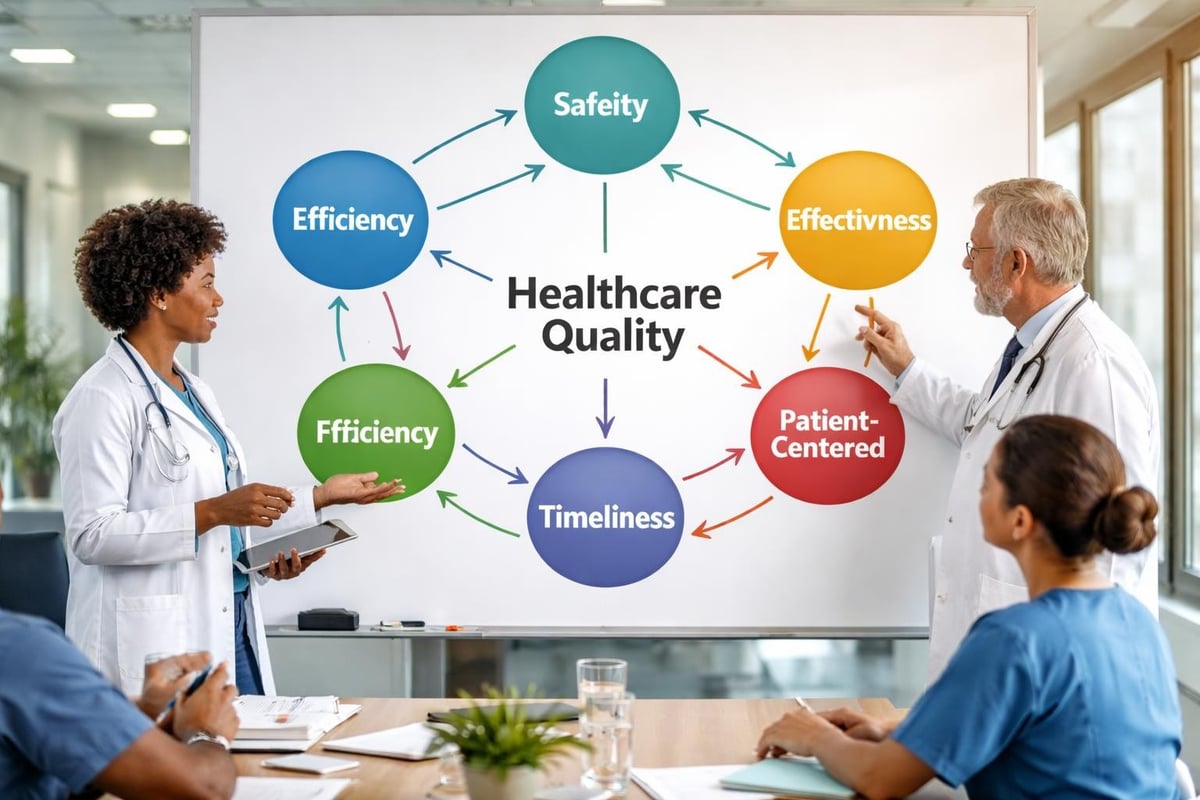
Healthcare quality is fundamentally about providing the right care, at the right time, in the right way, to achieve optimal patient outcomes. This concept extends beyond simple treatment effectiveness to encompass six core domains: safety, effectiveness, patient-centeredness, timeliness, efficiency, and equity.
The Agency for Healthcare Research and Quality provides comprehensive resources for health care quality measurement that healthcare organizations can leverage to establish baseline performance and track improvements. These measures serve as critical tools for identifying gaps in care delivery and opportunities for enhancement.
The Six Dimensions of Quality Care
Understanding each dimension helps healthcare providers and educators develop targeted interventions:
- Safety: Preventing harm to patients through error reduction and risk management
- Effectiveness: Delivering evidence-based care that produces desired health outcomes
- Patient-centeredness: Respecting individual preferences, needs, and values
- Timeliness: Reducing wait times and delays in diagnosis and treatment
- Efficiency: Optimizing resource use while maintaining care standards
- Equity: Ensuring consistent quality regardless of patient demographics
Healthcare quality measurement requires systematic collection and analysis of data across all these dimensions. Organizations that excel in quality improvement recognize that these domains interconnect, with improvements in one area often catalyzing gains in others.
Data Sources and Measurement Tools
Effective healthcare quality improvement depends on reliable data collection from multiple sources. The various data sources for health care quality measures include electronic health records, patient surveys, claims data, and clinical registries, each offering unique insights into different aspects of care delivery.
Medical records provide detailed information about clinical processes and intermediate outcomes. Patient satisfaction surveys capture the experience of care from the recipient's perspective. Administrative databases offer population-level trends and resource utilization patterns.
Key Measurement Categories
| Measurement Type | Purpose | Common Metrics |
|---|---|---|
| Structure Measures | Assess organizational capacity | Staff credentials, technology infrastructure, safety systems |
| Process Measures | Evaluate care delivery | Adherence to protocols, timeliness of interventions, documentation quality |
| Outcome Measures | Track patient results | Mortality rates, readmissions, functional status, patient-reported outcomes |
| Patient Experience | Capture satisfaction | Communication ratings, care coordination, responsiveness |
Healthcare educators play a vital role in quality improvement by ensuring that both providers and patients understand these metrics. Patient education resources that clearly explain treatment protocols and expected outcomes contribute directly to better adherence and results.
The integration of multiple data sources provides a comprehensive view of healthcare quality. For instance, combining clinical outcome data with patient satisfaction scores reveals whether technical success translates into perceived value for patients.
Patient Education as a Quality Driver
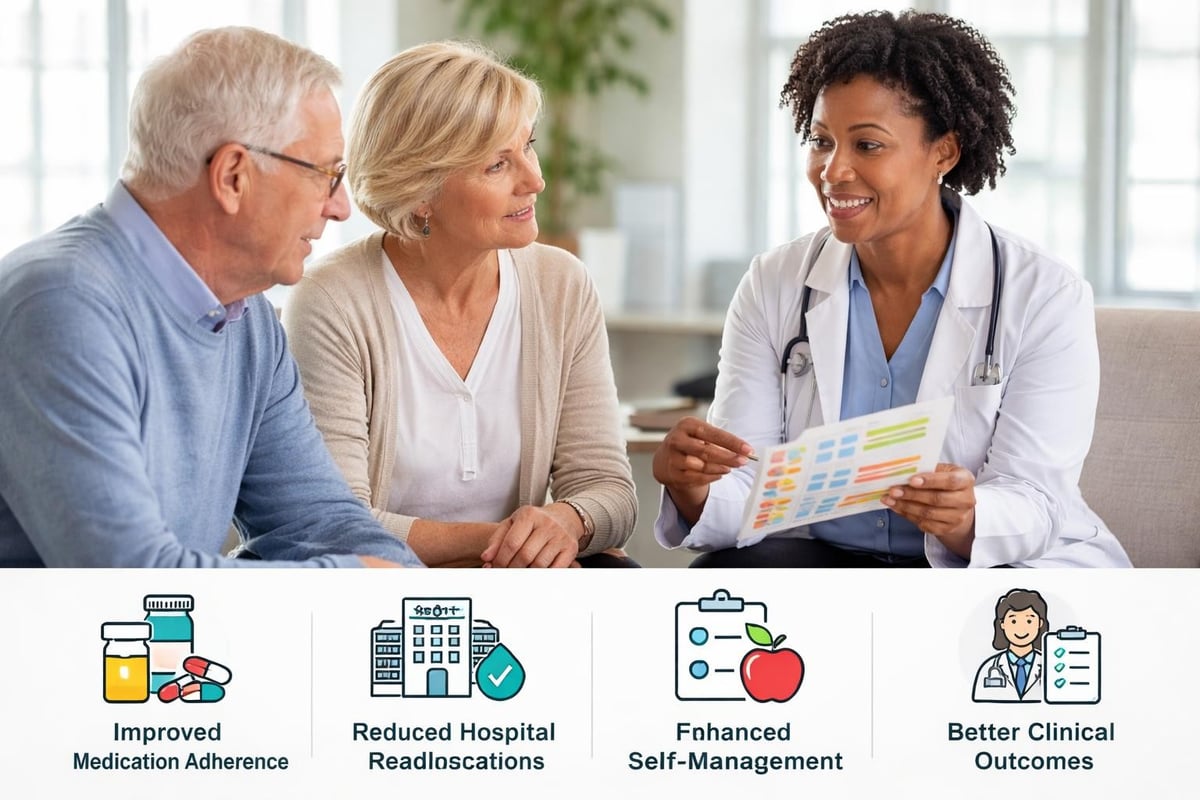
Patient education stands as one of the most powerful yet underutilized tools for improving healthcare quality. When patients understand their conditions, treatments, and self-care responsibilities, they become active participants in their care rather than passive recipients.
Research consistently demonstrates that informed patients experience better outcomes across multiple conditions. They adhere more closely to medication regimens, recognize warning signs earlier, and make healthier lifestyle choices. This direct connection between education and outcomes makes patient materials a critical quality improvement investment.
Components of Effective Patient Education
- Clear, accessible language that avoids medical jargon
- Visual aids and diagrams that reinforce key concepts
- Actionable steps patients can take immediately
- Customization for literacy levels and cultural contexts
- Multi-format delivery through print, digital, and verbal channels
Healthcare providers seeking to enhance patient compliance through education must recognize that one-size-fits-all approaches rarely succeed. Tailoring materials to specific populations and conditions increases engagement and retention.
The importance of healthcare education extends to caregivers and family members who support patients at home. Comprehensive guides covering topics like wound care, medication management, and symptom monitoring empower support networks to contribute meaningfully to patient recovery.
Quality healthcare organizations systematically assess the effectiveness of their educational materials by tracking metrics such as teach-back success rates, readmission rates, and patient-reported confidence levels. These measurements help refine content and delivery methods over time.
Quality Improvement Strategies for Healthcare Teams
Implementing sustainable healthcare quality improvements requires structured methodologies and organizational commitment. The most successful initiatives combine data-driven decision making with frontline staff engagement and continuous learning.
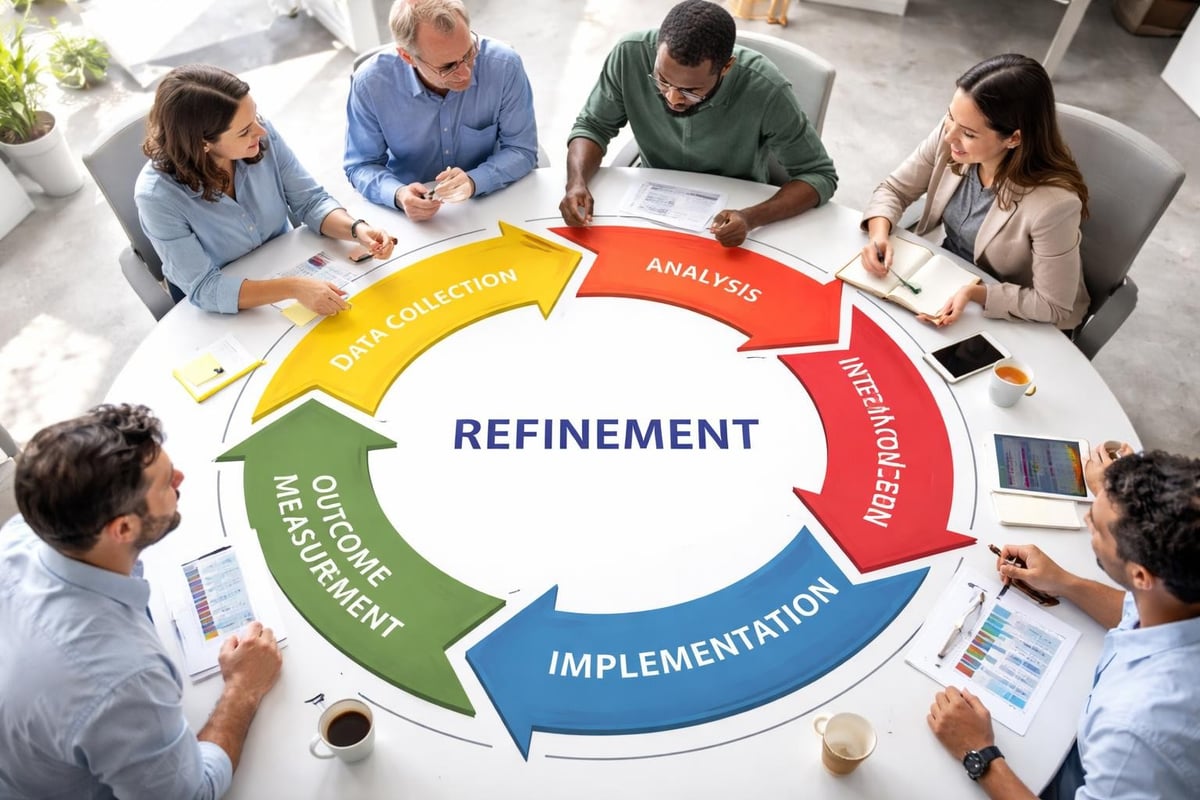
Plan-Do-Study-Act (PDSA) cycles provide a framework for testing changes on a small scale before full implementation. Teams identify a specific quality gap, implement an intervention, measure results, and refine the approach based on findings. This iterative process minimizes risk while building evidence for what works.
Building a Culture of Quality
Creating an organizational culture that prioritizes healthcare quality involves several key elements:
- Leadership commitment demonstrated through resource allocation and visible participation
- Staff empowerment to identify problems and propose solutions
- Transparent reporting of quality metrics without punitive responses to poor results
- Regular training on quality improvement methodologies
- Recognition and celebration of quality achievements
The healthcare team approach recognizes that quality improvement cannot be the responsibility of a single department or role. Instead, it requires coordination across nursing, pharmacy, administration, and ancillary services.
Benchmarking against national standards and peer institutions provides context for performance evaluation. Organizations can identify where they excel and where opportunities exist by comparing their metrics to trusted sources of evidence and industry standards.
Specialized Quality Considerations
Different healthcare settings and specialties face unique quality challenges that demand tailored approaches. Wound care, for example, requires meticulous documentation, infection prevention protocols, and patient education about home care practices.
Healthcare facilities offering wound management services must maintain rigorous quality standards around assessment protocols, treatment selection, and healing outcome tracking. Resources like comprehensive wound care guides support both providers and patients in understanding best practices.
Quality Metrics for Common Specialties
| Specialty Area | Critical Quality Indicators | Patient Education Focus |
|---|---|---|
| Wound Care | Healing rates, infection incidence, pain management | Dressing changes, signs of infection, nutrition |
| Chronic Disease | Biomarker control, complication rates, self-management | Medication adherence, lifestyle modifications, monitoring |
| Preventive Care | Screening completion, immunization rates, risk assessment | Health maintenance, early detection benefits, risk factors |
| Geriatric Care | Falls reduction, functional status, polypharmacy management | Home safety, medication organization, exercise |
Home health education takes on heightened importance as more complex care transitions from institutional to residential settings. Quality programs must ensure patients and caregivers possess the knowledge and skills necessary for safe, effective home management.
The prevention of pressure ulcers illustrates how quality improvement spans multiple domains. Positioning protocols combined with staff training, risk assessment tools, and patient education create comprehensive prevention strategies that measurably reduce incidence rates.
Technology and Healthcare Quality Enhancement
Digital health tools have transformed how organizations measure and improve healthcare quality in 2026. Electronic health records enable real-time quality metric tracking, clinical decision support systems reduce prescribing errors, and patient portals facilitate communication and education delivery.
The integration of digital health tools with traditional quality improvement methods amplifies impact. Automated alerts for care gaps, predictive analytics identifying high-risk patients, and mobile applications supporting self-management all contribute to better outcomes.
Telehealth platforms expand access to quality care for rural and underserved populations. Remote monitoring devices provide continuous data streams that inform clinical decision-making and enable early intervention before problems escalate.
However, technology alone cannot guarantee healthcare quality improvements. Success requires thoughtful implementation that considers workflow integration, user training, and ongoing technical support. The human elements of care, including empathy, communication, and clinical judgment, remain irreplaceable.
Leveraging Data Analytics
Advanced analytics transform raw healthcare quality data into actionable insights:
- Identify patterns in readmissions or complications
- Predict risk for individual patients based on multiple variables
- Compare performance across providers, units, or time periods
- Track trends to evaluate intervention effectiveness
- Generate reports for regulatory compliance and internal review
Organizations committed to improving patient care invest in analytics capabilities while ensuring frontline staff can interpret and act on the insights generated. Data visualization tools make complex information accessible to diverse audiences.
Regulatory and Accreditation Frameworks
Healthcare quality measurement occurs within a complex regulatory environment that includes federal requirements, state regulations, and voluntary accreditation standards. Organizations must navigate these overlapping frameworks while maintaining focus on genuine improvement rather than mere compliance.
The Centers for Medicare and Medicaid Services tie reimbursement to quality performance through value-based purchasing programs. Hospitals and other providers face financial incentives for achieving benchmarks in patient safety, clinical outcomes, and patient experience.
Accreditation bodies like The Joint Commission establish standards that reflect evidence-based practices across healthcare settings. Their survey processes evaluate organizational systems, processes, and outcomes to verify quality and safety.
Balancing Compliance and Innovation
While meeting regulatory requirements consumes significant resources, forward-thinking organizations view these standards as minimum thresholds rather than aspirational goals. They pursue healthcare quality improvements that exceed mandatory benchmarks, differentiating themselves through superior performance.
Documentation requirements for quality reporting create administrative burden, yet they also generate valuable data for internal improvement initiatives. Streamlining documentation processes through standardized templates and electronic systems reduces burden while maintaining data integrity.
Clinical care protocols that align with regulatory standards and clinical guidelines provide consistency while allowing appropriate flexibility for individual patient circumstances. Regular protocol reviews ensure alignment with evolving evidence and requirements.
Engaging Patients in Quality Initiatives
Patient engagement represents both a dimension of healthcare quality and a strategy for achieving it. When patients actively participate in their care decisions and provide feedback on their experiences, organizations gain insights unavailable through clinical data alone.
Patient and family advisory councils bring the consumer perspective directly into quality improvement planning. These groups review proposed changes, identify unintended consequences, and suggest enhancements that reflect real-world patient needs.
Shared decision-making tools help patients understand treatment options, consider trade-offs, and select approaches aligned with their values and preferences. This process respects patient autonomy while typically improving satisfaction and adherence.
Resources that support patient empowerment through education contribute to more balanced provider-patient partnerships. When patients ask informed questions and express preferences clearly, care plans better reflect individual circumstances and goals.
Measuring Patient Experience
Patient experience surveys provide quantitative and qualitative data about care quality from the recipient's viewpoint:
- Communication effectiveness with providers
- Coordination between different care team members
- Responsiveness to requests and concerns
- Clarity of discharge instructions
- Overall satisfaction and likelihood to recommend
Organizations committed to healthcare quality improvement analyze patient feedback systematically, identifying themes and prioritizing interventions based on impact potential. Closing the loop by communicating changes made in response to feedback demonstrates that patient input matters.
Workforce Development for Quality
Healthcare quality depends fundamentally on workforce competence, motivation, and support. Organizations that invest in staff development through training, mentoring, and career advancement opportunities cultivate teams capable of delivering excellent care consistently.
Continuing education programs keep clinical staff current with evolving best practices and new evidence. Simulation training allows practice of complex scenarios in safe environments. Cross-training builds versatility and mutual understanding across disciplines.
Quality improvement education equips frontline staff with methodologies and tools to identify problems and implement solutions. When improvement becomes everyone's responsibility rather than a specialized function, organizations tap into broader creativity and expertise.
Staff well-being directly influences healthcare quality through impacts on attention, decision-making, and patient interaction quality. Addressing burnout through workload management, peer support programs, and stress reduction resources protects both workforce and patient interests.
Patient care and management excellence requires teams that communicate effectively, coordinate seamlessly, and maintain focus on shared quality goals despite daily pressures and competing demands.
Future Directions in Healthcare Quality
The healthcare quality landscape continues evolving as new technologies, care models, and patient expectations emerge. Precision medicine promises more targeted interventions based on genetic and molecular profiles. Artificial intelligence may enhance diagnostic accuracy and treatment selection. Value-based care models increasingly tie provider compensation to quality outcomes rather than service volume.
Addressing social determinants of health represents a frontier for healthcare quality improvement. Organizations recognize that factors like housing stability, food security, and transportation access profoundly influence health outcomes. Quality initiatives increasingly incorporate screening for social needs and connecting patients with community resources.
Patient-generated health data from wearables and home monitoring devices will increasingly inform clinical decision-making and quality measurement. This shift requires new frameworks for data integration, validation, and clinical interpretation.
The healthcare quality movement of 2026 emphasizes not just measuring outcomes but understanding the mechanisms through which interventions work. This focus on process understanding enables more effective adaptation of successful practices across different contexts and populations.
Healthcare quality improvement demands systematic measurement, evidence-based interventions, engaged teams, and empowered patients working together toward better outcomes. Organizations that commit to quality excellence recognize that patient education forms a critical foundation for success, ensuring that individuals understand their conditions and participate actively in their care. Mediscript supports healthcare providers, pharmacies, and educational institutions with comprehensive, customizable patient education materials that enhance understanding, improve compliance, and contribute directly to quality outcomes across diverse clinical settings.